

Main Facts
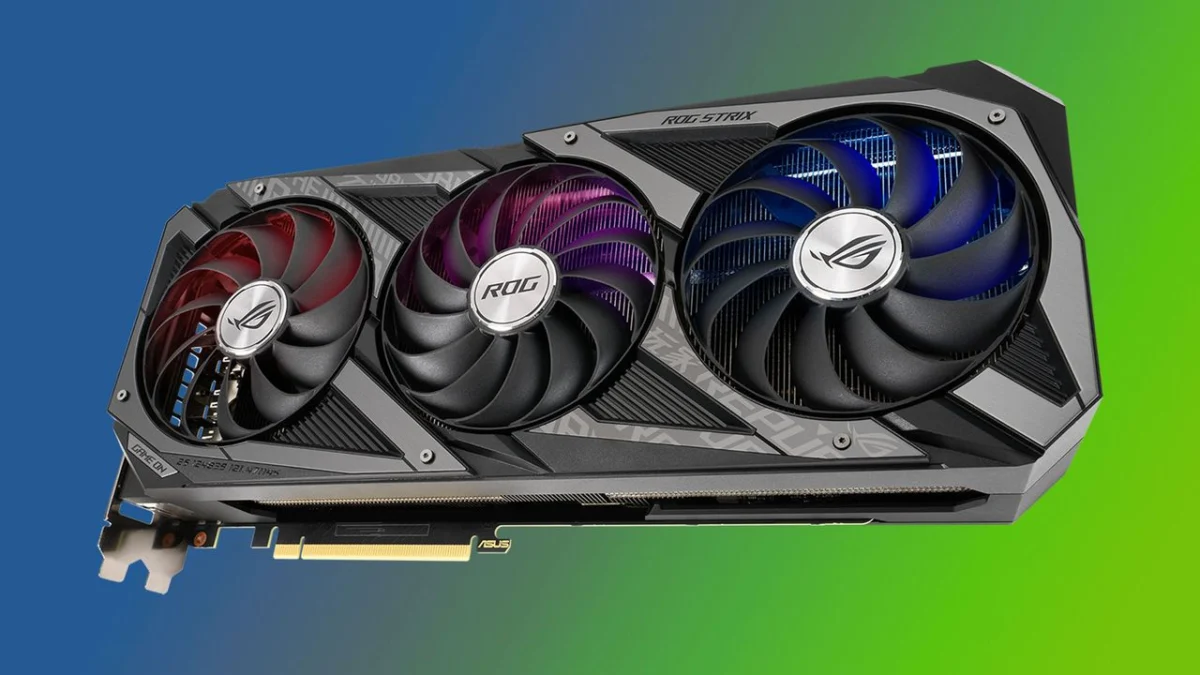
In an audacious display of hardware hacking, the self-proclaimed "punk-rock GPU death lab," TrashBench, recently embarked on an unconventional experiment: to determine if an excessive number of cooling fans could significantly boost the performance of a high-end graphics card. Their subject was the formidable Asus ROG GeForce RTX 3080, a card renowned for its robust stock cooling. The hypothesis was straightforward: drastically reduced temperatures, achieved by adding more and more fans, would unlock greater thermal headroom, allowing for higher boost clocks and, consequently, increased frame rates, especially under overclocked conditions.
The results, however, delivered a dose of reality. While the experiment undeniably achieved remarkable temperature reductions—nearly halving the GPU’s operating temperature to a mere 41 degrees Celsius with the most extreme setup—the performance uplift was disappointingly modest. Benchmarks in Shadow of the Tomb Raider revealed a gain of just 2 frames per second (FPS) over the stock configuration, and a 4 FPS improvement when both setups were overclocked. Despite the "awesome" aesthetics and acoustics of the Frankensteinian GPU contraption, TrashBench concluded, with characteristic frankness, that the effort was "not worth it" from a purely performance-centric perspective. The experiment vividly illustrates the principle of diminishing returns in PC cooling, particularly when starting with an already well-engineered stock solution.
Chronology of a Cooling Obsession
The journey into extreme GPU cooling began with a clear objective: push the boundaries of thermal management on a modern graphics card and observe the performance implications. TrashBench meticulously documented each step, gradually escalating the cooling solutions from conventional case fans to high-RPM server fans and eventually an all-in-one (AiO) liquid cooler. The process was not merely about brute force cooling but also about understanding the nuances of airflow, thermal transfer, and the intrinsic limitations of GPU architectures.
The Baseline: Stock Cooling Performance
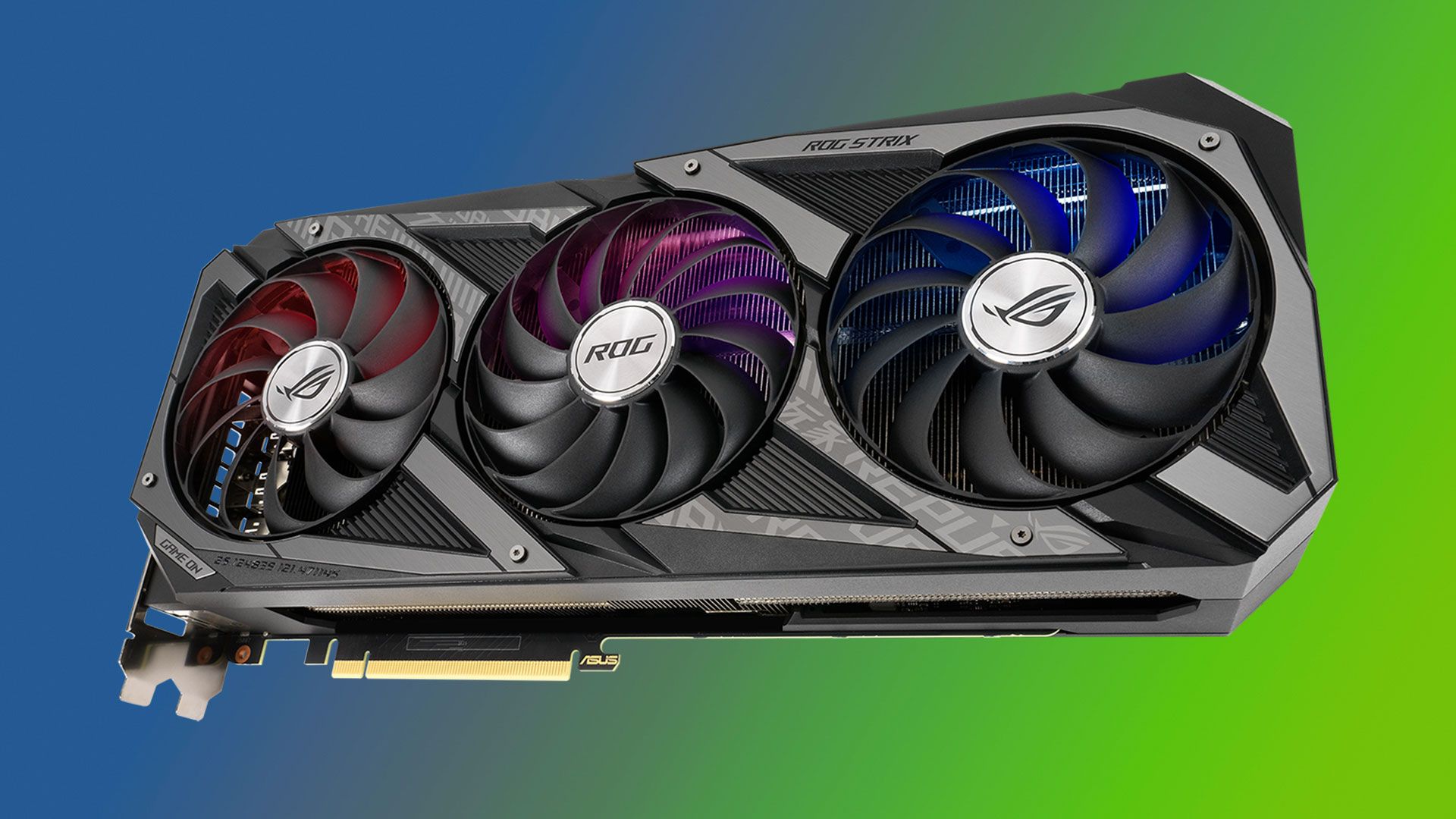
The experiment commenced with establishing a crucial baseline using the Asus ROG GeForce RTX 3080’s factory-installed triple-fan cooler. This particular model is celebrated for its premium design and effective cooling capabilities right out of the box, a fact that would later underscore the challenge of improving upon it. After a thorough cleaning and repasting of the GPU’s thermal interface material—a standard practice to ensure optimal heat transfer—the card was subjected to rigorous stress testing. Using the demanding Unigine Heaven benchmark, with the stock fans running at 100% speed, the GPU stabilized at a respectable 63 degrees Celsius. This was a notable improvement from its typical peak of around 70 degrees Celsius under load, highlighting the immediate benefit of maximizing the stock cooler’s potential. This initial measurement provided a critical reference point against which all subsequent modifications would be compared.
Phase One: Triple Case Fans Take Over
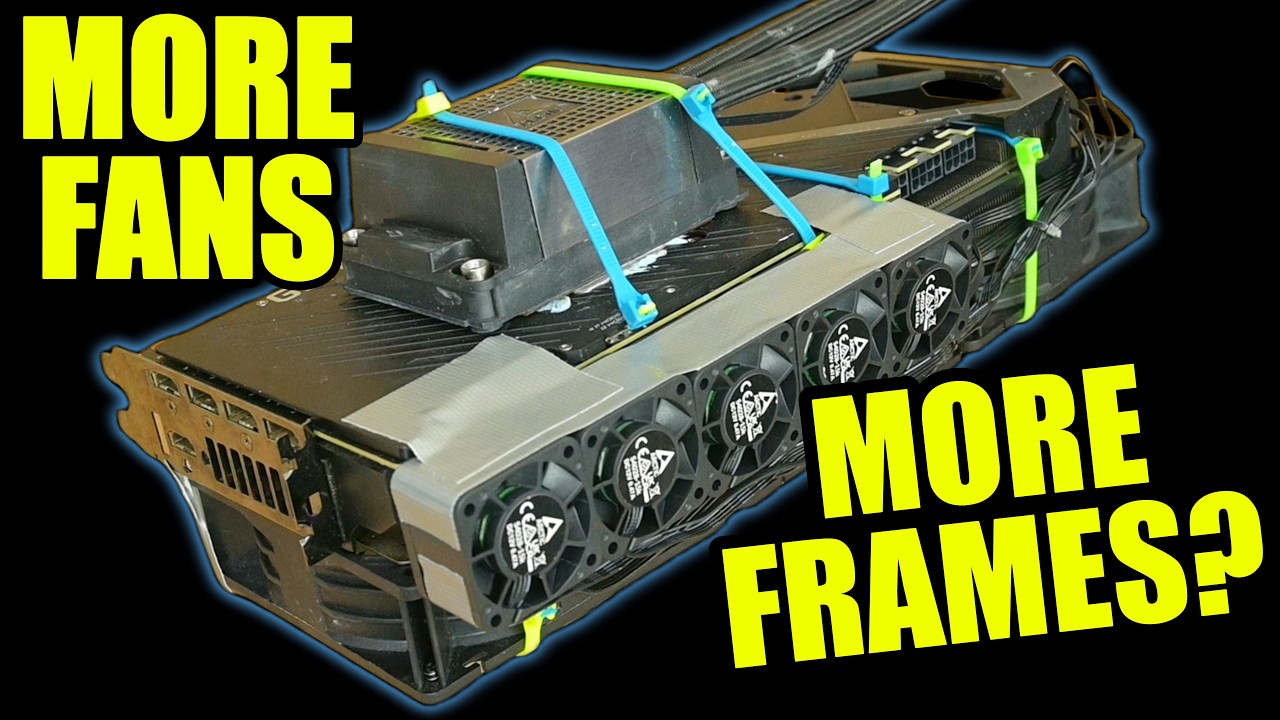
The first significant modification involved entirely replacing the Asus ROG’s custom cooling shroud with a trio of Arctic case fans. These off-the-shelf fans were mounted directly onto the GPU’s heatsink, providing a direct and forceful airflow. The immediate impact was substantial: GPU temperatures plummeted to a stable 52 degrees Celsius during stress testing. This 11-degree drop from the baseline stock cooler performance demonstrated the efficacy of direct fan replacement and the potential for increased airflow to reduce thermal load. The setup was relatively straightforward, relying on simple mounting mechanisms and cable ties, embodying the "punk-rock" ethos of the lab.
Phase Two: Embracing Server-Grade Airflow
Encouraged by the initial success, TrashBench escalated their efforts by swapping the conventional Arctic case fans for thicker, more powerful server fans. These industrial-grade fans are designed for maximum airflow and static pressure, often at the expense of noise and physical bulk. The expectation was a further reduction in temperature due to their superior cooling capacity. Initially, this upgrade appeared promising, shaving an additional 2 degrees Celsius off the GPU temperature, bringing it down to a frosty 50 degrees Celsius.
However, the experiment encountered an unexpected setback. To optimize airflow and prevent air from escaping through the sides of the server fans, duct tape was applied to seal the gaps. Counterintuitively, this modification caused the GPU temperature to stabilize at a warmer 54 degrees Celsius. This paradoxical increase underscored the complexities of airflow dynamics; simply adding more powerful fans or sealing perceived leaks doesn’t always guarantee improved performance. It highlighted the importance of proper channeling and exhaust, as restricting airflow can sometimes lead to thermal pockets or reduced overall efficiency. This incident served as a valuable lesson in the delicate balance required for effective air cooling.
Phase Three: The "Jet-Engine" Quintet
Undeterred by the server fan hiccup, TrashBench shifted its focus to the top of the graphics card. The next iteration involved adding a quintet of tiny Arctic server fans, each capable of spinning at an astonishing 15,000 RPM. This configuration was designed to create an intense localized airflow, targeting specific hot spots on the GPU. The resulting setup generated an unmistakable "jet-engine-soundalike" roar, a testament to the sheer power and speed of these miniature turbines. Despite the dramatic increase in fan speed and noise, this configuration failed to deliver the anticipated thermal improvements. The RTX 3080 stubbornly refused to hold below 50 degrees Celsius for any sustained period, indicating that additional, localized airflow at this stage was reaching a point of diminishing returns, or perhaps the thermal energy was already being efficiently dissipated by the primary front-mounted fans.
Phase Four: Backplate Fans and the AiO Breakthrough
The relentless pursuit of lower temperatures led TrashBench to explore cooling solutions for the GPU’s backplate, a component often overlooked but known to accumulate significant heat, especially from the memory modules. Initial attempts with smaller backplate fans proved largely ineffective, failing to produce any meaningful temperature reductions. This suggested that passive dissipation or heat transfer through the main heatsink was already adequately managing the backplate’s thermal load, or the fans simply lacked the power to make a significant impact.
However, the experiment took a dramatic turn with the decision to upgrade the backplate cooling to an all-in-one (AiO) 360mm liquid cooler. This marked a departure from air-centric solutions, introducing the superior heat transfer capabilities of liquid cooling. The AiO was strategically mounted to the backplate, directly drawing heat away from the GPU’s rear. The results were immediate and astonishing: the GPU reported a new record low, stabilizing at an incredible 41 degrees Celsius in Unigine Heaven. This represented a monumental 22-degree drop from the stock cooler’s baseline and nearly halved the initial operating temperature, a truly impressive feat of thermal engineering.
Supporting Data and Performance Analysis
With the cooling solution pushed to its extreme, the focus shifted to the ultimate question: did these dramatic temperature reductions translate into tangible performance gains? TrashBench meticulously benchmarked the various configurations using Shadow of the Tomb Raider at 1440p resolution, a demanding title that reliably reflects real-world gaming performance. The results, summarized in the table below, provided a clear, albeit sobering, answer.
| Cooling Config | Performance (FPS) |
|---|---|
| Stock | 178 FPS |
| 11 fans | 180 FPS |
| Stock OC | 183 FPS |
| 11 fans OC | 187 FPS |
The Modest Performance Uplift
Analyzing the data, the performance gains are evident but undeniably slight. The "11 fans" configuration, which represents the culmination of TrashBench’s air-cooling efforts before the AiO backplate was added, yielded 180 FPS. This is a mere 2 FPS increase over the stock cooling setup’s 178 FPS. While any performance gain is technically an improvement, a 2 FPS bump, especially on a high-refresh-rate monitor at 1440p, is imperceptible to the human eye and offers negligible real-world benefit.
Overclocking and Thermal Headroom
The more intriguing aspect lies in the overclocked scenarios. The stock RTX 3080, when overclocked, achieved 183 FPS. When the "11 fans" setup was combined with overclocking, performance edged up to 187 FPS. This represents a 4 FPS gain when comparing the overclocked "11 fans" configuration to the overclocked stock cooler. This difference is slightly more pronounced but still falls within the margin of minor, often unnoticeable, improvements.
The primary rationale behind extreme cooling for performance is to leverage "thermal headroom." Modern GPUs employ dynamic boost algorithms that allow the core clock speed to increase as long as the temperature remains below a certain threshold. By drastically lowering the operating temperature, the GPU should theoretically be able to sustain higher boost clocks for longer periods, leading to better performance. TrashBench’s experiment confirmed that while the thermal headroom was indeed created, the RTX 3080’s architecture, or perhaps the game engine itself, did not translate this into a significant performance leap. The GPU likely hit other limiting factors, such as power limits, voltage limits, or even driver optimization, long before the temperature became the primary bottleneck for these modest overclocks.
Cost-Benefit Analysis
Beyond the raw numbers, a critical aspect of any modification is its cost-benefit ratio. TrashBench’s experiment involved a significant investment in time, effort, and various cooling components, ranging from multiple case fans and server fans to duct tape and cable ties. The ultimate AiO liquid cooling solution adds further complexity and cost. When weighed against a maximum gain of 4 FPS (under overclocked conditions), the practical utility of such an endeavor for an average user or even a serious gamer becomes highly questionable. The experiment vividly demonstrates that for many modern, high-end GPUs like the RTX 3080, the manufacturers have already optimized the stock cooling to a point where marginal performance gains from extreme modifications are achieved at disproportionately high costs and effort.
Industry Perspective and Engineering Realities
While TrashBench’s experiment was a testament to the spirit of DIY hardware modification, it also inadvertently shone a spotlight on the sophisticated engineering behind contemporary graphics card cooling. GPU manufacturers, particularly those designing premium cards like the Asus ROG series, invest heavily in R&D to create cooling solutions that balance multiple critical factors: thermal performance, acoustic levels, physical size, aesthetic appeal, and manufacturing cost.
The Art of Compromise in Stock Coolers
Engineers aim for an optimal point where the cooler can effectively dissipate the heat generated by the GPU and its memory, allowing the card to maintain its boost clocks without throttling, all while keeping noise levels acceptable for a desktop environment. The RTX 3080, being a high-power component, demands robust cooling. The fact that the stock Asus ROG cooler could already keep the GPU at 63°C (after repasting and at 100% fan speed) speaks volumes about its inherent efficiency. This performance is achieved through a combination of finely tuned heatsink designs, optimized heat pipe layouts, and custom fan blades that maximize airflow and static pressure while minimizing noise.
From an industry standpoint, adding an "11-fan" array or an AiO to the backplate would be deemed impractical for a mass-produced product. The added complexity, increased cost, significantly higher noise output, and substantial physical footprint would make such a design commercially unviable. Manufacturers strive for a plug-and-play solution that offers excellent performance without requiring extensive modifications or sacrificing user experience.
Diminishing Returns and Other Bottlenecks
TrashBench’s findings underscore a fundamental principle in PC hardware: the law of diminishing returns. As cooling capacity increases, the performance gains eventually plateau because other factors become the limiting bottlenecks. For modern GPUs, these often include:
- Power Limits (TDP): GPUs are designed with specific power envelopes to prevent damage and ensure stability. Even with perfect cooling, if the card hits its power limit, it cannot draw more power to achieve higher clock speeds.
- Voltage Limits: There’s a practical limit to how much voltage can be safely supplied to the GPU core without risking damage or instability, regardless of temperature.
- Silicon Lottery: Individual GPU dies vary in quality. Some chips are inherently capable of higher clock speeds at lower voltages (a "good binned" chip), while others are not, irrespective of cooling.
- Software and Driver Optimizations: The firmware, drivers, and software algorithms that control boost clocks are designed to operate within certain temperature and power parameters. While extreme cooling provides the headroom, the software might not be programmed to aggressively utilize it beyond a certain point.
The experiment thus serves as an educational tool, demonstrating that simply reducing temperature is not a magic bullet for unlimited performance. It highlights the intricate interplay of hardware and software governors that collectively determine a GPU’s ultimate performance ceiling.
Implications and Takeaways
TrashBench’s "punk-rock GPU death lab" experiment, while yielding minimal performance benefits, offers several valuable implications for both casual users and hardcore enthusiasts.
For the Average User: Trust in Stock Cooling
For the vast majority of PC users, the core takeaway is reassuring: modern, high-end graphics cards from reputable manufacturers come with highly capable cooling solutions. Investing in elaborate, multi-fan modifications or custom liquid cooling loops primarily for the sake of boosting FPS on a well-cooled card is likely to be an exercise in futility. The minor performance gains are rarely worth the significant investment in time, money, and the potential voiding of warranties. Instead, users should focus on ensuring good case airflow and maintaining their stock cooler, which is more than adequate for most gaming and professional workloads.
For Enthusiasts and Modders: The Value of Experimentation
For the enthusiast community, however, the experiment’s value extends beyond raw FPS numbers. It embodies the spirit of curiosity, experimentation, and pushing boundaries. TrashBench’s project was less about achieving a practical, cost-effective upgrade and more about answering a "what if?" question. The process of building, testing, and observing such a unique setup provides:
- Educational Insight: It offers tangible lessons in thermal dynamics, airflow management, and the limitations of hardware. Understanding why something doesn’t work as expected is often as valuable as understanding why it does.
- Entertainment and Spectacle: The "awesome" looks and sounds, as TrashBench noted, are part of the appeal. There’s an inherent enjoyment in creating something extreme and visually striking, even if its practical benefits are limited. Such projects inspire others and foster a vibrant community of modders.
- Skill Development: The process of disassembling, modifying, and reassembling complex hardware components hones technical skills and problem-solving abilities.
The Aesthetics and Acoustics of Overkill
TrashBench’s concluding remarks, "It looks awesome. It sounds awesome," highlight an often-overlooked aspect of PC building: personal preference and the subjective experience. While the performance uplift was negligible, the sheer visual and auditory impact of an 11-fan GPU contraption has its own appeal for a niche audience. For some, the journey of creation and the unique aesthetic of an extreme build are as important as, if not more important than, the last few frames per second. The roaring symphony of high-RPM fans might be considered an unwanted nuisance by most, but for a "punk-rock GPU death lab," it’s part of the charm and the statement.
In essence, the experiment serves as a powerful reminder that while technology strives for efficiency, human creativity often thrives on exploring the inefficient, the unconventional, and the extreme, simply for the sake of discovery and expression.
Conclusion
TrashBench’s daring venture into hyper-cooling an Asus ROG GeForce RTX 3080 with a multitude of fans, culminating in an AiO-cooled backplate, achieved spectacular thermal reductions, nearly halving the GPU’s operating temperature to an impressive 41 degrees Celsius. The resulting "punk-rock" contraption was visually striking and audibly distinctive. However, the core objective of significantly boosting performance through this extreme thermal management proved elusive.
The meticulously gathered data from Shadow of the Tomb Raider benchmarks revealed only marginal gains: a mere 2 FPS increase over stock cooling and a 4 FPS improvement when both were overclocked. These negligible uplifts underscore the sophisticated engineering inherent in modern, high-end graphics card coolers, which already push the boundaries of air cooling efficiency. For a card like the RTX 3080, other factors—such as power limits, voltage, and silicon quality—become the dominant performance bottlenecks long before temperature.
Ultimately, TrashBench’s candid assessment resonated deeply: "And it got me 2 FPS. So, not worth it." While a triumph in extreme cooling and a compelling piece of hardware artistry, the experiment serves as a clear demonstration of the law of diminishing returns in GPU cooling. For practical performance gains, the effort and resources expended on such elaborate modifications yield disproportionately small benefits, particularly when starting with an already excellent stock cooling solution. Nevertheless, the endeavor stands as a valuable testament to the spirit of experimentation and the boundless curiosity of the PC hardware community.

