

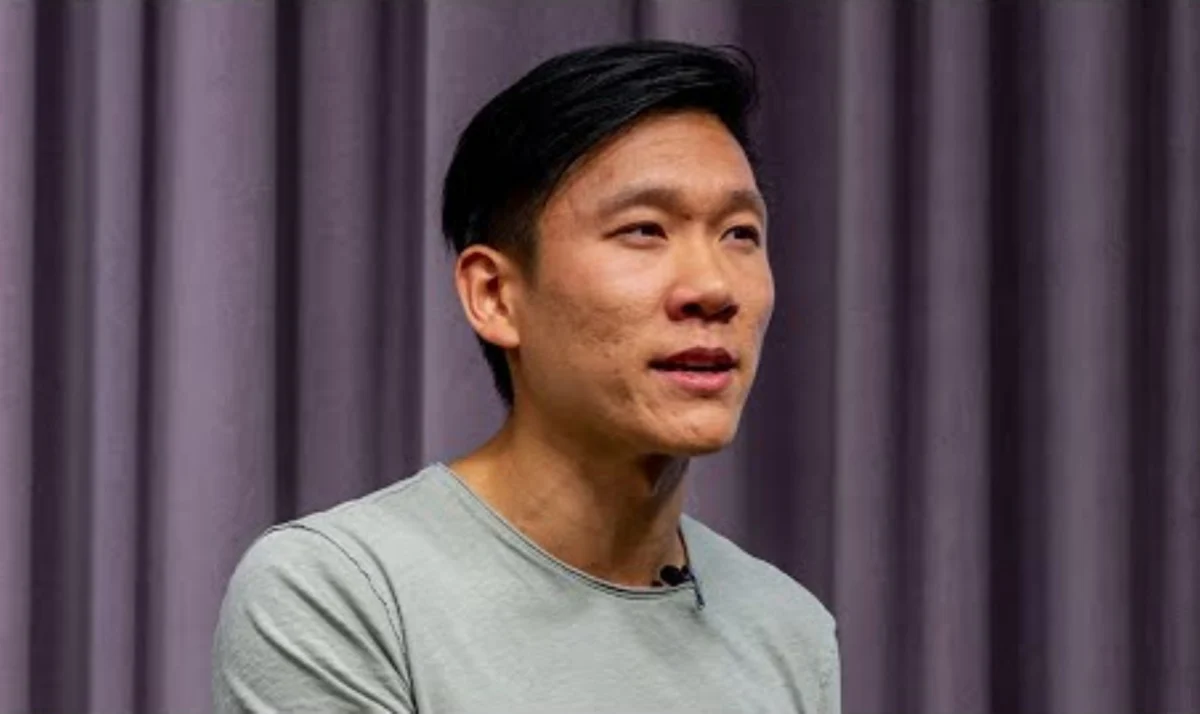
In a move that marks one of the most significant leadership shuffles in the generative AI sector this year, OpenAI has officially recruited Sam Yam, the co-founder and long-time CTO of Patreon, to lead its newly minted Creator Product division. Yam, who spent over 13 years helping build the infrastructure that allows creators to monetize their audiences, is bringing two of his most trusted lieutenants from Patreon with him. This strategic acquisition of human capital signals that OpenAI is pivoting away from its initial, often contentious, attempts to court Hollywood studios and toward a grassroots approach—seeking to win over the individual creator economy.
The Architect of the Creator Economy Moves to AI
For over a decade, Sam Yam has been a cornerstone of the creator economy. Alongside co-founder Jack Conte, Yam transformed Patreon from a niche tool for musicians into a global platform that has funneled hundreds of millions of dollars into the pockets of podcasters, YouTubers, and digital artists. His expertise lies in building sustainable ecosystems where creators can thrive, a skill set that OpenAI leadership is betting will solve their current "community problem."
Yam is not arriving at OpenAI alone. He is joined by Drew Rowny, Patreon’s former SVP of Product and a veteran of Google, and Shannon Ma, the former head of engineering at Patreon who also brings experience from her time at Meta (formerly Facebook). This trio represents a significant brain drain for Patreon, but for OpenAI, it is a massive injection of institutional knowledge regarding how to make platforms appealing to independent content creators.
A Challenging Landscape: Why OpenAI Needs a Pivot
The timing of this recruitment is far from coincidental. OpenAI, led by CEO Sam Altman, is currently navigating a period of unprecedented turbulence. Once the undisputed king of generative AI, the company is seeing its dominance challenged. Recent data from Comscore indicates that ChatGPT is gradually ceding market share to aggressive competitors like Google’s Gemini and other specialized AI models.
Furthermore, the company’s relationship with the entertainment industry has been fraught with friction. OpenAI’s attempt to position itself as a "trusted studio partner" in Hollywood has been derailed by a wave of copyright litigation and intense public backlash from artists who fear their work is being scraped to train models without compensation or consent. The situation reached a nadir with the quiet shuttering of Sora, the company’s high-profile video generation model, which failed to gain meaningful traction in the creative community due to concerns regarding "AI slop" and intellectual property theft.
Chronology of OpenAI’s Creator Economy Ambitions
To understand the weight of Yam’s arrival, one must examine the timeline of OpenAI’s evolving strategy:
- 2024 (Early): OpenAI makes its first overtures to Hollywood, seeking partnerships to integrate its models into the film production pipeline.
- 2024 (Late): Backlash from the creative community intensifies as lawsuits regarding training data and copyright reach a boiling point. The viability of generative video models like Sora begins to face scrutiny.
- 2025 (Early): The "copyright wars" hit a fever pitch with major class-action suits from writers and artists, forcing OpenAI to reconsider its reliance on scraping public-facing creative work.
- 2026 (April): OpenAI acquires TBPN, the podcasting network known as the "Silicon Valley SportsCenter," providing the company with a direct communication channel to the tech and creator communities.
- 2026 (August): As competitors like Google lean into creator partnerships—evidenced by the multi-year deal between Gemini and MrBeast—OpenAI recognizes it is losing the "answer engine optimization" (AEO) race.
- 2026 (September): Sam Yam and his team join OpenAI to spearhead the Creator Product division, aiming to rebuild trust and provide value to the creator class.
The Strategic Shift: From Hollywood Studios to Individual Creators
OpenAI’s pivot is a tactical retreat from the boardroom to the bedroom-studio. While Hollywood studios are concerned with ownership, licensing, and protecting their massive IP libraries, independent creators are often more concerned with distribution, engagement, and audience growth.
By hiring the team that defined the creator monetization model, OpenAI is looking to build "Answer Engine Optimization" tools. The goal is to make ChatGPT an indispensable partner for creators. If a creator can use an OpenAI tool to better understand their audience, script their videos, or optimize their content for search-based AI engines, they are more likely to view the technology as an ally rather than a threat.
The move mirrors the successful strategies of Google, which has been aggressively courting influencers to ensure their AI models remain the primary source of information. By positioning its tools as productivity enhancers, OpenAI hopes to mitigate the "threat to livelihood" narrative that has dogged them for two years.
Supporting Data and Market Realities
The creator economy is currently worth an estimated $250 billion, and it is expected to double by 2027. However, the current relationship between this economy and AI is hostile. A study conducted earlier this year showed that nearly 70% of professional digital creators view generative AI as an existential threat to their revenue streams.
This is the chasm Yam must bridge. His track record at Patreon proves he understands the psychology of the creator. During his tenure, Patreon shifted from a simple crowdfunding site to a robust membership platform, demonstrating that Yam knows how to pivot a company’s core value proposition to align with the needs of the user. If he can bring this same nuance to OpenAI—perhaps by developing tools that allow creators to train smaller, proprietary models on their own back catalogs—he may succeed where previous OpenAI initiatives failed.
Official Responses and the Road to DevDay
OpenAI has kept the specific product roadmap under wraps, but the excitement is palpable within the company. Sam Yam broke his silence shortly after the move, taking to social media to confirm his appointment. In a post on X (formerly Twitter), Yam hinted that the wait for a glimpse into the company’s new direction will be short.
"We are building for the creators," Yam wrote. "The tools we are developing aren’t just about content generation; they are about empowerment and sustainability. We’re excited to show you what’s next at DevDay."
The reference to DevDay—OpenAI’s annual developer conference—is a clear signal that the company intends to treat creators as a primary stakeholder in its ecosystem moving forward. September 29 has been circled on the calendars of industry analysts as the day we will finally see if OpenAI can move past the era of copyright lawsuits and toward an era of collaborative creation.
Implications for the Future of Generative AI
The hiring of Yam, Rowny, and Ma has far-reaching implications for the industry. First, it confirms that "Big AI" is done trying to force its way into the creative establishment through legal brute force. They are instead opting for the "Platform Play"—trying to become the operating system of the creator economy.
Second, it suggests a move toward more specialized, smaller AI models. If OpenAI begins building tools specifically for creators, those tools will likely be more personalized, relying on private datasets rather than the broad, controversial web-scraping methods that sparked the initial backlash.
Finally, the hiring of Patreon leadership signals a shift in company culture. OpenAI, which began as a research laboratory, is maturing into a product-focused organization. It is moving from the "what can we build?" phase to the "who are we building for?" phase.
As we approach the end of 2026, the success or failure of OpenAI may no longer depend on the size of their neural networks or the volume of their training data, but on the loyalty of the creators they are now so desperately trying to win over. If Sam Yam can repeat his Patreon success, he may turn the tide of public opinion and establish OpenAI as a necessary tool in every creator’s toolkit. If he fails, it will prove that the rift between generative AI and the human creative spirit may be too wide to bridge.

