

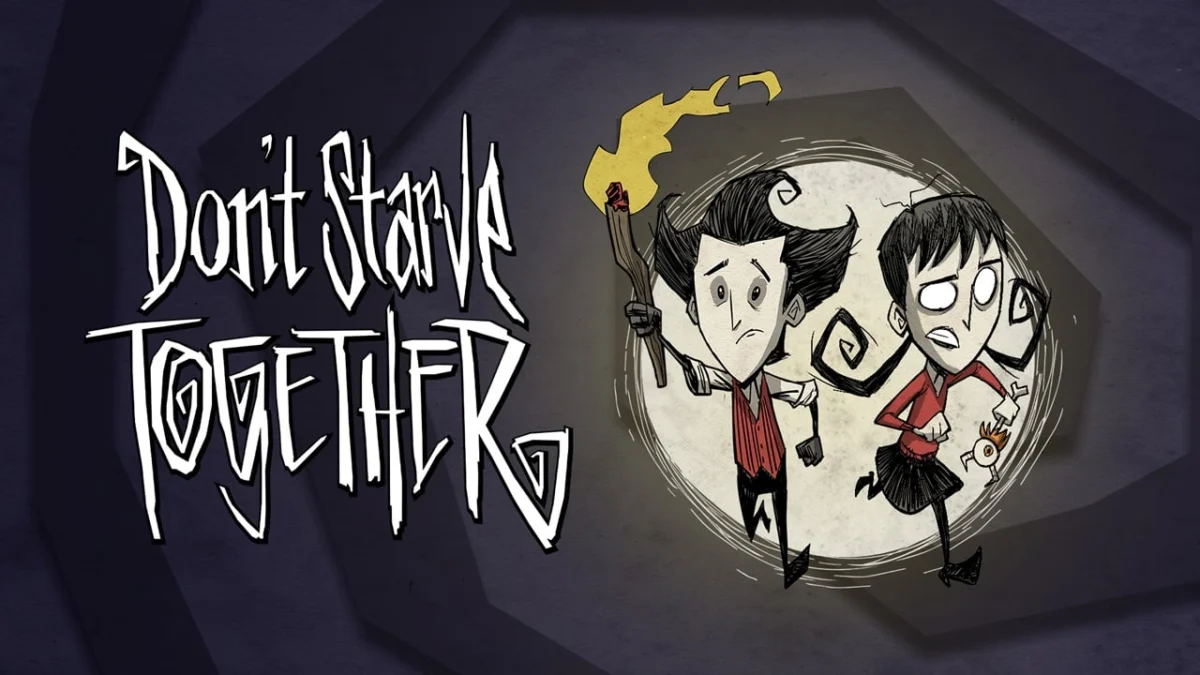
The unforgiving, hand-drawn wilderness of Klei Entertainment’s Don’t Starve universe has officially expanded its reach. After years of anticipation and a long-standing reign on PC and consoles, Don’t Starve Together—the definitive multiplayer expansion of the cult-classic survival series—has finally launched on mobile platforms. Published by the renowned porting specialists at Playdigious, this mobile iteration brings the full, chaotic, and punishing cooperative experience to the palm of your hand, marking a significant milestone for mobile gaming enthusiasts and survival genre purists alike.
A Legacy of Survival: The Chronology of the Constant
To understand the weight of this release, one must look at the trajectory of the Don’t Starve franchise. Since its inception, developer Klei Entertainment has mastered the art of the "survival roguelike," characterized by a whimsical, gothic art style reminiscent of Tim Burton’s animations, paired with brutal, unforgiving mechanics.
The journey began in 2013 with the original Don’t Starve, a single-player experience that challenged players to survive in a mysterious, procedurally generated wilderness known as "The Constant." Its success was immediate, leading to the 2015 release of Don’t Starve: Pocket Edition for mobile devices, which brought the core loop of gathering, crafting, and avoiding death to tablets and smartphones.
In 2016, the franchise evolved significantly with Don’t Starve: Shipwrecked, a major expansion that added oceanic exploration and tropical hazards. However, the most pivotal moment in the series’ history occurred in 2016 when Don’t Starve Together (DST) launched on PC as a standalone multiplayer expansion. While the original game was a solitary struggle against the elements, DST introduced a social dimension, forcing players to navigate the complexities of cooperation—or sabotage—in a world that wanted them dead.
After nearly a decade of dominance on desktop and console storefronts, the mobile port of Don’t Starve Together represents the culmination of years of engine optimization and mechanical balancing, bringing the "together" aspect of the franchise to a new demographic of mobile gamers.
The Mechanics of Cooperation: What’s New in the Mobile World?
Don’t Starve Together on mobile is not merely a downscaled version of its PC counterpart; it is a full-featured port designed to accommodate the unique constraints and capabilities of handheld hardware. The core gameplay loop remains intact: players are dropped into a bizarre, procedurally generated world populated by strange flora, fauna, and Lovecraftian horrors.
Multiplayer Dynamics
The most significant departure from previous mobile entries is the capacity for multiplayer. Players can now join forces with up to five others—creating a team of six survivors—to tackle the encroaching darkness. This change fundamentally alters the game’s balance. In the single-player Pocket Edition, the player is the sole architect of their survival. In Together, the experience becomes a social experiment. You must coordinate labor: who is farming? Who is hunting? Who is responsible for base maintenance? The game allows for seamless collaboration, but it also opens the door to chaotic competition, where resources are finite and tempers can flare as the winter frost begins to settle.
Combat and Scaling
Because the game is designed for groups, the difficulty curve has been adjusted. Enemies, monsters, and bosses possess significantly higher health pools and damage output compared to the single-player iterations. Surviving a boss fight in the mobile version of DST requires tactical communication and prepared gear, emphasizing the necessity of a balanced team composition.
The Survival Essentials
The "hunger, sanity, and health" triad remains the heart of the game. Players must balance the constant need for food with the psychological strain of the darkness. Neglecting your character’s mental state leads to hallucinations and eventual death, while ignoring the cold or the stomach results in rapid attrition. The mobile version retains the deep crafting tree, allowing players to build elaborate settlements, farms, and defensive structures to ward off the terrors of the night.
Technical Specifications and Player Features
Transitioning such a complex game to mobile requires a robust suite of technical features. Playdigious has ensured that the mobile port feels at home on touchscreens while respecting the needs of power users.
- Controller Support: Recognizing that precision is key when battling bosses, the developers have included full support for external gamepads.
- Cloud Saves and Syncing: The inclusion of cloud save functionality ensures that progress is never lost, allowing players to jump between devices with ease.
- Cross-Platform Parity: Perhaps most impressively, the game features shared unlocks with PC and console versions. This continuity is a massive boon for existing fans of the franchise who have already invested time in unlocking characters and skins on other platforms.
- Customization: The game offers a granular difficulty menu. Whether you want a "relaxed" experience to focus on base building or a "hardcore" challenge that tests the limits of your survival skills, the world settings can be tweaked to match your preferred playstyle.
- Integrated Achievements: Fully integrated with Google Play Games, the mobile version offers a rewarding progression system for achievement hunters.
Implications for the Mobile Survival Genre
The arrival of Don’t Starve Together on mobile signals a broader shift in the mobile market. For years, mobile survival games were often characterized by "freemium" models, heavy microtransactions, and simplified mechanics. The premium, one-time-purchase model of Don’t Starve Together—currently priced at $9.99, with a limited-time 10% launch discount bringing it to $8.99—represents a commitment to a "premium mobile" experience.
This port proves that complex, system-heavy games that were previously thought to be "PC-only" can thrive on modern mobile hardware. By bringing a game as content-rich and mechanically dense as DST to mobile, Playdigious and Klei are challenging the notion that mobile gaming is inherently "casual."
Furthermore, the game’s success will likely influence how future survival titles are ported. The emphasis on high-performance optimization, coupled with the ability to retain a community-driven multiplayer ecosystem, sets a new standard for what players should expect from AAA mobile ports.
Final Reflections and Community Reception
As of the current launch window, the community reception has been overwhelmingly positive. The ability to sync one’s profile and participate in the same deep, systemic survival loops that defined the PC experience has been a long-requested feature.
However, the game is not for the faint of heart. Don’t Starve has always been famous for its steep learning curve. Newcomers who are unfamiliar with the unforgiving nature of the series may find themselves overwhelmed by the sheer number of systems to master. Yet, the inclusion of a multiplayer component provides a safety net; veterans can now mentor new players, sharing the secrets of the Constant and ensuring the survival of the group.
As the mobile gaming landscape continues to evolve, Don’t Starve Together stands as a testament to the longevity of well-designed game systems. It is not just a game; it is an enduring ecosystem that has successfully bridged the gap between desktop and mobile, ensuring that no matter where you are, you can always share the burden—and the madness—of trying to stay alive.
For those ready to face the shadows, the game is now available on the Google Play Store. With the launch discount ending on July 28th, now is the ideal time to gather your friends, prepare your supplies, and step into the mysterious world of the Constant. Just remember: when the sun goes down, stay near the light, and for heaven’s sake, don’t starve.

