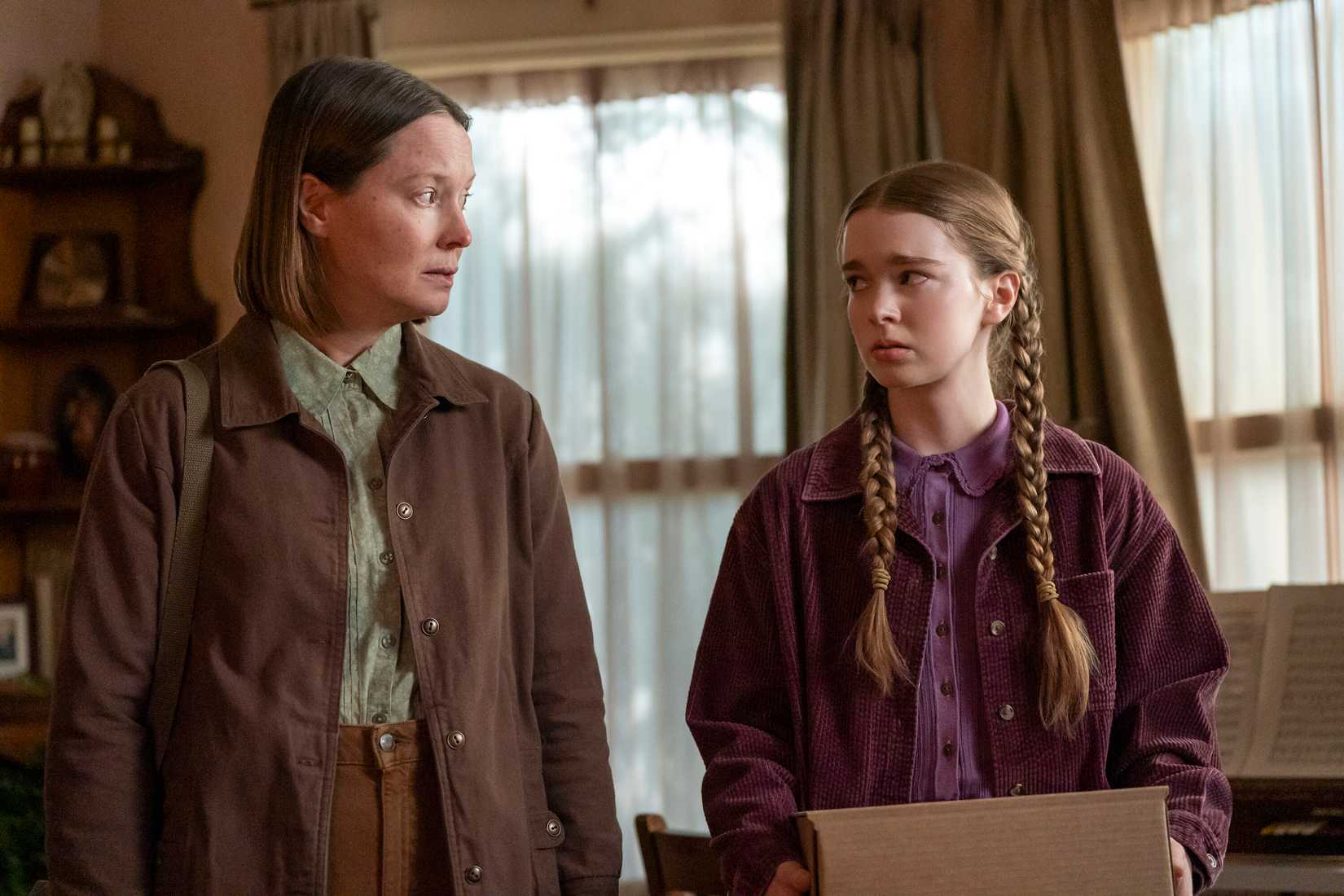
When horror auteur Mike Flanagan set his sights on adapting Stephen King’s seminal 1974 novel Carrie for Prime Video, industry insiders and horror purists alike wondered how anyone could reinvent a story already immortalized by Brian De Palma’s legendary 1976 feature film. The answer, as it turns out, lies not in the telekinetic carnage that consumes the high school prom, but in the domestic sphere. Flanagan’s serialized reimagining pivots on a foundational and daring creative choice: rewriting the relationship between Carrie White and her deeply religious, overbearing mother, Margaret.
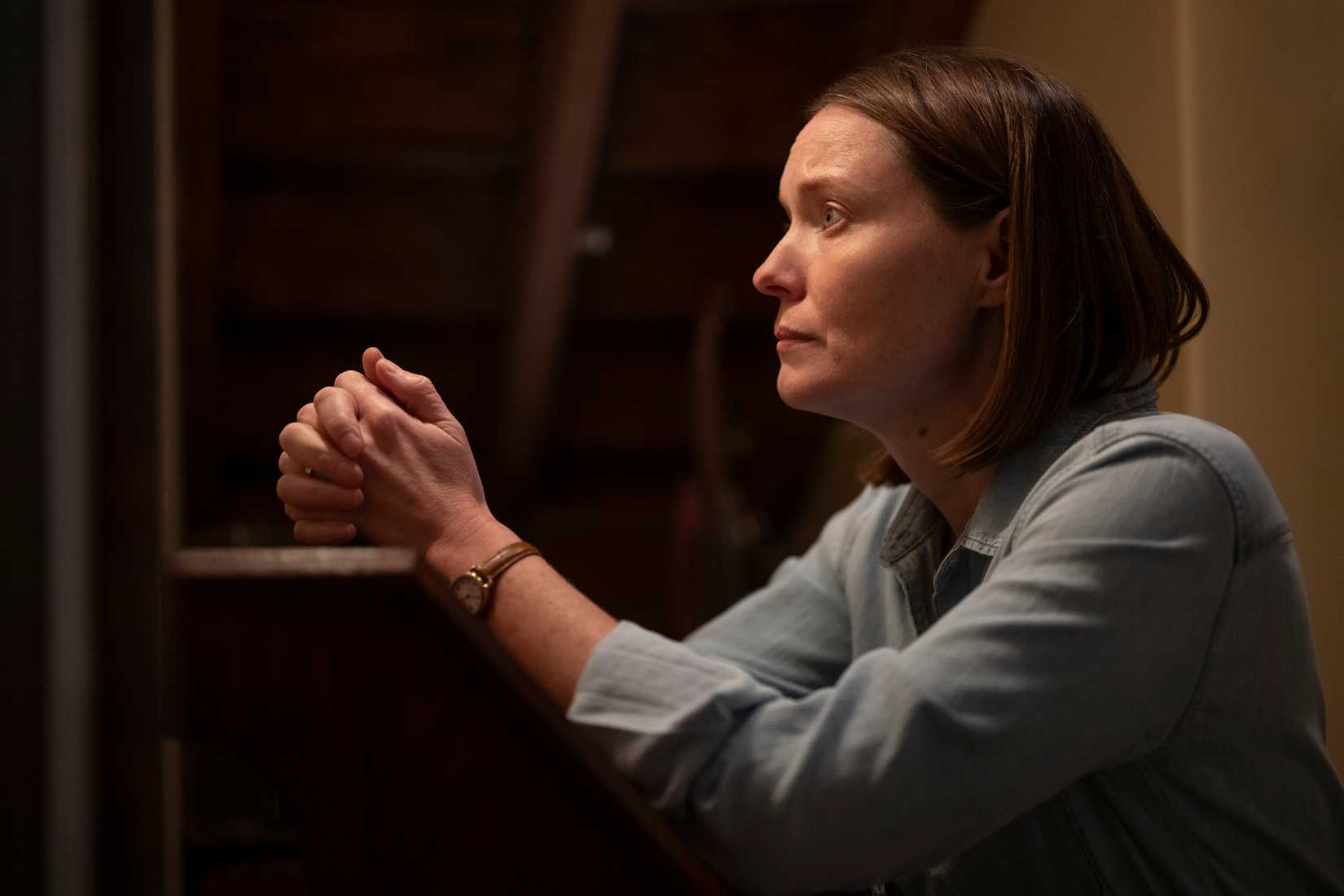
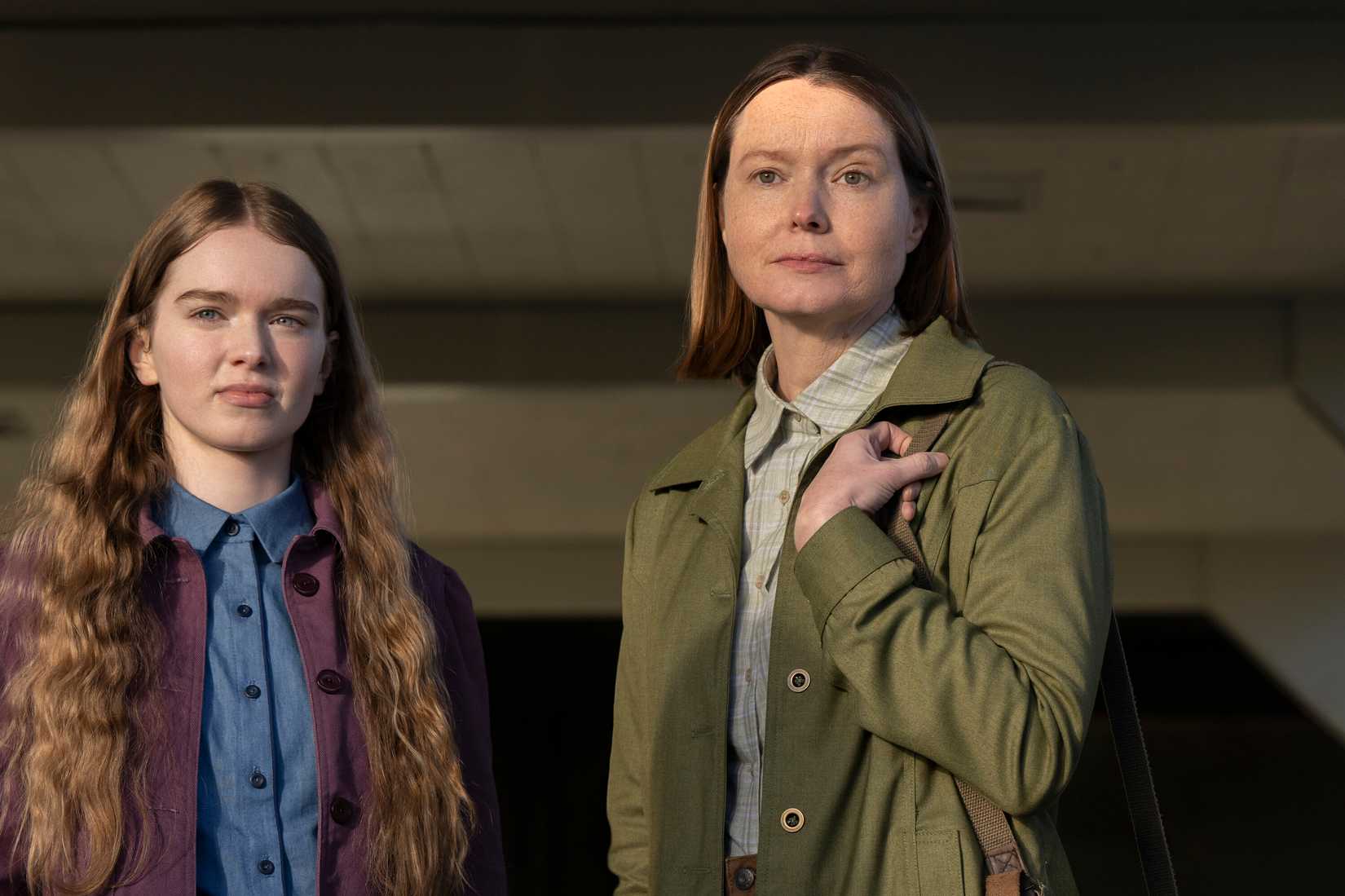
At the center of this ambitious structural overhaul is Samantha Sloyan, Flanagan’s frequent collaborator and the master behind some of modern horror’s most chilling television antagonists. In Prime Video’s Carrie, Sloyan tackles the iconic role of Margaret White. However, rather than playing a one-note fanatic or a monstrous abuser cut from the cloth of Piper Laurie’s unforgettable big-screen portrayal, Sloyan infuses Margaret with radical nuance, presenting a mother whose every toxic, aggressive, and ultimately terrifying action is driven by a fiercely misguided, unyielding love for her daughter.
Chronology and Development: Building a Modern Carrie
Deconstructing the Source Material
Flanagan’s approach to Carrie was never intended to be a simple, eight-hour stretch of King’s original narrative or De Palma’s cinematic blueprint. Speaking about the adaptation process, Sloyan notes that Flanagan aimed to tear the property down to its absolute studs and reassemble it under a completely different architectural framework.
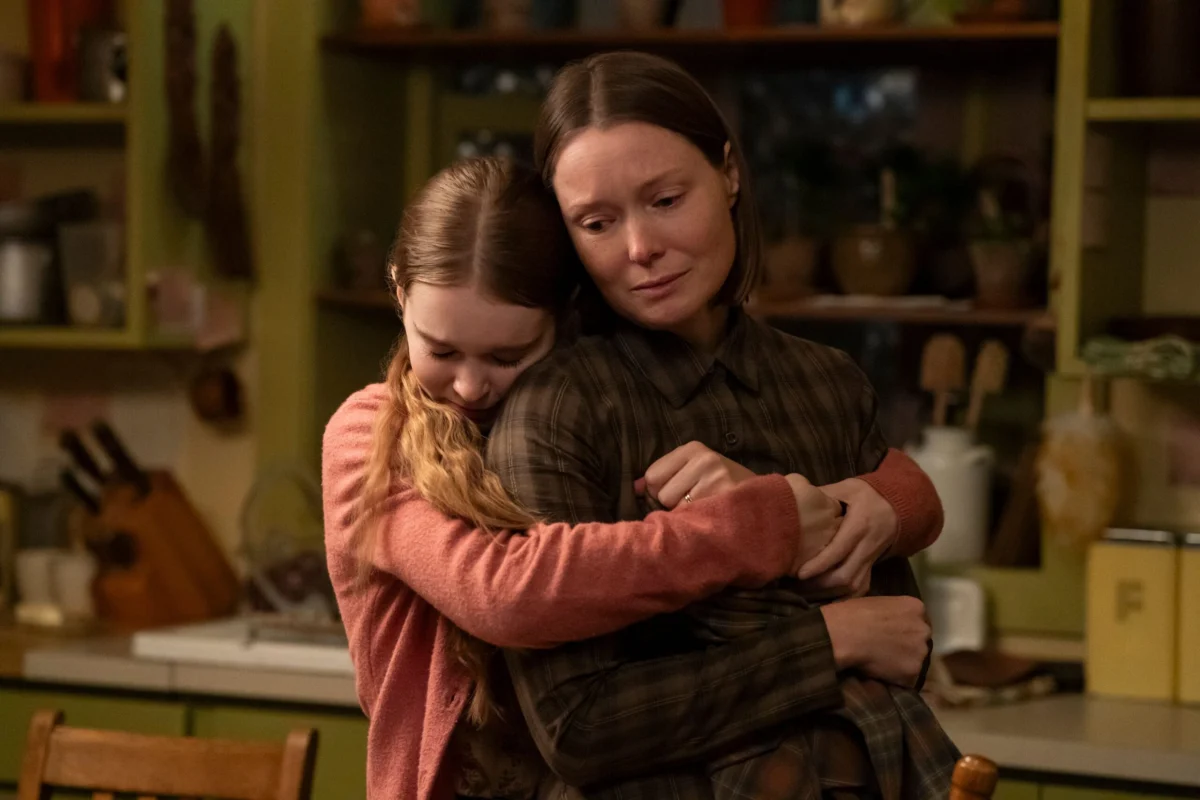
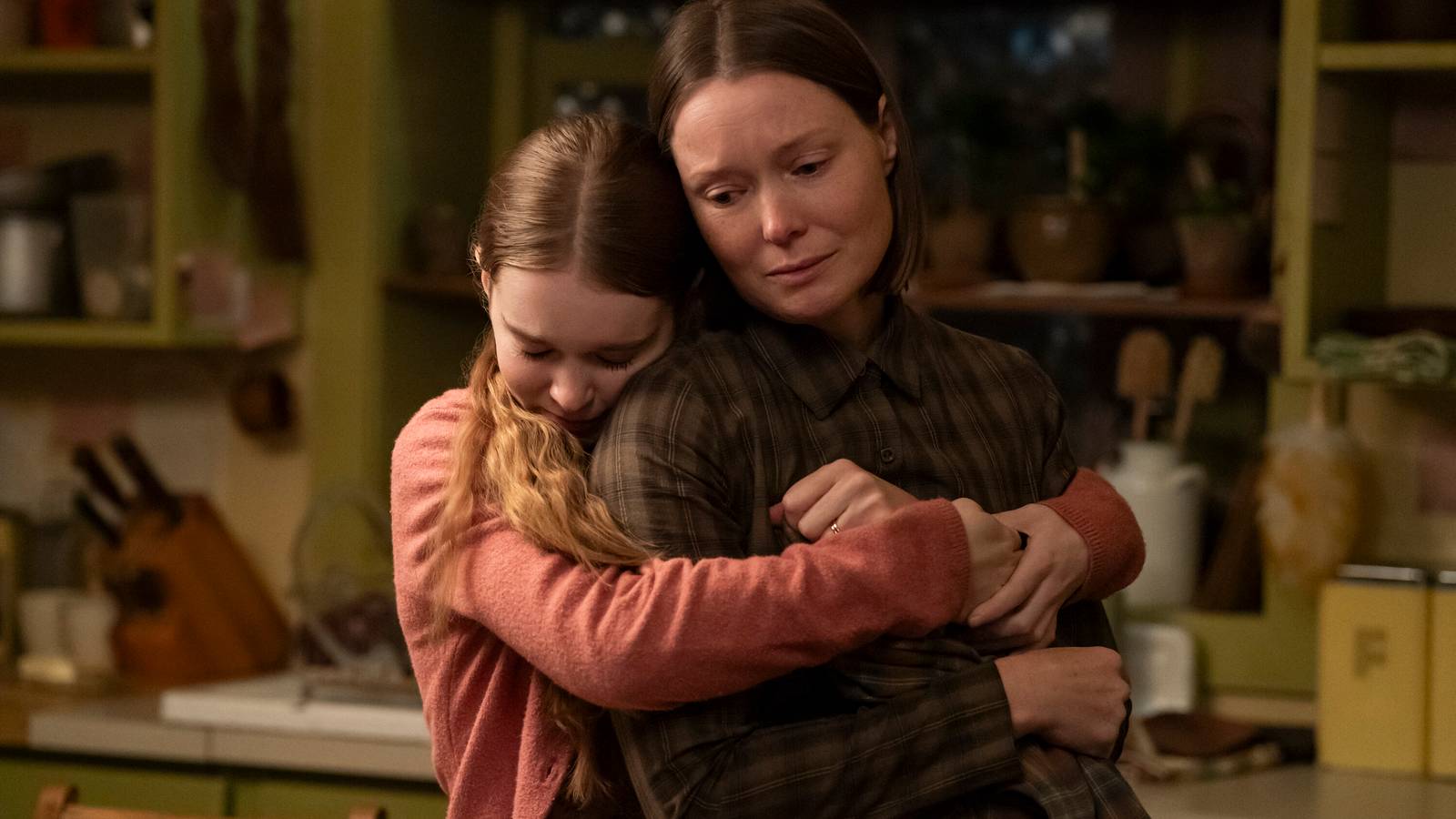
Central to this structural shift was a radical proposition: what if Carrie and Margaret genuinely loved each other? While the classic iterations of the story depict a purely nightmarish, hellish home life designed to alienate Carrie completely from the world, Flanagan’s version paints a more tragic picture. In this adaptation, Carrie’s home life features genuine, if deeply flawed and emotionally warped, affection. Her father, before his absence, cared for her, educated her, and genuinely wanted her kept safe. Margaret, too, desires nothing more than to shield her daughter from a cruel world—even if her methodology involves profound emotional suppression.
Updating the Bullying Narrative for the Digital Age
To resonate with a contemporary audience, the series updates the systemic cruelty Carrie faces at school. Rather than traditional analog torment, Carrie’s primary tormentor, Chris Hargensen (played by Alison Thornton), launches an anonymous Instagram account dubbed "Carrie Red" to circulate malicious rumors and humiliate students across the school.
In a surprising narrative twist, Margaret White enters the digital age. Rather than shunning technology entirely from the outset, Margaret weaponizes it. She creates her own social media presence, rallies an online movement, and successfully exposes the student behind Carrie Red. However, the intoxicating nature of internet validation soon captures Margaret. Her anti-bullying crusade rapidly spirals out of her control, adopting a dangerous, violent edge that she refuses to halt, proving that even pious figures are susceptible to the digital mob.
Supporting Data and Character Evolutions
Sloyan’s body of work within the Mike Flanagan television universe highlights an impressive acting range, shifting effortlessly from deeply empathetic figures to irredeemable zealots:
The Haunting of Hill House (Netflix): Sloyan played Leigh Crain, offering a calming, grounded presence.
The Midnight Club (Netflix): She took on the role of a mysterious herbalist harboring dark, hidden secrets.
Midnight Mass (Netflix): Sloyan delivered a breakout, career-defining performance as Bev Keane, a scheming, self-righteous, and fundamentally unrepentant religious fundamentalist.
Prime Video’s Carrie: She synthesizes these disparate elements into Margaret White, blending systemic dogmatic control with humanized maternal desperation.
Official Responses and Creative Insights
The collaborative dynamic between Mike Flanagan and Samantha Sloyan forms the creative heartbeat of this new series. Flanagan, who acts as showrunner, does not mince words when assessing his lead actress’s capabilities, calling her "honestly one of the best actors I’ve ever met."
In an exclusive interview, Flanagan elaborated on the paradox of casting Sloyan in villainous or antagonist roles:
"It’s so counterintuitive because Sam is maybe the least villainous person I’ve ever met. Sam’s one of the kindest, most egoless people I’ve ever encountered. That’s one of the things that makes her so extraordinary. Sam approaches the world with a profound empathy and she approaches these villainous characters with the same empathy. She’s very fast to say, ‘Oh yes, I know that they’re an antagonist. I know that they’re a villain, but not in their mind. In their minds, they’re the hero, they’re the victim.’ She leans so fully into that perspective and is so determined to truly see the world through their eyes."
Sloyan herself echoes this philosophy regarding her creative process. When building characters like Margaret White or Midnight Mass’s Bev Keane, she actively refuses to view them through a standard "villain" lens, because doing so distorts the integrity of their choices.
"If I love my daughter, I’m willing to do absolutely anything to protect her, then what happens next? Margaret isn’t interested in becoming modern in any way. She’s not interested in entering this stream at all. All of her decisions are really aggressive and trying to shut things down. She says in one episode, ‘We’ll get back to normal soon enough.’ Her goal is to put Carrie back in that house. At the core, I think that she’s wrong."
Reflecting on how this performance contrasts with her past work as Bev Keane—a woman driven by a desire for personal empowerment, validation, and spiritual superiority—Flanagan notes the incredible trajectory of Sloyan’s performances:
"What she accomplishes in Carrie is in so many ways the opposite of that [Bev Keane]. It was such an extraordinary opportunity to take a character who has always been this fanatical abuser, who hates and fears her daughter so much, and to have that character be driven by a love for Carrie that she doesn’t know how to express, she doesn’t know how to keep her safe, and that love hurts her daughter. Sam commits to that so fully."
Implications for the Horror Genre and Prime Video
Prime Video’s upcoming release of Carrie signifies a crucial shift in how legacy intellectual properties are adapted for streaming television. Rather than relying on nostalgic mimicry or cheap jumpscares, prestige horror showrunners are utilizing long-form storytelling to humanize classic monsters and antagonists.
By restructuring Margaret White from a flat archetype of religious abuse into a complex, digitally fluent, and genuinely affectionate yet profoundly misguided mother, Flanagan and Sloyan elevate the material into a commentary on modern digital hysteria, parental anxiety, and the terrifying nature of righteous intent. If Sloyan’s past performances in the Flanagan canon are any indicator, her portrayal of Margaret White will challenge audiences to wrestle with a deeply uncomfortable truth: sometimes, the most destructive horrors are executed under the banner of unconditional love.