

Long before the Marvel Cinematic Universe (MCU) streamlined the cape-and-cowl blueprint and DC standardized interconnected cinematic multiverses, television was a wild west for superpower narratives. In the mid-2000s, networks and studios were still figuring out how to adapt comic-book sensibilities for serialized television without alienating mainstream audiences. Shows like The 4400 treated sudden supernatural gifts as a sprawling, government-monitored sci-fi mystery, while Syfy’s Alphas later reinterpreted abilities through the lens of complex, neurological conditions plagued by severe real-world trade-offs. Even modern satirical juggernauts like Amazon Prime’s The Boys thrive on this subversive DNA, turning superpowered individuals into cynical corporate commodities and volatile liabilities.
Yet, before all of these modern deconstructions arrived, NBC’s Heroes premiered in September 2006, standing as a towering pillar of ambition. Created by Tim Kring, the series arrived right as the modern superhero boom was taking shape, yet it completely rejected traditional comic book camp in favor of grounded, character-driven human storytelling. Now readily available to stream on platforms like Pluto TV and Tubi, Heroes remains a fascinating snapshot of a time when the genre was unpredictable, deeply human, and willing to take massive narrative swings—even if those swings occasionally landed the series in turbulent waters.
Main Facts: The Blueprint of Ordinary Exceptionalism
At its core, Heroes discarded the traditional superhero tropes of secret identities, spandex costumes, and vigilante justice. Instead, it focused on an ensemble cast of everyday people—ranging from a wide-eyed Japanese office worker to a tormented painter in New York City—as the sudden manifestation of unexplainable, god-like abilities slowly altered their daily lives.
As the series progressed, these seemingly disparate stories inevitably collided under the looming shadow of an apocalyptic threat, epitomized by the iconic and chilling line: "Save the cheerleader, save the world."
Rather than focusing on crime-fighting, Heroes explored the psychological, emotional, and social fallout of ordinary people suddenly thrust into extraordinary circumstances. The series treated powers not as cool party tricks or noble tools of justice, but as burdens, medical anomalies, and existential terrors.
Chronology: The Rise, Peak, and Turbulent Trajectory of the Series
1. The Genesis and Conceptualization (2005–2006)
Tim Kring originally conceived Heroes as a sweeping, novelistic television experience. Having worked on other television projects, Kring wanted to tap into a collective cultural anxiety following the turn of the millennium. In interviews with outlets like Inverse, Kring noted that the core appeal was rooted in taking characters who were "not just anonymous, but hyper-anonymous," and colliding them with the impossible. The goal was to ask a simple, resonant question: What would an ordinary, flawed human being actually do if they woke up tomorrow with the power of a god?
2. The Critical Triumph of Season 1 (2006–2007)
When Heroes debuted on NBC in September 2006, it was an instant cultural juggernaut, drawing massive ratings and critical acclaim. The first season functioned as a tightly wound mystery thriller. Viewers were introduced to a sprawling ensemble cast:
- Hiro Nakamura (Masi Oka): An enthusiastic Japanese office worker who discovers he can bend time and space at will.
- Peter Petrelli (Milo Ventimiglia): A hospice nurse who unconsciously absorbs and mimics the powers of those around him.
- Claire Bennet (Hayden Panettiere): A high school cheerleader possessing rapid cellular regeneration.
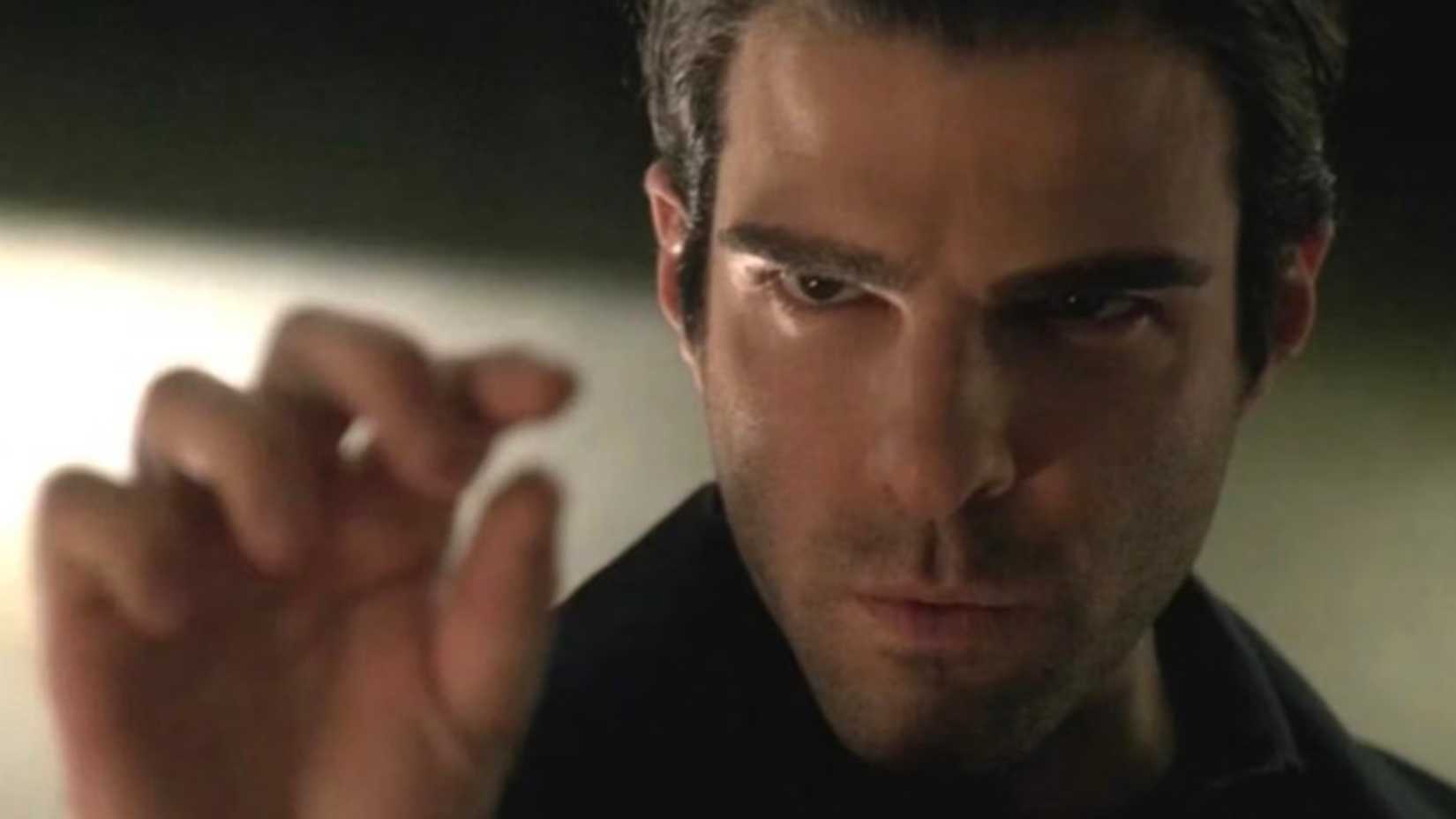
- Sylar / Gabriel Gray (Zachary Quinto): A watchmaker whose innate ability to understand how things work curdles into a murderous compulsion to steal others’ powers.
The season balanced world-building, character development, and serialized suspense masterfully, culminating in a climactic showdown in New York City.

3. The Writer’s Strike and Subsequent Creative Stumbles (2007–2010)
Despite its explosive start, Heroes struggled to maintain its narrative momentum. The 2007–2008 Writers Guild of America (WGA) strike severely disrupted the production of Season 2, forcing a shortened run and a rushed storyline centered around the "Shanti Virus."
Subsequent seasons attempted to recapture the magic of Season 1 by introducing new volumes (such as Villains and Fugitives), but the series suffered from narrative bloat, cyclical character arcs, and a tendency to continuously reset the stakes. NBC ultimately canceled Heroes in 2010 after four seasons. A revival miniseries, Heroes Reborn, aired in 2015, attempting to re-engage fans, but it failed to spark a permanent return for the franchise.
Supporting Data: Character Analysis and Unique Power Mechanics
What truly set Heroes apart from its contemporaries was its imaginative reimagining of standard superhero abilities. The writers consistently asked how a specific power would physically and emotionally manifest in the real world.
- Hiro Nakamura and the Weight of Time Travel: Hiro’s introduction was a breath of fresh air. Instead of being a stoic warrior, he was a pop-culture-loving nerd whose reaction to teleportation and time manipulation was pure, unadulterated joy. However, as the series progressed—including his pivotal trip to 1977—Hiro learned that tinkering with the timeline carried devastating personal and global consequences. His optimism constantly collided with the harsh realities of fate.
- Claire Bennet and Visceral Immortality: Hayden Panettiere’s portrayal of Claire Bennet revolutionized how healing factors were depicted on screen. Instead of presenting immortality as a clean, painless power-fantasy, Heroes embraced the body horror of regeneration. Early scenes showing Claire casually resetting her own snapped neck or testing the limits of her mortality by jumping off water towers established an unsettling, visceral tone. The gifts in Heroes could be as disturbing as they were awe-inspiring.
- Sylar and Intellectual Horror: Zachary Quinto’s portrayal of Sylar transformed the traditional comic book villain. Rather than seeking world domination out of malice, Sylar’s superpower was an intuitive understanding of mechanics. This warped into an insatiable intellectual hunger: to understand a power, he felt he had to examine the brain of the person who wielded it. The scenes involving his victims—where he violently removed the top of their skulls—shifted the genre into a psychological horror thriller, cementing Sylar as one of the most terrifying antagonists in television history.
- Supporting Anomalies: The show also played with sound and emotion. Emma Coolidge (Deanne Bray) visualized sound waves as physical light and color, translating her deafness into a unique synesthetic superpower. Meanwhile, Ted Sprague (Matthew John Armstrong) generated intense, uncontrollable radiation brought on entirely by emotional stress and panic, highlighting how psychological trauma could trigger catastrophic physical outbursts.
Official Responses and Industry Perspectives
At the time of its airing, network executives and creators frequently discussed the unique hurdles of producing a serialized sci-fi drama on network television. Tim Kring noted in retrospective interviews that Heroes was attempting to build a cinematic-style mythology on a weekly television production schedule—a feat that proved nearly impossible to sustain over multiple 22-episode seasons.

Cast members have frequently looked back on the series with fondness, acknowledging its cultural impact. Zachary Quinto’s breakout performance as Sylar launched him into major Hollywood roles, including Spock in J.J. Abrams’ Star Trek franchise. Similarly, Hayden Panettiere’s role cemented her as a defining icon of 2000s pop culture television.
Critics reviewing the show in retrospect often point out that Heroes suffered from "success syndrome." NBC pressured the creative team to keep popular characters alive and expand episode orders, diluting the tight, novelistic pacing that made the first season a masterpiece.
Implications: The Legacy of Heroes in Modern Media
Looking back at Heroes from the vantage point of the mid-2020s reveals just how influential the series was. Today, major studios are actively trying to inject grounded, human-scale storytelling into the superhero genre. Upcoming and recent productions like Marvel’s Wonder Man or DC’s Lanterns frequently utilize the "grounded investigator" or "ordinary person in an extraordinary world" template that Heroes helped pioneer on television.
Back in 2006, wrapping a superhero narrative inside a pseudo-high-school melodrama and geopolitical conspiracy thriller felt completely revolutionary. While the series ultimately wandered off course in its later seasons, it never compromised its core thesis: superpowers are only as fascinating as the fragile, complicated, and deeply flawed people wielding them.
By stripping away the shiny spandex and focusing entirely on human vulnerability, Heroes created a distinct television legacy. It proved that audiences were hungry for superhero stories that prioritized character study over spectacle—a lesson that continues to shape the genre to this day.

