

Main Facts: The Feature Causing Chaos in the DMZ
Just 24 hours after the launch of Call of Duty: Modern Warfare 4, the game’s flagship extraction mode, DMZ, has found itself at the center of a heated community debate. At the heart of the controversy is a newly introduced operator trait called "Possum."
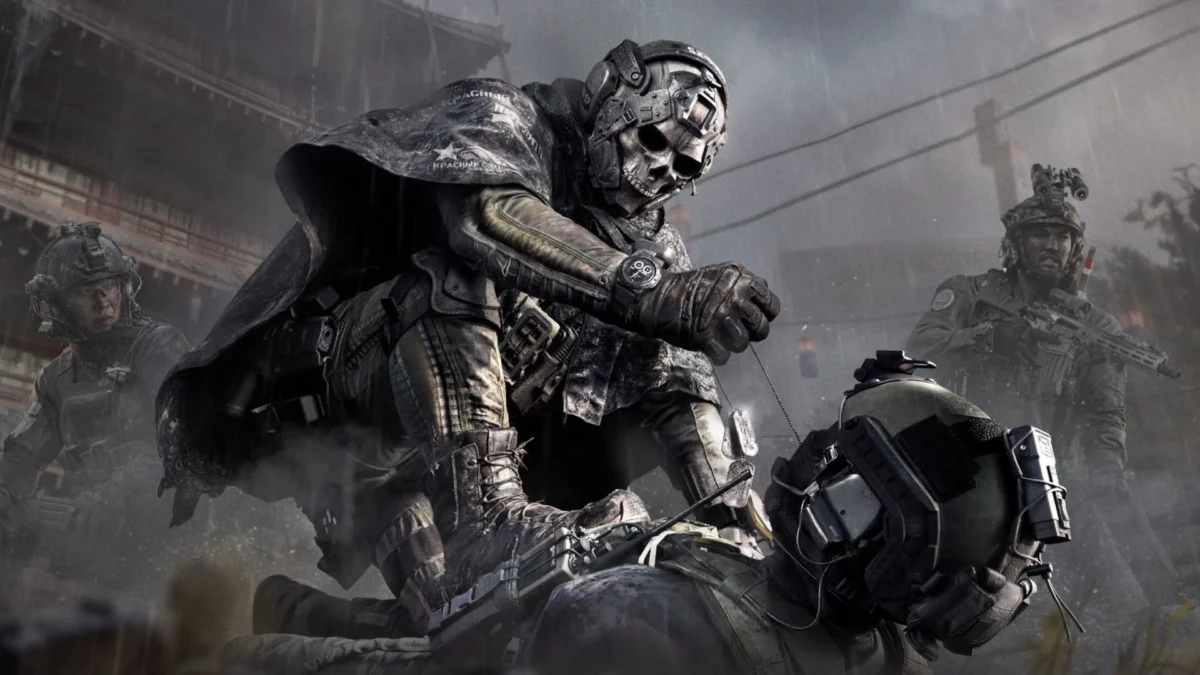
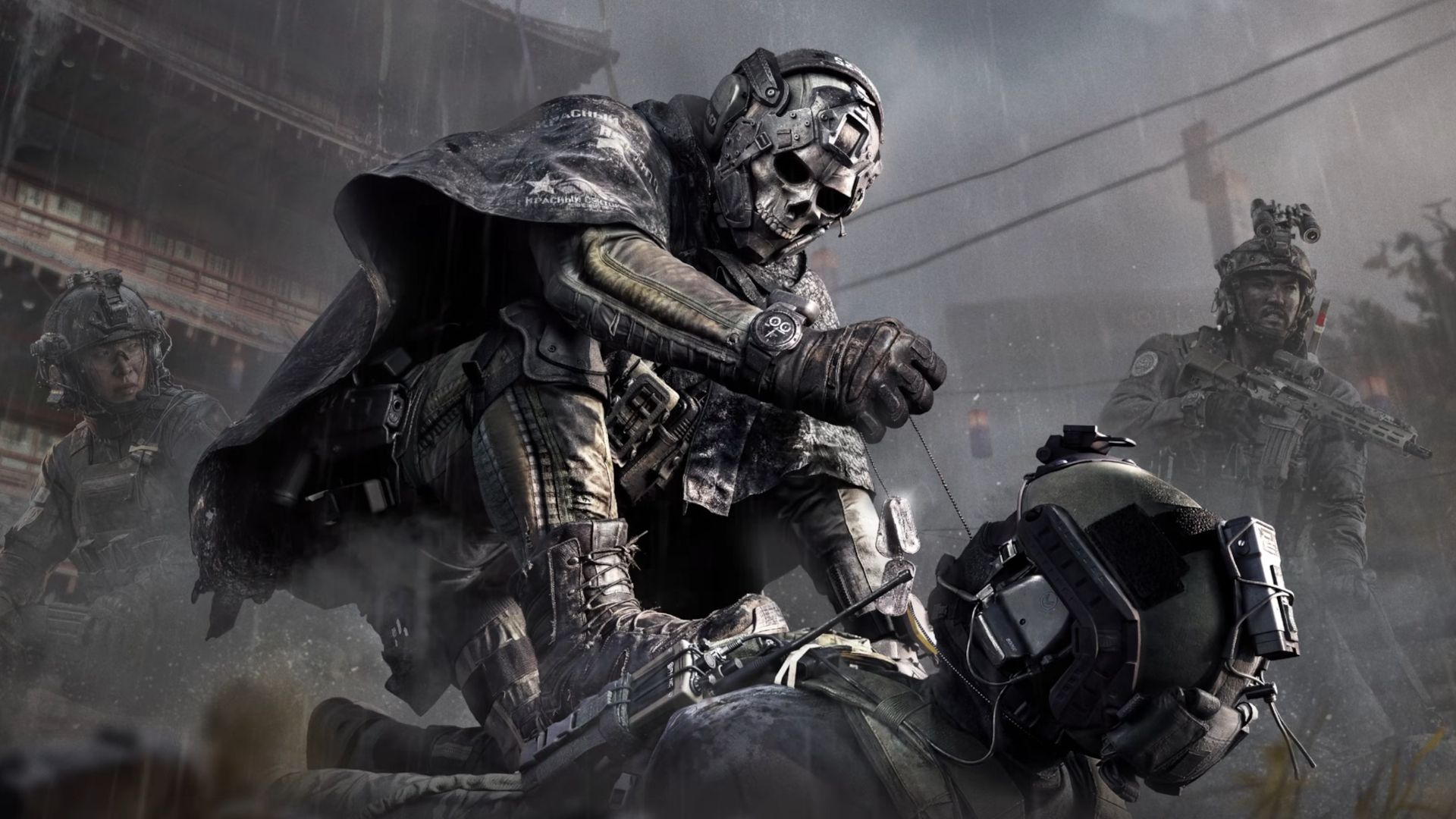
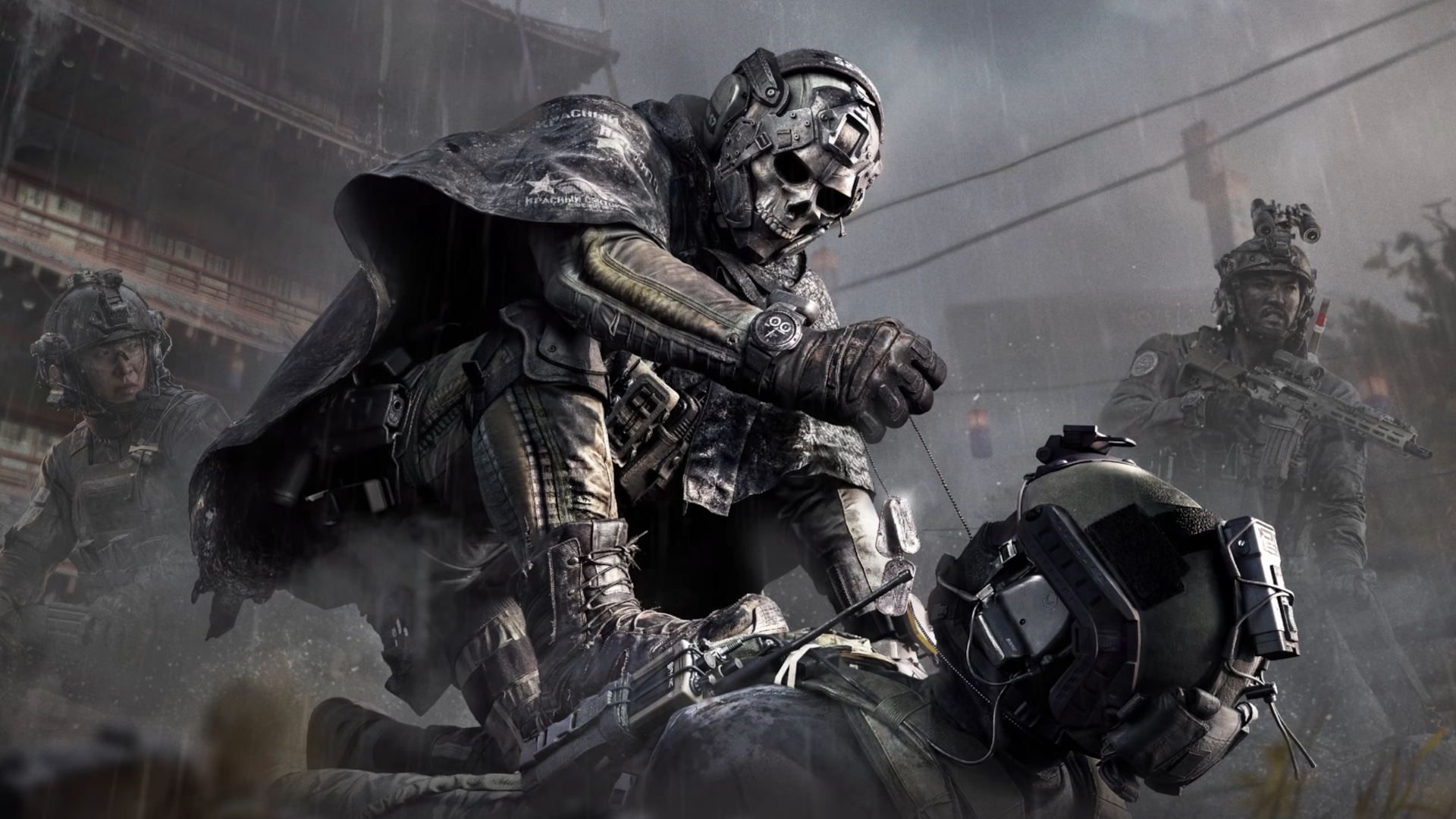
Accessible relatively early in the Warfighter skill tree, the Possum trait allows a player once per match to experience a complete death, transition into a fully lootable, stone-cold corpse, and then spring back to life into a "last stand" state. Unlike standard down-but-not-out (DBNO) mechanics available to players from level one—where a character remains conscious and mobile on the ground—Possum turns the operator into a convincing, inert dead body before orchestrating a surprise resurrection.
While proponents view the mechanic as a clever survival tool designed to help players escape hostile territory after a defeat, PvP enthusiasts and community veterans are labeling it fundamentally broken. Viral clips circulating on platforms like X (formerly Twitter) and Reddit show victorious players turning their backs on freshly looted bodies only to be shot execution-style from behind by the operators they had just ostensibly eliminated.
The mechanic has reignited long-standing industry debates regarding balance in extraction shooters, where the high-stakes reward of player-versus-player (PvP) combat can be instantly undermined by hidden, unpredictable safety nets.
Chronology: From Launch Day Discovery to Meta Crisis
Day One: The Launch and the First Influx
Call of Duty: Modern Warfare 4 arrived with massive global anticipation, bringing significant updates to its extraction-based DMZ mode. As players raced to unlock nodes within the revamped Warfighter skill tree, many prioritized tree-beelining for traits that promised survivability in high-risk zones.
Hours 12–24: The Clips Begin to Surface
By the end of the first day, players utilizing the Possum trait began testing its limits in live lobbies. Content creators and casual gamers alike realized the psychological and tactical power of the perk. The first major wave of panic hit social media when X user @xFleXy_ published a clip showing a player completely eliminating an opponent wearing a white operator skin, only for that same opponent to suddenly spring up seconds later and secure the reverse kill.
The Counter-Narrative: The Stealth Use Case
As panic threatened to overwhelm community forums, prominent Call of Duty creators such as JGOD published counter-demonstrations illustrating the intended, passive utility of the perk. In these controlled examples, players used Possum not to ambush immediate victors, but to play dead for extended periods—sometimes up to three minutes—waiting patiently while enemy squads looted their gear, abandoned the area, and successfully exfilled.
Present Day: Calls for Structural Reform
With conflicting styles of play colliding, the community has quickly polarized. Current discussions center on whether Infinity Ward will implement emergency hotfixes, alter trait timings, or introduce environmental mechanics to neutralize the lingering threat of fallen bodies.
Supporting Data and Technical Mechanics
To understand why Possum is dominating community discourse, it is necessary to examine how the trait operates mechanically within the ecosystem of Modern Warfare 4’s DMZ mode.
- Frequency: Limited to exactly one use per match.
- Progression Requirement: Available early in the Warfighter skill tree; attainable within a handful of dedicated matches.
- Activation State: Triggers upon fatal damage, transitioning the player into a lootable corpse state rather than a standard DBNO crawling phase.
- Recovery Process: Requires a delayed self-revive sequence, followed by a secondary stabilization phase utilizing a tourniquet before the player can fully stand and re-engage.
- Comparative Precedent: Functionally mirrors the "Necromancer" trait found in Crytek’s acclaimed extraction shooter, Hunt: Showdown.
While the execution is devastating in close-quarters PvP engagements, technical analysis reveals notable vulnerabilities. The self-revive sequence is not instantaneous. If a vigilant killer stays in the immediate vicinity and maintains watch over the corpse during the initial stages of the revival animation, the "Possum" player can be permanently neutralized before completing their recovery.
However, in chaotic firefights involving multiple squads, maintaining prolonged vigilance over every single eliminated target is often a tactical impossibility, creating the opening exploited in viral gameplay clips.
Official Responses and Industry Precedents
As of press time, developer Infinity Ward has not issued a formal patch note addressing the community feedback surrounding the Possum trait. However, industry insiders expect a swift reaction given the velocity of the discourse across Reddit’s r/DMZ and major streaming platforms.
The studio designed Modern Warfare 4’s DMZ to be intentionally more forgiving than hardline extraction titles like Escape from Tarkov. The inclusion of mechanics that protect player investment—such as preserving expensive operator skins and loadouts—aligns with Infinity Ward’s broader design philosophy of lowering barriers to entry for casual extraction players.
Yet, this design philosophy runs directly into the expectations of hardcore PvP combatants. The core frustration centers on the violation of an unwritten rule in tactical shooters: a confirmed kill should remain confirmed.
Lessons from Hunt: Showdown
Veterans of the genre have pointed toward existing solutions implemented by competing titles. In Hunt: Showdown, a similar self-revive mechanic is balanced by giving opposing players the environmental ability to burn enemy corpses using fire bombs, lanterns, or incendiary ammunition.
This introduces a clear tactical choice:
- Burn the body to force an immediate response or permanent death, or
- Risk leaving the corpse behind, knowing a resurrection could occur later.
For Modern Warfare 4, community leaders have suggested similar mitigations, such as introducing corpse-burning mechanics, significantly increasing the audio cues associated with the Possum revival process, or extending the required waiting period to make mid-fight revives a guaranteed death sentence.
Implications for the Future of DMZ
The controversy surrounding the Possum trait highlights a broader design challenge facing modern tactical multiplayer games: balancing the desire for deep, tactical progression trees with the absolute necessity of fair, readable player-versus-player combat.

1. The Death of Complacency
If the Possum trait remains in its current state, player behavior in DMZ will fundamentally shift. Winning a gunfight will no longer be a moment to relax, loot, and regroup. Instead, players will be forced to camp enemy boxes, empty excess ammunition into unmoving corpses, or adopt paranoid security sweeps reminiscent of survival horror games. This paranoia could alienate solo players and casual groups who rely on quick looting phases to stay ahead of the map’s tightening radiation zones.
2. Meta Shift in Loadouts
Should Infinity Ward choose to leave the trait untouched, meta loadouts may adapt to include high-explosive equipment or sustained suppressive fire techniques specifically designed to desecrate enemy bodies, ensuring that fallen operators cannot pull off miraculous last-second reversals.
3. The Balancing Act for Infinity Ward
Infinity Ward stands at a critical juncture. The developers must weigh the satisfaction of players who enjoy building resilient, trick-heavy operators against the competitive integrity demanded by the game’s high-tier PvP community. Whether they choose to nerf the activation speed, add audio-visual warnings, or introduce anti-corpse mechanics, the ultimate fix will dictate how trust is maintained in the extraction shooter ecosystem for months to come.
As the dust settles on the opening week of Call of Duty: Modern Warfare 4, one reality remains clear: playing dead has never been so alive, and the community will be watching closely to see how the developers respond to the most controversial perk in DMZ history.

