

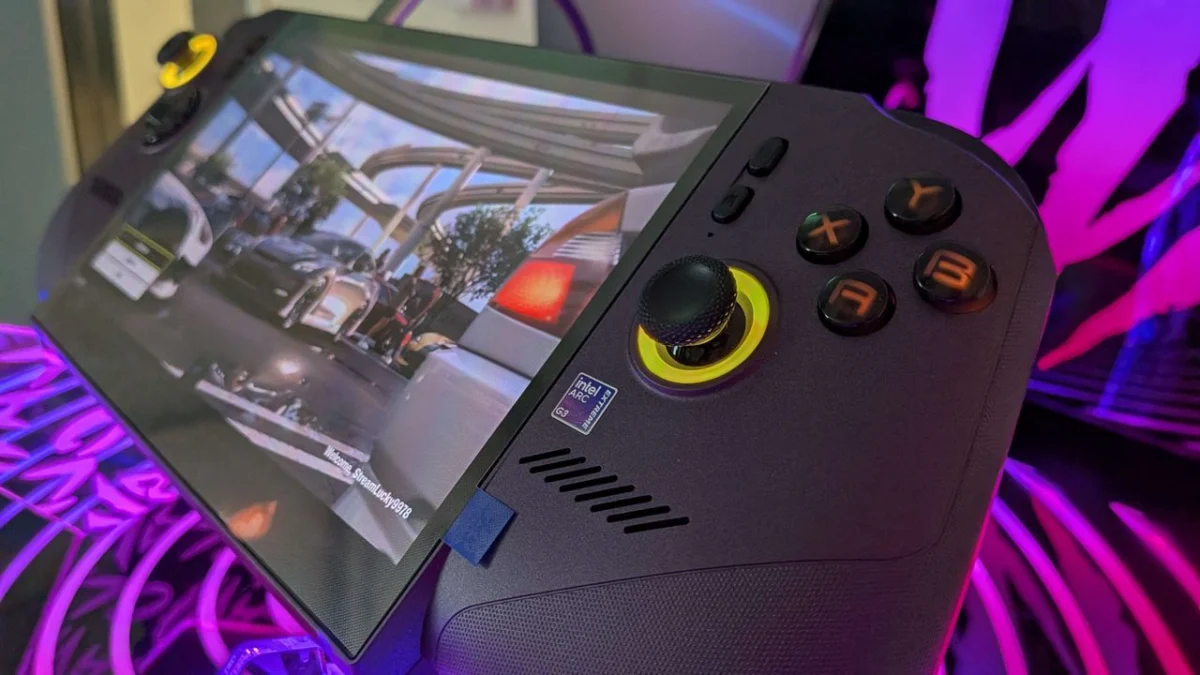
The handheld gaming landscape is undergoing a tectonic shift. For years, Valve’s SteamOS—the Linux-based operating system that powers the industry-defining Steam Deck—has been inextricably linked to AMD’s semi-custom APUs. While enthusiasts have long clamored for the ability to install Valve’s console-like interface on non-Steam Deck hardware, the path forward has been exclusively paved with AMD silicon.
That monopoly on compatibility is officially beginning to crumble. A recent beta release of SteamOS (version 3.8.7) has introduced foundational support for Intel-based hardware, marking a significant milestone for the portable PC gaming ecosystem. This development suggests that Valve is moving toward a more platform-agnostic future, potentially setting the stage for a new generation of handhelds that favor Intel’s latest Core Ultra architectures.
The Chronology of SteamOS Accessibility
To understand the magnitude of this news, one must look back at the trajectory of Valve’s software strategy. When the Steam Deck launched in 2022, SteamOS was a walled garden. It was highly optimized for the custom AMD chip inside the Deck, and Valve expressed little interest in making it a "downloadable OS" for the general public.
However, the rapid explosion of the Windows-based handheld market—led by devices like the Asus ROG Ally, the Lenovo Legion Go, and various iterations of the MSI Claw—forced a change in strategy. Valve began releasing "preview" builds of SteamOS, initially targeting the Lenovo Legion Go. This served as a proof-of-concept that the software could be adapted for third-party screens, controllers, and chipsets.
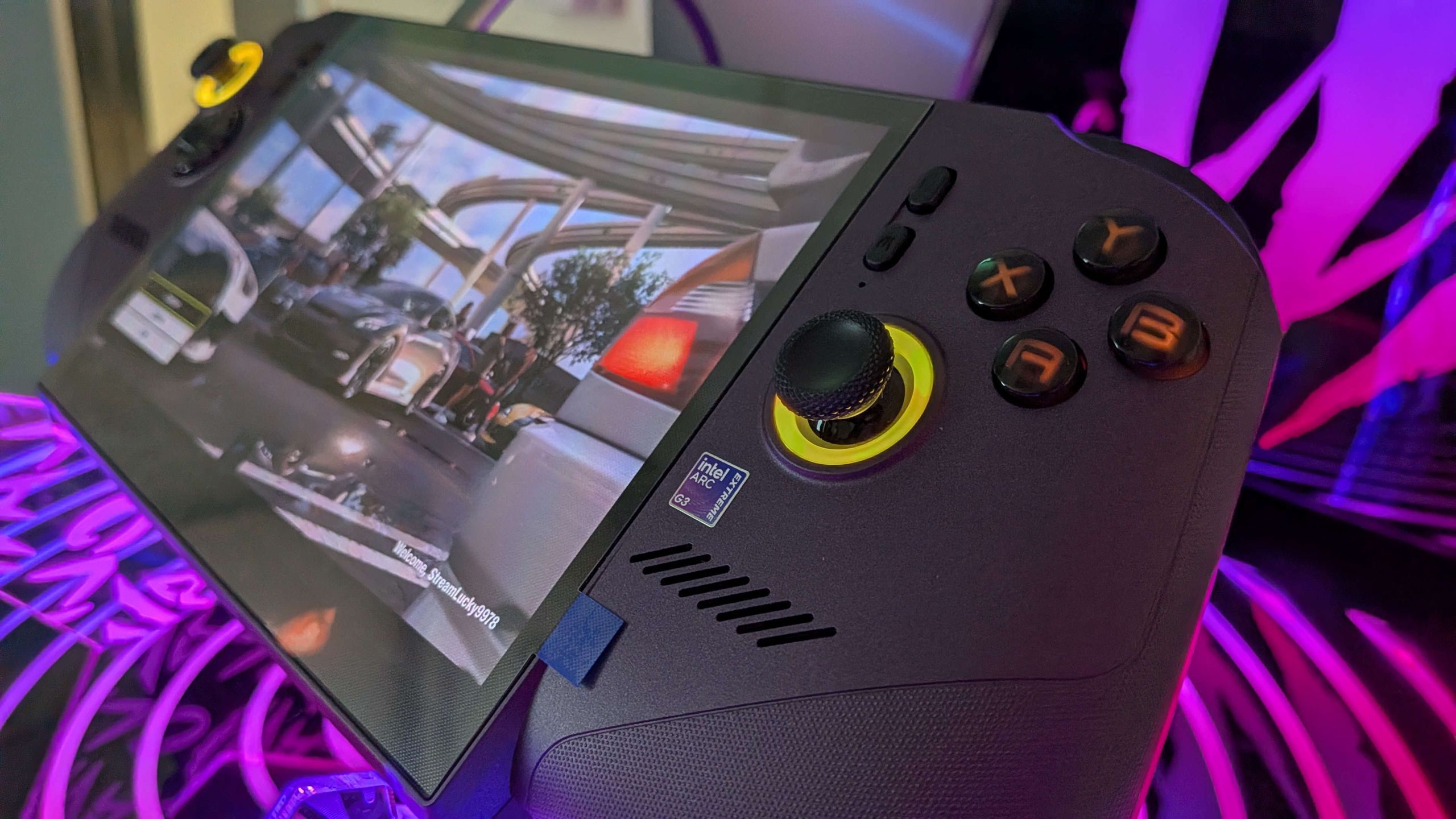
The "AMD-only" limitation remained the final hurdle for months. While AMD handhelds gained experimental support, Intel users were left out in the cold. That changed abruptly with the 3.8.7 beta update. Not only does this update include "improved compatibility with recent Intel and AMD platforms," but it explicitly references controller support for the MSI Claw series—a device that, until recently, had been the flagship example of Intel’s struggle to compete in the handheld space.
Supporting Data: Testing the Intel Frontier
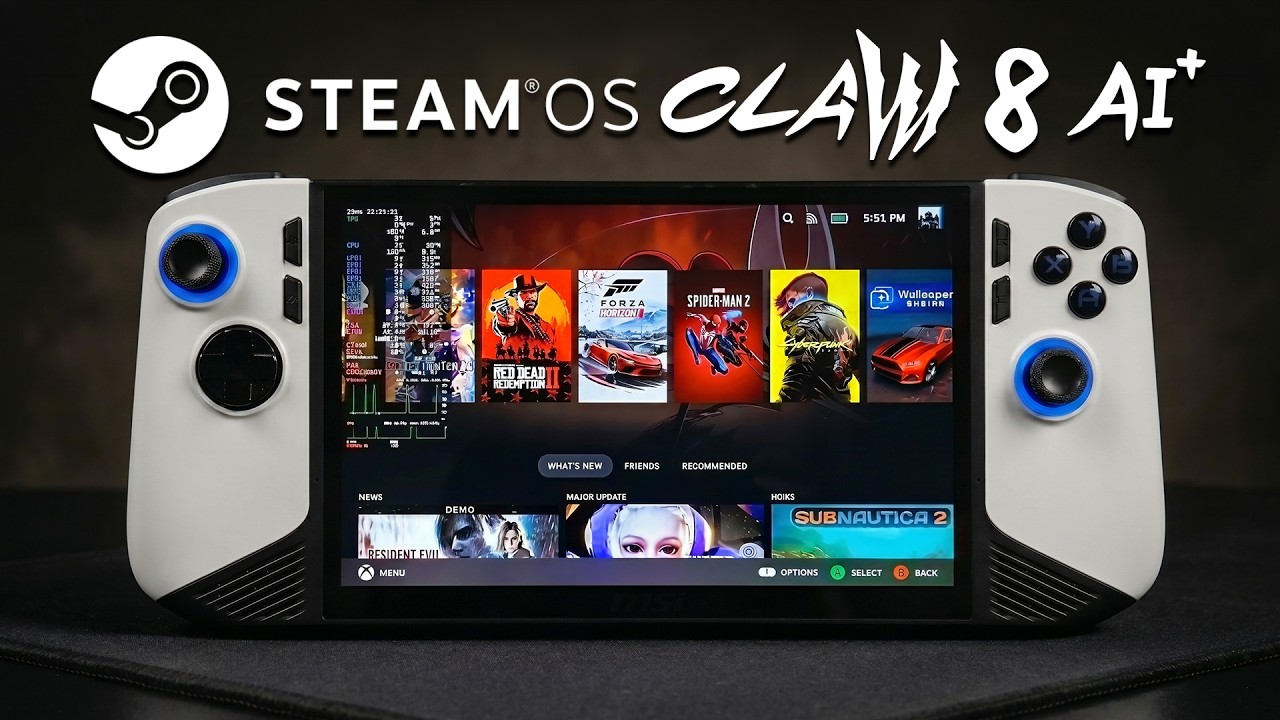
The shift from theoretical support to practical usability was validated by popular hardware analyst and YouTuber ETA Prime. Using an MSI Claw 8 AI+—powered by Intel’s cutting-edge "Lunar Lake" Core Ultra 7 258V processor—the testing confirmed that SteamOS can, indeed, boot and run on Intel silicon.
Technical Performance and Limitations
While the OS is functional, the experience is currently far from polished. Several critical issues persist in this early beta state:
- Interface Navigation: Users have reported difficulty triggering the Steam menu via the dedicated physical buttons. As a workaround, users must frequently switch to "Desktop Mode" and utilize mouse input to manage settings, which undermines the "console-like" experience Valve aims to provide.
- Power Management: TDP (Thermal Design Power) controls are currently inaccessible within the standard SteamOS overlay. On the Steam Deck, this is a vital feature for balancing performance and battery life. For Intel users, this necessitates the installation of third-party plugins or community-made tools to manipulate wattage, highlighting a clear gap in the current implementation.
- Optimization Gaps: In head-to-head testing, titles like Cyberpunk 2077 demonstrate superior performance when running under Windows compared to this early SteamOS beta. This is largely expected, as the Intel drivers within the Linux kernel are still being fine-tuned for gaming workloads.
Despite these hurdles, the fact that the OS boots and handles hardware-level tasks like "SD card readability" suggests that Valve is actively working to bridge the gap between their custom-tuned Linux environment and the unique architecture of Intel’s latest mobile processors.
Official Responses and Strategic Implications
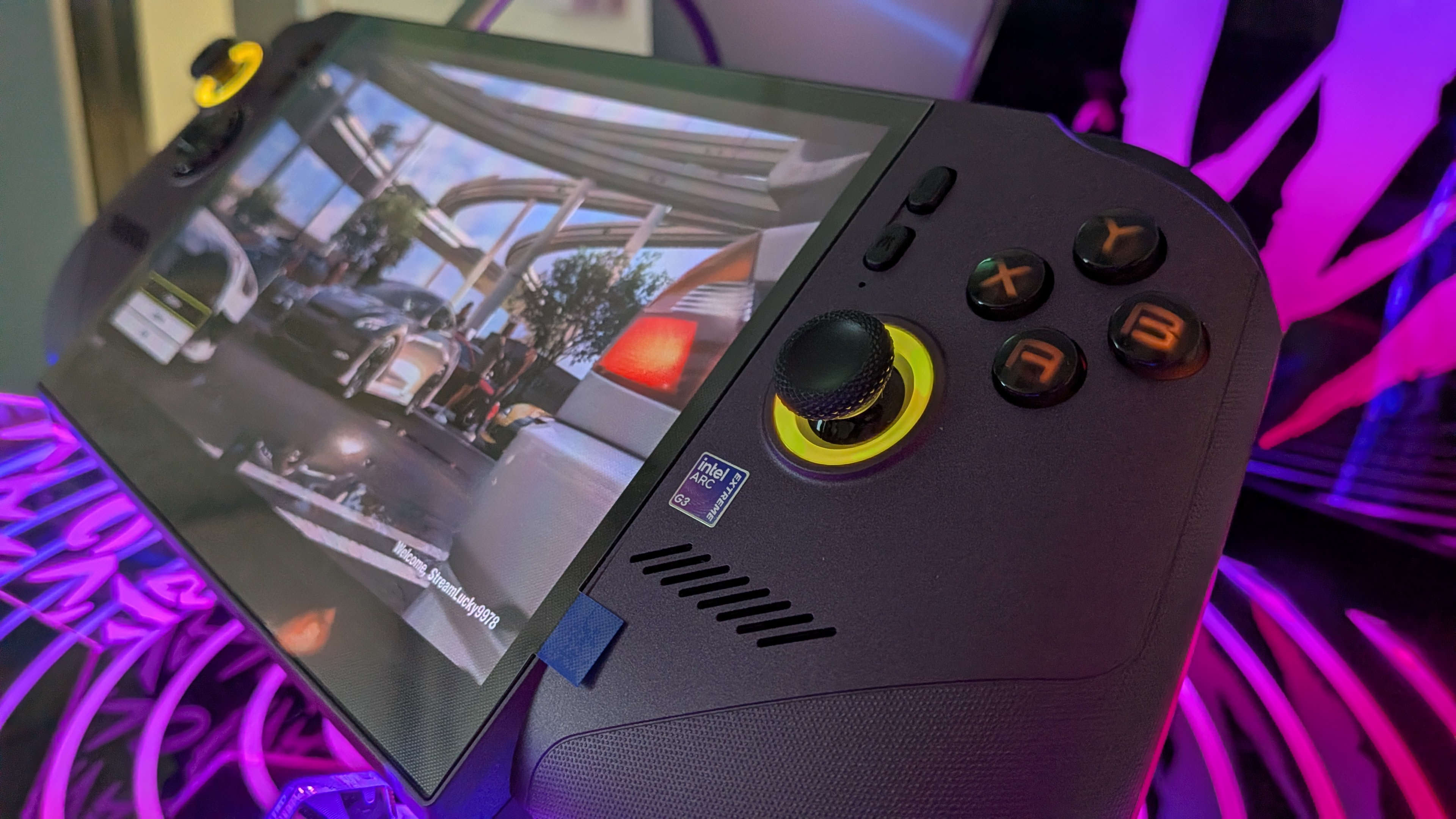
Valve has remained characteristically quiet regarding a full, public release of a "universal" SteamOS. However, the release notes for version 3.8.7 are quite telling, explicitly mentioning "initial firmware for upcoming Intel handhelds." This phrasing indicates that Valve is collaborating, at least on a software level, with hardware manufacturers to ensure their upcoming devices are ready for a SteamOS-first or SteamOS-compatible future.
For MSI, this is a massive boon. The company has struggled to find its footing with the original MSI Claw, which faced significant criticism regarding its performance-per-watt ratio compared to AMD-powered competitors. With the upcoming release of the Panther Lake-powered Claw 8 EX AI+, the ability to run SteamOS could be the "killer app" that saves the product line. If the device can offer a seamless, console-like interface that bypasses the resource-heavy overhead of Windows, it could finally become the contender MSI intended it to be.
The Future of Handheld Gaming: A Platform-Agnostic Dream?
The broader implication here is a move toward a fragmented yet standardized portable market. If Valve succeeds in bringing SteamOS to Intel, it effectively neutralizes the primary software advantage the Steam Deck has held for three years.
Why This Matters for the Consumer
- Choice in Silicon: Consumers will no longer be forced to choose between an AMD-powered device (for better OS compatibility) and an Intel-powered device (for potential productivity or specific driver needs).
- Increased Competition: If manufacturers can offer a "SteamOS-ready" device, the pressure on Valve to produce a Steam Deck 2 will intensify, potentially driving down prices and increasing innovation in display technology, battery capacity, and cooling solutions.
- The "Windows Tax": Windows is a versatile OS, but it is not built for handhelds. It is bloated, update-heavy, and difficult to navigate with a controller. A fully-realized, hardware-agnostic SteamOS provides a superior user experience that could force Windows handheld makers to invest more heavily in their own software wrappers.
Challenges Ahead: The Linux Hurdle
Despite the excitement, a full transition to an Intel-compatible SteamOS is not without risks. The primary challenge remains the Linux ecosystem. Intel’s Arc graphics drivers on Linux have improved dramatically, but they are not yet as mature as the Mesa drivers that support AMD’s RDNA architecture.
For the average gamer, "it just works" is the gold standard. Until Valve can ensure that the SteamOS experience on an MSI Claw is as stable and bug-free as it is on a Steam Deck—including power profiles, quick-suspend functionality, and native button mapping—it will remain a niche endeavor for tinkerers and power users.
Conclusion: A Turning Point
The inclusion of Intel support in the latest SteamOS beta is a clear signal that Valve is looking beyond the confines of its own hardware. By expanding the reach of SteamOS, Valve is effectively turning their operating system into the "Android of handheld gaming"—a platform that can exist on various hardware configurations, thereby cementing Steam as the default storefront for the entire portable market.
While the current implementation is a rough, beta-stage experience, it represents the first step toward a future where the operating system you use is no longer dictated by the brand of the processor under the hood. For the handheld gaming industry, this is the most significant development since the release of the original Steam Deck. Whether it will be enough to challenge the dominance of Windows on portable devices remains to be seen, but for the first time, the playing field is beginning to level out.
As we look toward the next generation of handhelds, including the much-anticipated, high-end refreshes from MSI and potentially others, one thing is clear: the era of the exclusive OS is coming to an end. Whether through official support or the persistent ingenuity of the community, the freedom to choose your hardware while enjoying the SteamOS experience is finally on the horizon.

