

For a specific generation of millennials, the turn of the millennium wasn’t defined by geopolitical shifts or the dot-com bubble; it was defined by the high-velocity, plastic-on-plastic violence of the Beyblade craze. It was a time when a well-timed "let it rip" could turn a quiet living room into a gladiatorial arena. Now, that specific brand of Y2K-era kinetic joy is finding a new home in the burgeoning subgenre of "battle-top" roguelikes.
Following the earlier release of From the Top, the gaming landscape is seeing a fresh contender emerge with Slayblade, a title currently making waves in the Steam Next Fest circuit. By blending the chaotic physics of competitive top-battling with the addictive, permadeath-driven mechanics of the roguelike genre, developer Henry’s House is tapping into a vein of nostalgia that is both absurd and surprisingly profound.
The Evolution of the Battle-Top Genre
The concept of the battle-top roguelike is, in many ways, an inevitability. Roguelikes thrive on modularity—the ability to swap out components, acquire power-ups, and adapt to changing conditions. The Beyblade toy line was, at its heart, a physical manifestation of this exact logic. Players would meticulously curate their top’s "bit-chip," weight disk, and attack ring, searching for the perfect synergy to counteract an opponent’s momentum.
From the Top, which debuted earlier this year, served as the proof of concept. It proved that there was a hungry audience eager to recapture that 2003 Christmas morning feeling—the thrill of watching a customized, imported Driger V2 disintegrate an opponent’s plastic creation. However, while From the Top leaned into a darker, perhaps more brooding aesthetic, Slayblade takes a different approach. It embraces the "Toonami-core" vibrancy of the early 2000s, delivering a package that feels like a Saturday morning cartoon come to life.
Slayblade: A Masterclass in Y2K Aesthetic
Slayblade is unapologetic about its roots. From its pixelated overworld sprites to the chunky, overly engineered designs of its battle tops, the game feels like a time capsule. Yet, it manages to maintain a distinct personality, largely through its willingness to embrace the surreal.
The game places players in the shoes of a nameless, up-and-coming battler with a singular, high-stakes goal: to win the Slayblade World Championship. The narrative hook—while appropriately pulpy—adds a layer of intrigue that keeps the player grinding. Your father, a brilliant inventor of "perpetual motion" Slayblade technology, has vanished. By climbing the ranks of the professional circuit, you aren’t just playing for fame; you are searching for the truth behind a technology that promised to solve the global energy crisis before it mysteriously disappeared.
Gameplay Mechanics: The Physics of Chaos
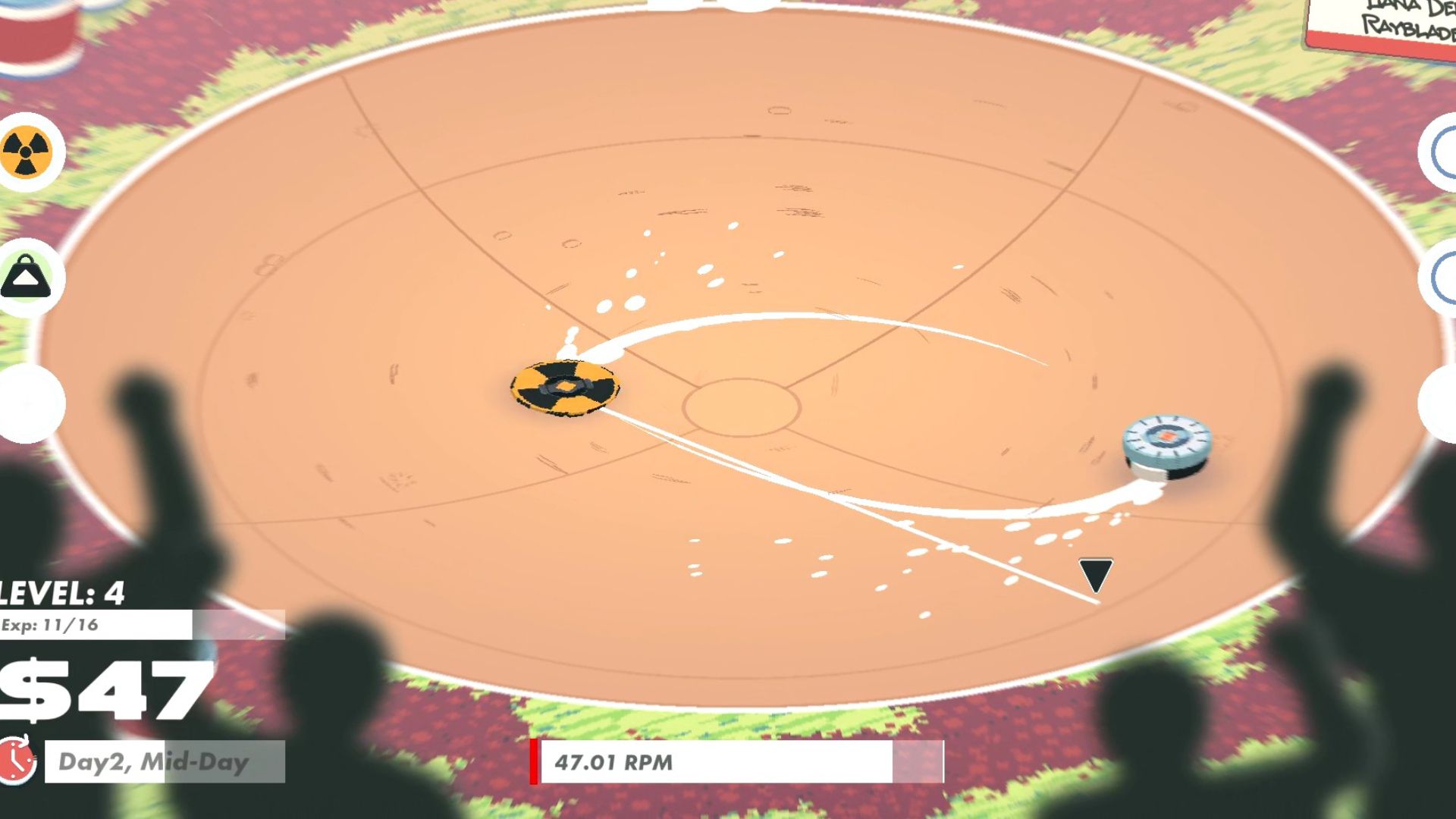
At its core, Slayblade is about the delicate balance of weight, momentum, and timing. The game divides its components into three distinct categories: heads, bodies, and tips. Each piece is not merely a cosmetic change; it fundamentally alters the physics of how your top interacts with the arena.
The Power-Up Cube Economy
The combat loop is defined by the "power-up cube." During a match, these cubes spawn within the arena, and the player must decide whether to play defensively or risk a high-speed collision to claim the upgrade. Once a cube is claimed, the active effect of your chosen components triggers.
This creates a high-stakes decision-making process. Do you prioritize defensive stability to outlast your opponent, or do you build for an explosive, offensive-heavy loadout that relies on constant movement? The synergy between parts is where the game truly shines.
Synergy and Strategic Depth
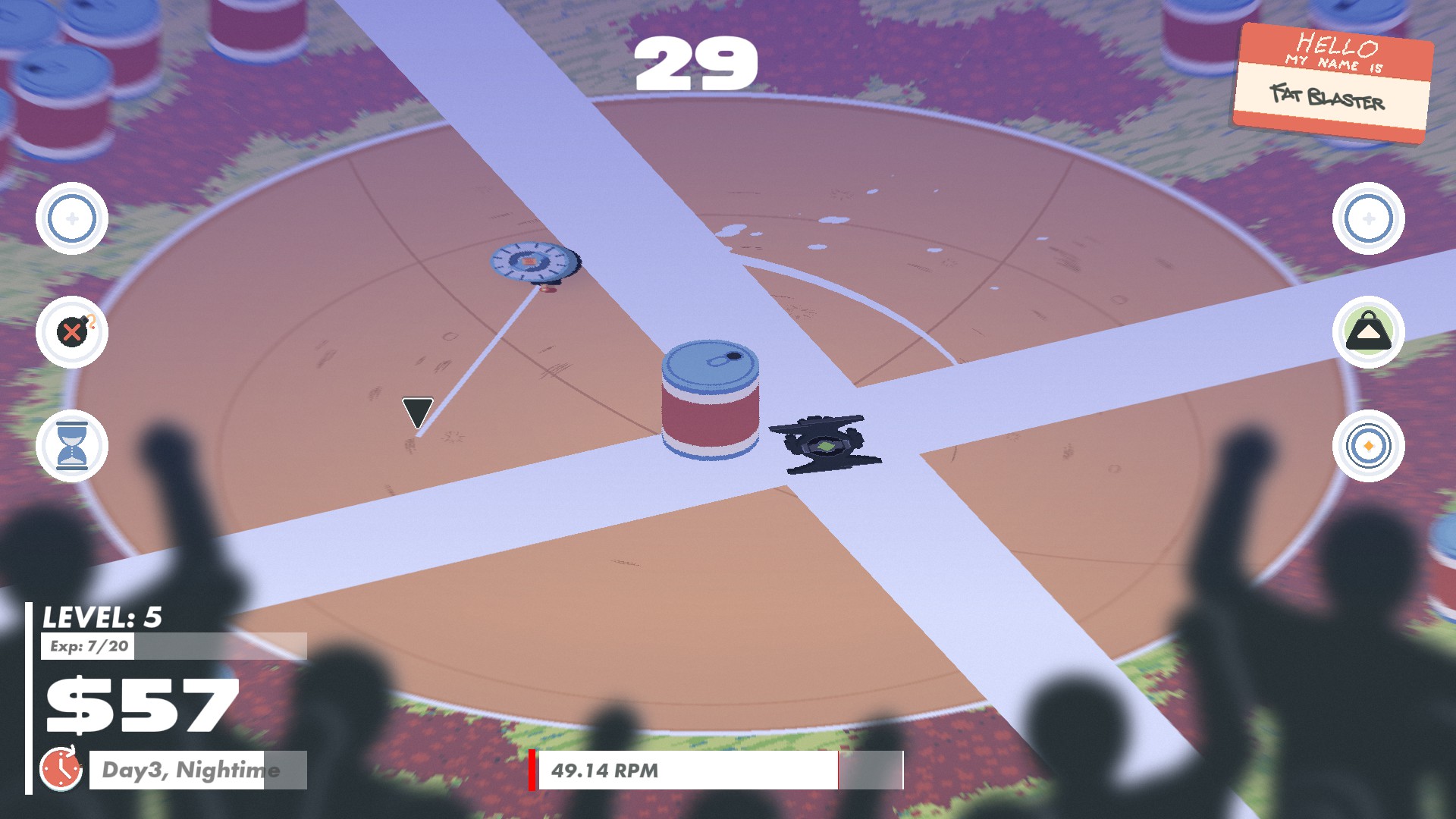
One of the most engaging aspects of Slayblade is the potential for "broken" builds. During recent playtests, players have discovered that combining disparate parts can lead to hilariously overpowered outcomes. For example, the inclusion of a Wu Tang-inspired logo component, which accelerates the spawn rate of power-up cubes, can be paired with a "Buster" body that summons spectral entities to drain an opponent’s spin.
This creates a dynamic where a player can effectively flood the arena with "vampiric phantoms," rendering the opponent’s top inert within seconds. Another notable strategy involves the "Flat Earth" tip, which fundamentally alters the terrain. By turning a curved, bowl-shaped arena into a flat plane, players can combine area-of-effect landmines with the lack of containment walls to easily knock opponents out of bounds. The tactical freedom provided by these combinations suggests a level of depth that could sustain a long-form roguelike campaign.
The World Beyond the Arena
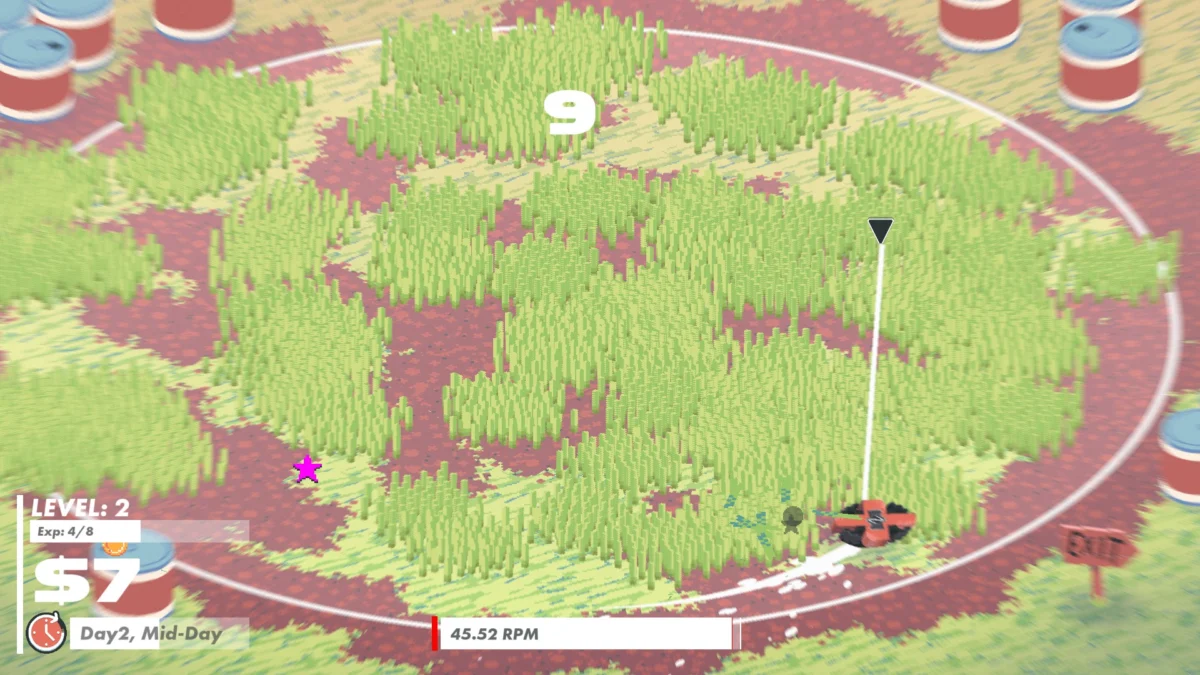
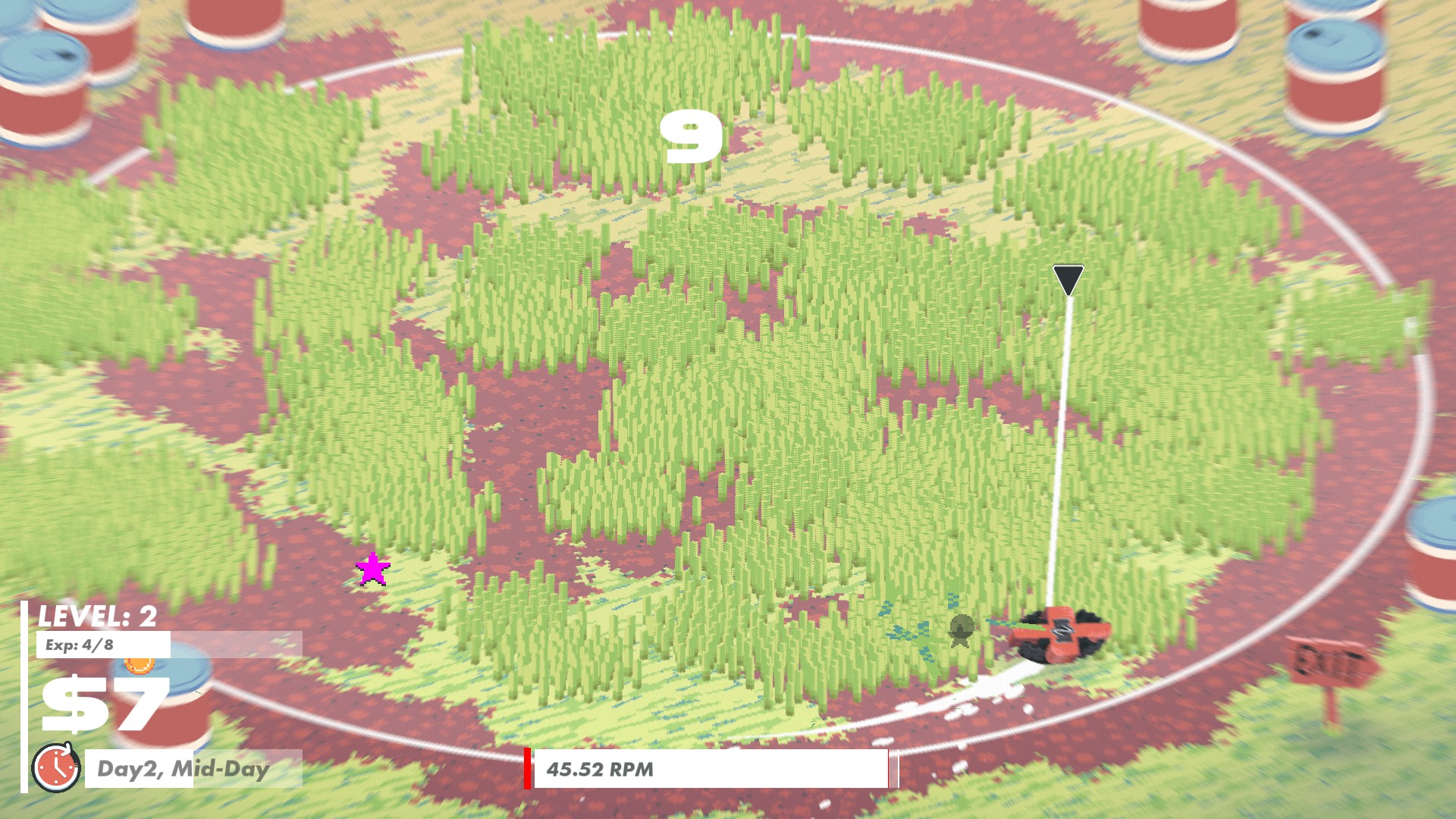
Slayblade does not confine its gameplay to the circular arenas. Between tournaments, players are free to explore a world that feels lived-in and surprisingly mundane. You can take on odd jobs—such as mowing lawns using your Slayblade—to earn extra cash and experience points.
There is also a darker, more illicit side to the game. Players can opt into "illegal" battles. While the game remains tight-lipped about the exact nature of these underground matches, the risk-reward ratio is clearly skewed toward high-stakes outcomes. This duality—the professional, sanctioned tournament circuit versus the gritty, high-risk underground—mirrors the classic "underdog story" tropes found in the source material of the genre, providing a satisfying sense of progression that goes beyond simple stat-padding.
Implications for the Indie Market
The success of the Slayblade demo highlights a significant shift in the indie gaming landscape. Developers are increasingly looking toward the niche cultural memories of the late 90s and early 2000s to find inspiration for gameplay loops. By targeting a specific demographic that grew up with Beyblade, Digimon, and Pokémon, developers are finding that they don’t need massive budgets to achieve engagement. They simply need a compelling "toy-like" mechanic and a clear understanding of the aesthetic language of the era.
Current State of Development
It is important to note that Slayblade is still in the early stages of development. The current demo, while functional, reflects a project that is still finding its footing. The part selection, while promising, is relatively limited, and the transition between the exploration phase and the tournament phase can feel abrupt. Furthermore, some of the UI and menu text still utilize placeholder assets.
However, the "rough around the edges" feel of the demo is part of its charm. It allows the community to engage with the developer, providing feedback that will likely shape the final, polished product. The developers at Henry’s House have been responsive to early feedback, suggesting that the final release could be a significant step forward for the genre.
Conclusion: A Worthy Contender
While Slayblade does not yet have a formal release date, its presence in the Steam Next Fest is a testament to its potential. It manages to capture the frantic, competitive spirit of a childhood playground game while successfully wrapping it in the strategic, rewarding architecture of a modern roguelike.
For those who still remember the specific sound of a plastic top hitting a plastic bowl, or the frustration of a "burst finish" against a rival, Slayblade offers a compelling invitation to return to the arena. Whether you are in it for the tactical depth of part-combining or the sheer, unadulterated nostalgia of the Y2K aesthetic, Slayblade is a title that deserves a spot on your wishlist. It serves as a reminder that some of the best games are those that take the simple, tactile joys of our youth and elevate them into something that respects both our memories and our current desire for strategic, challenging play.

