


For years, the PC gaming community operated under a comfortable, if somewhat smug, assumption: the era of the exclusive was dying. As Sony Interactive Entertainment began porting its crown jewels—God of War, Horizon Zero Dawn, and The Last of Us—to Steam and the Epic Games Store, it felt like the walls were finally coming down. The barrier between the high-fidelity console experience and the modular, customizable world of the PC seemed to be dissolving, promising a future where platform gatekeeping was a relic of the past.
However, a recent shift in Sony’s corporate documentation suggests that the "PC era" for PlayStation may have been a temporary bridge rather than a permanent destination. In its latest annual report submitted to the U.S. Securities and Exchange Commission (SEC), Sony has conspicuously scrubbed its commitment to multi-platform releases, replacing the focus on PC expansion with a heavy, strategic pivot toward Artificial Intelligence.
The Disappearing Commitment: A Chronology of Strategy
To understand the significance of this shift, one must look at the evolution of Sony’s rhetoric over the past 24 months.
In the 2025 fiscal report, Sony’s messaging was clear and aimed at investors seeking growth outside of the stagnating console market. The company explicitly stated that it would "continue its efforts to deploy its first-party titles to multiple platforms such as PC." This was the hallmark of the Jim Ryan era—a period defined by the realization that PC gamers represented a massive, untapped revenue stream for back-catalog titles.
Fast forward to the 2026 annual report, and that language has been entirely excised. The shift is not merely a change in tone; it is a fundamental erasure of the PC from the company’s forward-looking "business environment and strategy" section. This silence is deafening, particularly in light of recent industry rumors suggesting that Sony is recalibrating its release cadence to protect the "PlayStation ecosystem" above all else.
While the company has not issued a formal "goodbye" to the PC market, the omission in an SEC-filed document—a place where corporations typically highlight growth vectors—is a clear signal of a strategic retreat.
The AI Mandate: Replacing Ports with Pipelines
If the 2025 strategy was "Expand to PC," the 2026 strategy is unequivocally "Optimize via AI." The void left by the removal of PC-centric language has been filled by a glowing, enthusiastic endorsement of artificial intelligence as the primary driver for future growth.
According to the report, Sony’s primary objective is to "unleash the creativity of studios and further enhance the PlayStation experience" through AI-powered tools. The company’s vision for the next decade of gaming is predicated on three pillars of automation:
- Productivity Scaling: Sony aims to use AI to streamline development pipelines, theoretically allowing teams to "reinvest their time into building richer worlds."
- Operational Efficiency: Within the platform business, Sony is leveraging AI to route transactions more efficiently and to curate highly personalized content recommendations within the PlayStation Store.
- Visual Fidelity: The company is betting on AI and machine learning to "push visual fidelity forward," aiming for a higher quality of gameplay experience that relies on algorithmic upscaling and generation.
For the average gamer, this sounds like a high-tech promise. For industry analysts, it represents a pivot toward "cost-optimized production." By replacing the manpower-heavy process of porting games to PC with an AI-driven development model, Sony is attempting to consolidate its margins within its own closed ecosystem.
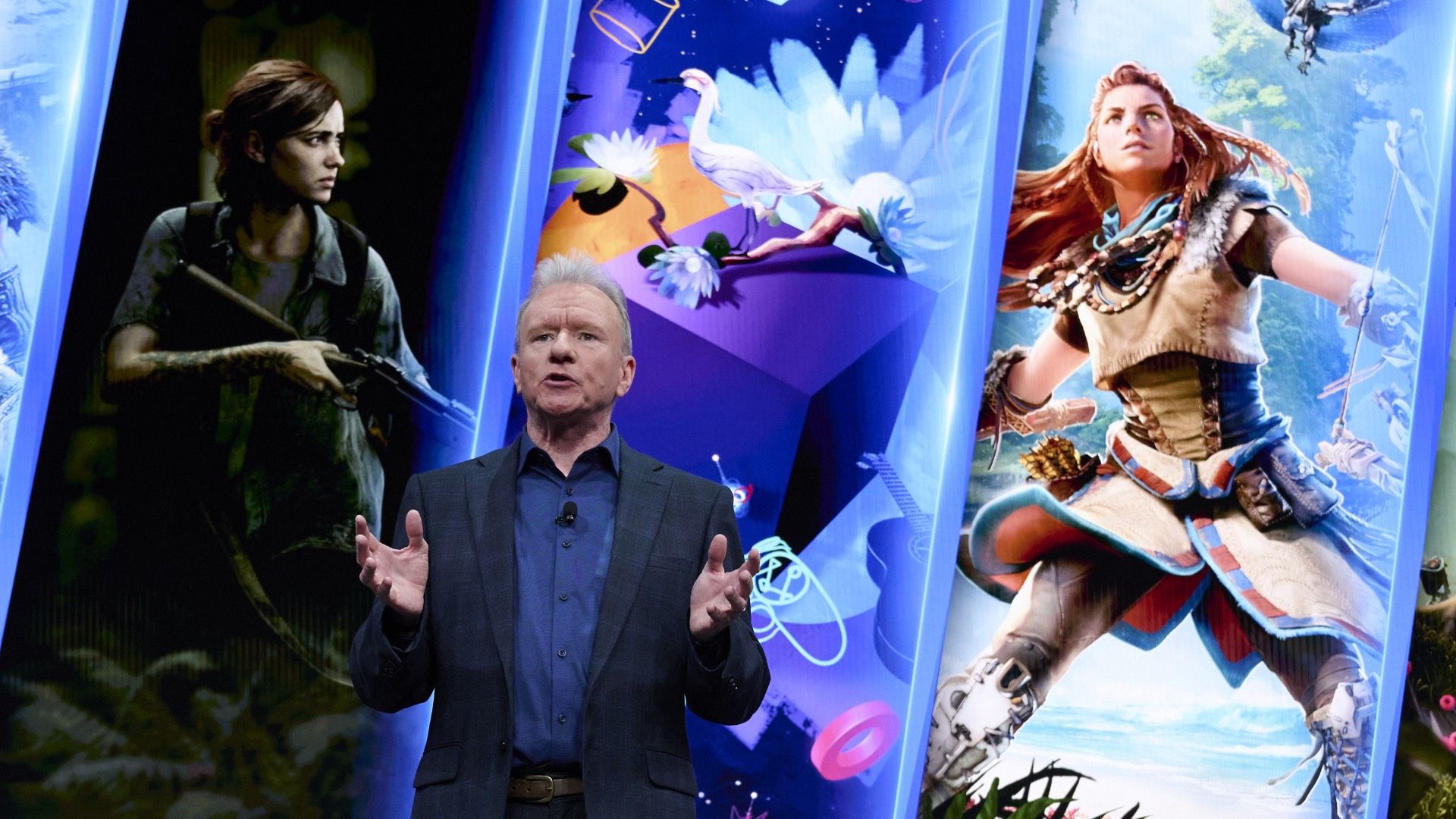
Implications for the Industry and the Player
The retreat from PC gaming, coupled with the aggressive push into AI, carries profound implications for the gaming landscape.
The End of the "Open" Era
The PC community has become accustomed to being the "ultimate" destination for console games. With the hardware power of modern PCs, players have enjoyed ray-traced, high-frame-rate versions of Sony’s greatest hits. If Sony decides to withhold its marquee titles—such as the Spider-Man series or God of War—to keep them exclusive to the PlayStation 5 and its eventual successors, the value proposition of owning a console increases, but the market becomes more fragmented.
The AI Paradox: Productivity vs. "Slop"
Sony’s bet on AI is risky. While tools like machine learning and AI-assisted animation can indeed speed up the development of massive, open-world environments, there is a legitimate concern regarding the soul of the product. The games that made Sony a household name—The Last of Us, Bloodborne, and God of War—are defined by meticulous, human-led art direction and narrative cohesion.
Critics argue that by prioritizing "productivity," companies often drift toward the production of "content slop"—visually impressive but structurally shallow experiences that lack the artisanal touch of human designers. If Sony’s future blockbusters are designed with the primary goal of being "AI-optimized," the risk of losing that "prestige" quality is significant.
The Economic Calculation
Sony’s decision is likely driven by the bottom line. Developing and maintaining high-quality PC ports is expensive and technically demanding. Furthermore, when games are released on PC, they compete with Sony’s hardware sales. By locking titles to the PlayStation ecosystem, Sony maintains a tighter grip on the user journey—from the moment a game is purchased on the PS Store to the micro-transactions made within that ecosystem. The pivot to AI is the lubricant for this strategy, aiming to reduce the cost of game development so that the company can maintain high margins without needing to rely on the "extra" revenue generated by PC sales.
A Future in Isolation?
We are left with a landscape that feels increasingly segmented. While Microsoft continues to lean into its "Game Pass everywhere" strategy, pushing Xbox titles to PC, mobile, and cloud, Sony is doubling down on the console-as-fortress model.
For the PC gamer, the message is clear: do not expect the current flow of high-profile Sony exclusives to continue indefinitely. The "smugness" that defined the PC-centric era of the early 2020s is facing a harsh reality check. Whether this strategy will pay off for Sony—or whether it will alienate a massive, high-spending segment of the gaming audience—remains to be seen.
What is certain, however, is that the boardrooms in Tokyo have made their choice. They have looked at the cost of supporting the PC platform and the potential of generative AI, and they have decided that the future of PlayStation lies in algorithms, not open borders. For now, those who prefer the versatility of the desktop will have to look elsewhere for their blockbusters, while Sony attempts to build a more efficient, AI-centric future within the confines of its own hardware.
As we look toward the next generation of console gaming, the question is no longer "When will this game come to PC?" but rather "Will it ever come at all?" Sony has signaled that for the time being, the answer is a resounding "no."

