

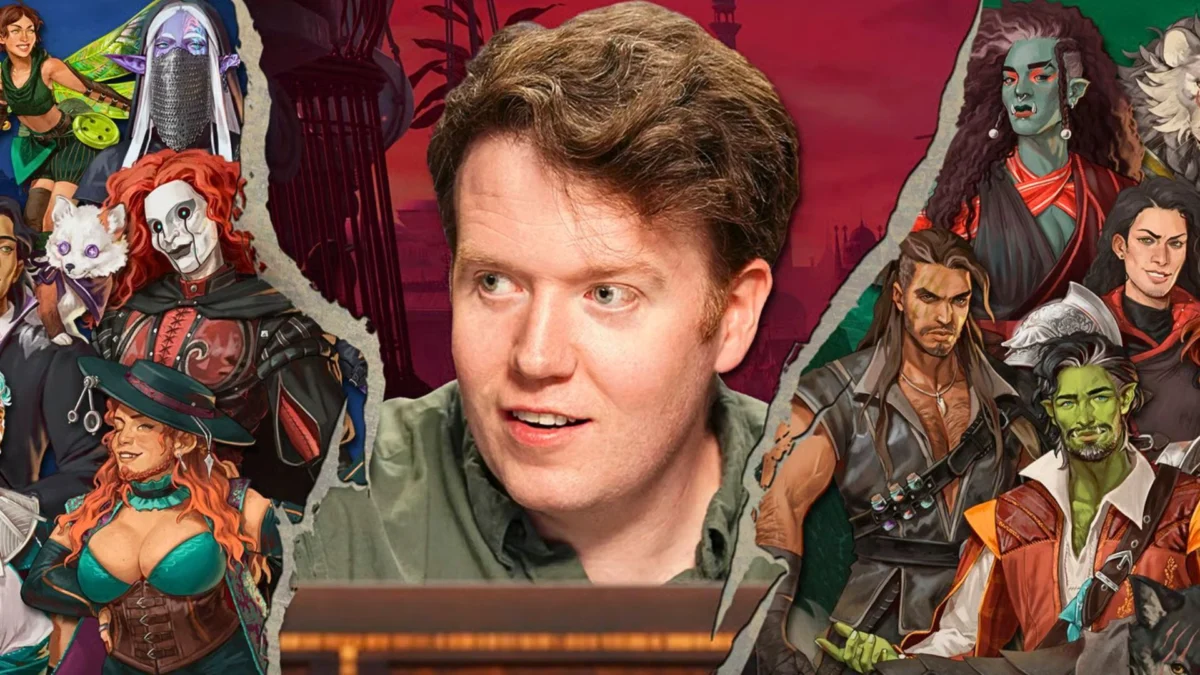
In the world of tabletop role-playing games, the "death" of a player character is often treated as a tragic, if somewhat rare, narrative conclusion. However, in the high-stakes, brutal environment of Critical Role’s Campaign 4, death has been established not as a distant possibility, but as an immediate, ever-present threat. Under the stewardship of guest Dungeon Master Brennan Lee Mulligan, the series has shed its "plot armor" tendencies, proving that the world of Aramán is indifferent to the heroism of its protagonists.
In the latest installment, episode 30, titled "Here in the Dark," the cast of Critical Role faced their most harrowing moment yet: the permanent loss of two player characters, marking the first time in this campaign that a character has not returned from the brink.
The Lethality of Aramán: A New Era of Consequences
From the inception of Campaign 4, Brennan Lee Mulligan made his intentions clear: this would be a game defined by consequence. By implementing homebrewed rules, revising death mechanics, and refusing to scale the world to the players’ levels, Mulligan transformed Aramán into a lethal sandbox. In this campaign, wandering into a high-Challenge Rating encounter is not a narrative choice—it is a potential suicide mission.
Early in the campaign, viewers were given a taste of this brutality when Occtis Tachonis (played by Alexander Ward) was ambushed by his own family. While skillful play by Taliesin Jaffe and Marisha Ray allowed Occtis to be resurrected as a "Hollowed One," the incident set a tone of pervasive danger. Over the subsequent 20 episodes, the cast navigated the convergence of three disparate factions—the Soldiers, the Seekers, and the Schemers—often operating under the false security that their combined numbers would shield them from the worst of Aramán’s dangers.
Chronology of a Tragedy: The Fall of Team Bird-Watching
The events of episode 30 were the culmination of a tactical gamble that began in the previous episode. The party, divided into three specialized teams, found themselves deep within the hostile territory of Obrimus Manor, located in the city of Dol-Makjar.
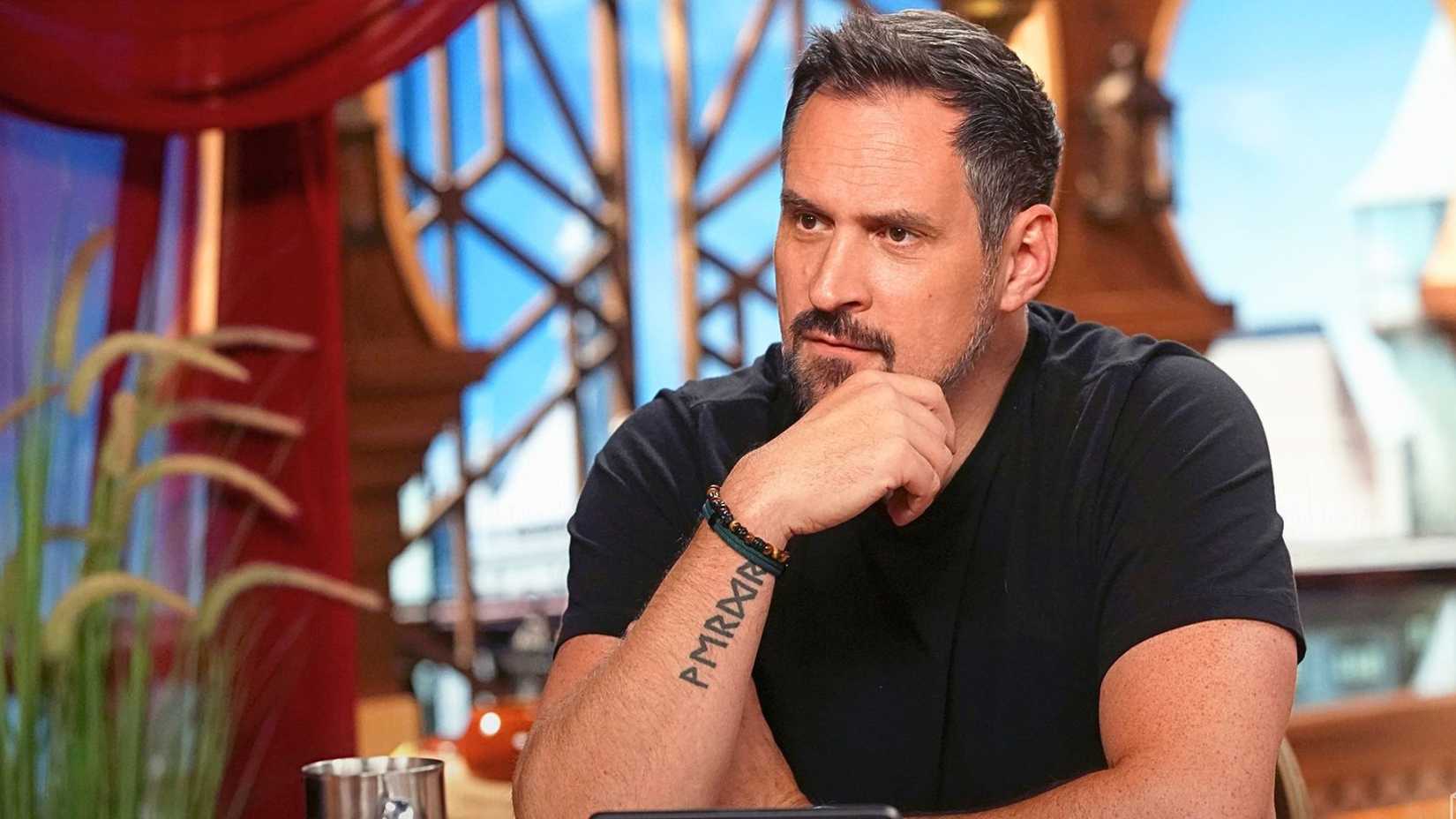
Team "Bird-Watching"—comprising Thimble (Laura Bailey), Occtis Tachonis (Alexander Ward), Sir Julien Davinos (Matthew Mercer), and the brothers Teor (Travis Willingham) and Cyd Pridesire—was tasked with infiltrating the manor to rescue their ally, Mara the Wing, and retrieve a gem essential to curing Julien’s sister, Alba, of a lingering curse.
By the end of episode 29, the team was already severely compromised. Entering the "Tenebral Reaches" of the underworld, the party suffered extensive damage, leaving them at half-health or worse. As episode 30 progressed, Mulligan imposed a strict time limit, forcing the players into an impossible decision: maintain tactical cohesion or split the party to secure their objectives before the formidable House Tachonis returned.
The decision to split was the catalyst for disaster. While Occtis and Thimble pursued the rescue of Mara, and Julien sought the gem, Teor and Cyd ventured into the bowels of the manor. A combination of a critical failure on an investigation check and a tactical misstep led the brothers directly into an ambush. They were cornered in a chamber housing the necromantic, undead remains of Raimond Davinos—Julien’s own father. Despite a heroic effort by Teor, who reached level 5 during the struggle, the overwhelming numbers of the undead proved insurmountable. Teor and Cyd fell, alone in the dark, marking the first permanent end to characters in this campaign.

Tactical Decisions and the Ethics of Roleplay
The tragedy of "Here in the Dark" was compounded by the agonizing choice presented to Sir Julien Davinos. Having secured the gem necessary for his sister’s survival, Julien was presented with a choice by Mulligan: rush to the aid of Teor and Cyd, or prioritize the safety of the gem and the mission.
In a move that highlights the professional commitment of the Critical Role cast, Matthew Mercer chose to honor his character’s internal logic over the meta-game desire to "save the party." Julien, haunted by his mother’s pleas to avoid a meaningless death and driven by a desperate need to save his sister, chose to move forward.
This decision sparked significant discourse within the Critical Role community. While some viewers initially decried the choice as callous, many have pointed to it as a masterclass in committed role-playing. By prioritizing his character’s specific goals and traumatic history, Mercer elevated the stakes, demonstrating that in a narrative-driven TTRPG, "doing what the character would do" sometimes requires the most difficult of sacrifices.
Supporting Data: Why This Matters for the TTRPG Genre
The impact of these deaths extends beyond the emotional resonance of the narrative; it serves as a case study for the evolution of live-play shows. Critical Role has transitioned from a small group of friends playing at a table to a global media juggernaut. With this growth, the demand for narrative tension has increased.
Data from the first 30 episodes shows a clear trend toward higher mechanical difficulty:
- The "No-Scaling" Policy: Mulligan’s refusal to adjust encounter difficulty based on level has forced players to utilize creative problem-solving rather than relying on combat efficiency.
- Resource Scarcity: The limited windows for long rests and the introduction of environmental hazards have made attrition a primary antagonist.
- The "Split-Party" Penalty: Historically, splitting the party is the cardinal sin of Dungeons & Dragons. By forcing players into situations where splitting is necessary, the DM has successfully increased the "perceived lethality" of the game, even when the dice don’t necessarily dictate a loss.
Official Responses and Cast Reactions
While the cast members have not yet released official statements regarding the long-term impact on their future character builds, the immediate aftermath of the episode was marked by a somber reflection. The genuine emotional weight displayed by the cast during the final moments of the broadcast served to ground the high-fantasy setting in a human reality.
For the production team, these deaths are a validation of the current creative direction. By allowing the story to conclude in tragedy, the show proves that it is not merely a scripted performance, but a genuine collaborative game where the dice and player choices dictate the outcome.
Implications for the Future of Campaign 4
The loss of Teor and Cyd Pridesire leaves a void in the party’s composition and adds a layer of permanent tension to every future encounter. As the remaining characters continue their journey through Aramán, they do so with the knowledge that their peers are not invincible.

The implications are twofold:
- Narrative Gravity: Future encounters will be viewed through the lens of "what happened to Teor." This increases the suspense for the audience and forces the players to approach combat with a higher degree of caution.
- Character Turnover: The death of these characters opens the door for new narrative introductions. How the remaining party members react to the loss of their comrades—and how they potentially fill those roles—will likely define the next arc of the campaign.
As Campaign 4 continues, the lesson from episode 30 is clear: in the hands of a DM who favors the integrity of the game over the safety of the players, the story is far more compelling for its risks. While fans mourn the loss of the Katari paladin and his brother, the death of these characters has secured the show’s reputation as a daring, unpredictable, and profoundly human experience.
Critical Role continues to push the boundaries of what is possible in the TTRPG medium, and if the brutality of Aramán is any indicator, the most dangerous chapters are yet to come.

