

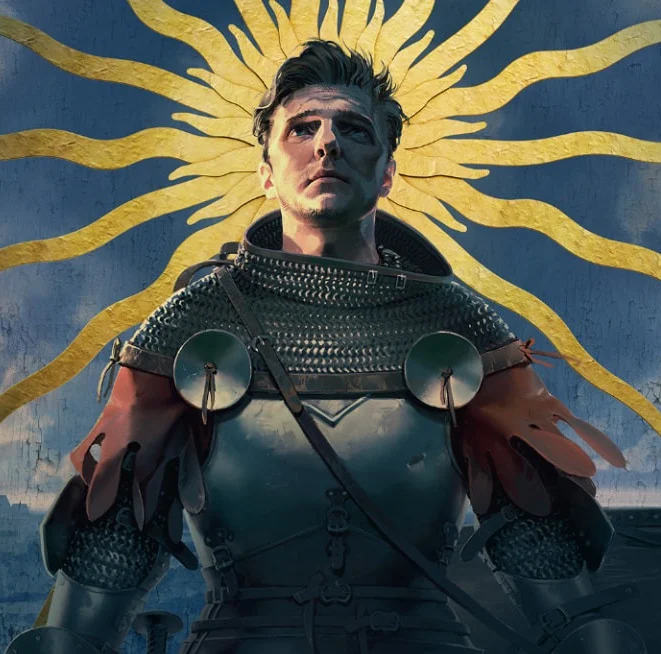
At BlizzCon 2026, a momentous shift in Blizzard Entertainment’s long-term strategy was revealed, signaling a departure from strictly interactive media. Blizzard president Johanna Faries officially confirmed that the company is currently in production on a highly anticipated animated series based on the dark, gothic world of Diablo, set to debut on Netflix.
While the announcement was purposefully sparse regarding specific narrative arcs, release windows, or creative leadership, the implications of the partnership are immense. As Blizzard looks to expand its footprint beyond the gaming monitor and onto the television screen, this project represents the most significant attempt to translate the grim, demon-slaying ethos of Sanctuary into a serialized narrative format.
The Genesis of the Adaptation: A Shift in Blizzard’s Strategy
For decades, Blizzard Entertainment has been synonymous with world-building. From the high-fantasy politics of Azeroth to the futuristic tactical arenas of the Overwatch universe, the company has crafted some of the most enduring intellectual properties (IP) in gaming history. However, until recently, Blizzard had been famously protective of its franchises, often choosing to keep narrative expansion within the confines of its game engines.
The announcement at BlizzCon 2026 marks a turning point. Under the leadership of Johanna Faries, Blizzard is pivoting toward a "transmedia" approach—a strategy that views games not just as play-spaces, but as foundational pillars for broader entertainment ecosystems. The collaboration with Netflix is particularly telling, as the streaming giant has already established itself as the premier home for high-quality, game-inspired animation.
"After decades of bringing entire universes to life through our games, we’re partnering with some creative powerhouses to tell even more stories beyond gaming across new screens," the company stated in a formal press release. "A new animated series set in the world of Diablo is in development with Netflix. More details will be shared in the future, but this is only the beginning."
Chronology: The Long Road to Sanctuary’s Television Debut
The path to a Diablo television series has been a winding one, marked by years of industry speculation and false starts.
- Pre-2020: Rumors swirled for years regarding a potential Diablo adaptation. Early reports in 2018 suggested that Blizzard was in discussions with various studios to produce a series, but these projects remained in the "development hell" that often plagues high-budget video game adaptations.
- The "Golden Age" of Adaptations (2021–2024): As Netflix began to dominate the space with runaway hits like Arcane (League of Legends) and Cyberpunk: Edgerunners, the viability of animated gaming adaptations skyrocketed. These shows proved that high-fidelity, mature animation could attract audiences far beyond a game’s existing player base.
- BlizzCon 2026: The official confirmation arrived. Blizzard president Johanna Faries addressed the crowd, confirming that the Diablo project is not a rumor, but a fully active production.
- The Future: Following the announcement, Faries noted that discussions regarding Overwatch and Warcraft are actively occurring, suggesting that the Diablo series may be the first of a larger "Blizzard Cinematic Universe" strategy.
Supporting Data: Why Animation is the Right Choice for Diablo
When analyzing the success of modern game adaptations, a clear trend emerges: animation is consistently outperforming live-action. While live-action adaptations often struggle with the "uncanny valley" of CGI monsters or the massive budgets required to capture fantasy environments, animation offers a limitless canvas for the dark, visceral aesthetic of the Diablo series.
Consider the following data points that make Diablo a prime candidate for this format:
- Genre Synergy: Diablo is fundamentally defined by its art style. The dark, baroque architecture of the Cathedral of Tristram and the nightmarish visages of the Burning Hells require a stylized approach. Animation—specifically the mature, high-budget style seen in Arcane—allows for a level of gore and artistic flair that would be prohibitively expensive or tonally jarring in live-action.
- The Netflix Ecosystem: Netflix’s success with Castlevania is perhaps the closest parallel. That series proved that dark, gothic, adult-oriented animation could find a massive global audience. Diablo shares the same "hero-vs-demons" DNA, making it a perfect fit for the platform’s established demographic.
- Audience Retention: Unlike live-action series, which often see a drop-off due to casting controversies or production inconsistencies, successful animated series tend to build a loyal, growing audience over several seasons. The "prestige animation" trend is currently at its peak, providing the perfect cultural tailwinds for this launch.
Official Responses and Strategic Implications
The industry reaction to the announcement has been overwhelmingly positive, tempered by the cautious optimism expected of a fan base that has seen many adaptations falter.
Blizzard’s management has made it clear that this is a long-term play. During her presentation, Faries explicitly mentioned that the company is looking at its entire library. This suggests that the Diablo show is a "proof of concept." If it succeeds, the gates will likely open for other Blizzard IPs to follow suit.
For Netflix, the deal is a massive win. Having lost some of its major licensed content over the last few years, the streamer is aggressively pursuing "first-party" style adaptations that they can own and grow for years to come. By securing Diablo, Netflix adds a massive, multi-generational franchise to its catalog, one that carries the same weight and legacy as the Warcraft universe.
However, the challenge remains: can they "land the plane"? The history of gaming adaptations is littered with high-concept projects that failed to capture the soul of the source material. The "Halo" television series, for example, faced significant criticism from long-time fans for its departure from established lore. Blizzard will need to ensure that the creative team behind the Diablo show respects the grim, desperate tone of the games—a tone that is central to the player experience.
Implications for the Future of Blizzard
The pivot to film and television represents a significant diversification of Blizzard’s revenue streams and brand identity. If successful, this strategy could effectively insulate the company against the cyclical nature of game development.
Furthermore, a well-received show could serve as a "gateway drug" for the games themselves. Just as Cyberpunk: Edgerunners revitalized interest in Cyberpunk 2077, a Diablo series could bring millions of new players into the fold, potentially boosting the player counts of Diablo IV and any future titles in the series.
The move also signals that Blizzard is no longer just a "PC Gaming Company." They are positioning themselves as a global entertainment conglomerate. In an era where the lines between gaming, film, and social media are increasingly blurred, this is a necessary evolution.
As we look toward the future, the primary question remains: what specific story will they tell? Will they follow the journey of the original heroes from the first game, or will they expand the lore of the High Heavens and the Burning Hells in an entirely new narrative?
While we wait for further details, one thing is certain: the gates of Hell are opening, and for the first time, we won’t need a controller in our hands to see what’s on the other side. The partnership between Blizzard and Netflix is not just a business transaction; it is a declaration that the world of Sanctuary is ready for its close-up. Whether they can replicate the visceral, addictive, and deeply gothic atmosphere of the games remains to be seen, but the industry is watching with bated breath.
For now, the project remains in the capable, albeit quiet, hands of its creators. The next update will likely determine whether this is the start of a golden age for Blizzard’s transmedia ambitions or another cautionary tale in the history of game-to-screen adaptations. Given the current climate, however, the odds have never been more in their favor.

