

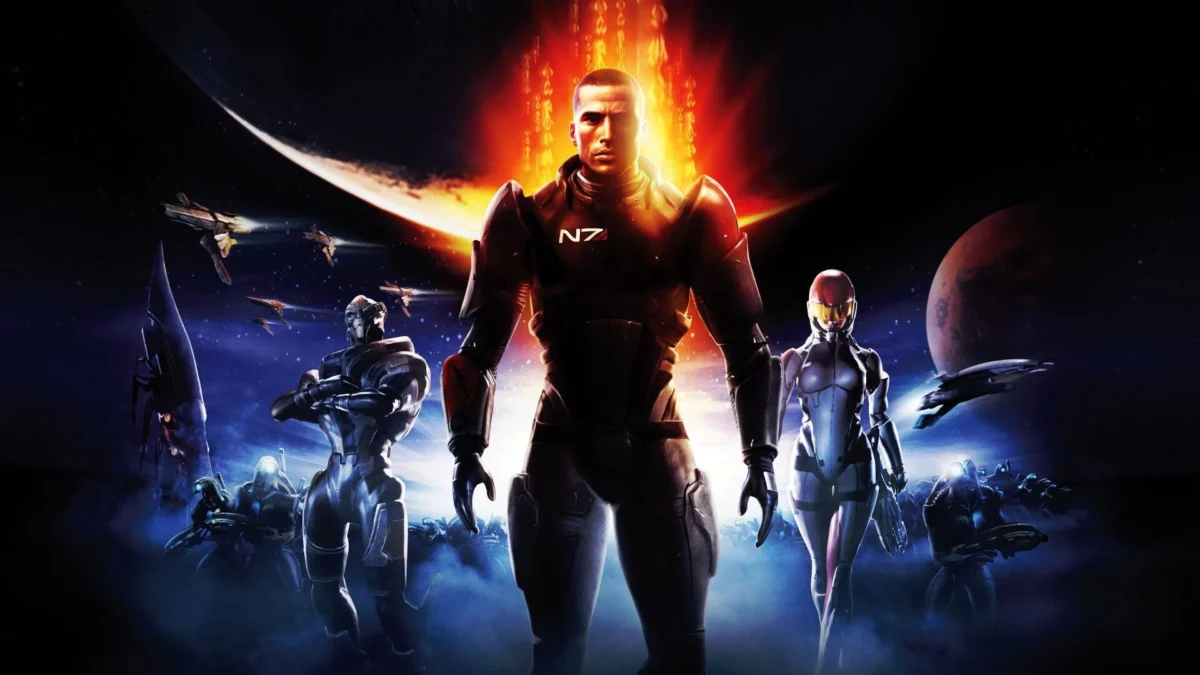
In the annals of gaming history, few franchises have achieved the cultural ubiquity and narrative reverence of Mass Effect. Today, it is remembered as a gold standard for choice-driven RPGs, a space opera that bridged the gap between interactive entertainment and cinematic storytelling. However, a new retrospective look at the development of the original 2007 title reveals that the Commander Shepard saga was, by all accounts, a project that should have collapsed under its own weight long before it reached store shelves.
Former BioWare cinematic designer Armando Troisi recently opened up about the harrowing, high-stakes development cycle of the original Mass Effect, painting a picture of a studio operating on the edge of technical catastrophe and creative exhaustion.
The "Troublemaker in Chief": A Culture of Impossible Goals
The genesis of Mass Effect was defined by a level of ambition that bordered on the irrational. Under the leadership of project director Casey Hudson, the team was constantly pushed to pursue objectives that felt technically insurmountable.
Troisi, speaking to the FRVR blog, described Hudson’s leadership style as relentless. "He would put these impossible goals in front of us," Troisi recalled, noting that the staff affectionately—and perhaps exasperatedly—labeled Hudson their "troublemaker in chief."
For the development team, these "impossible goals" were not merely suggestions; they were the north star for a project that intended to redefine what an RPG could be. In an era where role-playing games were often static, text-heavy, and mechanically rigid, Hudson demanded a level of cinematic immersion that had never been seen before in the medium. The goal was to create an "interactive film"—a feat that required bridging the gap between high-fidelity character performances and complex, branching player agency.
A "Triple Threat" of Technical Hurdles
The primary challenge facing the Mass Effect team was the convergence of three massive technical roadblocks. As Troisi explained, the project was a "triple threat" that would have deterred most developers: a brand-new proprietary engine, a completely original intellectual property, and the migration to the then-nascent Xbox 360 hardware.
The Engine Struggle
BioWare was essentially building the plane while flying it. The studio was tasked with creating a new engine capable of handling the demands of a sprawling, high-fidelity space opera, all while attempting to implement streaming technology that was still in its infancy. For much of the development cycle, the engine was unstable, forcing the team to engage in extreme "hacking" just to keep the game functional.
The Cinematic Vision
To achieve the cinematic quality they craved, the developers didn’t look to other games; they looked to the silver screen. Troisi noted that the cinematic team frequently studied the works of masters like Sergio Leone. "We would throw on things like The Good, The Bad, and The Ugly, and it would be playing in the background," he shared. "We would look at the cinematography, and we would look at it like, how is this working, and how could we emulate that?"
This obsession with filmic language—the framing of shots, the tension in silence, the use of lighting—was essential to the game’s final identity, but it was incredibly difficult to force into an engine that was fundamentally struggling to render basic character movement without hitching or crashing.
The Crunch Culture and the Console Deadline
Perhaps the most harrowing aspect of the Mass Effect story is the human cost of its ambition. The game’s development was characterized by a grueling crunch period that lasted months. Troisi recalled a "21 days on, one day off" schedule that became the standard operating procedure for the team as the release date loomed.
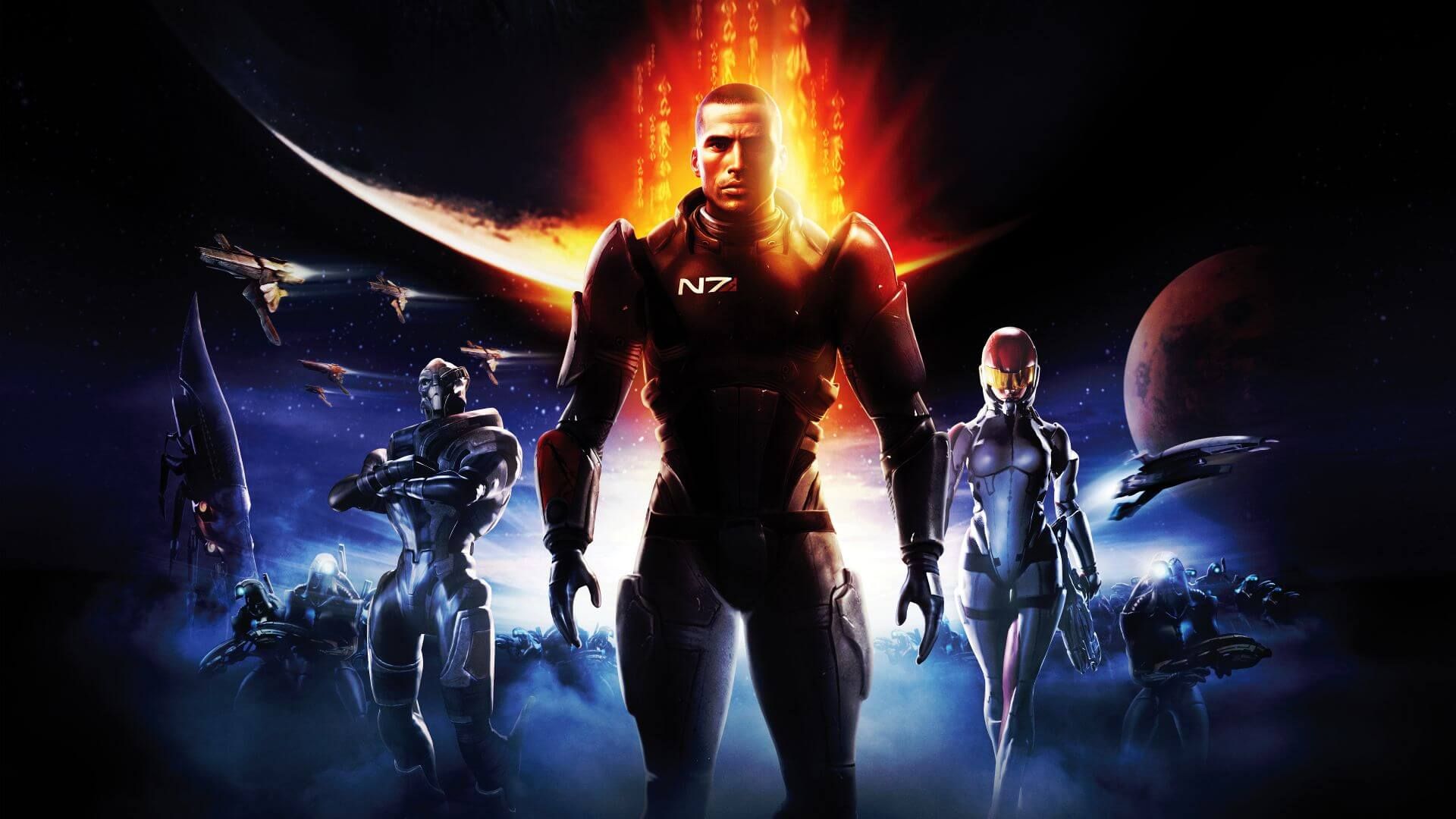
This pressure was exacerbated by the fact that the game remained largely unplayable on its target console for the majority of the production cycle. "The story behind that is we didn’t have it working on console until the very end of development," Troisi admitted. This last-minute integration is arguably why the original release was plagued by technical performance issues, such as stuttering frame rates and slow texture loading—a common critique of the game upon its 2007 debut.
Despite being a console exclusive for the Xbox 360, the internal reality was that the game was barely holding together. The team was effectively gambling on their ability to optimize the code in the final hours of the project.
Implications: A Legacy Built on Struggle
When asked whether the immense struggle was worth the result, Troisi’s answer is a resounding affirmation. "It’s a level of ambition that I think was just unheard of at the time," he stated.
The implications of this development cycle are profound for the industry. Mass Effect proved that if the creative vision is strong enough, the public will overlook technical imperfections. It set a precedent for the "cinematic RPG," influencing countless titles that followed, including Dragon Age, The Witcher 3, and Cyberpunk 2077.
However, the story also serves as a cautionary tale. The reliance on "crunch" and the "troublemaker" model of leadership—while successful in this specific instance—is a practice that modern game development is increasingly moving away from, acknowledging the long-term burnout and health risks it imposes on developers.
The Future of the Franchise: Lessons Learned
As BioWare looks toward the future, specifically with the development of the next entry in the Mass Effect series, the lessons from the original game’s creation remain highly relevant.
Recently, other former developers have weighed in on the state of the industry, suggesting that the success of future Mass Effect titles depends less on the "troublemaking" ambition of the past and more on the ability of creative teams to work without excessive executive interference. The modern consensus among many veterans is that while vision is vital, the "crunch culture" of the mid-2000s is an unsustainable relic that should not be repeated.
The original Mass Effect remains a testament to what a group of dedicated, perhaps slightly reckless, developers can achieve when they refuse to accept the limitations of their tools. It was a game that, according to its own creators, "should have never been made"—yet, in defying those odds, it created a universe that fans are still exploring nearly two decades later.
As Troisi put it: "It’s one of the things I look back on in my life and go: ‘wow, that was really, really hard, but really worth it.’"
For the players who experienced the Normandy’s first voyage, the glitchy textures and the long nights of the developers are now distant memories, replaced by the enduring emotional weight of a story that changed the landscape of modern gaming forever.

