

By the Gaming & Hardware Desk
Published: November 2024
Main Facts: The Return of a Computing Icon
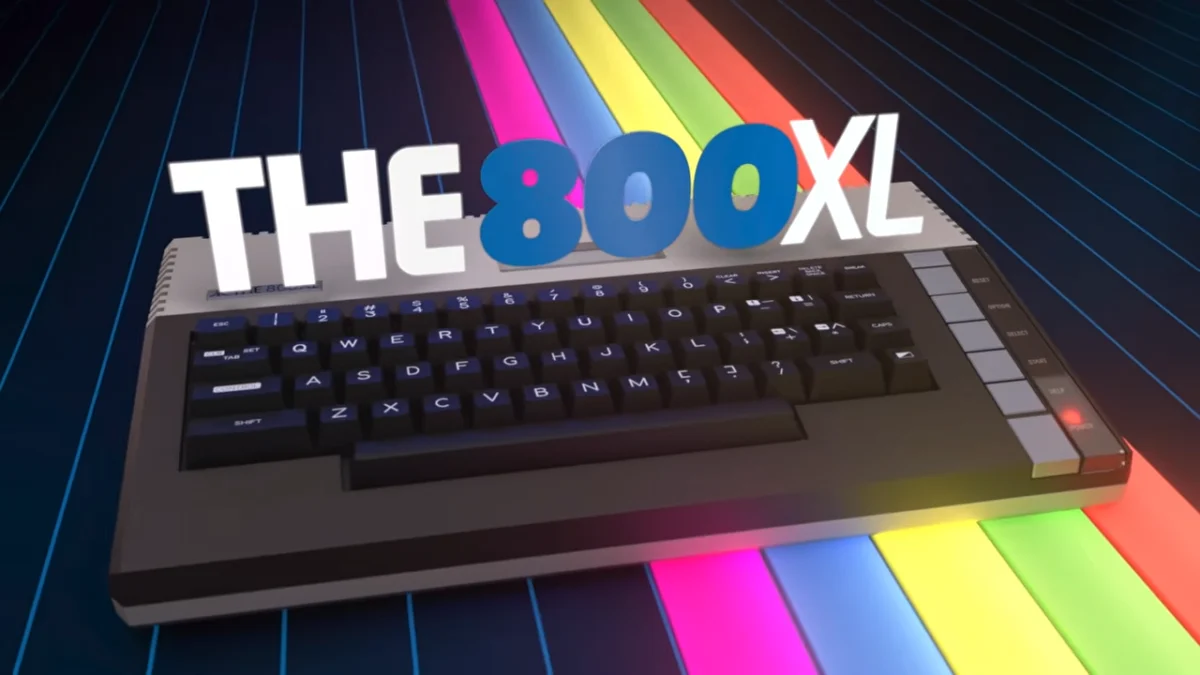
Following months of intense speculation and trademark applications that first surfaced in May, retro hardware specialist Retro Games Ltd—in partnership with publisher PLAION—has officially confirmed its next major hardware project: a faithful, full-sized recreation of the classic Atari 800XL microcomputer.
Dubbed THE 800XL, the upcoming console bridges the gap between vintage 1980s computing nostalgia and modern-day home theater conveniences. Key features of the new system include:
- Modern HDMI Output: Ensuring seamless plug-and-play compatibility with modern high-definition and 4K displays.
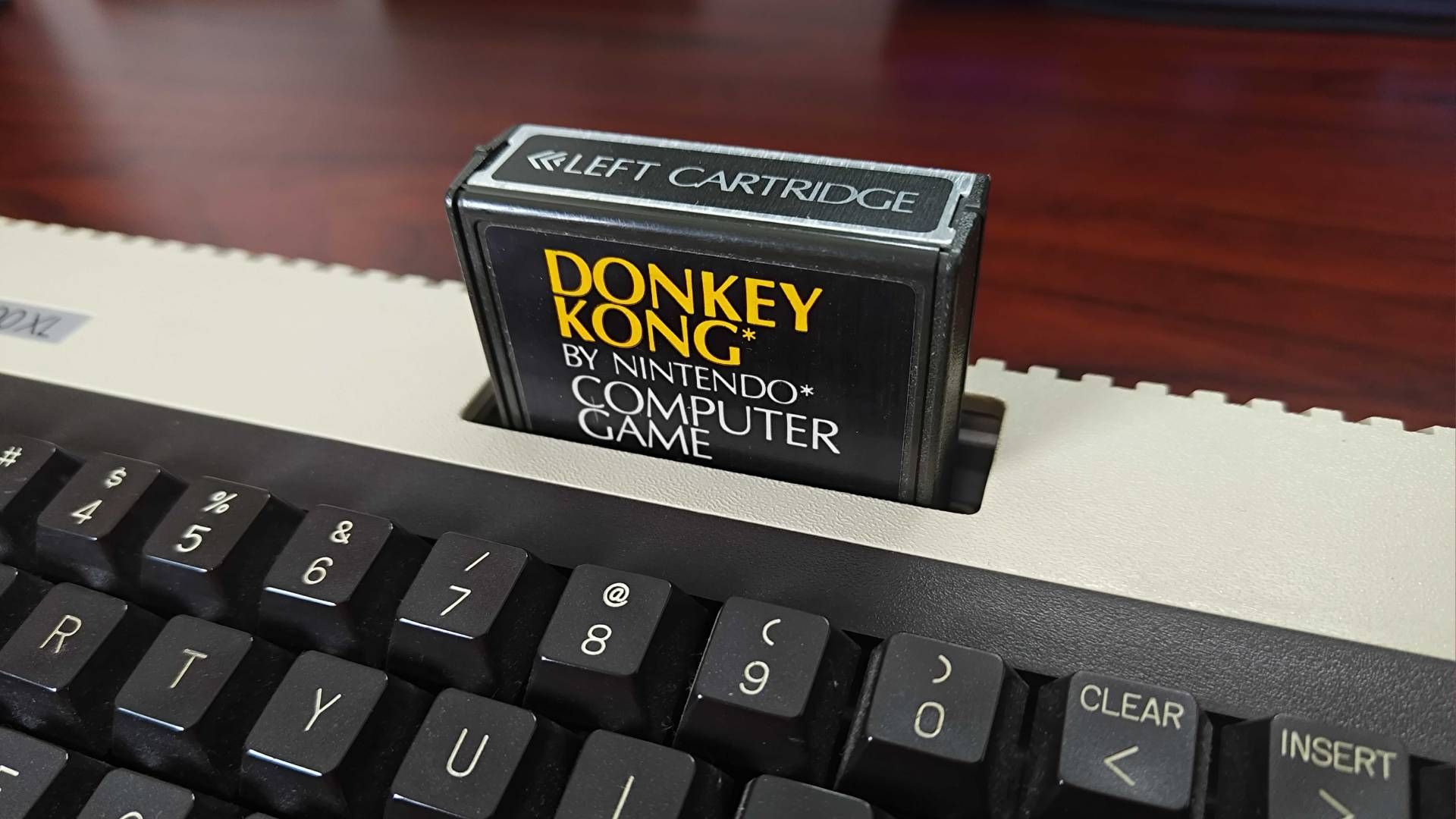
- Functional Physical Cartridge Slot: Allowing collectors to dust off and use their original physical Atari 8-bit game cartridges.
- Full-Sized QWERTY Keyboard: Moving away from the compact, controller-reliant format of previous "mini" releases to offer an authentic typing and programming experience.
- Built-In Game Library: Pre-loaded with 25 classic titles right out of the box.
Priced at $219.99 / £199.99, THE 800XL positions itself as a premium, collector-focused piece of hardware. While it commands a higher price tag than its smaller sibling, the Atari 400 Mini (which launched at roughly $88), this new full-sized rendition is engineered to satisfy hardcore enthusiasts and physical media purists alike.
Chronology: From 1983 Microcomputer to 2026 Retro Renaissance
To understand the cultural and technological weight of THE 800XL, it is helpful to trace the timeline of its hardware lineage, as well as the modern resurgence of retro computing.
1. The Genesis: The Atari XL Series (1983)
Released in 1983, the Atari 800XL was an evolution of the earlier Atari 400 and 800 home computers. Boasting 64 KB of RAM, a sleeker profile, and built-in BASIC programming capabilities, it became a massive commercial success. It competed fiercely against the Commodore 64 and the Sinclair ZX Spectrum, earning a legendary status among early computer hobbyists, gamers, and amateur programmers. Alongside the 800XL, Atari also released the budget-oriented 600XL, which featured a slightly smaller chassis and 16 KB of RAM.
2. The Teasers and Trademark Discoveries (May 2024)
The journey toward THE 800XL began quietly in the spring of 2024 when eagle-eyed hardware spotters discovered official trademark filings tied to Retro Games Ltd. Speculation immediately mounted across retro-gaming forums and news outlets. Enthusiasts debated whether the company would remake the larger 800XL or focus on a different machine from Atari’s storied 8-bit family.
3. The Official Announcement (Late 2024)
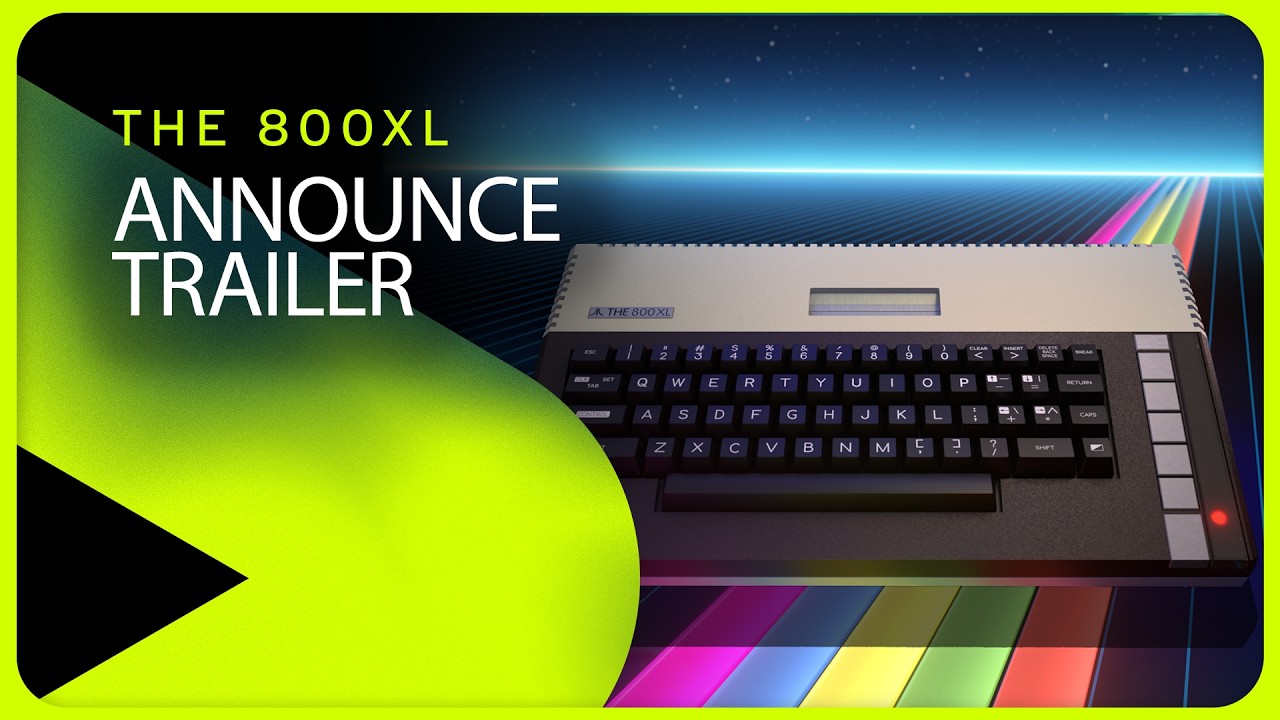
Retro Games Ltd and PLAION officially pulled back the curtain with a cinematic teaser trailer and press releases detailing the specifications, pricing, and launch window. The announcement solidified the company’s shift toward producing full-sized replica keyboards, following the formula of their previous successful iterations like THEC64 and THE VIC-20.
Supporting Data: Specifications, Pricing, and Market Context
When evaluating THE 800XL, market analysts and retro hardware reviewers must weigh its cost against competing devices in the emulation and FPGA market.
Pricing Breakdown
- THE 800XL: $219.99 / £199.99
- Amiga 1200 Remake (Retro Games Ltd): $189.99 / £169.99
- Atari 400 Mini: ~$88.84
Hardware Comparison: Emulation vs. FPGA
While THE 800XL relies on modern system-on-a-chip (SoC) software emulation—much like the Atari 400 Mini and The Spectrum—high-end competitors often utilize Field Programmable Gate Array (FPGA) technology.

- Emulation Approach (THE 800XL): Cost-effective to mass-produce, highly compatible with large libraries of ROMs via USB, and capable of HDMI output. However, it often falls short of absolute cycle-accurate hardware replication, meaning niche legacy peripherals like original cassette tape drives may not be supported.
- FPGA Approach (e.g., Commodore 64 Ultimate): Offers true hardware-level replication of original chips, satisfying purists who demand zero input lag and absolute authenticity, though typically at a much higher price point.
Despite being emulation-based, the inclusion of a working physical cartridge slot elevates THE 800XL above basic plug-and-play boxes. However, physical collectors should note that acquiring original metal-encased Atari 8-bit cartridges can be a challenging and costly endeavor on the secondary market.
Official Responses and Industry Perspectives
PLAION, handling the publishing duties for Retro Games Ltd, highlighted the cultural significance of the release in their launch statements:
"THE 800XL is a faithful recreation of its best-selling 8-bit computer, bringing back the golden age of keyboard-first home computing with modern quality-of-life enhancements for today’s displays."
Industry critics and hardware editors have expressed a mix of nostalgic excitement and pragmatic caution. On one hand, the prospect of introducing classic titles like Carnival Massacre, Pac-Man, and countless text adventures to a wider audience via a gorgeous, executive-desk-ready chassis is deeply appealing.
On the other hand, the $219.99 price point has raised eyebrows. Reviewers note that as retro remakes grow in physical size and incorporate functional mechanical elements like keyboards and cartridge ports, manufacturing costs—and by extension, retail prices—are creeping steadily upward. Questions remain regarding whether the build quality and tactile feel of the plastic chassis will justify the steep investment compared to cheaper, controller-based alternatives.
Implications: What THE 800XL Means for Retro Gaming Culture
The launch of THE 800XL carries several broader implications for the retro hardware market and gaming preservation as a whole:
1. The Rise of the "Living Room Microcomputer"
For decades, retro gaming has been dominated by console remakes (NES Classic, Sega Genesis Mini). However, companies like Retro Games Ltd are proving that there is a robust, dedicated demographic of consumers who yearn specifically for the microcomputers of their youth—machines where typing, loading from media, and basic programming were part of the core experience.
2. Bridging Physical and Digital Preservation
By retaining a working cartridge slot while simultaneously offering USB support for digital ROM loading, THE 800XL straddles the line between traditional hardware collecting and modern accessibility. It validates the efforts of physical collectors who still own vintage cartridges, giving those aging ROM chips a safe, modern path to output onto 4K televisions without requiring fragile, degrading 1980s cathode-ray tube (CRT) monitors or RF adapters.
3. Market Saturation and Pricing Resistance
As retro hardware prices edge closer to the cost of modern current-gen video game consoles, manufacturers face a tougher sell. Consumers will increasingly demand superior build quality, flawless emulation performance, and robust software suites to justify spending upwards of $200 on a machine dedicated to 40-year-old software.
Conclusion
Whether THE 800XL ultimately triumphs on the test bench depends heavily on its final firmware stability, keyboard responsiveness, and overall material craftsmanship. Yet, for anyone who grew up typing RUN into an Atari BASIC prompt or chasing high scores on classic 8-bit cartridges, the arrival of THE 800XL is an undeniably thrilling milestone in the ongoing preservation of digital history.

