

In the hyper-competitive landscape of professional gaming peripherals, manufacturers are constantly seeking the "holy grail" of performance: the perfect balance between ultra-low latency and battery efficiency. For years, the industry standard has been a push-and-pull relationship between polling rates—how often a mouse reports its position to the PC—and sensor sampling. Recently, Razer introduced its "FrameSync" technology, a proprietary feature debuted with the acclaimed Razer Viper V4 Pro, promising a seamless alignment between sensor data and polling intervals. While the marketing claims were bold, skepticism naturally followed. Now, independent testing has provided empirical evidence confirming that Razer’s FrameSync is not merely a marketing buzzword, but a tangible engineering advancement.
The Core Innovation: What is FrameSync?
To understand why FrameSync matters, one must first deconstruct the internal workflow of a modern wireless gaming mouse. When a user moves their mouse, three distinct operations occur in rapid succession. First, the optical sensor captures a "snapshot" of the surface beneath it. Second, the mouse’s internal microcontroller unit (MCU) processes that visual data to determine movement vectors. Finally, the PC polls the mouse over a USB connection (typically at 1,000Hz or higher) to retrieve that movement data.
Historically, these three steps operated asynchronously. The sensor would snap at its own rhythm, the MCU would process at its own speed, and the PC would request data at fixed intervals. This lack of synchronization often meant the sensor would finish a scan, wait for the PC to request data, or conversely, the PC would request data before a fresh, accurate sensor reading was fully processed.
Razer’s FrameSync fundamentally changes this by synchronizing the sensor’s sampling with the polling interval of the host computer. By aligning the sensor scan with the exact moment the PC is ready to receive data, Razer reduces the "age" of the data being sent. This creates a more responsive feel while allowing the sensor to remain idle between these synchronized pulses, significantly reducing power consumption—a key factor behind the Viper V4 Pro’s industry-leading 180-hour battery life at 1,000Hz polling.
Empirical Validation: Putting Theory to the Oscilloscope
The claims surrounding FrameSync remained largely theoretical until tech enthusiast and peripheral expert "piaknow" took to X (formerly Twitter) to subject the technology to rigorous, hardware-level testing. Utilizing a professional-grade Rigol DS1102Z-E oscilloscope and a complex array of wired connections, piaknow sought to visualize the communication handshake between the mouse and the PC.
The results were unequivocal. By monitoring the USB signal (the polling request) alongside the infrared light source of the sensor (the sampling trigger), the oscilloscope showed a consistent, fixed phase relationship. "Razer’s FrameSync is REAL," piaknow declared, providing visual proof of the two signals locking together in perfect temporal harmony. The yellow waveform representing the USB traffic and the blue waveform representing the sensor light source remained locked, confirming that the sensor is indeed firing its light source precisely in anticipation of the PC’s polling request.
This level of validation is rare in the peripheral space, where companies often keep their firmware logic opaque. By confirming that the sensor scan-out and polling are synchronized as advertised, this testing has effectively elevated FrameSync from a marketing claim to a verified engineering standard.
Nuance in the Data: Addressing Minor Anomalies
While the validation was successful, the testing process did reveal minor, periodic anomalies that warrant scientific consideration. During the deep-dive analysis, piaknow observed intervals of 0.25ms where the sync appeared to jitter or deviate slightly from the expected pattern.
In the world of high-speed electronics, these deltas are often attributed to "noise" or background system processes. The consensus among technical observers is that these small deviations do not negate the efficacy of FrameSync. Instead, they likely represent minor packet loss or the prioritization of secondary system tasks within the mouse’s MCU. Given that the overall correlation between polling and sampling remained intact throughout the test, these 0.25ms "hiccups" appear to be minor outliers in an otherwise robust synchronization architecture.
The Broader Implications for Gaming Hardware
The success of FrameSync carries significant weight for the future of gaming hardware. For the past decade, the industry has chased higher polling rates—moving from 1,000Hz to 4,000Hz and even 8,000Hz—as the primary path to reduced latency. However, these high polling rates come at a massive cost to battery life and CPU overhead.
Razer’s approach suggests an alternative, more elegant path: optimizing the quality and timing of the data rather than just the frequency of the transmission. By ensuring that the sensor data is always "fresh" the moment it is polled, Razer is achieving the same, if not better, perceived latency without the extreme battery drain associated with higher polling rates.
If this technology becomes an industry standard, we may see a shift away from the "polling rate arms race." Instead, manufacturers may pivot toward intelligent synchronization features that prioritize efficiency without compromising the competitive edge that elite gamers demand.
Remaining Challenges: The DPI Downshift Problem
Despite the triumph of FrameSync, the testing also served as a reminder that the sensor landscape is not without its pitfalls. The industry continues to grapple with the "DPI downshift" issue—a phenomenon where some high-performance sensors reduce their tracking resolution during slow-speed movements, leading to inconsistent tracking behavior.
Even the best mice, including the Viper V4 Pro, are subject to the inherent complexities of optical sensor architecture. While FrameSync solves the issue of timing, it does not solve the inherent optical challenges of maintaining consistent DPI across different surface textures and movement speeds. The fact that these two distinct issues—timing synchronization and DPI stability—exist simultaneously highlights that while peripheral technology is reaching new heights, there is still significant work to be done in perfecting the optical foundation of the mouse.
Conclusion: A Benchmark for Future Peripherals
The verification of Razer’s FrameSync technology serves as a landmark moment for the gaming hardware community. It provides a blueprint for how independent testing can hold major manufacturers accountable while simultaneously celebrating genuine innovation.
For the end user, the takeaway is clear: the Razer Viper V4 Pro is not just another iterative update in a crowded market. It represents a fundamental shift in how sensors and PCs communicate, proving that with the right engineering, we can achieve high-performance results that are as efficient as they are responsive.
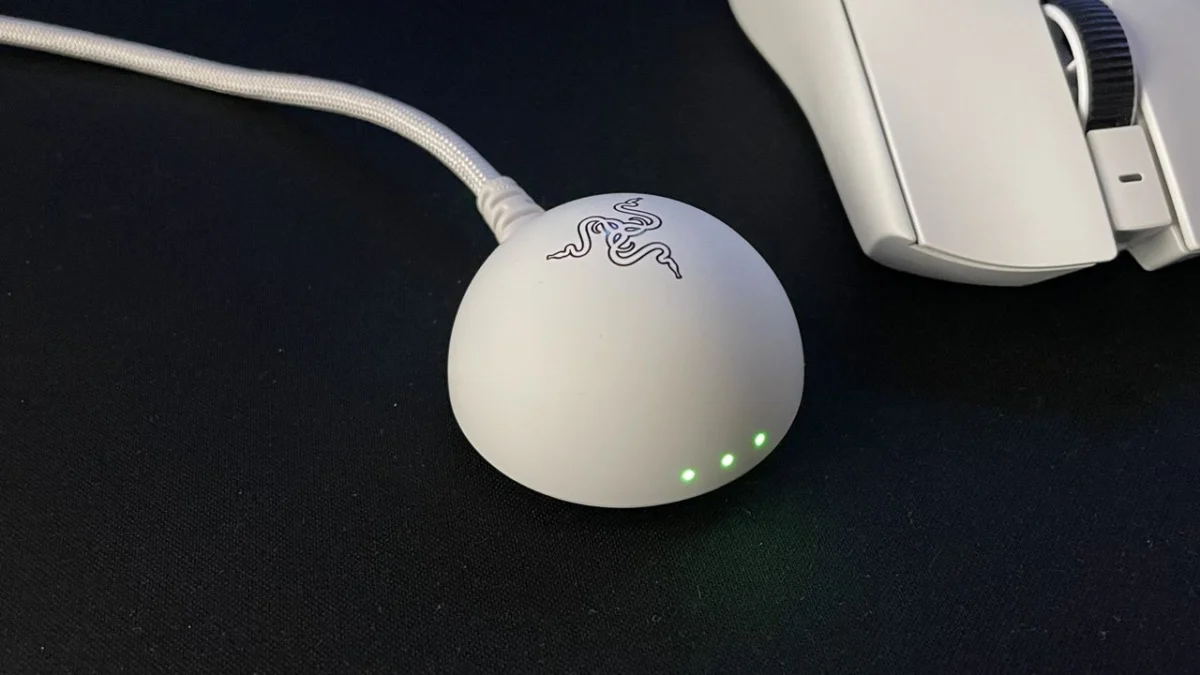
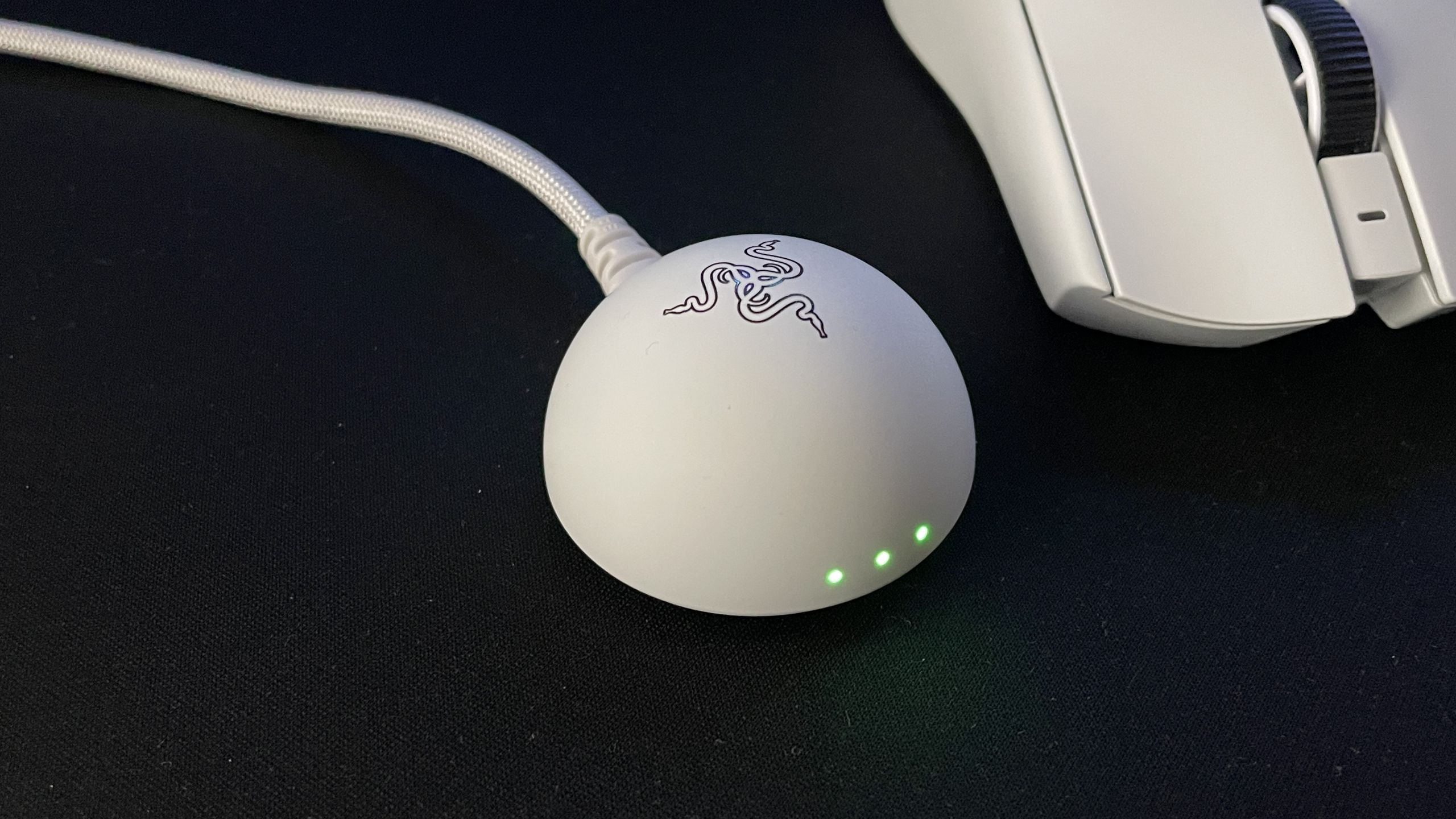
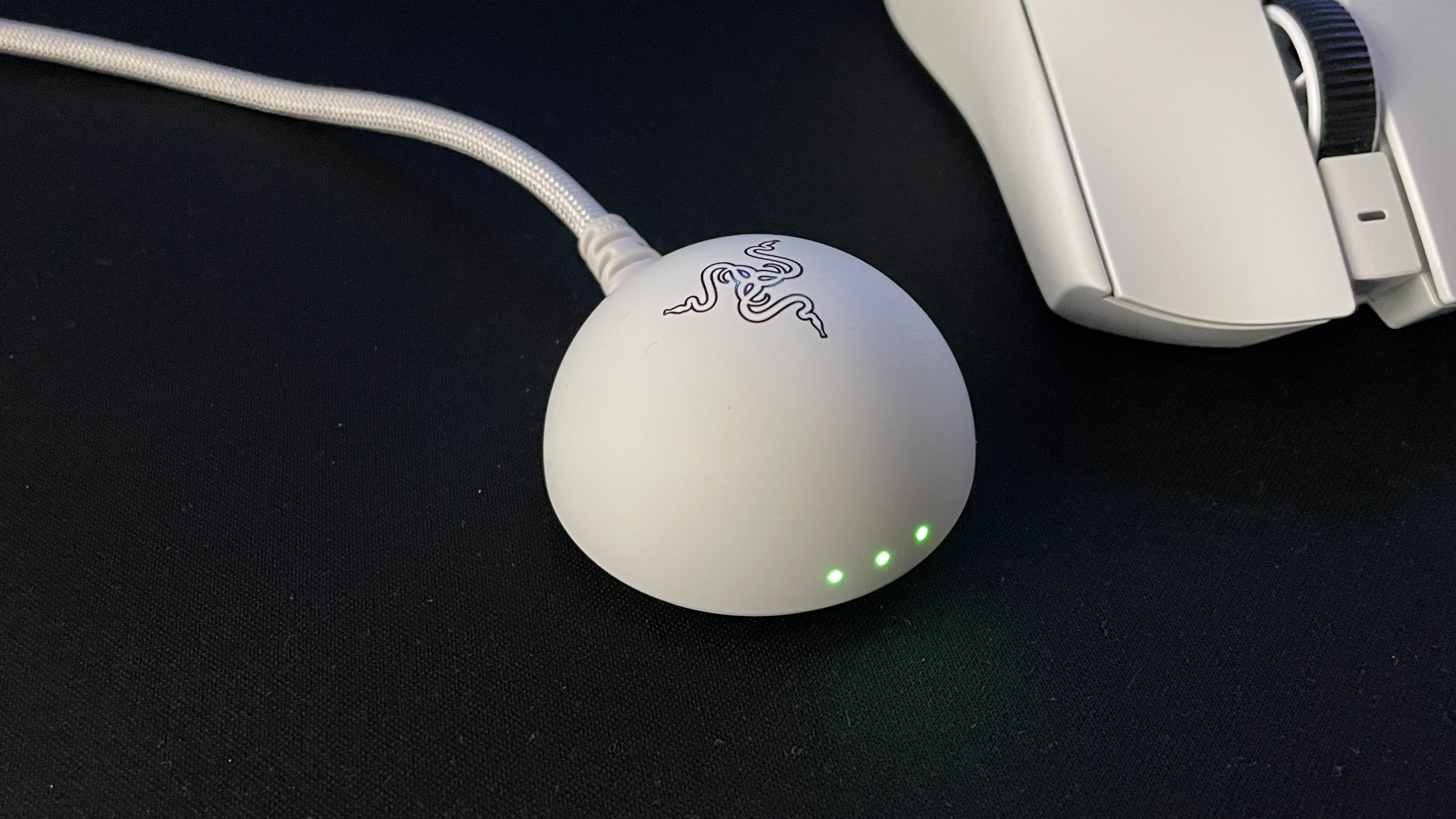
As we look toward the future, the integration of such synchronization technologies will likely become the baseline expectation for flagship gaming mice. For now, gamers can rest assured that in the case of FrameSync, the "orbtastic" dongle and the accompanying firmware are doing exactly what they claim: keeping the player’s movements in perfect, synchronized step with the digital world. The confirmation of this technology is not just a win for Razer; it is a win for the entire PC gaming ecosystem, proving that innovation is alive and well in the quest for the ultimate competitive advantage.

