

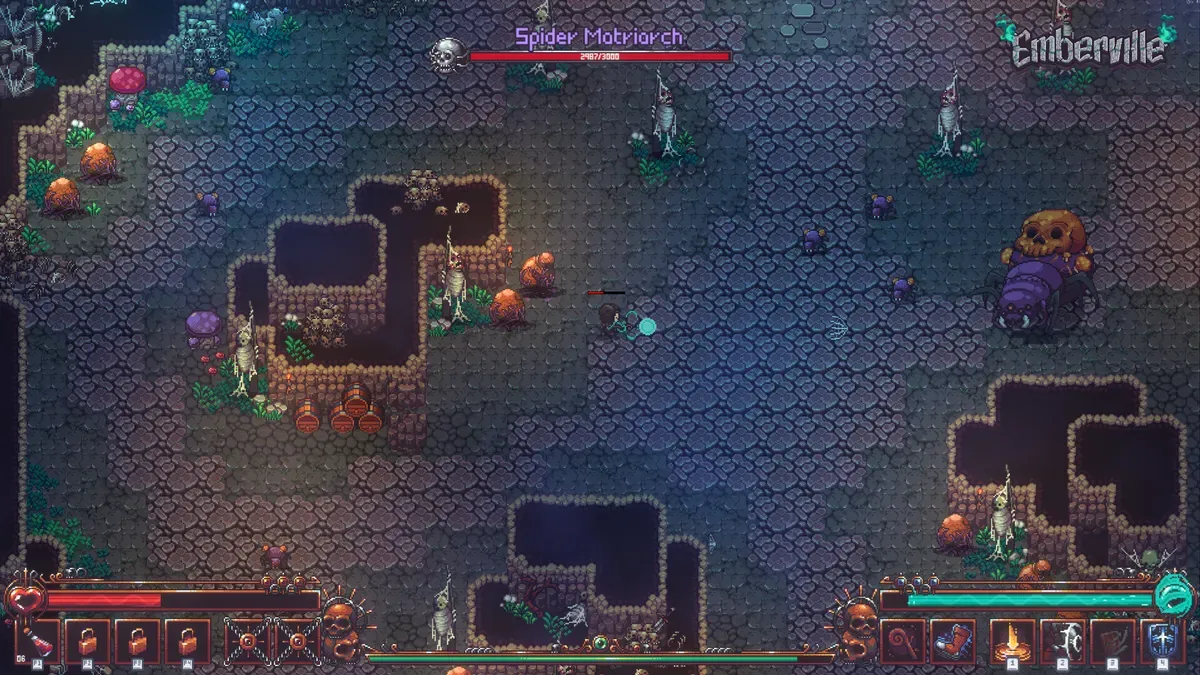
In the fast-paced and often unpredictable world of indie game development, timing can be everything. Just 24 hours before it was scheduled to fling open its digital doors to the public via Steam Early Access, developer Cygnus Cross made the difficult decision to hit the brakes on its upcoming pixel art action RPG, Emberville.
Originally slated for an October 27 release, the game will now debut on January 7. According to the studio, the eleventh-hour delay is entirely driven by player feedback gathered during the recent Steam Next Fest, where a temporary public demo gave thousands of prospective adventurers their first taste of the game’s combat, exploration, and distinct aesthetic.
While last-minute delays are typically met with community groans and speculation, the transparency surrounding Emberville‘s postponement has largely won over its burgeoning fanbase. Cygnus Cross has opted for quality and structural polish over a rushed release, demonstrating a commitment to laying a rock-solid foundation before the game begins its public-facing evolution in early access.
Main Facts: What Led to the Sudden Postponement?
The core facts surrounding the Emberville delay paint a picture of a studio listening closely to its audience, even when the timing is wildly inconvenient:
- The Original Release Date: October 27.
- The New Launch Date: January 7 (Early Access).
- The Catalyst: Player feedback and telemetry data gathered from the Steam Next Fest demo.
- The Core Issue: Essential systemic changes—specifically a complete overhaul of the bow combat mechanics—that could not be rushed out ahead of the original October deadline.
- Platform: PC (Steam), where the public demo remains live and available for download.
Developers often find themselves caught between the pressure of self-imposed deadlines and the reality of player critique. For Cygnus Cross, the choice to delay came down to recognizing that first impressions matter immensely, particularly for an indie title looking to carve out a niche in a crowded action-RPG market.
Chronology: A Week of Rapidly Changing Plans
To fully understand the shockwaves sent through the community by this announcement, it helps to look at the timeline leading up to the decision:
Early October: The Steam Next Fest Surge
Emberville participated in Steam Next Fest, offering a slice of its pixelated world to the public. The demo succeeded in driving wishlists and capturing community attention, but it also exposed mechanical friction points that players were quick to highlight in forums and feedback forms.
Mid-October: Full Steam Ahead
Just one week prior to the intended launch, Cygnus Cross published a comprehensive "What to Expect" developer update on Steam. The post outlined a confident roadmap for the game’s first month in early access. It detailed plans to roll out the final boss of the first biome, improve controller compatibility, and add support for multiple languages within 30 days of the October 27 release. All signs pointed to a smooth, on-schedule deployment.
October 26: The Eleventh-Hour Reality Check
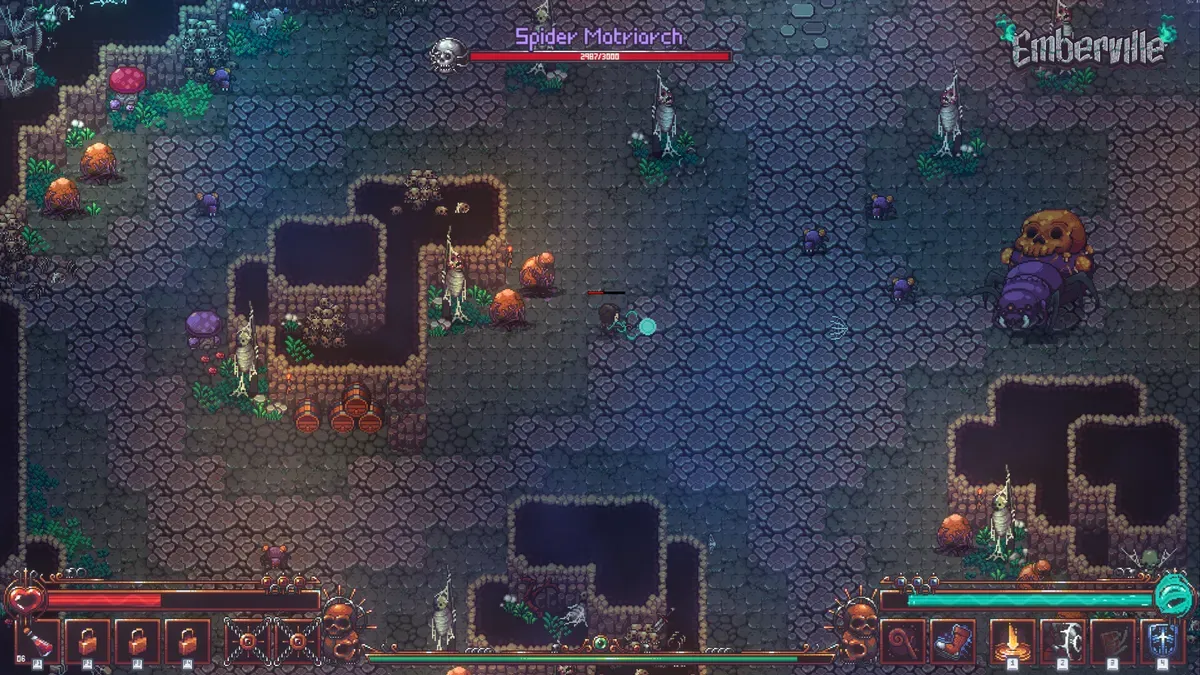
Working around the clock, the development team evaluated the sheer volume of constructive criticism regarding core gameplay loops. Realizing that systemic fixes—like reimagining ranged bow combat—could not be properly coded, tested, and balanced in a matter of hours, leadership made the executive call to push the release back by more than two months.
October 27 (Originally Scheduled Launch): The Announcement
Instead of managing server launches, Cygnus Cross published an open letter to their community, explaining the rationale behind the delay and formally establishing January 7 as the new waypoint for early access.
Supporting Data and Development Realities
Game development is notoriously iterative, yet the gaming public rarely gets a window into how quickly plans can unravel based on beta or demo feedback. Cygnus Cross addressed this directly in their public statements:
"Many of you have played our Steam Next Fest demo and shared your feedback. This means a great deal to us, and we immediately started planning more improvements. However, some of the improvements we want to make are systems changes that can’t be done quickly. Reworking bow combat, for example, would take more time than we had prior to our Early Access release even though the team is working around the clock."
Bow combat, a primary pillar of the game’s ranged offensive options, felt sluggish or unsatisfying to a significant portion of the Next Fest player base. In an action RPG where combat pacing dictates the overall feel of exploration and boss encounters, shipping a compromised system would have risked alienating early adopters. By choosing to absorb the blow of a delay, Cygnus Cross ensures that the game entering early access will feel cohesive rather than cobbled together.
Official Responses and Industry Context
The indie gaming space exists within a broader, highly volatile ecosystem. While Cygnus Cross made no mention of external scheduling pressures, it is impossible to discuss late-year release calendar shifts without acknowledging the elephant in the room: the impending launch of Rockstar Games’ Grand Theft Auto 6, scheduled for consoles on November 19.
The gravity of GTA 6 has sent shockwaves across the entire industry, causing numerous mid-to-large-scale titles—such as the recent delay of Lords of the Fallen 2 into early 2027—to vacate the late-2023 and late-2024/2025 windows to avoid being completely overshadowed.
Though industry analysts frequently debate whether niche pixel art indie games share any meaningful audience crossover with massive blockbuster open-world epics, the psychological pressure on developers to find breathing room in a congested calendar is undeniable. Even so, Cygnus Cross kept its official focus entirely internal, emphasizing gameplay philosophy over market competition:
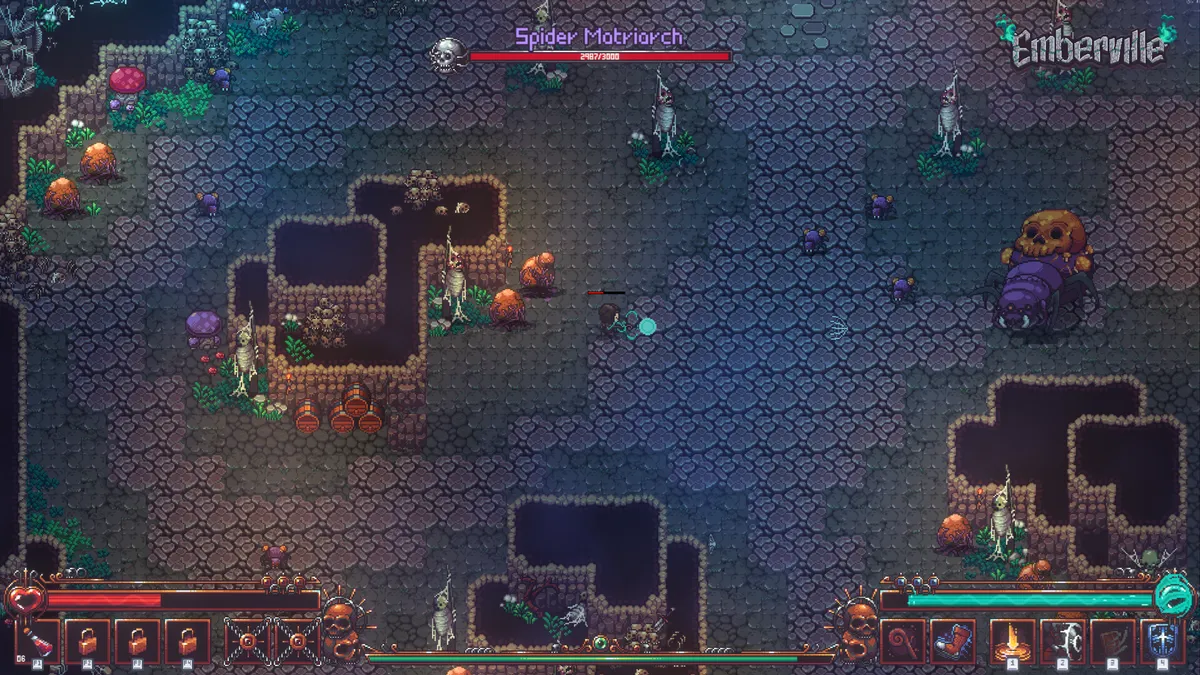
"Our goal is to deliver an experience that shows what makes the game distinctive, establishes its core gameplay, and offers a compelling glimpse of how the game will grow throughout Early Access."
This purist approach has resonated well with players, who appreciate honesty over artificial deadlines that result in day-one patch scrambles.
Implications for Emberville and the Early Access Model
The decision to delay Emberville highlights both the strengths and the vulnerabilities of the modern Steam Early Access model.
1. The Value of Demos as Stress Tests
Steam Next Fest has increasingly become a make-or-break proving ground for indie titles. While some developers view demos purely as marketing tools to spike wishlists, studios like Cygnus Cross utilize them as genuine stress tests for core mechanics. Listening to player feedback before locking a game into early access saves developers from the painful process of trying to rebuild foundational systems while managing an active, paying community.
2. Managing Community Expectations
Announcing a delay 24 hours before launch risks frustrating fans who cleared their schedules for a weekend gaming session. However, transparency tends to mitigate community backlash. Because Cygnus Cross provided concrete examples—such as the overhaul of bow combat—fans could immediately understand why the wait was being extended.
3. A Healthier Launch Window
Shifting the launch to January 7 places Emberville in a much calmer post-holiday window. While the holiday shopping rush brings high visibility, January is traditionally a period where gamers are hungry for fresh experiences after cycling through major Q4 releases. This timing gives indie titles a clearer runway to capture media attention and community mindshare without having to shout over year-end blockbusters.
What’s Next for Prospective Adventurers?
For those disappointed by the lack of new content this week, there is a silver lining. The original Steam Next Fest demo remains fully accessible on the game’s official Steam store page. Players can still drop into the vertical slice of Emberville, test out the current build, and familiarize themselves with the game’s pixel art style, atmospheric world-building, and foundational mechanics.
As Cygnus Cross heads back to the drawing board to refine bow combat, polish UI elements, and implement requested systems changes ahead of January 7, the indie RPG community will be watching closely. If the developers can successfully integrate this wave of constructive criticism, Emberville may well emerge from its extended development cycle as one of early 2025’s standout indie surprises.

