As the autumn nights grow longer and the gaming community turns its attention toward the macabre in anticipation of Halloween, a surprise release has captured the imagination of psychological horror enthusiasts. Playable Archive, a free-to-play "micro horror" experience developed by Brian Clarke—the solo creator behind the critically acclaimed indie hit The Mortuary Assistant—has officially arrived on Steam. Published under the DreadXP banner, the title offers players a chilling, bite-sized journey into the unknown. Yet, beyond its immediate value as a spooky seasonal diversion, the game serves as a fascinating artifact of game development: a lovingly preserved relic of a larger, ambitious project that was ultimately abandoned and left on the cutting room floor.
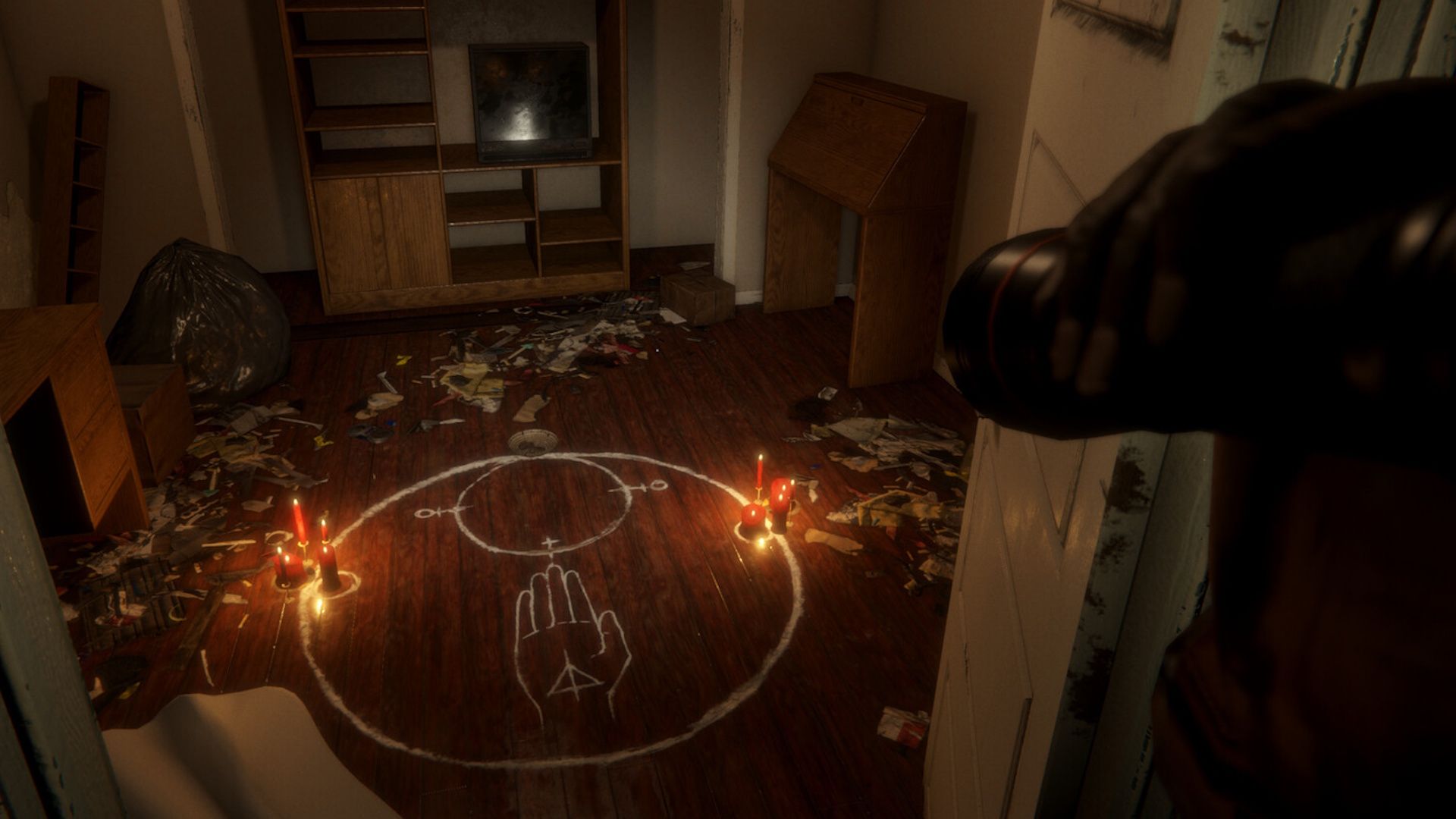
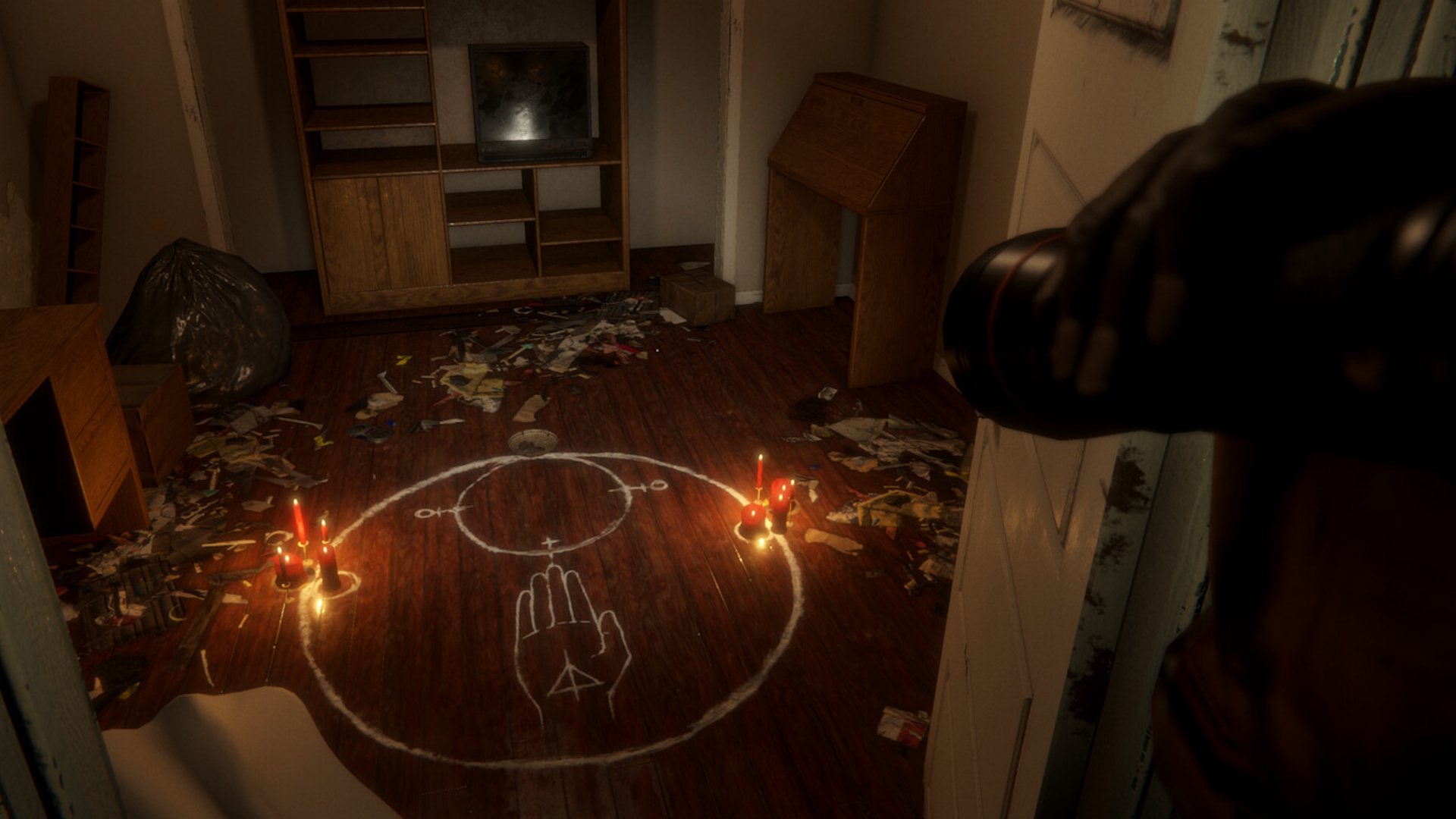
For fans of the genre, the title’s lineage and design philosophy immediately evoke memories of industry milestones past. Taking structural cues heavily from P.T.—Hideo Kojima’s legendary 2014 "playable teaser" for the cancelled Silent Hills—Playable Archive confines the player almost entirely to the interior of a single, claustrophobic residential space. The atmosphere begins with an unsettling stillness before rapidly escalating into a harrowing descent, utilizing psychological tension, found-footage aesthetics, and environmental storytelling to keep players perpetually on edge.
Main Facts: What is Playable Archive?
Developer & Publisher: Developed independently by Brian Clarke (Darkstone Digital) and published by DreadXP.
Format & Availability: Available now as a completely free download exclusively on Steam.
Estimated Playtime: Approximately 30 to 60 minutes, with no in-game save feature.
Origins: Built as a vertical slice or foundational prototype for a much larger, full-scale horror game that was ultimately cancelled during its production cycle.
Premise: Players step into the shoes of a young couple who purchase a dilapidated fixer-upper home, only to make a deeply unsettling discovery during early renovations that triggers a rapid, terrifying deterioration of their circumstances.
Chronology: The Life, Death, and Resurrection of a Project
The journey of Playable Archive from a discarded prototype to a publicly available Steam release is a story of creative closure and developer introspection.
The Conception (Years Prior to Release)
Long before The Mortuary Assistant solidified Brian Clarke’s reputation as a master of macabre pacing and atmospheric dread, Clarke conceptualized a narrative-driven horror game heavily inspired by cinematic franchises like Paranormal Activity. Pouring years of intense labor, conceptual design, and technical execution into the project, Clarke aimed to create a deeply immersive found-footage nightmare centered around home renovation and domestic dread.
The Cancellation Phase
Despite the passion poured into development, the realities of game development caught up with the project. Recognizing that the game could not be completed to the quality standards he demanded without compromising his vision or health, Clarke made the difficult decision to halt production. Hunter Bond, director of publisher DreadXP, noted that the decision to pull the plug was supported by the publisher when it became clear that the timeline wouldn’t allow the game to reach its true potential. The project was shelved, leaving years of asset creation, scriptwriting, and level design sitting unused on hard drives.
The Resurrection (October 2026)
Facing the project’s lingering shadow, Clarke decided that leaving the work entirely unseen felt akin to abandoning a cursed item. Collaborating with DreadXP, he extracted a self-contained slice of the unfinished game—refining it into a cohesive 30-to-60-minute narrative arc—and elected to release it to the public for free just in time for the Halloween season.
Supporting Data and Gameplay Breakdown
Though brief, Playable Archive packs a dense narrative punch designed to elicit visceral reactions from players. Operating from a first-person perspective, the game utilizes the found-footage trope to frame its narrative about homeownership gone catastrophically wrong.
Initial reports from players and reviewers highlight several key design elements:
The Pacing Curve: The game begins deceptively slow, encouraging players to explore the mundane mechanics of cleaning and inspecting a rundown property. However, a meticulously timed mid-game narrative twist shatters the routine, introducing surreal and deeply disturbing phenomena that accelerate the gameplay loop exponentially.
Lack of Save States: In keeping with its identity as a "micro" experience, the game intentionally omits a save function. With a completion time targeted tightly between 30 and 60 minutes, players are encouraged to experience the descent in a single, uninterrupted sitting.
Metanarrative Intrigue: Much like P.T., the game leaves players with more questions than answers. The abrupt conclusion intentionally refuses to tie up every narrative loose end, leaving a vacuum of lore that has already sparked online sleuthing and community discussions regarding the true nature of the house’s history.
Official Responses and Developer Insights
Releasing a piece of a cancelled game is an unconventional move in an industry where unreleased code is typically guarded like state secrets. Speaking candidly about the release, Clarke explained the emotional weight behind the decision.
"Releasing Playable Archive is really exciting, and it feels like some form of personal healing," Clarke shared. "After working for so long on something I cared so much about, it felt wrong to leave it sitting on the shelf like some cursed item. Although the full-scale game this demo was built for will never see the light of day and many pieces of it had to be left on the cutting room floor, I feel like it’s important to honor what was built. Immortalizing the project’s memory with Playable Archive is my way of doing that while offering something new from me for horror fans this Halloween as I get to work on new projects."
When asked whether this release was intended as a market-testing phase to gauge public interest in reviving the full game, Clarke offered a definitive negative.
"I loved the project, but I spent such time and effort on it that it would simply be too much to try to toil away on it again for who knows how long," Clarke clarified. "I have no desire to revisit it at this point other than for inspiration. From the very beginning it was designed with Paranormal Activity in mind, so I’d rather spend my efforts creating something new than trying to force something new from an existing project."
Publisher perspective echoed this sentiment of closure and forward momentum. Hunter Bond, director at DreadXP, elaborated on the collaborative decision to set the code free:
"Brian was still haunted by the game he worked on for years not being publicly playable in any form," Bond stated. "I asked if he agreed that it would both be a cool and amusing thing to do to just release it into the wild for free so that people could experience it. We feel good about the choice we made to support Brian and cancel it when he wasn’t going to be given enough time to get it to the level it deserved. We all hope people enjoy it, but I wouldn’t ask him to retread this ground. Instead I’m excited to see what he works on next now that he can have some closure with this."
Implications for the Indie Horror Scene
The launch of Playable Archive carries wider implications for how developers handle cancelled projects and interact with their communities:
Destigmatizing the "Cutting Room Floor": Historically, cancelled games vanish into obscurity, existing only through leaked design documents, concept art, or bitter developer retrospectives. By packaging a functional slice into a playable release, Darkstone Digital and DreadXP demonstrate a transparent, consumer-friendly alternative that respects player curiosity while granting the creator psychological closure.
The Power of Short-Form Horror: In an era where AAA horror titles often demand 10 to 20 hours of narrative padding, Playable Archive reinforces the enduring viability of the micro-horror format. By distilling dread into a concentrated, single-session burst, indie developers can deliver high-impact experiences without the financial and logistical risks of full-scale production.
Marketing via Authenticity: Releasing a free, passion-driven project without monetization pressures builds immense goodwill within the gaming community. For Darkstone Digital, the release serves not only as a Halloween treat but as a powerful bridge connecting past efforts to whatever universe Clarke chooses to explore next.
As players log onto Steam to download the title ahead of Halloween night, they are participating in a unique industry moment: a celebration of a game that never was, brought to life so that it might finally rest in peace.