

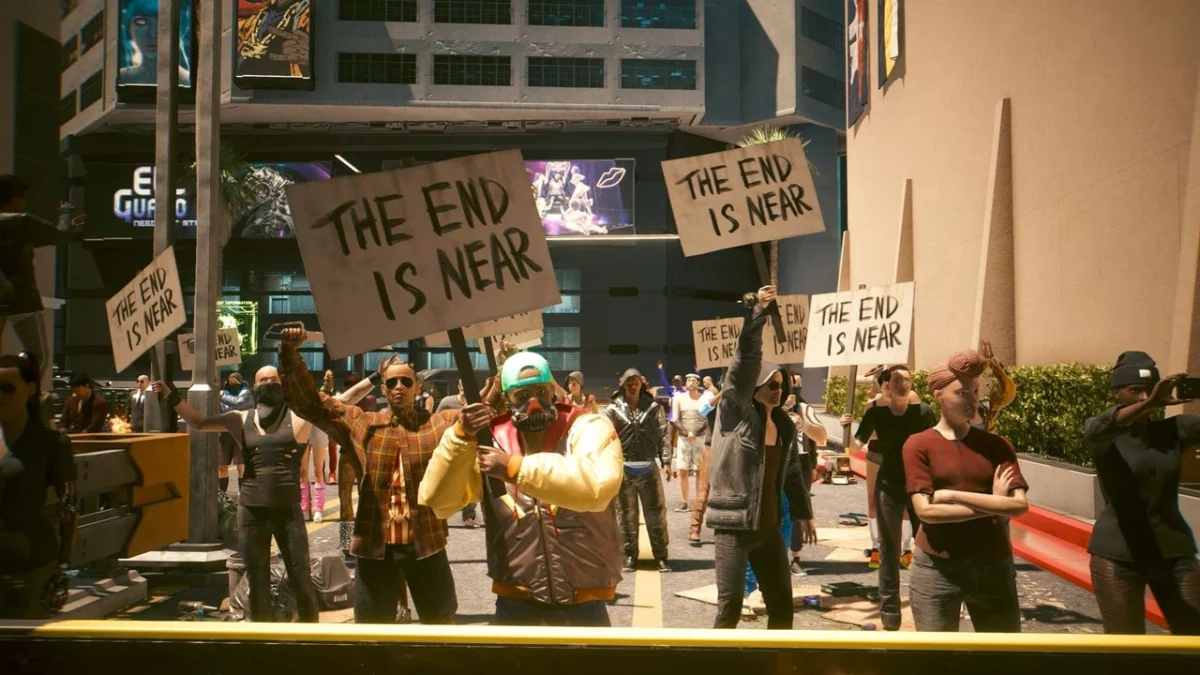
In the high-stakes world of AAA game development, few narratives are as polarizing or as scrutinized as the rise, fall, and subsequent resurrection of Cyberpunk 2077. Developed by the Polish powerhouse CD Projekt Red (CDPR), the title was once the most anticipated game in history. However, its release in December 2020 became a cautionary tale of over-ambition and technical failure.
Years later, as the dust settles and the game is widely regarded as a triumph of modern RPG design, the studio’s leadership remains cautious. Michaël Nowakowski, joint CEO of CD Projekt Red, recently offered a candid reflection on the event, admitting that while the studio has made great strides, the “faith” of some players may be lost forever.
The Chronology of a Crisis: From Hype to Infamy
To understand the weight of Nowakowski’s comments, one must revisit the timeline of the game’s tumultuous lifecycle.
The Hype Cycle (2012–2020)
Announced in 2012, Cyberpunk 2077 spent eight years in development. Driven by the monumental success of The Witcher 3: Wild Hunt, CDPR became the darling of the gaming industry. The marketing campaign was relentless, featuring Keanu Reeves and promising a revolutionary open-world experience that would redefine the genre.
The December Debacle (2020)
When the game finally launched, the reality fell catastrophically short of the marketing promises. On base consoles (PlayStation 4 and Xbox One), the game was virtually unplayable, plagued by game-breaking bugs, abysmal frame rates, and massive graphical pop-in issues. The backlash was immediate and unprecedented, leading Sony to take the drastic step of removing the game from the PlayStation Store—a move rarely seen for a title of such magnitude.
The Redemption Arc (2021–2023)
CDPR pivoted into full crisis management. Over the next three years, the studio released a steady stream of patches, culminating in the massive 2.0 update and the critically acclaimed Phantom Liberty expansion. These efforts transformed Cyberpunk 2077 into the game fans were promised initially. Today, the title holds a "Very Positive" rating on Steam, a stark contrast to its launch-day reception.
Supporting Data: By the Numbers
Despite the disastrous start, the financial and engagement data paint a picture of a successful recovery.
- Sales Milestones: In less than five years, Cyberpunk 2077 has surpassed 35 million units sold, outperforming the five-year sales trajectory of The Witcher 3: Wild Hunt.
- Revenue Generation: The game has become the primary pillar of CD Projekt Red’s revenue, proving that consumer trust—or at least consumer interest—can be regained through long-term support and commitment to quality.
- Player Retention: Following the launch of the Edgerunners anime on Netflix and the 2.0 update, the game saw a massive resurgence in daily active users, proving that the brand remained resilient despite the initial vitriol.
Official Responses: The CEO’s Perspective
In a recent interview for Edge’s Knowledge newsletter, Michaël Nowakowski provided an introspective look at the studio’s internal culture post-launch. He described the period following December 2020 as "heartbreaking" for the development team.
"I’m not 100 percent convinced we went through the full redemption arc," Nowakowski admitted. "I’m convinced that we lost the faith of some people indefinitely, and that’s a fair thing."
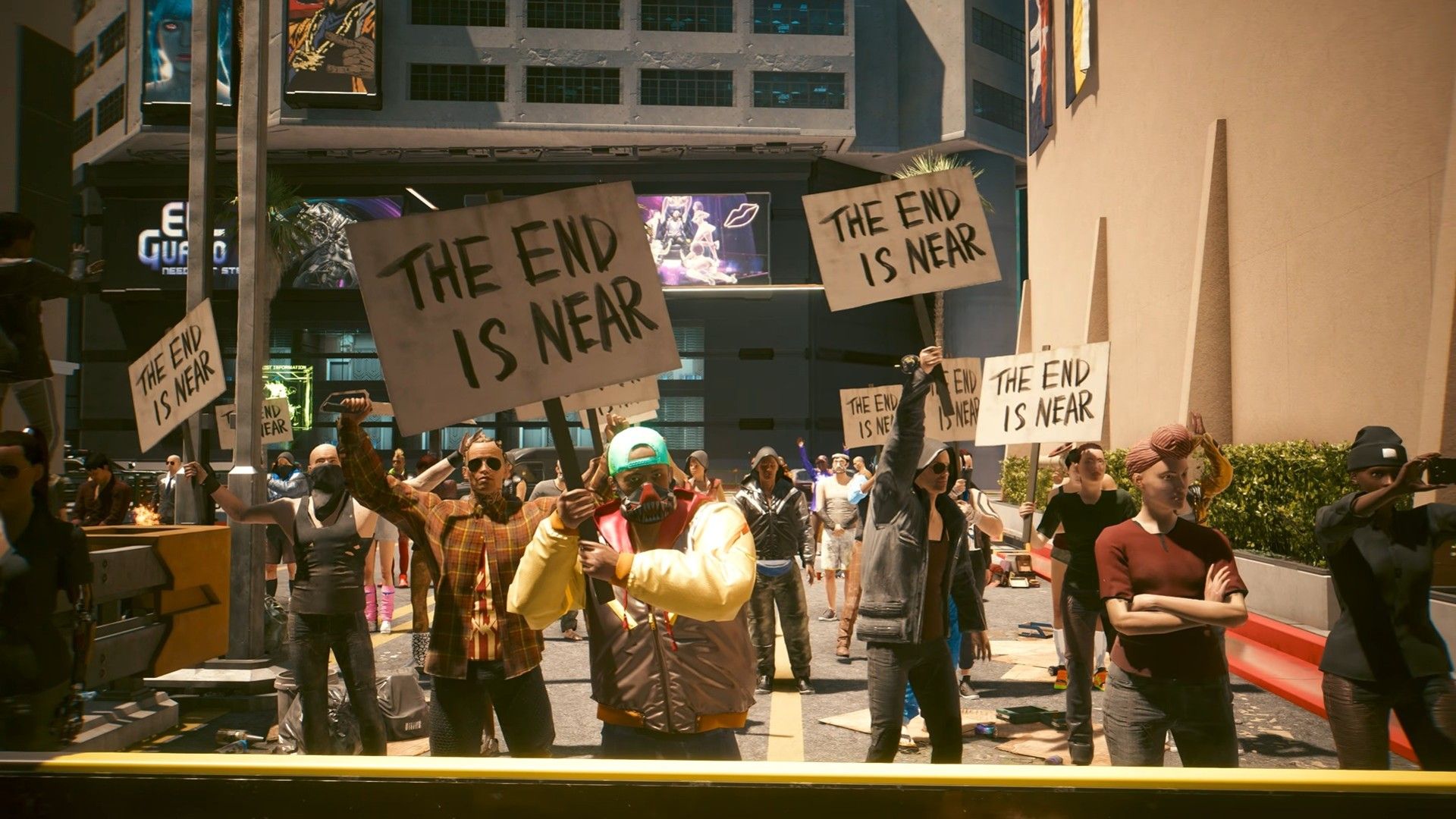
This perspective is refreshingly honest for a C-suite executive. Rather than glossing over the past, Nowakowski acknowledges that reputation is the company’s most vital asset. He notes that while the studio has done everything in its power to rectify the situation, they recognize that for a segment of the gaming community, the damage to the "CD Projekt Red" brand was permanent. However, he remains optimistic about the future, noting, "I do hope we will be able to make it back—if not with The Witcher 4, then with whatever comes next."
Implications for the Future: The Pressure of Expectations
CD Projekt Red is currently at a crossroads. With multiple major projects in development—including the sequel to Cyberpunk 2077 (codenamed Project Orion), a brand new IP (codenamed Hadar), and the highly anticipated The Witcher 4—the pressure on the studio is immense.
The Witcher 4 and the Burden of Perfection
The next entry in The Witcher series is effectively the studio’s most important release since the Cyberpunk launch. While The Witcher 3 cemented their legacy, The Witcher 4 must now prove that the company has learned its lessons regarding project management, release timelines, and quality control.
The studio has already indicated that it will not be rushing these titles. In fact, they have recently clarified that they will not be producing an expansion for The Witcher 4, citing the difficulty of juggling three Witcher projects within a six-year window. This suggests a shift in philosophy: prioritizing sustainable development over the "crunch culture" and over-promising that defined the Cyberpunk era.
A Culture Shift?
The industry is watching to see if CDPR can transition from a studio that relies on "fixing it later" to one that delivers finished, polished products at launch. The market has changed, and gamers are increasingly wary of pre-orders and day-one purchases. For CDPR to fully regain its standing, their next launch must be "immaculate."
The upcoming Songs of the Past expansion for The Witcher 3, arriving in 2027, serves as a bridge. It keeps the community engaged while the studio works behind the scenes on its next major leap forward.
Conclusion: Lessons Learned
The journey of Cyberpunk 2077 is a reminder that in the modern gaming landscape, a launch is no longer the final word. While the "redemption arc" is a popular narrative in gaming media, Nowakowski’s comments serve as a sobering reminder that developers must respect the consumer’s patience.
CD Projekt Red is no longer the invincible, infallible studio that released The Witcher 3. They are a company that has been humbled by its own mistakes. Whether they can truly "make it back" depends entirely on their ability to deliver consistent, high-quality experiences that don’t require years of post-launch surgery. If the next chapter of The Witcher hits the mark, it won’t just be a win for the studio—it will be a testament to the idea that accountability and long-term support can, eventually, heal even the deepest of industry wounds.
As we look toward the horizon of Project Orion and the next generation of Witcher adventures, the stakes could not be higher. CD Projekt Red knows they are no longer competing against their competitors—they are competing against their own history. The "end" of the Cyberpunk crisis was just the beginning of a long, arduous process of rebuilding. For the sake of the developers and the players alike, the industry hopes that the next iteration of the studio is one that has finally found the balance between ambition and reality.

