

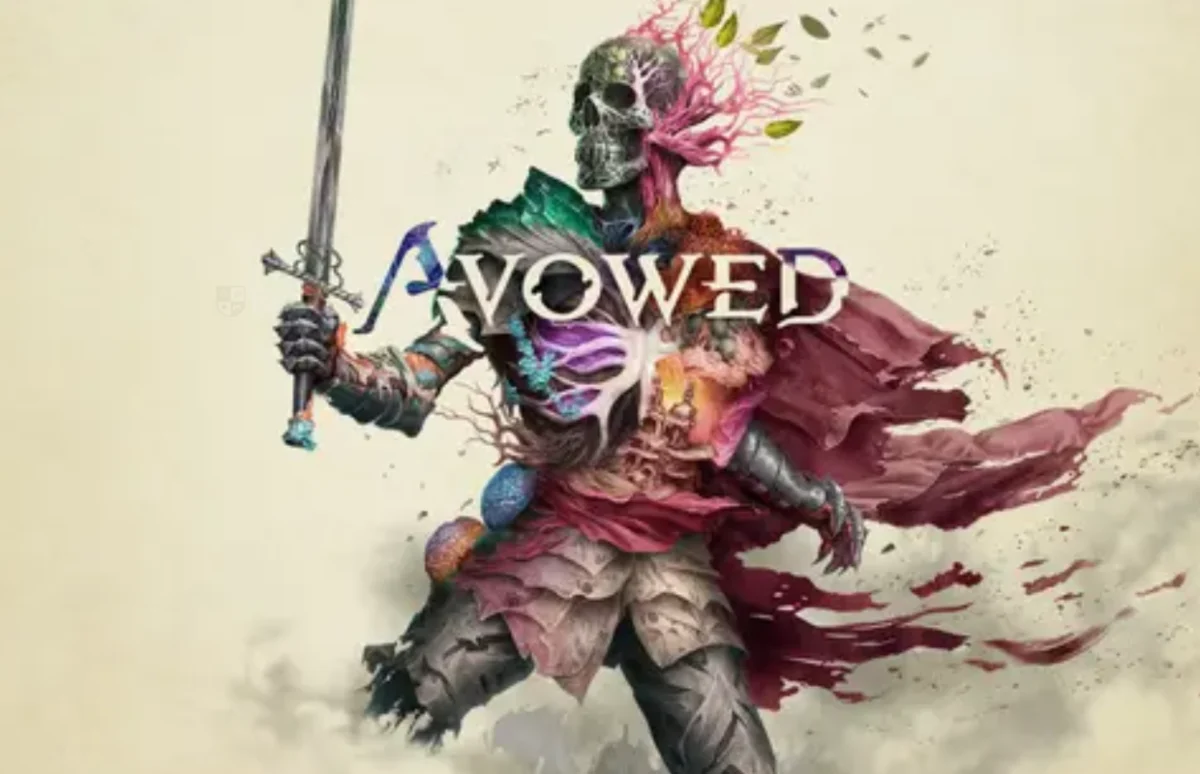
In a major strategic realignment that signals a seismic shift within the Microsoft Gaming ecosystem, Obsidian Entertainment—the storied developer behind Fallout: New Vegas and The Outer Worlds—has confirmed a radical change in its development roadmap. According to a recent report from Bloomberg, the studio has officially canceled several in-development projects, most notably a sequel to the recently released fantasy RPG Avowed. In their place, the studio is pivoting to lead a new, highly anticipated entry in the Fallout franchise.
This decision arrives as part of a broader, sweeping restructuring of the Xbox division, which has seen significant layoffs and the reorganization of numerous high-profile internal studios.
The Strategic Pivot: Returning to the Wasteland
The announcement marks a "back to basics" approach for Obsidian, a studio that has long been regarded by fans as the natural home for the Fallout intellectual property. The project will be helmed by industry veteran Josh Sawyer, whose pedigree in the isometric and narrative-heavy RPG space is arguably unmatched.
Sources indicate that Sawyer was already in the early stages of directing an original, unannounced RPG that shared thematic DNA with the Fallout series. Following the shift in corporate directives, that project has been folded into the official Fallout canon. For fans who have clamored for a return to the style of New Vegas—a game that remains a high-water mark for open-world narrative design—this news is bittersweet, as it comes at the cost of Obsidian’s original internal projects.
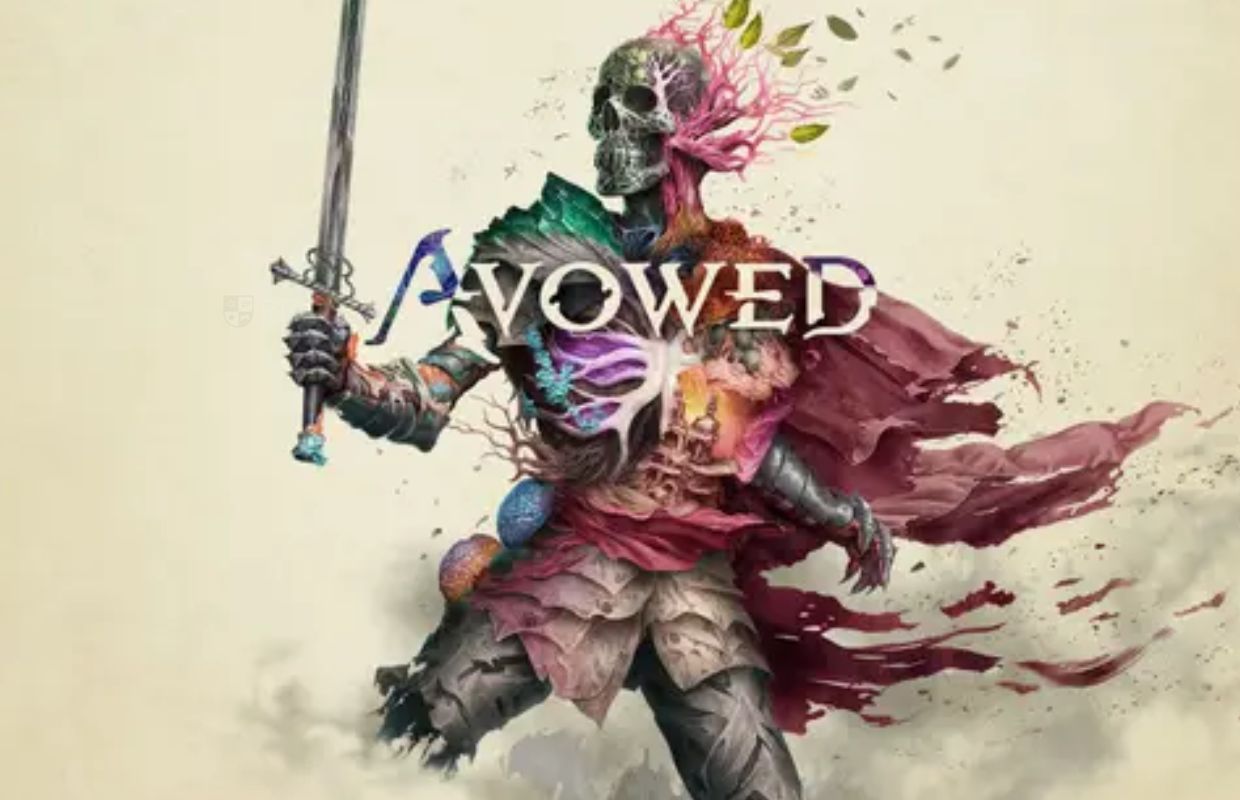
The cancellation of an Avowed sequel is particularly striking. Avowed, which recently launched to a mixed but generally receptive audience on Xbox, PlayStation 5, and PC, was intended to be a foundational pillar of Obsidian’s fantasy portfolio. The decision to halt its development suggests that Microsoft is prioritizing established, high-revenue IPs over the cultivation of new fantasy franchises in the current economic climate.
Chronology of the Xbox Restructuring
The decision to shift Obsidian’s focus is not an isolated incident but rather a symptom of a much larger, ongoing effort by Microsoft to stabilize its gaming division. Since the acquisition of ZeniMax Media and the subsequent purchase of Activision Blizzard, the Xbox division has faced mounting pressure to deliver consistent, profitable hits while managing an unprecedented portfolio of studios.
- FY26 (Early): Rumors of "optimizations" begin to circulate as Xbox shifts focus toward multi-platform releases, including the porting of titles to PlayStation and Switch.
- FY27 (Q1): The scale of the restructuring becomes clear. Reports confirm a total planned reduction of 3,200 roles across the organization for the fiscal year.
- FY27 (Current Status): As of this writing, 1,600 of those positions have already been eliminated. This includes layoffs at notable studios such as Ninja Theory, Compulsion Games, Double Fine, Arkane, and Undead Labs.
- July 2026: The official announcement regarding Obsidian’s pivot to Fallout and the cessation of Avowed’s sequel development is confirmed via internal reports.
This timeline reflects a transition from an "expansionist" strategy—where Microsoft acquired studios to fill out the Game Pass library—to a "consolidation" strategy, where resources are being funneled into the most "guaranteed" intellectual properties.
Supporting Data: The Cost of Corporate Efficiency
The 3,200-person reduction target for FY27 represents one of the largest sustained layoff periods in modern gaming history. To put this into perspective, the scale of these cuts is larger than the entire workforce of several mid-sized independent publishers combined.
The rationale behind these layoffs, according to internal memos circulating within Microsoft, is to ensure the long-term sustainability of the Xbox ecosystem. However, the data reveals a challenging paradox: while the company is reporting record revenue through its multi-platform strategy (bringing titles like Pentiment and Avowed to rival consoles), the human cost of these "efficiencies" has been immense.
The cancellation of Avowed 2 serves as a primary data point in this narrative. The title was reportedly in the early stages of pre-production, meaning the financial loss is minimal in terms of raw development hours compared to a late-stage cancellation. However, the loss of creative momentum and the morale hit to the staff at Obsidian are, according to industry analysts, "incalculable."
Official Responses and Industry Context
While Microsoft has not issued a granular press release breaking down the status of every canceled project, their official stance remains one of "studio optimization." A spokesperson for Xbox emphasized that the company remains committed to the "long-term health" of its creative teams.
Josh Sawyer, known for his transparent and thoughtful communication with the community, has yet to issue a formal statement regarding the transition. However, in previous interviews—such as those marking the second anniversary of his acclaimed title Pentiment—Sawyer expressed a desire to keep creating deep, narrative-driven experiences. His leadership on a new Fallout project aligns with his established expertise in world-building and player-choice mechanics.
The industry at large has reacted with a mix of excitement and caution. While the prospect of a new Obsidian Fallout game is, for many, a "dream project," the context of widespread layoffs leaves a sour taste for many observers who worry that the creative culture at these studios is being eroded in favor of short-term quarterly results.
Implications: What This Means for the Future of Xbox
The implications of this shift are profound, both for Obsidian and for the future of the Fallout franchise.
1. The Consolidation of IP
Microsoft is clearly betting on the Fallout brand to carry the weight of its RPG output. With the success of the Amazon Prime Fallout television series, the franchise has never been more visible in the cultural zeitgeist. By putting Obsidian—the studio most associated with the franchise’s creative peak—at the helm, Microsoft is effectively de-risking their portfolio.
2. The End of the "Experimental" Era
Obsidian has historically been known for its creative range, moving from the isometric Pillars of Eternity to the narrative puzzle-adventure of Pentiment. By narrowing their focus to a massive, AAA Fallout project, the studio may be moving away from the smaller, experimental titles that have defined its recent creative output. This shift reflects a wider industry trend where the "middle-market" game is disappearing in favor of "megaprojects."
3. The Impact on Studio Morale
The constant state of restructuring creates an environment of instability. When a studio is told to cancel a sequel to a game they just released, it sends a clear message: no project is safe until it is on the shelf. This can lead to "safe" design choices, where developers are less willing to innovate because they fear their project might be the next one on the chopping block.
4. A New Chapter for Obsidian
Despite the turmoil, the partnership between Obsidian and Fallout is a potent one. If any team has the institutional knowledge to expand the Fallout universe in a meaningful way, it is this one. The challenge will be for the studio to maintain its unique voice—the cynical humor, the deep philosophical inquiry, and the complex factional politics—within the constraints of a major, Microsoft-backed blockbuster.
Conclusion: A Turning Point
As we look toward the remainder of FY27, the focus will undoubtedly be on the Fallout project. Obsidian Entertainment remains one of the most respected names in the RPG genre, and their return to the Wasteland is a homecoming that many fans have waited over a decade to see.
However, the narrative of this transition cannot be separated from the broader context of the Xbox restructuring. The loss of projects like the Avowed sequel and the reduction in workforce across the Xbox ecosystem are reminders that the industry is in a period of intense, often painful, recalibration.
For now, the industry watches and waits. We know that Josh Sawyer is leading a new Fallout title, and we know that the studio’s trajectory has been irrevocably altered. Whether this pivot results in a masterpiece that redefines the franchise or merely serves as a corporate-mandated return to a familiar well remains to be seen. What is certain, however, is that Obsidian Entertainment has begun a new chapter—one that will be defined by the shadows of the past and the immense expectations of the future.

