

As the gaming industry matures, the intersection of high-concept marketing and avant-garde art has produced some truly bizarre spectacles. However, few recent developments have managed to elicit as much bewildered fascination as Sega’s latest announcement. To commemorate the 35th anniversary of Sonic the Hedgehog—a mascot who has defined the blue-blur’s rapid-fire legacy since 1991—the company has opted for an approach that leans less into nostalgia and more into the uncanny valley of bio-engineering.
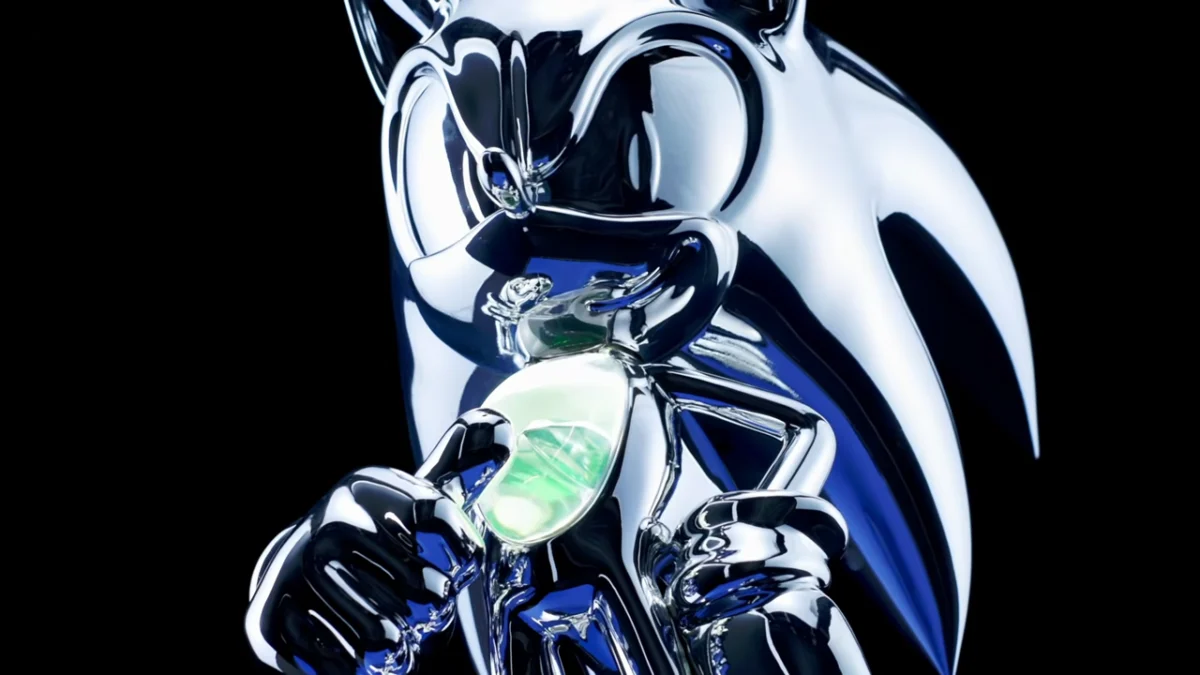
Sega has unveiled a life-sized, chrome-finished statue of Sonic the Hedgehog that supposedly houses the character’s literal DNA. While the announcement has been met with a mix of excitement and deep skepticism, it stands as a testament to the lengths to which global brands will go to capture the attention of a post-modern audience.
The Genesis of a Blue Blur: Core Facts
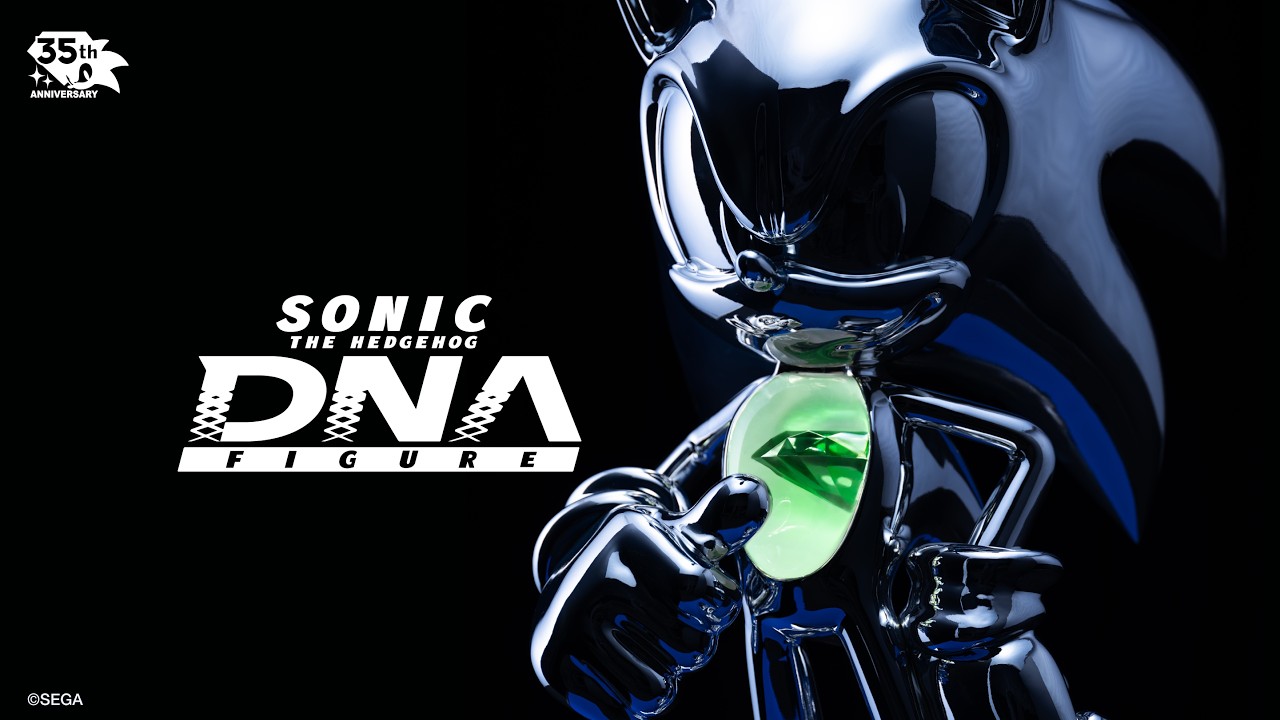
The centerpiece of the anniversary celebration is the "Sonic the Hedgehog DNA Figure." This is not a standard PVC collectible or a high-end resin statue; it is a collaborative art piece developed with the "Lom Baby" project from Transeeds. Transeeds is a self-described "science collective" consisting of engineers, artists, and biological researchers who specialize in the field of "bio-art."
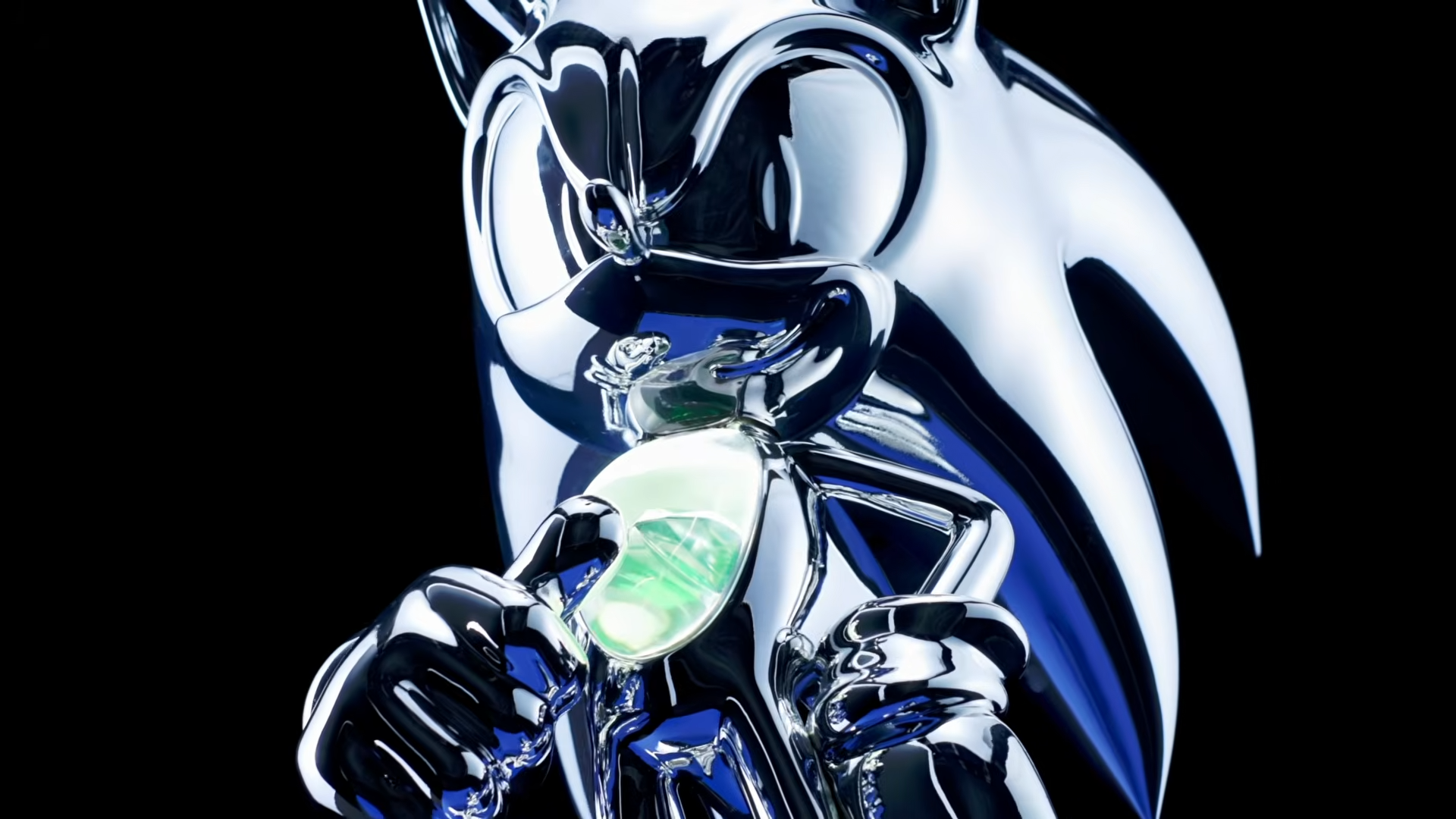
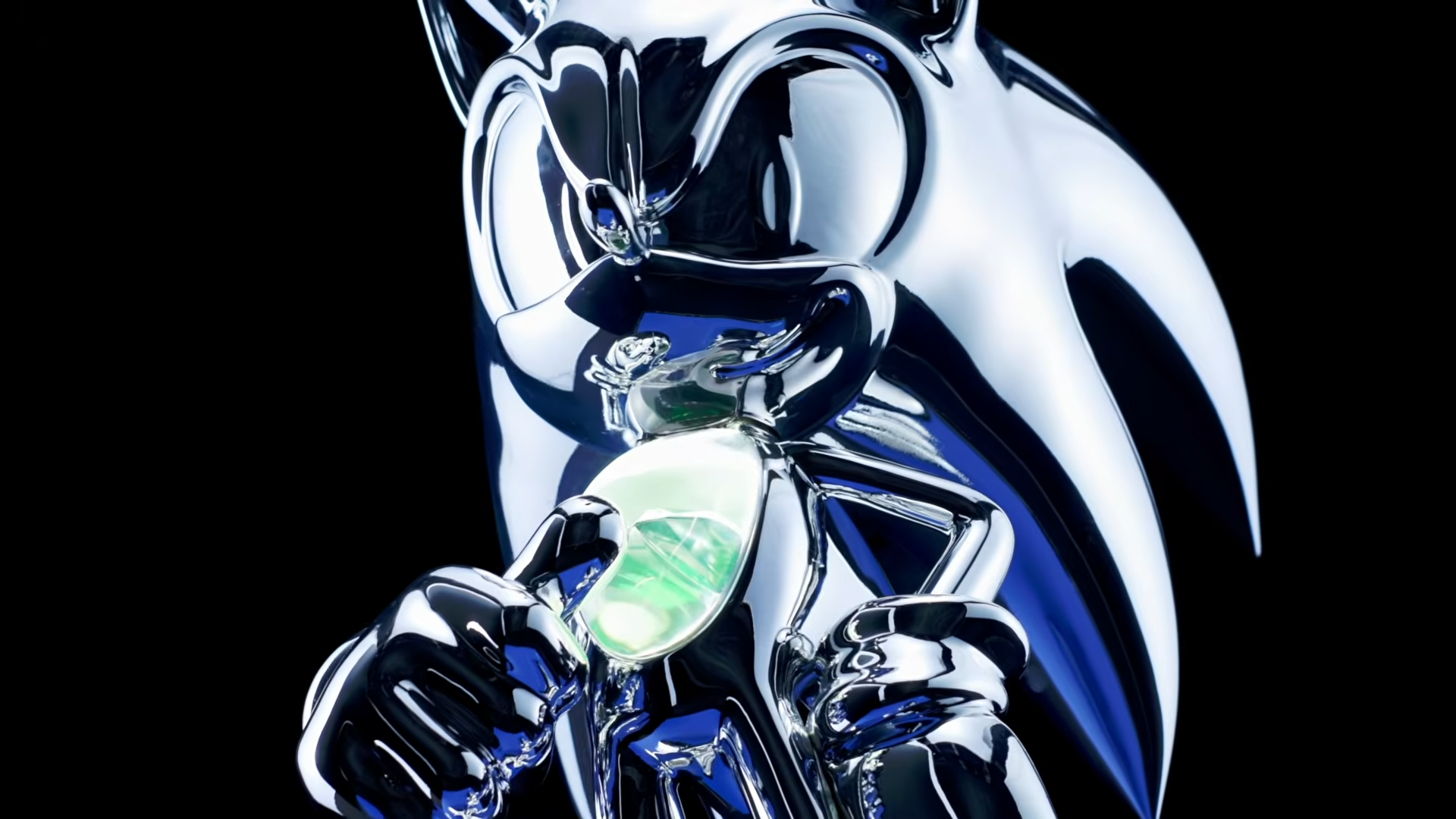
The statue itself is a striking, reflective chrome figure. Its most controversial feature is a translucent chamber within the torso, which houses a suspended, glowing green element designed to resemble a "Chaos Emerald." Encapsulated within this emerald is the liquid-suspended genetic material that Sega claims is the actual, synthetic DNA of the character.
The exhibition is scheduled to launch on June 23 at the Tokyo Sega Store. It serves as the focal point for a broader 35th-anniversary campaign, which includes orchestral concerts, high-fashion collaborations, and a deluge of limited-edition merchandise.
A Chronology of Scientific Absurdity
To understand how we arrived at the point where a Japanese gaming giant is synthesizing the genetic code of a fictional mammal, one must look at the trajectory of the Lom Baby project. This is not the first time Transeeds has blurred the line between science fiction and reality.
- The Precedent of "Dragon Meat": Transeeds previously gained notoriety for an exhibition at the National Art Center in Tokyo, where they claimed to present "dragon meat"—a bio-engineered attempt to simulate the texture and biological profile of a creature that exists only in myth.
- The T-Virus Partnership: Perhaps most infamously, the collective partnered with Capcom to "recreate" the T-Virus from the Resident Evil franchise. By utilizing synthetic biology to mimic the visual and theoretical characteristics of the fictional pathogen, they established a reputation for "scientific idolatry."
- The 35th Anniversary Pivot: When Sega approached the collective for the 35th anniversary, the goal was to take a character defined by his speed and energy and distill that essence into a biological format. The result, unveiled in a cryptic and highly stylized YouTube video, is a statue that treats Sonic not just as a pixelated icon, but as a biological entity worthy of preservation.
Decoding the Blueprint: What’s in the Genes?
The question that continues to haunt the gaming community is: What exactly is in the DNA?
According to promotional materials and the technical breakdowns provided by the Lom Baby project, the "genome" was not extracted from a hedgehog—an impossibility given Sonic’s fictional nature. Instead, the team utilized a chimeric assembly process. They mapped the character’s known lore and abilities to specific biological markers.
The "Sonic Genome," as described by the project leads, includes:
- Velocity Cells: A synthetic protein sequence designed to represent the character’s iconic ability to break the sound barrier.
- Exploration DNA: A set of coded sequences that the creators claim mirror the curiosity and adventurous spirit of the protagonist.
- The Boost System: A structural component of the genetic material that mimics the character’s ability to draw upon localized power sources, such as the Chaos Emeralds, to achieve temporary acceleration.
This process of "synthetic fabrication" raises questions about the definition of authorship and authenticity. By creating a physical, biological artifact, Sega is essentially canonizing the character’s internal logic as a material reality, moving from "Sonic as a game character" to "Sonic as a biological subject."
Official Responses and the "Quotation Mark" Dilemma
Sega’s official communication regarding the project has been notably cagey. By consistently placing terms like "Sonic’s DNA" and "essence" in quotation marks, the company maintains a thin veil of plausible deniability.
In a press statement, a representative for the project noted, "The DNA encapsulated within the Chaos Emerald symbolizes that ‘Sonic’s core’ will endure, never fading, into the future." This statement appears to confirm that the project is, at its heart, a metaphor. Yet, the choice to work with a legitimate bio-art firm—one that has actual laboratory capabilities—leaves many wondering if there is more to the "milky suspension" inside the statue’s chest than mere decorative fluid.
The use of the Chaos Emerald as a vessel is particularly telling. In the Sonic franchise, the Emeralds are objects of near-infinite power. By placing the DNA inside, Sega is effectively merging the character’s identity with the source of his power, creating a relic that functions as a touchstone for the brand’s enduring legacy.
The Broader Implications: Bio-Art and Gaming
Why would a company as massive as Sega invest in such a niche, potentially unsettling project? The implications of the "Sonic DNA" statue go beyond mere marketing.
The Gamification of Biology
We are seeing a trend where gaming brands attempt to bridge the gap between virtual and physical reality. While the Nintendo Switch or a PS5 console provides an interface to play a game, bio-art projects like this attempt to bring the game’s logic into our physical ecosystem. It is an act of "ontological marketing"—changing the way we perceive the character’s existence.
Scientific Hubris or Creative Genius?
Critics argue that this is a step too far into the uncanny valley, suggesting that the "fetishization" of a character’s DNA borders on the grotesque. Conversely, proponents of the project argue that this is the logical extreme of fan culture. If we have always wanted to know what makes Sonic "tick," the Lom Baby project has provided a tangible, if bizarre, answer.
The Future of Fan Engagement
If this exhibition proves successful, we may see a shift in how major franchises approach anniversaries. We could move away from simple retrospective collections and toward "material culture" projects where the history of a game is expressed through synthetic biology, architecture, or even culinary art. It turns the franchise into a living, breathing subject of study rather than a static piece of media.
Conclusion: A Monument to the Unreal
The Sonic the Hedgehog DNA Figure is undeniably a strange, perhaps even disturbing, addition to the 35th-anniversary celebration. Yet, it is entirely in character for a franchise that has consistently pushed the boundaries of its own medium.
Whether this is a genuine breakthrough in the marriage of science and pop culture or merely a high-budget, "mad scientist" publicity stunt, one thing is clear: Sega has succeeded in creating a conversation that will last far longer than the average anniversary tweet. For now, the statue sits in the Tokyo Sega Store, a gleaming, chrome-plated reminder that in the world of Sonic, the line between the virtual and the biological is, quite literally, dissolving.
For the fans who make the pilgrimage to see it, the question will not be whether the DNA is real, but whether it matters. In an age where digital personas carry as much weight as real-world figures, perhaps a bit of "synthetic DNA" is the most appropriate way to honor a hero who was never truly human to begin with.

