

Main Facts
As the iconic action-RPG franchise celebrates a milestone three decades of demonic slaughter, Blizzard Entertainment has pulled out all the stops for Diablo 4’s current Season of Hell’s Legacy. While players initially dove into the seasonal update expecting the usual cycle of gear grinds and seasonal mechanics, the community has instead stumbled upon a sprawling, highly faithful recreation of the series’ most legendary origin point: Old Tristram.
Discovered by Reddit user JT99-FirstBallot and subsequently broken down by content creators like MacroBioBoi, this hidden zone is more than a simple cosmetic nod. It is a fully interactive, meticulously crafted blast from the past that replicates the ruined village from the original 1997 classic and its devastating sequel. Complete with iconic NPCs, classic audio cues, and high-tier endgame content tied to Diablo 2’s infamous Pandemonium Event, the discovery has reignited community-wide speculation about what other secrets Blizzard might have hidden within the depths of Sanctuary.
Furthermore, this discovery arrives at a critical juncture for Diablo 4. With Blizzard confirming that no further traditional expansions are planned following the lead-up to Diablo 5 (projected for a 2029 release), the studio is relying heavily on thematic seasons to carry the narrative torch. The inclusion of deep lore nods like Old Tristram and Uber Tristram indicates a strategic shift toward rewarding veteran players and bridging narrative gaps through immersive, seasonal nostalgia.
Chronology: From 1997 to the Season of Hell’s Legacy
To truly understand the weight of the current Diablo 4 discovery, it is vital to trace the historical timeline of the franchise and the evolution of its most haunted settlement:
- 1997 (The Birth of Tristram): Blizzard North releases the original Diablo. Players are introduced to the sleepy, gothic cathedral town of Tristram, which serves as the central hub. Safe zones like the tavern and blacksmith are populated by doomed characters such as Griswold, Ogden, Pepin, and Wirt.
- 2000 (Diablo II and the Fall): Diablo II debuts, revealing the tragic fate of the original game’s hero and the complete destruction of Tristram at the hands of the Prime Evils. The once-peaceful village is left as a charred wasteland overrun by ghouls, where players rescue the aging scholar Deckard Cain.
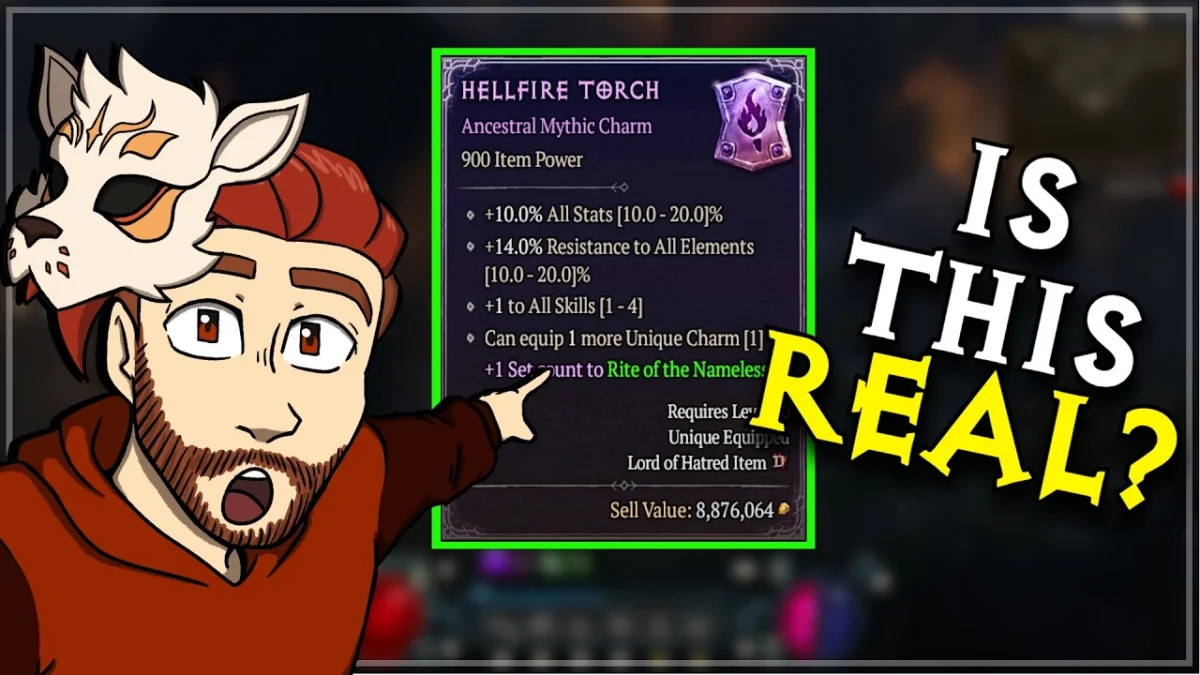
- 2006 (Lord of Destruction & Uber Tristram): The Lord of Destruction expansion introduces the Pandemonium Event and Uber Tristram—an alternate, hyper-difficult version of the ruined village where players must face Uber Diablo, Uber Mephisto, and Uber Baal simultaneously to earn the coveted Hellfire Torch charm.
- Present Day (Season of Hell’s Legacy): Diablo 4 launches its anniversary-focused season. Following early community discoveries of classic Diablo 2 Rune word recipes, players uncover the secret implementation of Old Tristram and its terrifying Uber counterpart within the modern engine of Diablo 4.
Supporting Data and Technical Breakdown
The resurgence of Tristram in Diablo 4 is not merely a superficial Easter egg; it represents a complex technical and design integration blending modern game engines with legacy assets:
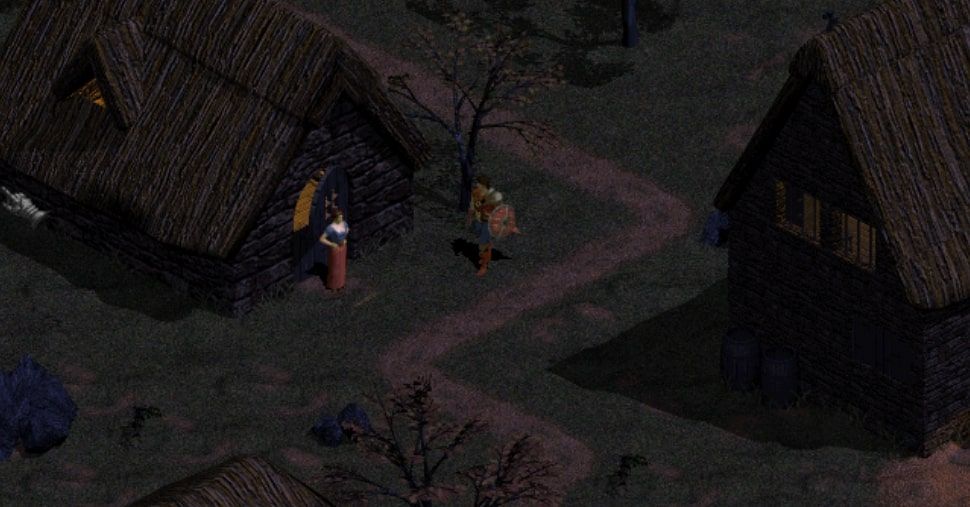
- Audio Fidelity: According to community feedback, the standout feature of the recreation is the audio design. The haunting, instantly recognizable acoustic guitar riff of the original Tristram theme has been seamlessly woven into the modern soundscape, eliciting a visceral psychological reaction from veteran players.
- NPC Mapping: Classic characters—including Griswold the Blacksmith—return with faithful voice direction and behavioral loops, preserving the uncanny atmosphere of a town frozen in its final, tragic moments before doom.
- The Uber Tristram Encounter: Utilizing specific trigger mechanics discovered by the community, players can escalate the zone into Uber Tristram. This mirrors the exact gameplay loop of the 2006 Lord of Destruction endgame.
- The Hellfire Torch Reward: Just like its predecessor, conquering the triple threat of Uber Diablo, Baal, and Mephisto yields the legendary Hellfire Torch charm. However, early data-mining and player testing indicate that these bosses are also dropping entirely new mystery items, the exact utility of which the community is still actively trying to decode.
Official Responses and Developer Strategy
Blizzard has largely taken a hands-off approach to letting the community unearth these secrets organically, aligning with their broader philosophy for the Season of Hell’s Legacy. Rather than detailing every seasonal addition in patch notes, the development team has leaned into the "discovery era" of gaming, encouraging players to datamine, test theories, and share findings across platforms like Reddit and YouTube.
With the announcement that Diablo 4 will bypass further massive expansion packs in favor of narrative-driven seasons leading up to Diablo 5 (slated for 2029), the studio’s design philosophy has visibly pivoted. Developers have noted that while traditional multi-year expansion cycles are ending, the live-service framework provides ample room for experimental storytelling.
By integrating nostalgic heavy-hitters like Tristram, Deckard Cain lore references, and classic boss encounters, Blizzard is attempting to heal community goodwill following various balancing controversies while incrementally building a darker narrative runway. This runway must ultimately explain how Sanctuary falls deep enough into shadow to set the stage for Diablo 5.
Implications for the Future of Sanctuary
The discovery of Old Tristram in Diablo 4 carries significant implications for the franchise’s trajectory over the next several years:
1. Rebuilding Community Trust Through Heritage
For a vocal segment of the fanbase, Diablo 4 occasionally struggled to capture the oppressive, gothic atmosphere of the first two entries. By literally lifting the architecture, sound design, and encounters of classic titles into the modern engine, Blizzard has demonstrated a keen understanding of what long-term fans crave. It proves that live-service games can successfully honor their single-player lineage.
2. The Blueprint for Post-Expansion Storytelling
As Blizzard confirmed that future major expansions are off the table for Diablo 4, the burden of narrative progression falls entirely on seasonal updates. The seamless integration of lore-heavy zones like Tristram proves that seasons can be more than just numerical gear power-creeps; they can serve as narrative bridges. Moving toward 2029, players can likely expect more localized historical flashbacks and dimensional anomalies as the plot edges closer to the apocalyptic return of Diablo.
3. Unsolved Mysteries and the Next Meta
The presence of unexplained drops from the Uber Tristram bosses ensures that the community engagement loop will remain high for weeks to come. As content creators and theorycrafters dissect every pixel of the hidden zone, Blizzard benefits from sustained player retention and organic social media marketing—vital metrics for any modern live-service ARPG managing a multi-year roadmap.
Ultimately, the ghosts of Tristram remind players why they fell in love with Sanctuary in the first place, proving that while the graphics and mechanics evolve, the eternal conflict between High Heavens and Burning Hells remains as hauntingly compelling as it was in 1997.

