

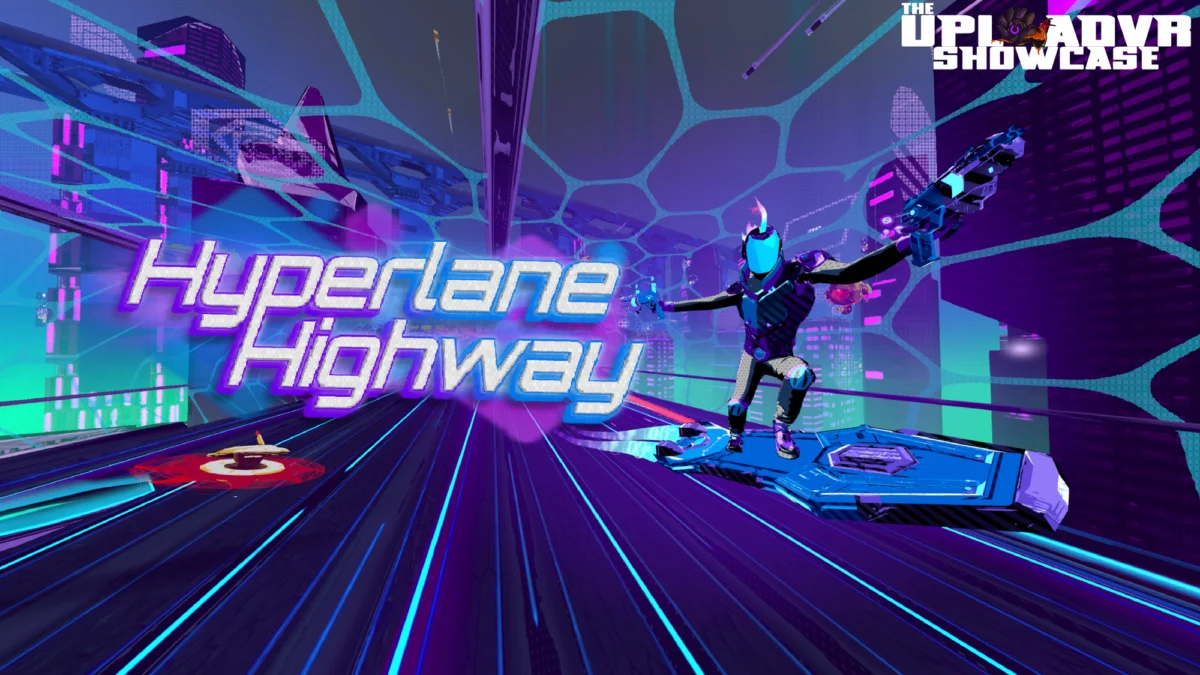
The landscape of Virtual Reality gaming has long been defined by a persistent, dual-front struggle: how to deliver high-octane, adrenaline-fueled action without triggering the physiological distress of motion sickness. At today’s UploadVR Summer Showcase, developer Ryality Studio unveiled a compelling solution to this industry-wide hurdle with the debut of Hyperlane Highway.
A neon-drenched, high-speed roguelite shooter, Hyperlane Highway promises to redefine the "hoverboard" sub-genre by introducing a proprietary "head-leaning" locomotion system. Following the announcement, it has been confirmed that the title will launch in Early Access simultaneously on SteamVR and Meta Quest in Q4 2026, marking a significant expansion from its previously anticipated PC-only debut.
The Core Concept: Redefining VR Movement
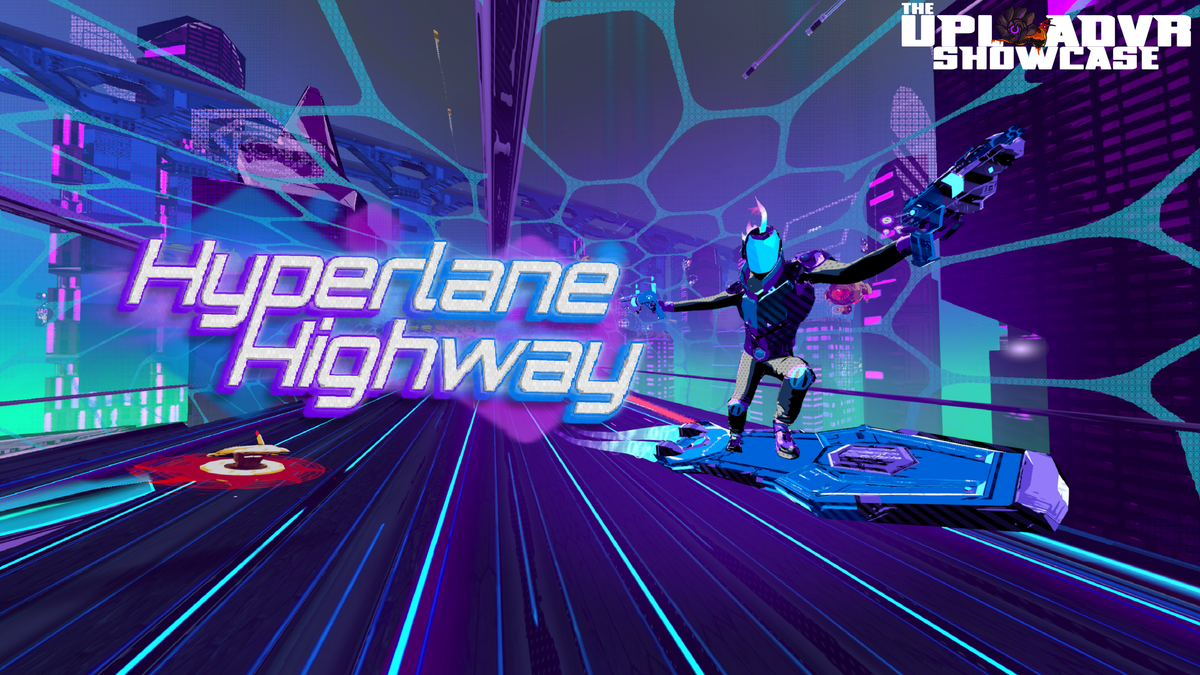
At its heart, Hyperlane Highway is a solo-developed passion project that blends the aesthetic sensibilities of 80s synth-wave with the frantic, twitch-reflex demands of a modern roguelite. Players are cast as hoverboard-riding operatives navigating intricate, neon-lit corridors at breakneck speeds, all while dual-wielding an arsenal of high-tech blasters.
The innovation lies in the player’s relationship with the virtual environment. Unlike traditional VR shooters that rely on joystick-based artificial locomotion—a frequent culprit for vestibular mismatch and subsequent motion sickness—Hyperlane Highway utilizes a body-centric control scheme. By leveraging the headset’s internal sensors, the game maps the player’s physical leaning motions directly to the trajectory of the hoverboard. This creates a tactile, intuitive connection between physical movement and in-game traversal, which Ryality Studio claims significantly mitigates the nausea typically associated with rapid artificial acceleration in VR.
A Chronology of Development
The trajectory of Hyperlane Highway has been one of quiet, methodical development, punctuated by rapid community engagement.
- Early 2026 (Conceptualization): Ryality Studio began prototyping the movement mechanics, focusing on the "Lean-to-Steer" algorithm. Initial focus groups emphasized that the feeling of "weight" on the hoverboard was the key to player comfort.
- Spring 2026: Development shifted toward the rogue-lite elements—procedural level generation, weapon drop tables, and the enemy AI behavior patterns.
- June 2026 (UploadVR Summer Showcase): The official reveal occurred, confirming the game’s expansion to Meta Quest platforms. This move was widely seen as a strategic pivot to capture the massive standalone user base, ensuring the title reaches the widest possible audience.
- Late 2026 (Upcoming): The Early Access launch is slated for Q4, beginning a projected six-month development window focused on post-launch balancing and content expansion.
Supporting Data: Why Locomotion Matters
Motion sickness in VR, often referred to as "cybersickness," occurs when the visual system perceives movement while the inner ear (vestibular system) remains stationary. For developers, solving this is the "holy grail" of immersive gaming.
Data from the VR industry suggests that approximately 25% to 40% of new VR users experience some degree of discomfort during high-velocity gameplay. Ryality Studio’s approach—utilizing the user’s proprioception through physical leaning—aligns with successful methodologies used in titles like Gorilla Tag or Sprint Vector, where physical exertion is tied to movement speed. By forcing the body to engage in the act of turning, the brain receives the expected physical feedback that the visual environment is changing, thereby reducing the dissonance that triggers nausea.
Furthermore, the choice of a "roguelite" structure provides the necessary gameplay loop to test these mechanics. Because the levels are procedural, players are encouraged to engage with the locomotion system repeatedly, providing the developer with diverse telemetry data regarding player performance, comfort levels, and "time-to-nausea" metrics.
Official Stance and Community Integration
The developer has been remarkably transparent regarding the game’s roadmap. In a recent statement via their official Discord, the team emphasized that the Early Access period is not merely a marketing tactic, but a functional necessity.
"We are building this game for the community, with the community," a spokesperson for Ryality Studio noted. "The six-month Early Access window is designed to allow us to iterate on the physics of the hoverboard based on thousands of hours of varied playstyles. We want to know which weapons feel punchy, which environments provide the best sense of speed, and most importantly, how our leaning mechanic holds up for different types of players."
The studio is currently hosting open playtests, allowing the community to stress-test the locomotion engine. This "live-service" approach to development is a cornerstone of modern indie success, allowing developers to pivot quickly if a particular mechanic is found to be too taxing or, conversely, too easy.
The Strategic Implications for the VR Market
The confirmation that Hyperlane Highway is coming to Meta Quest is perhaps the most significant piece of news for the title’s long-term viability.
Accessibility and Hardware Constraints
By optimizing for Meta Quest, Ryality Studio is tackling the challenge of mobile VR hardware. The Quest’s chipset, while capable, requires rigorous optimization for high-speed titles to maintain the stable frame rates necessary to prevent motion sickness. A consistent 72Hz or 90Hz refresh rate is non-negotiable for a game centered on high-speed movement. If Hyperlane Highway can maintain this visual fidelity on standalone hardware, it sets a new benchmark for indie-developed shooters on the platform.
The Rise of the ‘Movement-First’ Genre
Hyperlane Highway signals a broader trend in the VR industry: the movement is the game. In the early years of VR, many titles treated movement as a secondary utility—a way to get from Point A to Point B. Now, titles are being designed where the act of movement is the primary challenge and reward. Whether it is parkour, flight, or hoverboarding, the industry is moving away from "teleportation" and toward deeply immersive, physically engaged traversal.
Longevity Through Roguelite Elements
The roguelite genre offers a "low-barrier, high-replayability" model that is perfect for the short-session nature of VR gaming. By implementing randomized weapon upgrades and shifting environmental obstacles, Ryality Studio is ensuring that players remain engaged well beyond the initial novelty of the locomotion system. The promise of new environments and weapon tiers in the post-launch update cycle suggests a commitment to keeping the "highway" fresh for months to come.
Looking Ahead: What to Expect in Q4 2026
As we approach the Q4 2026 launch, the gaming community is keeping a close watch on several key performance indicators for Hyperlane Highway:
- Calibration Options: Will the game offer sensitivity settings for the head-leaning? Not every player has the same range of motion, and inclusive design will be critical for long-term accessibility.
- Haptic Integration: The inclusion of controller-based haptic feedback to simulate the "hum" of the hoverboard or the recoil of the dual blasters will likely be the final layer of polish required for total immersion.
- Community-Driven Balancing: The feedback from the current Discord playtests will be vital. The studio has already hinted at potential weapon rebalancing based on "kill-efficiency" data collected during these sessions.
For those eager to dive into the neon lanes, wishlisting is now available on both Steam and the Meta Quest Store. As Hyperlane Highway gears up for its late-2026 debut, it stands as a testament to the power of independent developers to solve complex problems through innovative, user-centric design. If the initial trailers and community reception are any indication, the road ahead looks bright—and, for the first time, nausea-free.
Conclusion
Hyperlane Highway is more than just another entry in a crowded VR shooter market; it is a clinical and creative experiment in human-computer interaction. By centering the gameplay around the physical act of leaning, Ryality Studio is attempting to solve the "motion sickness" problem that has plagued the industry for a decade. With a robust Early Access plan, support for both high-end PC VR and standalone Quest hardware, and a clear focus on community feedback, the game is well-positioned to become a staple of the VR roguelite genre. Whether you are a veteran of the VR space looking for a new challenge or a newcomer curious about the potential of virtual reality, Hyperlane Highway warrants a spot on your radar. As we look toward the end of 2026, the industry will be watching to see if this neon-soaked racer can truly deliver on its ambitious promises.

