

By: Global Entertainment & Technology Desk
Published: October 24, 2023
Category: Virtual Reality / Interactive Entertainment / Media
Main Facts
The landscape of virtual reality entertainment is bracing for a dramatic expansion of cinematic narrative depth. New Canvas, in a high-profile collaborative venture alongside Jacaranda Productions and Pico, has officially announced Coltrane, a gritty, five-episode virtual reality detective noir series. Slated for release later this year across yet-to-be-confirmed VR platforms, the series acts as a direct spiritual and narrative successor to VR Noir: A Day Before the Night—the critically praised 2016 interactive project that pioneered early explorations of viewer agency within virtual environments.
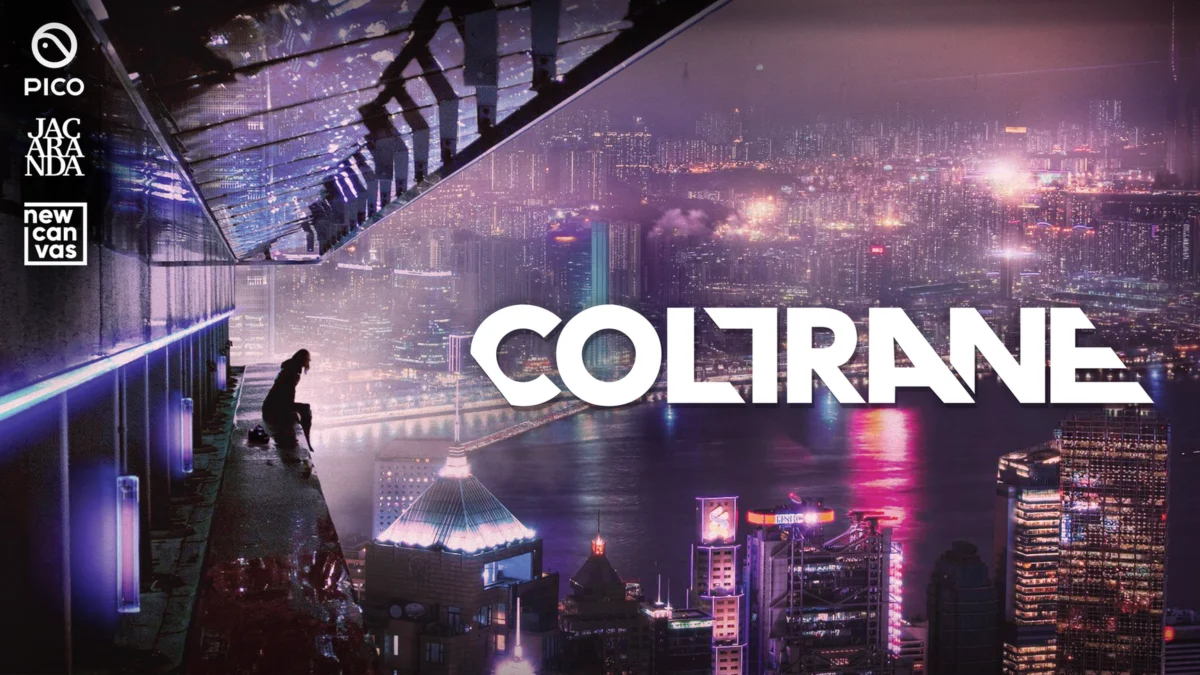
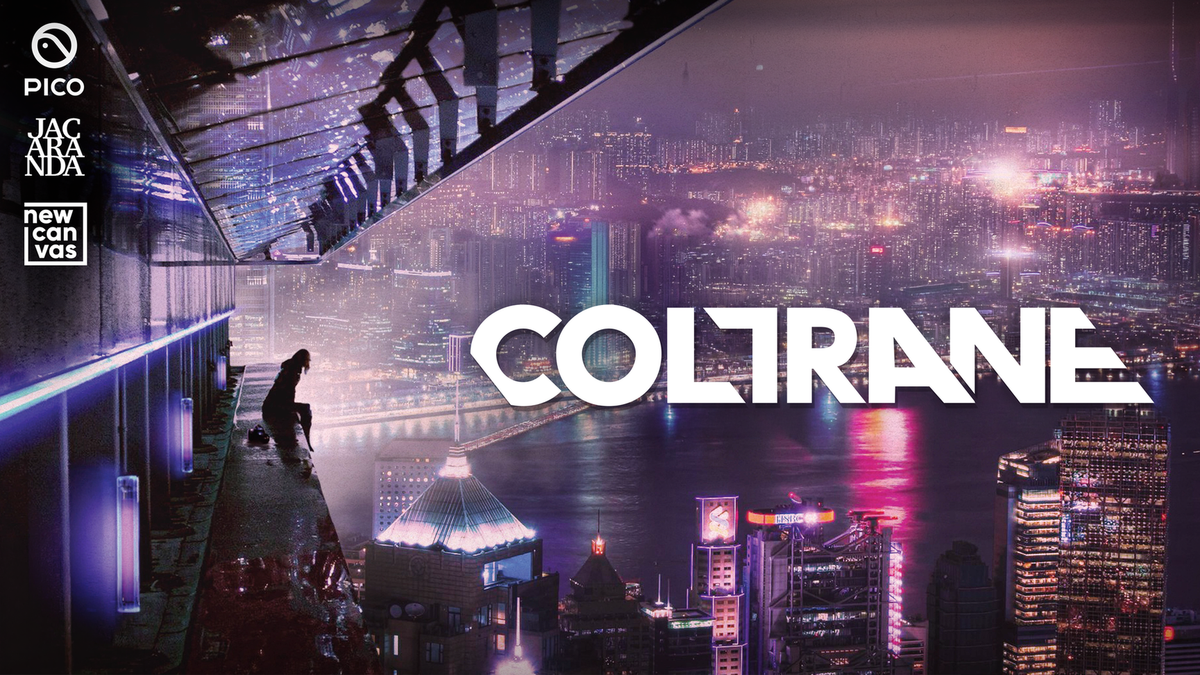
Set against the neon-lit, rain-slicked backdrop of Hong Kong, Coltrane centers on Veronica Coltrane, a disgraced former San Francisco Police Department (SFPD) detective who has relocated abroad to scrape by as a private investigator. What begins as a routine surveillance gig quickly spirals into a dark, sprawling conspiracy, forcing audiences into the thick of the investigation.
Structurally, the series breaks conventional molds by spanning five distinct 15-minute episodes. Rather than relying solely on traditional 360-degree video or rigid computer-generated graphics, Coltrane bridges the medium divide by combining high-end live-action performances with real-time, interactive immersive environments. This hybrid production approach ensures that viewers do not merely watch a story unfold from a static vantage point; instead, they experience the narrative dynamically as it physically and spatially surrounds them.
The creative team steering the project brings considerable pedigree. Nathan Anderson, co-founder of New Canvas and a principal architect behind the original VR Noir, returns as the showrunner for Coltrane. Under his direction, the production aims to leverage nearly a decade of hardware evolution, software breakthroughs, and design philosophy shifts to realize the untapped potential of immersive cinema.
While specific platform availability remains under wraps, the project highlights a broader industry trend. As hardware giants like Pico and Apple push the boundaries of spatial computing, creators are increasingly looking to bridge the gap between passive cinematic consumption and active video game mechanics. Coltrane positions itself at the bleeding edge of this cultural and technological convergence.
Chronology: From Cardboard Beginnings to Spatial Noir
To fully appreciate the scope and ambition of Coltrane, one must trace the winding trajectory of immersive video over the past decade. The roots of this upcoming neo-noir thriller stretch back to an era of mobile-powered virtual reality that feels remarkably distant by today’s technical standards.
2016: The Genesis of VR Noir
In 2016, the virtual reality landscape was defined by early consumer iterations, heavily reliant on smartphone-based headsets like the Samsung Gear VR and Google Cardboard. It was within this constrained ecosystem that VR Noir: A Day Before the Night made its debut. Developed as an ambitious experiment in interactive television, the project challenged preconceived notions of how audiences consume detective stories. It placed users directly in the shoes of a private investigator, forcing them to examine crime scenes, interrogate suspects via branching dialogue, and piece together clues.
Despite the technical limitations of 2016 hardware—characterized by low resolutions, thermal throttling on mobile phones, and limited positional tracking—the project struck a chord. Word-of-mouth enthusiasm propelled VR Noir past the milestone of 500,000 downloads, proving that audiences were hungry for narrative-driven virtual reality experiences that offered agency without sacrificing cinematic polish.
2017–2022: The Wilderness and Hardware Maturation
Following the initial wave of enthusiasm for mobile VR, the industry experienced a transitional phase. Mobile-based headsets were largely phased out in favor of standalone, untethered devices boasting dedicated processors and inside-out positional tracking, such as the Meta Quest series and Pico hardware.
During this multi-year gap, creators largely experimented with gaming mechanics, multiplayer interactions, and fitness applications. Immersive cinematic storytelling, meanwhile, found itself constrained to a specialized niche. High production costs, a lack of standardized monetization models for episodic VR content, and the complexities of blending live-action filmmaking with real-time engines meant that ambitious narrative projects were few and far between. Pioneers like Nathan Anderson spent these years refining production pipelines, waiting for the hardware ecosystem to catch up with their creative ambitions.
2023–Present: The Renaissance of Immersive Video
The announcement of Coltrane arrives during a distinct renaissance for immersive video and cinematic VR. Recent releases such as Starclash and the cultural heritage exploration Finding Frida have demonstrated that audiences are ready for sophisticated, non-gaming experiences within headsets. Furthermore, advancements in spatial computing hardware—exemplified by high-fidelity software ecosystems and powerful standalone headsets like those produced by Pico—have provided creators with the computational muscle required to render complex, real-time environments alongside captured live-action performances.
With Coltrane scheduled for release later this year, the timeline comes full circle: a pioneering creative team returning to their defining intellectual property, armed with a decade of accumulated knowledge and vastly superior technological tools.
Supporting Data & Market Analysis
The economic and cultural viability of projects like Coltrane depends on shifting user demographics, hardware adoption rates, and the evolving economics of digital distribution. An analysis of the immersive video market reveals why New Canvas, Jacaranda Productions, and Pico are investing heavily in this space.
Hardware Adoption and the Standalone Era
The failure or success of narrative VR has historically been tied to the installed base of compatible hardware. In 2016, VR Noir relied on low-cost, low-fidelity mobile holders. Today, the market is dominated by robust standalone headsets that offer six degrees of freedom (6DoF), spatial audio, and high-density displays.
| Metric / Milestone | VR Noir (2016) | Coltrane (Expected Late 2023/2024) |
|---|---|---|
| Primary Hardware | Samsung Gear VR / Google Cardboard | Modern Standalone VR (e.g., Pico ecosystem) |
| Tracking Capabilities | 3DoF (Rotational only) | 6DoF (Full positional immersion) |
| Visual Fidelity | Compressed 360-degree video / Low-poly assets | Hybrid live-action + real-time 3D environments |
| Audience Reach | 500,000+ downloads (Mobile casual) | Expanding global standalone user base |
| Episode Length | Variable short segments | Five dedicated 15-minute cinematic blocks |
The Economics of Immersive Production
Producing a hybrid project that combines live-action video capture with real-time computer-generated environments presents unique financial challenges. Traditional film budgets are calculated based on screen time and crew wages, while video game budgets must account for engine optimization, asset creation, and quality assurance testing across varied hardware configurations.
Coltrane sits precisely at the intersection of these two capital-intensive industries. By partnering with Pico—a major player in the global standalone hardware market—the production secures both financial backing and strategic distribution support. This mitigates the financial risk inherent in pioneering new mediums and ensures that the creative team can focus on pushing technical boundaries rather than cutting corners.
The Niche Market of Spatial Narratives
While interactive gaming dominates the gross revenue charts of major VR storefronts, immersive video occupies a vital cultural niche. Market research indicates that users who engage with narrative-driven VR content exhibit higher retention rates per session compared to casual arcade-style players. By structuring Coltrane into five distinct 15-minute episodes, the producers are deliberately borrowing the pacing of traditional television, making the content digestible for audiences accustomed to binge-watching streaming series.

Official Responses and Creative Vision
The conceptual backbone of Coltrane is rooted in the continuous creative journey of its makers. Speaking on the motivations behind the project, New Canvas co-founder and showrunner Nathan Anderson reflected on the evolution of his career and the medium itself.
"When we released VR Noir in 2016," Anderson noted, reflecting on the decade-long gap between productions, "I described my career quest as finding the convergence of storytelling, game design, and interactivity. Ten years later, that’s still the quest."
Anderson’s remarks underscore a fundamental tension that has defined virtual reality since its modern consumer inception: how to grant users meaningful agency without derailing the emotional and structural integrity of a tightly crafted narrative. In traditional cinema, the director dictates the focal point. In video games, the player holds total control. Coltrane attempts to walk the razor’s edge between these two paradigms. By utilizing real-time immersive environments alongside live-action footage, the production team aims to envelop the viewer in a living, breathing world where they feel present, even if the overarching mystery follows a predetermined investigatory path.
Collaborators Jacaranda Productions and hardware partner Pico have likewise emphasized the cinematic value of the project. Representatives from Pico have highlighted Coltrane as a showcase piece for the narrative capabilities of their hardware, signaling a strategic shift away from purely utilitarian or gaming-centric marketing toward prestige entertainment.
Industry Implications: What Coltrane Means for the Future of Television
The launch of a high-profile, hybrid live-action/real-time VR series carries significant implications for the broader entertainment and technology sectors. As traditional television production costs soar and viewer engagement fragments across digital platforms, the entertainment industry is actively searching for the next paradigm in narrative delivery.
1. The Redefinition of "Television"
For decades, television has evolved from cathode-ray tube broadcasts to high-definition streaming services delivered to flat panels in living rooms. However, spatial computing introduces the possibility of volumetric and immersive television. Projects like Coltrane challenge the rectangular frame entirely. If successful, the series could encourage mainstream streaming platforms and traditional production studios to seriously consider spatial adaptations of established intellectual properties.
2. Bridging the Live-Action and Real-Time Divide
One of the historical bottlenecks of VR storytelling has been the stark visual dichotomy between pre-rendered 360-degree video (which lacks interactive depth) and fully rendered computer-generated worlds (which often struggle to achieve photorealistic human performances). By successfully combining live-action performances with real-time immersive environments, Coltrane could establish a new production standard. If independent studios and major production houses alike adopt this hybrid pipeline, viewers can expect a massive leap in the emotional resonance and visual fidelity of future interactive films.
3. Maturation of Viewer Agency
Audiences are increasingly fatigued by passive consumption, yet they do not always want the high-stress decision-making required by complex role-playing video games. Coltrane occupies a sophisticated middle ground. By placing the viewer in the role of Veronica Coltrane’s silent observer or active investigator—navigating a dark Hong Kong conspiracy through environmental interaction rather than frantic button-mashing—the series points toward a mature grammar of interactive narrative.
Looking Ahead
As Coltrane prepares for its multi-platform release later this year, all eyes will be on New Canvas, Jacaranda Productions, and Pico. Whether the series becomes a watershed moment that propels immersive narrative into the mainstream consciousness or remains a brilliant stepping stone on the path to the metaverse, it represents a bold refusal to let creative ambition settle for the status quo. Ten years after his initial quest began, Nathan Anderson and his team are once again proving that the most compelling stories are often found on the uncharted frontiers of technology.

