

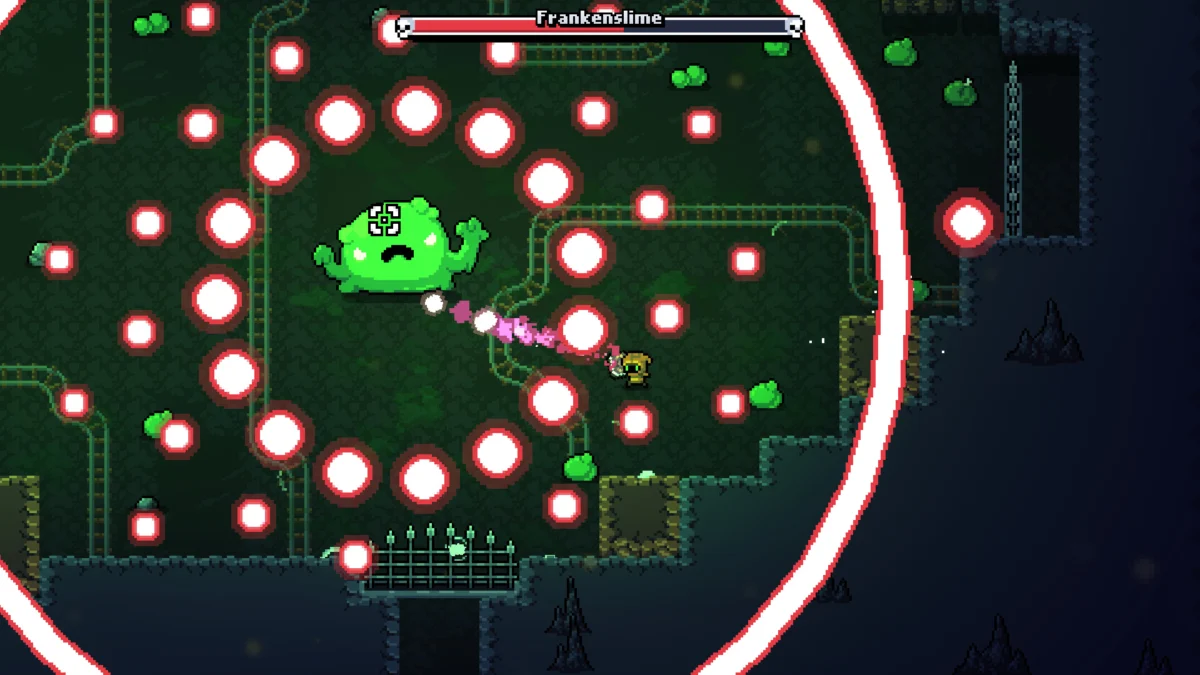
The landscape of independent gaming in 2021 was nothing short of monumental. While the industry at large grappled with the logistical hurdles of a global pandemic, the indie scene flourished, producing a string of titles that challenged conventions and redefined player expectations. Among this deluge of high-quality experiences, one title quietly emerged to capture the hearts of genre enthusiasts: Archvale.
Developed by IDIOTAHEDRON and published by Humble Games, Archvale serves as a striking synthesis of two seemingly disparate genres: the deep, progression-oriented structure of a traditional Role-Playing Game (RPG) and the high-octane, reflex-driven intensity of a "bullet hell" shooter. As the year draws to a close, it is essential to examine why this title stands as a hallmark of design ingenuity.
The Core Concept: Where RPG Complexity Meets Bullet Hell Chaos
At its most fundamental level, Archvale is a testament to the idea that design constraints often breed creativity. The game places players in the shoes of a solitary hero within a fractured realm once dominated by an oppressive, tyrannical king. The narrative hook is classic high fantasy: the world is broken, and it is up to the player to recover the pieces of the legendary arch to confront the source of the land’s corruption.
However, it is the gameplay loop that distinguishes Archvale from its peers. Traditional RPGs often favor tactical, turn-based deliberation or deliberate, slow-paced combat. Bullet hell games, conversely, demand near-perfect execution of movement and split-second pattern recognition. By merging these, the developers have created an experience that demands both long-term strategic planning—via character builds—and short-term mechanical mastery.
Chronology of the Archvale Experience
The development and release of Archvale followed a steady, focused trajectory that prioritized polish over flash.
- Early Development: The team at IDIOTAHEDRON focused heavily on creating a cohesive world that felt rewarding to explore. The decision to allow players to tackle the game’s regions in a non-linear fashion was a core tenet established early on.
- The Announcement: When the game was first unveiled, the reaction was one of curiosity. Combining an expansive open-world RPG with the high-stakes twitch gameplay of a Touhou-style shooter was seen as a bold, if not risky, gamble.
- Launch Window (December 2021): Archvale arrived during the final quarter of 2021, a period crowded with high-profile releases. Despite the noise, the game’s unique aesthetic and tight mechanics helped it cut through the competition, garnering favorable reviews for its "pick-up-and-play" appeal.
- Post-Launch Reception: Since its release, the community has embraced the game’s depth, particularly the "Frog Chef" NPC—a quirky, lighthearted character that has become a mascot for the game’s charming world-building.
Supporting Data: Why the Build System Matters
In Archvale, the player’s survival depends on their ability to adapt. Unlike rigid RPGs where a class choice made at the start of the game dictates the next forty hours, Archvale utilizes a fluid, badge-based system.
The Mechanics of Mastery
The game’s progression system allows players to swap gear and abilities on the fly. This is critical because the bullet patterns encountered in the later stages are not "one size fits all." Players are frequently forced to re-evaluate their equipment—trading defensive shielding for increased projectile speed or swapping melee-focused trinkets for ranged utility.

- Weapon Diversity: The arsenal in Archvale is vast, ranging from traditional swords and bows to more esoteric weaponry that complements the bullet-hell mechanics.
- The Difficulty Curve: While the game is undeniably difficult, it avoids the trap of feeling "unfair." Each boss encounter is essentially a rhythm game. Once the player internalizes the patterns of the enemy, the victory feels earned rather than gifted by RNG (random number generation).
- Environmental Design: Each region of the game introduces unique hazards, forcing the player to integrate environmental awareness with their combat proficiency.
Official Perspectives and Design Philosophy
While the studio has remained relatively understated in their public outreach, the design of Archvale speaks for itself. In various interviews and developer notes, the team highlighted that their goal was to strip away the "bloat" often associated with modern RPGs.
"We didn’t want to waste the player’s time," the development team noted during the game’s launch window. By keeping the world focused and the combat encounters frequent, Archvale avoids the common pitfalls of repetitive grinding. The game respects the player’s time by ensuring that every boss fight, no matter how punishing, offers a clear path toward improvement. The integration of the "frog chef" and other whimsical elements serves as a vital counterbalance to the intense, neon-drenched combat, ensuring that the game remains emotionally engaging even when the player is frustrated by a particularly difficult encounter.
Implications: The Future of Hybrid Indie Titles
Archvale represents a significant shift in how indie developers are approaching genre hybridity. For years, the industry saw a trend toward "metroidvanias" or "roguelites." Archvale suggests that there is still significant creative territory to be explored by mashing up seemingly incompatible genres.
Broadening the Appeal
The success of the game suggests that players are hungry for titles that challenge their reflexes without sacrificing the sense of character progression that keeps them invested for hours. It signals to the indie market that "niche" genres—like bullet hells—can be made more accessible to a wider audience if they are framed within the familiar structure of an RPG.
The Bar for 2022 and Beyond
As we move past the 2021 calendar year, Archvale leaves a clear roadmap for future developers. It proves that:
- Non-linearity works: Letting players choose their path reduces frustration.
- Flexibility is key: Allowing for "build-swapping" encourages experimentation rather than homogenization.
- Charm matters: Even in the most intense action games, world-building and humor are the "glue" that keeps the player engaged during the learning curve.
Conclusion: A Must-Play Addition
If 2021 was a year of giants, Archvale is the agile challenger that proved you don’t need a massive budget to create a memorable experience. It is a game of sharp edges, bright colors, and deep mechanics. For those who enjoy the satisfaction of dodging a screen-filling wave of projectiles only to retaliate with a perfectly timed counter-attack, Archvale is not just a recommendation—it is a requirement.
Whether you are a seasoned veteran of bullet hell games looking for a narrative frame, or an RPG fan looking to sharpen your reflexes, Archvale offers a journey that is as rewarding as it is challenging. It is a stellar end-cap to a stellar year, and it will undoubtedly be remembered as one of the standout indie titles of its generation. And, of course, the frog chef alone is worth the price of admission.

