

Taipei, Taiwan / Hefei, China – In a significant development for the PC hardware ecosystem, Micro-Star International (MSI), a leading global manufacturer of computer hardware, has officially validated high-speed DDR5 memory modules from ChangXin Memory Technologies (CXMT). Through the release of specialized beta BIOS updates across its AMD AM5 motherboard lineup, MSI has successfully unlocked stable memory frequencies reaching an impressive 8,200 MT/s for CXMT’s 3GB chips in dual-DIMM configurations. This breakthrough marks a substantial leap from the previous performance ceiling of approximately 6,800 MT/s, signaling a new era of performance accessibility for memory modules originating from China.
The validation not only enhances the capabilities of CXMT’s offerings but also underscores the continuous optimization efforts within the dynamic DDR5 landscape. While the initial announcement stems from MSI China, indicating a strategic regional focus, the implications for global memory markets and consumer choice are profound. This move solidifies CXMT’s position as a formidable player in the high-performance memory segment and demonstrates MSI’s commitment to pushing the boundaries of hardware performance through meticulous firmware development.
The Breakthrough: Elevated Performance for CXMT DDR5
The core of this news lies in the remarkable increase in achievable memory speeds. Prior to these new BIOS iterations, DDR5 modules utilizing CXMT’s integrated circuits were largely constrained to around 6,800 MT/s on AMD’s AM5 platform. This limitation, while respectable, did not fully harness the inherent capabilities of the underlying hardware. Modern DDR5 memory, designed for higher bandwidth and lower latency, thrives on elevated clock speeds to deliver optimal performance, especially in demanding applications like high-refresh-rate gaming, video editing, and complex computational tasks.
Overcoming Previous Limitations
The prior 6,800 MT/s ceiling was a bottleneck that prevented CXMT-based memory kits from competing effectively at the very top tier of the DDR5 market, which is increasingly populated by modules exceeding 7,000 MT/s. Memory performance is intrinsically linked to the CPU’s integrated memory controller (IMC) and the motherboard’s traces and power delivery systems. Achieving stability at higher frequencies often requires precise tuning of voltages, timings, and sub-timings, a complex interplay traditionally managed through extensive validation and BIOS optimization by motherboard manufacturers. MSI’s latest beta BIOSes effectively refine this intricate dance, allowing the CXMT modules to perform closer to their theoretical maximums.
The Significance of 8,200 MT/s
Reaching 8,200 MT/s stable frequencies represents a significant performance uplift of over 20% compared to the previous limit. For end-users, this translates directly into tangible benefits:
- Enhanced Gaming Performance: Faster memory can reduce frame times and improve minimum frame rates, leading to a smoother, more responsive gaming experience, particularly in CPU-bound scenarios.
- Accelerated Content Creation: Tasks like video rendering, 3D modeling, and large file compression benefit immensely from increased memory bandwidth, reducing processing times.
- Improved System Responsiveness: Overall system fluidity and multitasking capabilities are enhanced, making daily computing feel snappier.
- Competitive Edge for CXMT: This validation immediately places CXMT-based memory in a much stronger competitive position against established players like Samsung, SK Hynix, and Micron, particularly in the performance-oriented segments of the market. It demonstrates that Chinese-made memory can indeed achieve flagship-level speeds, challenging long-held perceptions.
A Chronology of Validation and Optimization
The journey to unlocking these speeds is a testament to ongoing hardware and firmware development, a process that is often iterative and demanding.
Initial Constraints and the Need for Optimization
When new memory standards like DDR5 emerge, the initial phase often sees conservative frequency ratings. This is due to the inherent complexity of ensuring stability across a wide array of CPU architectures, motherboard designs, and memory modules. The memory controller integrated into modern CPUs (like AMD’s Zen architecture for AM5) plays a critical role, and its capabilities evolve with each generation and through microcode updates. Similarly, motherboard manufacturers continually refine their BIOS code to improve memory compatibility and stability, often in close collaboration with memory module vendors. The 6,800 MT/s limitation for CXMT modules likely stemmed from these initial, broader compatibility considerations, awaiting more specific and refined optimizations.
MSI’s Previous Endeavors with Chinese Memory (Intel 800-series)
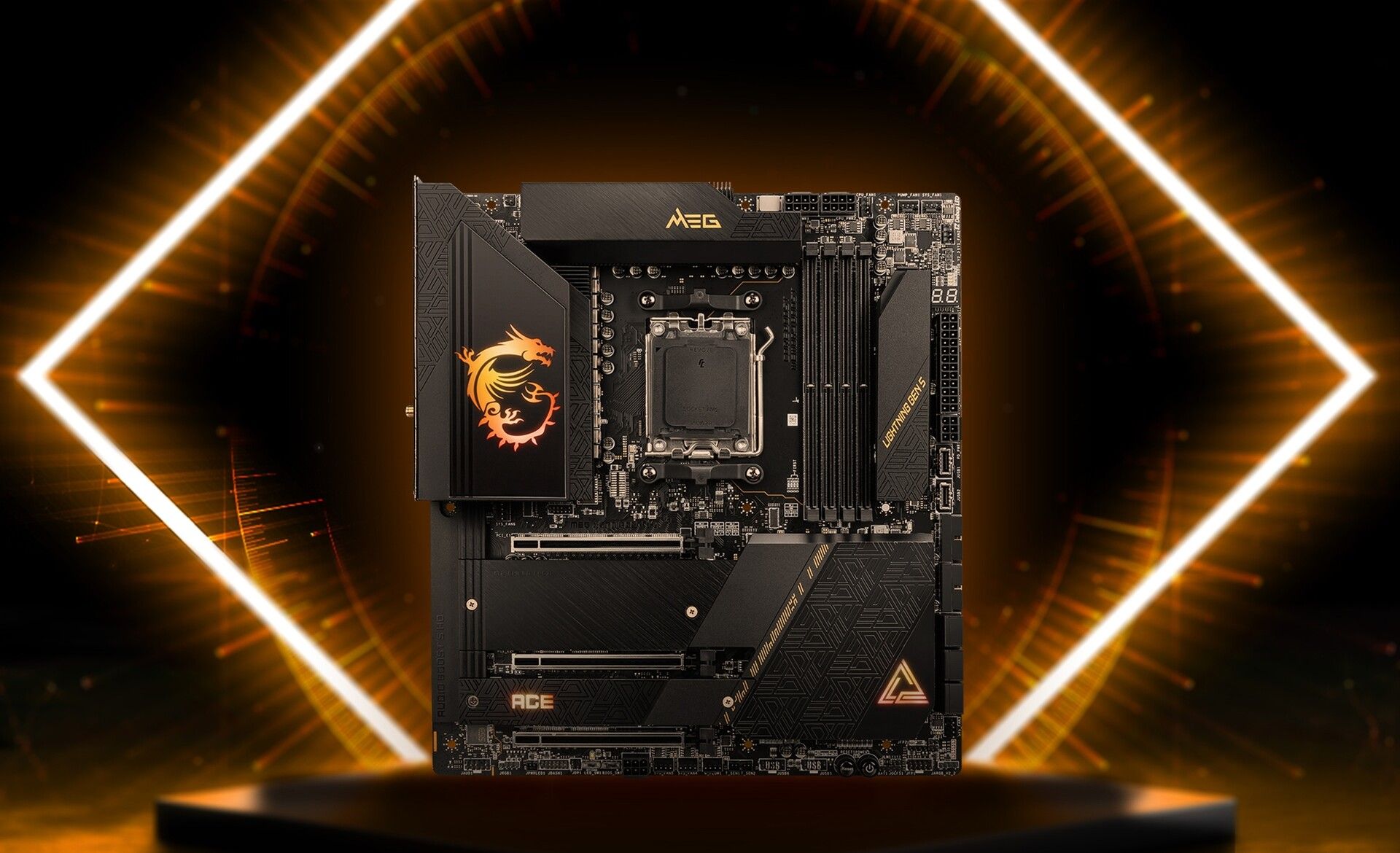
This is not MSI’s first foray into optimizing its motherboards for Chinese-manufactured memory. Earlier this year, the company made headlines by providing similar optimizations for affordable Intel 800-series motherboards in China, specifically targeting domestic DDR5 memory chips. This precedent highlights a strategic approach by MSI to cater to regional markets and potentially diversify its memory ecosystem support. Such initiatives can foster stronger relationships with local component suppliers and offer consumers more localized, potentially cost-effective, high-performance options. This earlier move on the Intel platform laid the groundwork, demonstrating MSI’s technical expertise and willingness to invest in optimizing for diverse memory sources.
The Current AM5 BIOS Release
The latest development focuses specifically on AMD’s AM5 socket, which supports Ryzen 7000 and the upcoming Ryzen 9000 series CPUs. The beta BIOSes, described as "test BIOSes" and based on "existing stable releases," have been patched to include enhanced memory overclocking features specifically tailored for CXMT modules. The fact that these are currently released via MSI China’s community channels, without an immediate global announcement, suggests a phased rollout or a strategy focused on particular market segments first. However, given the significant performance gains, a broader release is likely anticipated, once further testing and validation are complete. This phased approach allows for focused feedback and refinement before a wider distribution.
Detailed Benchmarking and Supporting Data
The official validation was accompanied by rigorous testing, providing concrete evidence of the performance uplift and stability. The tests, performed by MSI, were conducted on various configurations to demonstrate the versatility and reliability of the optimized BIOS.
Test Configurations and Methodology
MSI tested region-bound retail kits from two prominent brands utilizing CXMT chips: Lexar and KingBank. The testing focused primarily on dual-DIMM motherboards, which generally offer superior memory overclocking potential compared to quad-DIMM boards due to shorter trace lengths and reduced electrical interference.
-
2x24GB (3GB) Modules:
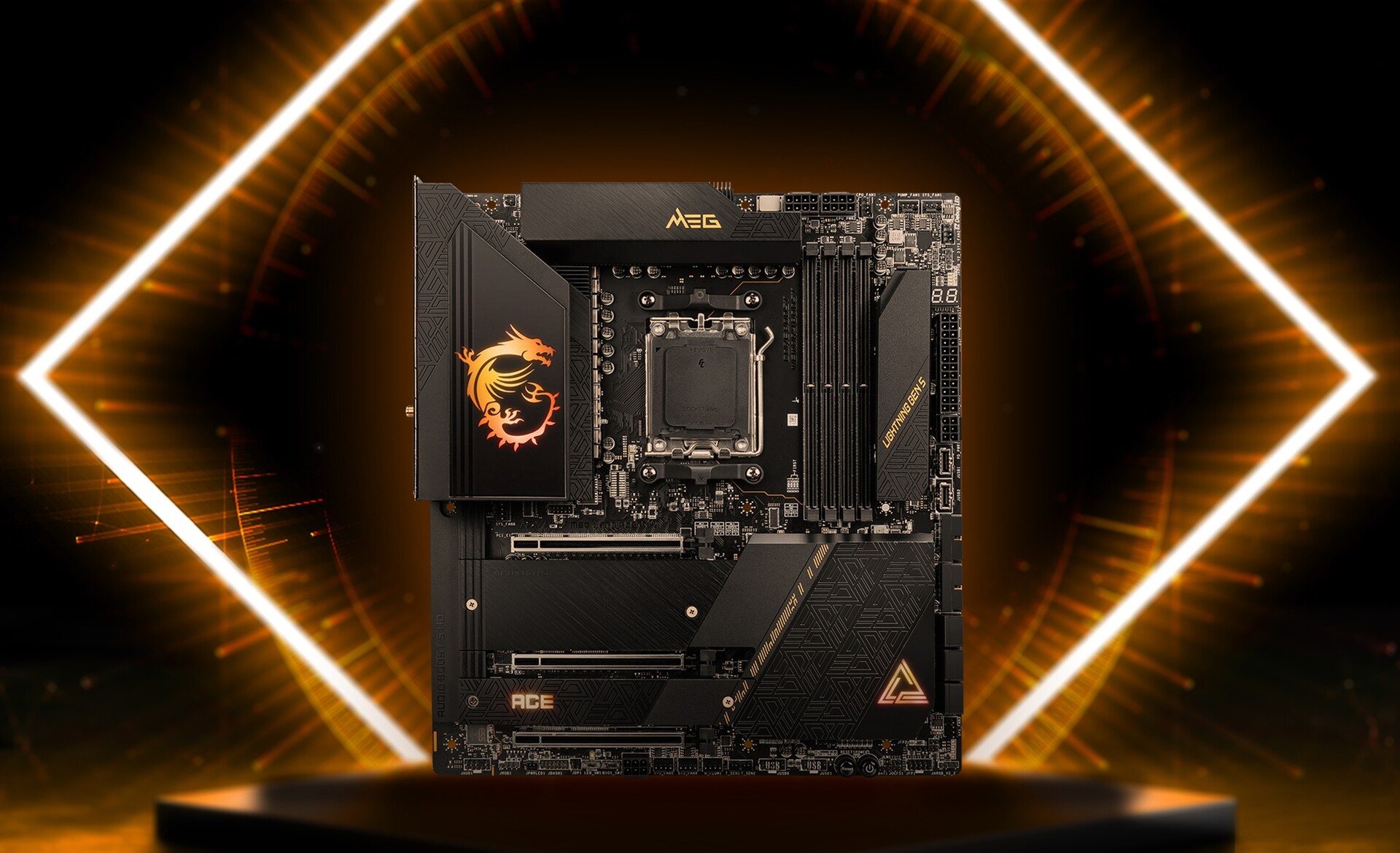
- Motherboard: MSI MEG X870E Unify (a high-end AM5 motherboard)
- CPU: AMD Ryzen 7 9700X (presumably a next-generation Zen 5 CPU, indicating forward compatibility and future-proofing)
- Memory Kit: A standard kit with an EXPO profile rated at 6,000 MT/s.
- Result: Achieved a stable 8,200 MT/s. The successful overclock of a standard 6,000 MT/s kit to such a high speed is particularly impressive, highlighting the effectiveness of the BIOS optimization.
-
2x16GB (2GB) Modules:
- Motherboard: MSI MAG B850 MPower (a mainstream AM5 motherboard)
- CPU: AMD Ryzen 5 9600X (also likely a Zen 5 CPU, showcasing mid-range CPU compatibility)
- Memory Kit: A "cherry-picked silicon" kit, meaning it was likely binned for higher performance, with an EXPO profile already running at 7,200 MT/s.
- Result: Achieved a stable 8,000 MT/s. While starting from a higher baseline, pushing an already fast kit to 8,000 MT/s on a mainstream board is a strong indicator of the BIOS’s robust capabilities.
Performance Metrics: Dual-DIMM Configurations
The results for dual-DIMM setups were unequivocally positive:
- 24Gbit (3GB) CXMT modules achieved stable operation at 8,200 MT/s.
- 16Gbit (2GB) CXMT modules achieved stable operation at 8,000 MT/s.
These speeds were confirmed stable by passing MemTest with 101% coverage. MemTest is a widely recognized and trusted utility for testing RAM stability and integrity, ensuring that the memory is free from errors even under strenuous conditions. The 101% coverage indicates a thorough and successful stability test.
Improvements for Quad-DIMM Setups
While the primary focus was on the higher speeds achievable on dual-DIMM boards, MSI also confirmed improvements for quad-DIMM configurations. The patch notes for the beta BIOS indicate that memory speeds for quad-DIMM setups have been "raised to DDR5-7200," up from a previous limit of 6,800 MT/s. While not as dramatic as the dual-DIMM gains, this still represents a meaningful 400 MT/s improvement, offering better performance for users who opt for four memory sticks, often for higher total capacity. Quad-DIMM configurations are inherently more challenging to stabilize at very high frequencies due to increased electrical load and signal integrity issues, so any increase in speed is a commendable achievement.
Official Responses and Market Context
The narrative surrounding this validation is colored by its origin and the broader geopolitical landscape of semiconductor manufacturing.
MSI China’s Initiative vs. Global Silence
The announcement originating from MSI China’s community channels, without an immediate global press release, is noteworthy. Several factors could explain this regional approach:
- Targeted Market Strategy: MSI might be prioritizing the Chinese market, where CXMT has a strong domestic presence and there is a strategic imperative to support local suppliers.
- Early Release/Beta Status: As these are "beta BIOSes," MSI might be gathering feedback from a specific user base before a wider, more official global rollout.
- Geopolitical Sensitivities: In a climate of ongoing trade discussions and tariffs, particularly concerning technology and semiconductors, a localized announcement might navigate complex political sensitivities more effectively.
- Local Collaboration: It could be the result of a direct collaborative effort between MSI China’s R&D team and CXMT, tailored to specific regional hardware configurations.
Despite the regional origin, the technical achievement is universally applicable, and it is highly probable that these optimizations will eventually make their way into global BIOS releases, albeit after further validation and potential integration into official firmware updates.
CXMT’s Position in the Global Memory Market
ChangXin Memory Technologies (CXMT) is a crucial player in China’s drive for semiconductor self-sufficiency. Established relatively recently, it has rapidly grown to become a significant manufacturer of DRAM memory chips, competing with established giants like Samsung, SK Hynix, and Micron. Validation from a tier-one motherboard vendor like MSI, especially for high-speed DDR5, is a major endorsement for CXMT. It not only boosts their credibility and market perception but also opens doors to broader adoption in high-performance computing segments. This aligns with China’s broader national strategy to reduce reliance on foreign technology and build robust domestic supply chains.
Regional Focus and Strategic Partnerships
The collaboration between MSI and CXMT exemplifies a strategic partnership designed to strengthen regional hardware ecosystems. For MSI, supporting CXMT could lead to more diversified sourcing of memory components, potentially reducing supply chain risks and offering competitive pricing advantages. For CXMT, gaining validation from a globally recognized brand like MSI is invaluable for expanding its market reach and demonstrating its technological prowess. This type of collaboration is a microcosm of the larger trend of regionalization in tech manufacturing, driven by economic, logistical, and geopolitical factors.

Broader Implications for the PC Hardware Ecosystem
The implications of MSI’s validation extend far beyond just faster memory speeds; they touch upon market competition, consumer choice, technological trends, and geopolitical dynamics.
Impact on Consumers and Enthusiasts
For consumers, particularly PC builders and enthusiasts, this development brings several exciting prospects:
- Increased Choice and Competition: The emergence of CXMT as a viable high-performance DDR5 option injects more competition into the memory market. This could lead to more aggressive pricing strategies from all manufacturers, making high-speed DDR5 more accessible.
- Affordability: If CXMT can offer high-speed modules at competitive price points, it democratizes access to top-tier performance, allowing more users to experience the benefits of faster RAM without breaking the bank.
- Platform Longevity: For AM5 users, this ensures that their platforms can leverage a wider range of memory modules, extending the platform’s relevance and upgrade paths.
- Regional Accessibility: In regions where CXMT memory is readily available, consumers can now tap into its full performance potential, offering local advantages.
Competitive Landscape and Memory Module Manufacturers
The memory market has historically been dominated by a few key players. CXMT’s ascent, bolstered by validations like MSI’s, challenges this oligopoly. Other memory module manufacturers (like G.Skill, Corsair, Kingston, etc.) who source chips from Samsung, SK Hynix, or Micron, will likely observe this development closely. It could spur further innovation and competitive pricing across the board. Furthermore, this validation might encourage other motherboard manufacturers to invest in similar optimizations for CXMT memory, leading to broader industry-wide support.
Geopolitical and Supply Chain Considerations
The "Taiwan, trade, and tariffs" note in the original snippet points to a critical underlying theme. The semiconductor industry is deeply intertwined with global politics. By validating Chinese-made memory, MSI contributes to the diversification of the global semiconductor supply chain. This could be seen as a move towards greater resilience against geopolitical tensions or disruptions in traditional supply hubs. It underscores the ongoing efforts by various nations to establish or bolster domestic capabilities in critical technology sectors, reducing dependency on specific regions or suppliers. This trend is likely to continue, shaping future hardware collaborations and market dynamics.
The Future of Memory Optimization and BIOS Development
This episode highlights the crucial, often unsung, role of BIOS development in extracting maximum performance from PC hardware. It demonstrates that hardware capabilities are not static at launch but can be significantly enhanced through ongoing firmware updates. As DDR5 technology matures and AMD’s AM5 platform continues to evolve (with upcoming CPU generations), we can expect further optimizations, pushing memory speeds even higher. Motherboard manufacturers will continue to be at the forefront of this effort, working closely with memory vendors to ensure compatibility, stability, and peak performance.
Conclusion: A Step Towards Enhanced Performance and Accessibility
MSI’s official validation of CXMT’s high-speed DDR5 memory modules on the AM5 platform is a pivotal moment. It not only unlocks substantial performance gains, pushing stable frequencies to an impressive 8,200 MT/s, but also signals a broader shift in the global memory market. For consumers, it promises increased choice, potentially more affordable high-performance options, and enhanced system capabilities. For the industry, it underscores the growing competitiveness of Chinese semiconductor manufacturers and the critical role of continuous BIOS optimization. As the PC hardware landscape continues its rapid evolution, such strategic collaborations and technical breakthroughs will be instrumental in shaping its future, offering a richer, more diverse, and ultimately more powerful computing experience for everyone. The journey towards ever-faster, more efficient memory continues, and this latest development from MSI and CXMT is a significant stride forward.

