

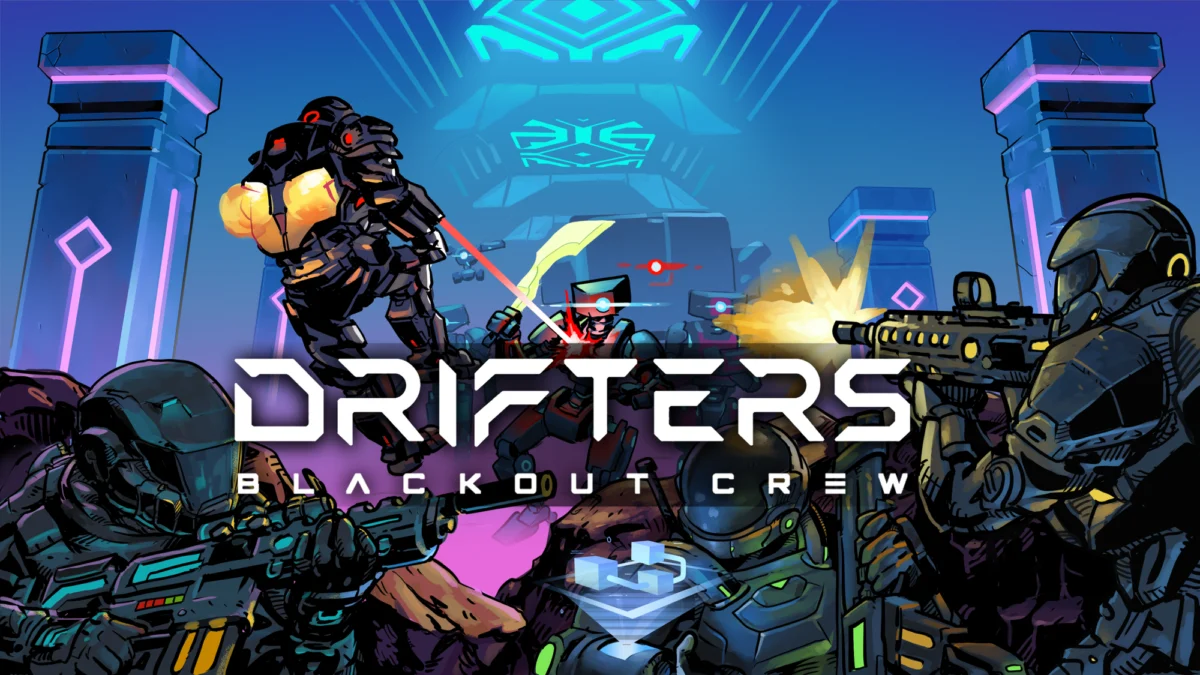
The VR gaming landscape is witnessing a seismic shift as extraction shooters—a genre defined by high-risk, high-reward gameplay—continue to dominate the charts. Today, at the highly anticipated VR Games Showcase, Salmi Games, the acclaimed studio behind the roguelite FPS Sweet Surrender, pulled back the curtain on its next major project: Drifters: Blackout Crew.
Positioned as a co-op extraction shooter set against the desolate, unforgiving backdrop of deep space, Drifters aims to carve out a unique identity in a market currently led by heavy hitters like Ghosts of Tabor and Contractors Showdown. With a striking stylized sci-fi aesthetic and a focus on tactile immersion, the title has immediately captured the attention of the VR community.
The Core Concept: Surviving the Blackout
At its heart, Drifters: Blackout Crew is a game of calculated risk. Players are cast as "Drifters," stranded in the cold reaches of space with dwindling resources. To survive, they must organize squads of up to four players to infiltrate heavily fortified, derelict facilities.
The gameplay loop is centered on the "extract" mechanic: players drop into a hostile environment, scramble to scavenge rare loot and essential supplies, and must reach an extraction point before the facility’s automated security systems—or rival scavengers—overwhelm them. Failure means the total loss of all gear carried into the mission, a stakes-based design choice that has become the hallmark of the genre.
However, Drifters distinguishes itself through its traversal and combat systems. Salmi Games has emphasized "tactile weapon handling," requiring players to manually manage magazines, chamber rounds, and interact with their firearms in a way that feels grounded and responsive. Furthermore, the inclusion of integrated jetpacks introduces a verticality rarely seen in VR shooters, allowing for dynamic, high-mobility combat encounters that force players to scan both the floors and the ceilings for threats.
A Strategic Evolution: From Roguelite to Extraction
To understand the trajectory of Drifters, one must look at the foundation laid by Salmi Games’ previous title, Sweet Surrender. As an FPS roguelite, Sweet Surrender garnered a dedicated following due to its tight mechanics and the developer’s commitment to long-term support.
Chronology of Development
- The Sweet Surrender Era: Following the launch of Sweet Surrender, Salmi Games established a reputation for consistency. Through a series of post-launch updates, the studio refined the game’s core systems, added quality-of-life improvements, and eventually expanded the title to additional platforms, including the PlayStation VR2.
- Funding and Incubation: The development of Drifters was significantly bolstered by support and funding from the German Federal Government Commissioner for Culture and the Media. This institutional backing allowed the studio to scale up its ambitions, moving from the smaller, procedurally generated environments of Sweet Surrender to the more complex, mission-based structure of Drifters.
- The Showcase Reveal: Today’s announcement at the VR Games Showcase represents the culmination of this development cycle. With a polished trailer highlighting the game’s aesthetic and mechanics, Salmi Games has officially entered the competitive extraction shooter arena.
Supporting Data: The Rise of the Extraction Genre
The extraction genre has proven to be a goldmine for VR developers. Ghosts of Tabor successfully proved that players are willing to engage with complex, inventory-heavy systems if the tension is high enough. Similarly, Contractors Showdown demonstrated that large-scale, tactical combat is perfectly viable within the constraints of mobile and PC-VR hardware.
Drifters enters a maturing market. While some might argue the genre is becoming crowded, the decision to pivot toward a stylized, sci-fi aesthetic is a shrewd move. By avoiding the hyper-realistic military tropes favored by its competitors, Drifters creates a visual identity that is instantly recognizable. This artistic choice not only helps in terms of branding but likely assists with performance optimization—a critical factor for standalone headsets like the Meta Quest.
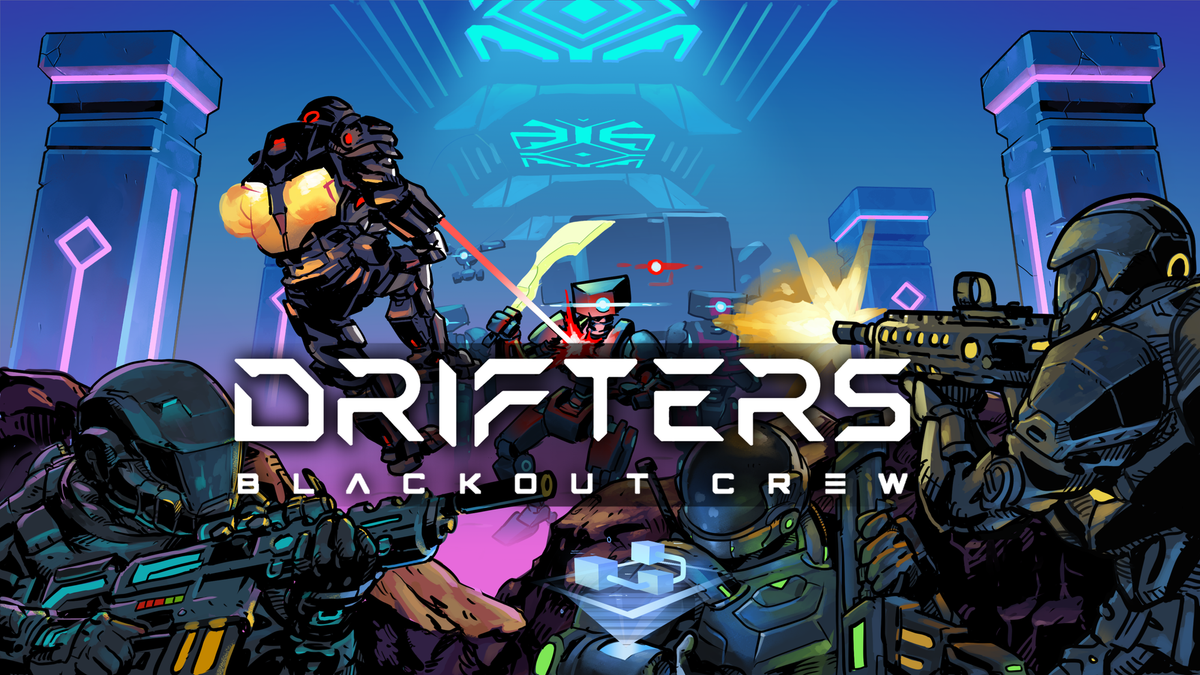
Furthermore, the game’s reliance on co-op play is a strategic hedge. Extraction shooters are notoriously difficult for solo players; by mandating or heavily encouraging squad-based play, Drifters fosters social retention, which is the lifeblood of any live-service-adjacent title.
Official Stance and Future Outlook
In early communications regarding the project, Salmi Games has expressed a clear commitment to community-led development. The team has already confirmed that private playtests are in the works, signaling a desire to balance the game’s intensity based on direct user feedback before the wider public release.
The PSVR2 Conundrum
One of the most notable aspects of the announcement is the absence of a PlayStation VR2 release. While Sweet Surrender was ported to Sony’s platform, the studio noted in a post-mortem that the game’s sales on the platform were underwhelming. This experience has clearly influenced the studio’s current strategy. For now, the focus is squarely on the Meta Quest and SteamVR ecosystems, where the majority of the active VR shooter player base resides. Whether this stance will soften remains to be seen, but it highlights a growing trend among indie VR developers: prioritizing platforms where the return on investment is more predictable.
Implications for the VR Industry
The arrival of Drifters: Blackout Crew carries several implications for the VR industry:
- Increased Technical Sophistication: By integrating jetpacks and complex weapon interactions, Salmi Games is pushing the technical ceiling of what is expected from standalone VR titles.
- Governmental Influence: The role of the German Federal Government in funding this project underscores the growing recognition of VR as a legitimate, culturally significant pillar of the interactive media industry.
- Genre Consolidation: As more studios attempt to capture the "extraction" audience, we are likely to see a period of intense competition. Developers will need to lean into unique mechanics—like the movement systems in Drifters—to prevent player fatigue.
- Live-Service Realities: Salmi Games’ track record with Sweet Surrender suggests that Drifters will likely be a "living" game. Players can expect a roadmap of content, seasonal updates, and balancing patches, which is exactly what the extraction shooter community demands.
Conclusion: Will the Crew Survive?
Drifters: Blackout Crew is more than just a new shooter; it is a testament to the growth and maturation of the VR developer ecosystem. By combining the lessons learned from the roguelite genre with the high-stakes thrill of extraction, Salmi Games is positioning itself for a major win.
While the lack of a PSVR2 version may disappoint a segment of the hardware base, the focus on the Quest and SteamVR platforms is a pragmatic choice that aligns with current market realities. As the game moves toward its first phase of private testing, the question remains: can the "Blackout Crew" offer enough innovation to stand out in an increasingly crowded void?
With its unique art style, focus on vertical movement, and the proven pedigree of its developers, Drifters certainly has the fuel to make the journey. For those interested in the future of VR combat, the game is available for wishlisting on Meta Quest and Steam today. The facilities are waiting—the only question is whether you have the gear to get out alive.

