

SAN FRANCISCO — As the tech industry turns its collective gaze toward the upcoming Meta Connect 2026 keynote, new reports suggest that Meta is preparing to pull back the curtain on one of its most ambitious hardware and software pairings to date. According to industry leaks and recent investigative reporting, Meta could officially demonstrate Project Phoenix—a premium, ultralight headset with a tethered compute puck—alongside a live, full-body, photorealistic hologram calling experience driven by its long-gestating Codec Avatars technology.
With the conference slated for September 23–24, 2026, anticipation is reaching a fever pitch. If the reports hold true, Meta’s keynote will not only offer a clear look at its high-end successor to the Meta Quest Pro line but also showcase a milestone breakthrough in spatial telepresence.
Main Facts: What We Know About Project Phoenix and "Hologram" Calling
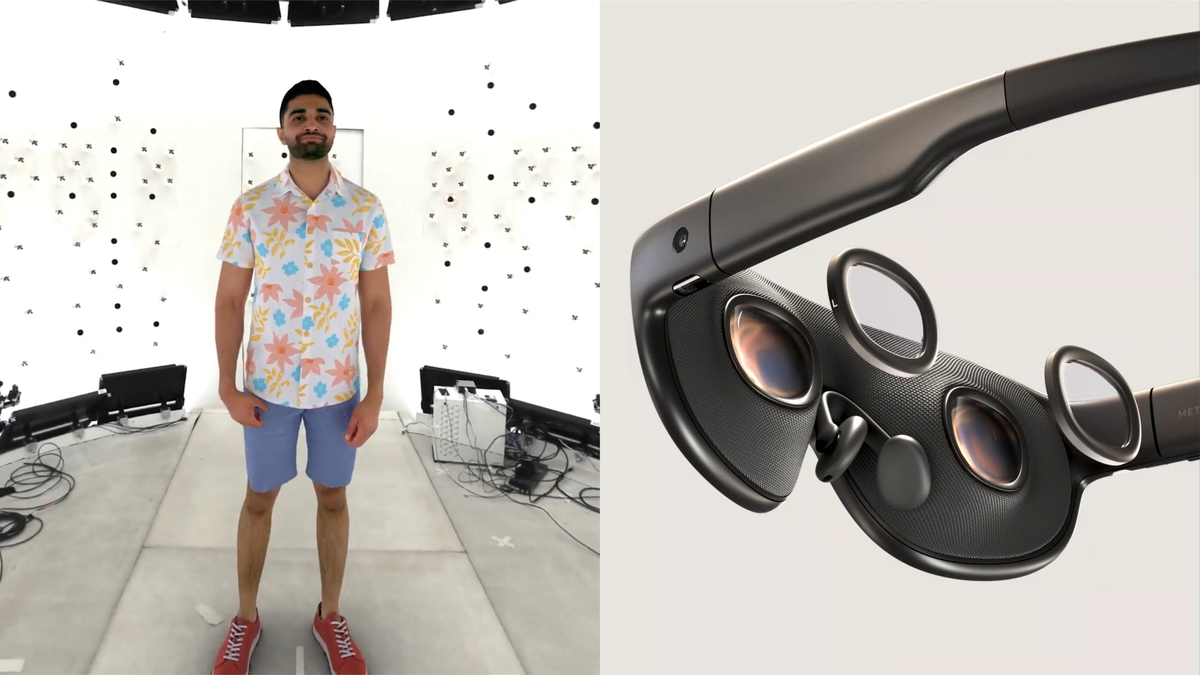
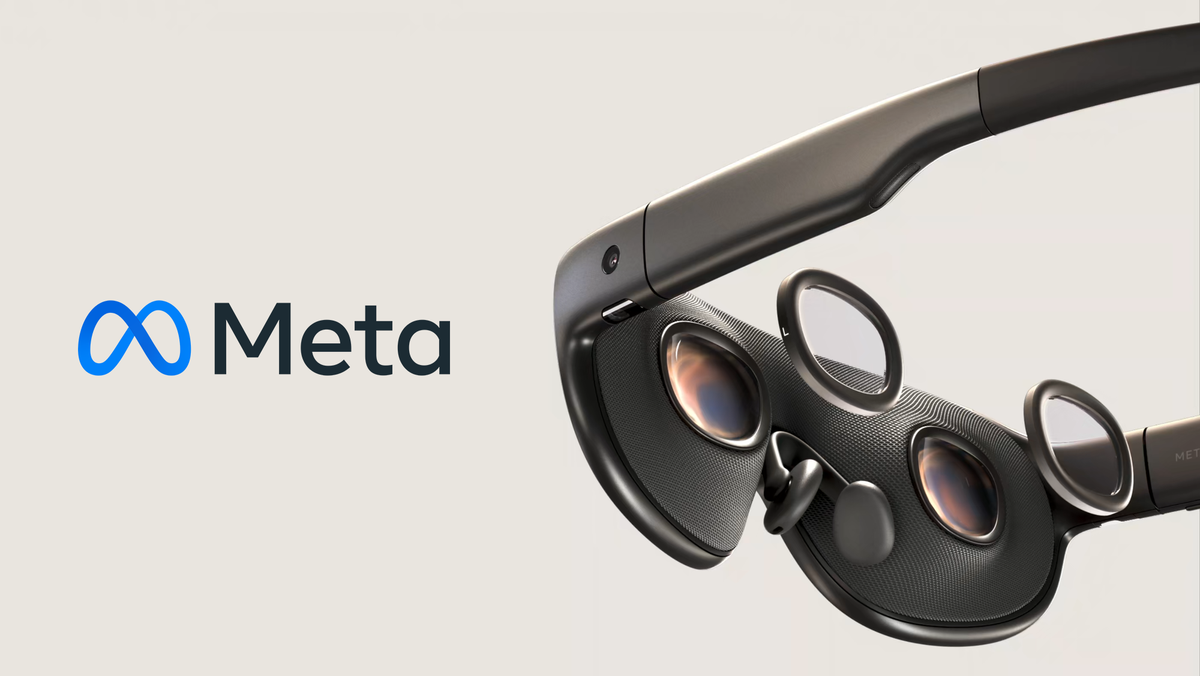
The centerpiece of the rumored hardware demonstrations is Project Phoenix (encompassing internal codenames such as Stanley and Loma), a device positioned as a high-end productivity and entertainment tool.
Unlike traditional, bulky standalone headsets, Phoenix is engineered with an ultralight, open-periphery glasses-like form factor paired with a tethered compute puck. While some marketing materials and early descriptions lean toward labeling it as an augmented reality (AR) device, technical analyses of Horizon OS firmware point to a more accurate classification: a glasses-like Passthrough Virtual Reality (Mixed Reality) headset, utilizing foundational principles similar to the Meta Quest 3 and 3S.

Simultaneously, Meta is reportedly preparing to rebrand or unify its telepresence efforts under the consumer-facing banner of "Hologram." Recent builds of the Meta AI mobile app and Horizon OS framework packages contain explicit references to "Hologram Calling" and setup frameworks for realistic avatars. The headline demonstration during the Connect 2026 keynote is expected to feature Meta Chief Technology Officer Andrew Bosworth appearing live as a photorealistic, full-body hologram during a Phoenix headset demonstration.
Chronology: The Road to Meta Connect 2026
The convergence of Project Phoenix and Codec Avatars at Connect 2026 is the culmination of years of iterative hardware development, foundational AI research, and software datamining.

- September 2022: Meta first captures widespread public attention for its Codec Avatars project at Meta Connect 2022, demonstrating real-time, rigged facial tracking simulations.
- Mid-2023: Meta CEO Mark Zuckerberg participates in a widely viewed VR interview with Lex Fridman using early prototype photorealistic Codec Avatars, which required massive studio rig captures and high-end computer rendering.
- Early 2024–2025: Meta researchers pivot toward scalability, developing methods to generate usable Codec Avatars from sparse photo inputs (such as four selfies) and distilling the rendering pipeline to run on mobile-class silicon like the Quest 3.
- June 2026: Meta publishes a milestone research paper titled "Large-scale Codec Avatars: The Unreasonable Effectiveness of Large-scale Avatar Pretraining" (CVPR 2026), showcasing models driven by inward-facing and SLAM sensors.
- August 2026: Dataminers discover explicit "Hologram" product tour videos and framework strings within Meta AI mobile app builds and Horizon OS updates, tying smart glasses and headset ecosystems together under the new telepresence framework.
- Early September 2026: Clear visual assets and firmware strings of Project Phoenix surface within Horizon OS updates, revealing its tethered puck architecture. Reports from The Information indicate that CEO Mark Zuckerberg and CTO Andrew Bosworth review the final live-demo plans for the upcoming keynote.
- September 23–24, 2026: Meta Connect 2026 convenes in Menlo Park, California, where the official public unveiling of these technologies is anticipated.
Supporting Data and Technical Architecture
The technical architecture underpinning Project Phoenix and Codec Avatars relies on a delicate balance of aggressive hardware miniaturization and heavy AI computation.
Hardware: Project Phoenix
Industry reporting and firmware strings describe Phoenix as a lifestyle and professional accessory. By offloading primary computational tasks to a pocketable "compute puck," the headset visor itself can maintain an ultralight weight profile, minimizing facial fatigue during extended wear sessions aimed at virtual screen consumption, movie-watching, and collaborative workspace tasks.

Software: Large-Scale Codec Avatars (LCA)
For years, the primary bottleneck for Codec Avatars was the immense hardware requirement needed to capture and render a human likeness. However, Meta’s 2026 breakthroughs leverage large-scale pretraining models.
By utilizing inward-facing headset sensors to capture micro-expressions and outward SLAM sensors to map body posture, the system can drive a full-body, photorealistic avatar in real-time. This mirrors spatial computing counterparts in the industry, such as Apple’s Personas on visionOS and Samsung’s Likeness on Android XR, but aims for a higher fidelity threshold by prioritizing full-body spatial presence.
Official Responses and Industry Context
While Meta has maintained its traditional pre-keynote silence regarding specific product leaks, executive posturing and research publications heavily validate the direction of the company.
Meta leadership has repeatedly emphasized that the ultimate goal of spatial computing is social telepresence—bridging the physical gap between distant individuals with maximum fidelity. The sudden ubiquity of "Hologram" branding across Meta AI mobile binaries and Horizon OS social packages suggests that marketing teams are preparing a unified push to normalize avatar-based communication across both wearables (such as Ray-Ban smart glasses lines) and immersive headsets.
Competitors are also watching closely. With Apple refining its spatial persona features and Android XR ecosystems rolling out competing likeness standards, Meta’s push with Codec Avatars is viewed as a calculated effort to establish market dominance in human-centric virtual communication.
Implications: What Project Phoenix and Holograms Mean for the Future
If Meta successfully executes the Project Phoenix and Hologram demonstration at Connect 2026, the implications for consumer technology and enterprise communication could be profound.

- Redefining Remote Work and Social Media: Moving beyond cartoonish Meta avatars or rigid 2D video calls into full-body, photorealistic spatial telepresence creates an unprecedented sense of co-presence. Business meetings, family gatherings, and remote collaboration could fundamentally shift into immersive spaces.
- Hardware Form Factor Evolution: The success of Phoenix’s tethered puck design will test consumer appetite for split-architecture wearables. If users accept the tether in exchange for a significantly lighter, glasses-like aesthetic, it could signal the death knell for front-heavy standalone headsets in professional markets.
- Privacy and Ethical Considerations: As Meta integrates advanced camera sensors, outward-facing tracking, and hyper-realistic digital likenesses into its ecosystem, questions surrounding biometric data security, consent, and deepfake vulnerabilities will inevitably intensify. How Meta addresses data governance for "Holograms" will shape public trust for years to come.
As the doors open at Meta Connect 2026 next week, the tech world will find out whether Project Phoenix and Meta’s vision of holographic communication can deliver on their sky-high expectations.

