


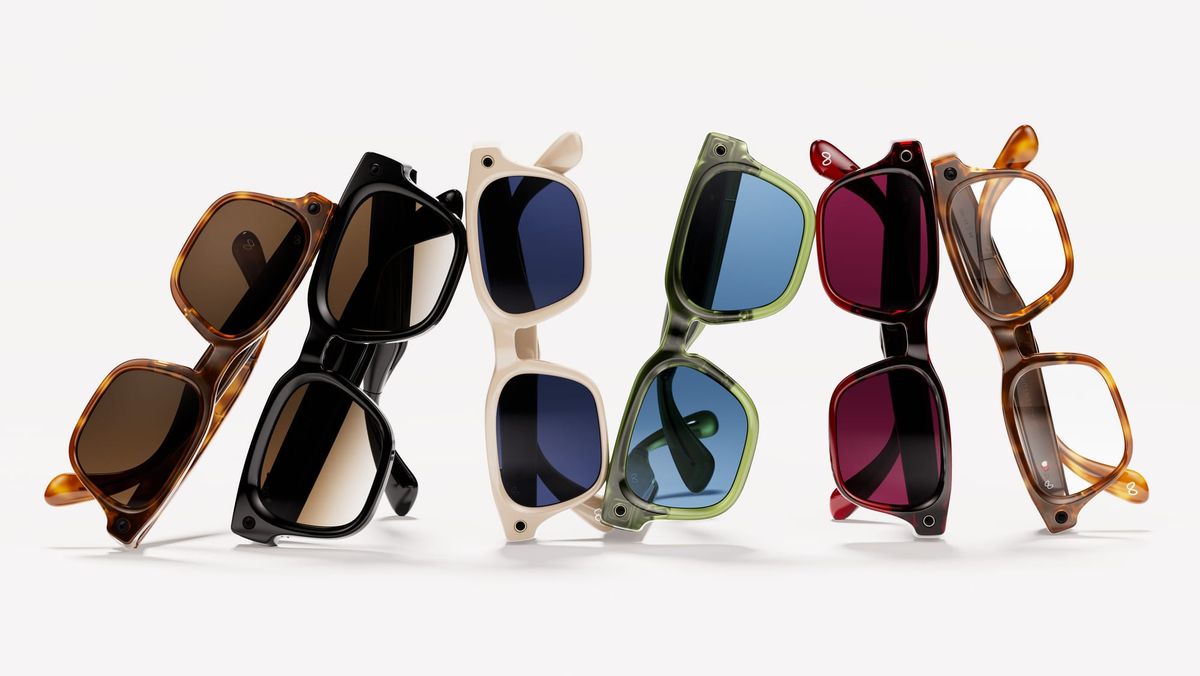
In a strategic maneuver to broaden the appeal of its wearable technology, Meta has officially unveiled a new line of smart glasses simply branded as "Meta Glasses." By decoupling its sophisticated smart technology from the premium Ray-Ban branding, the company is targeting a more accessible price point while maintaining the high-performance specifications that have defined its second-generation hardware. This launch, accompanied by new collaborative designs and accessory ecosystems, signals Meta’s intent to move beyond niche tech enthusiasts and into the mainstream fashion market.
The Evolution of Meta’s Wearable Strategy
For years, the smart glasses industry struggled to reconcile the clunky aesthetics of early prototypes with the desire for everyday wearability. Meta’s partnership with EssilorLuxottica, the eyewear powerhouse behind Ray-Ban, changed the narrative by prioritizing style without compromising on compute.
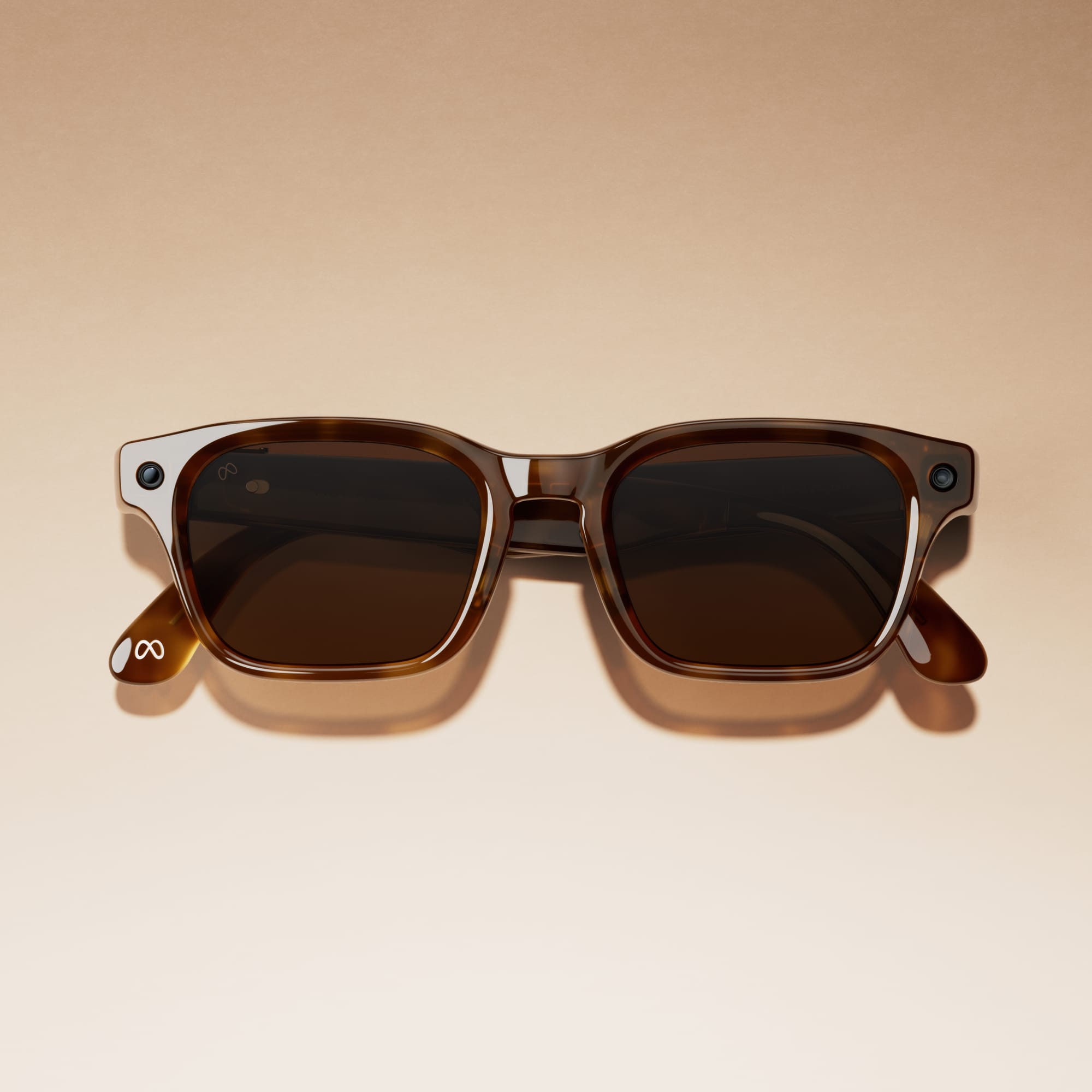
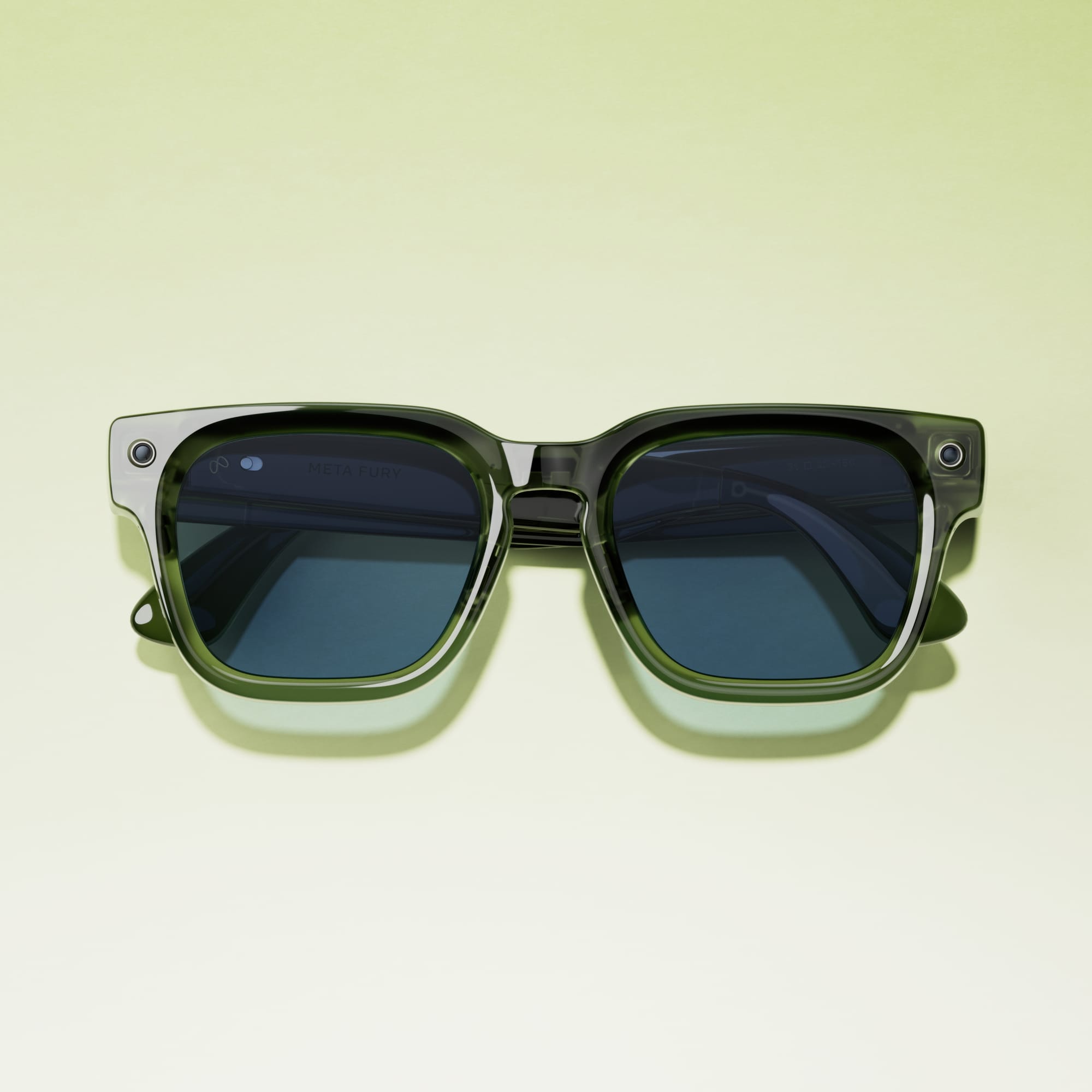
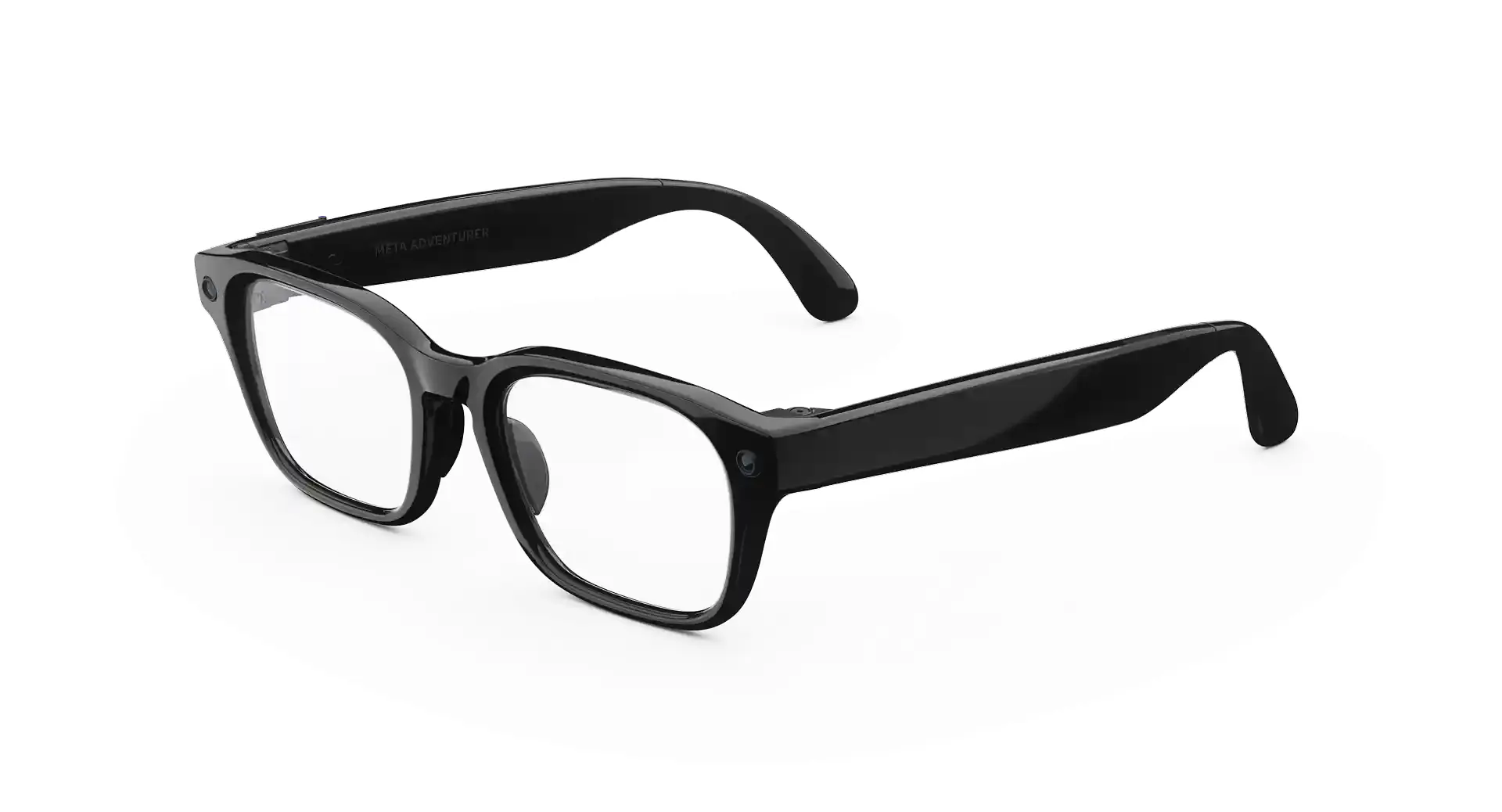
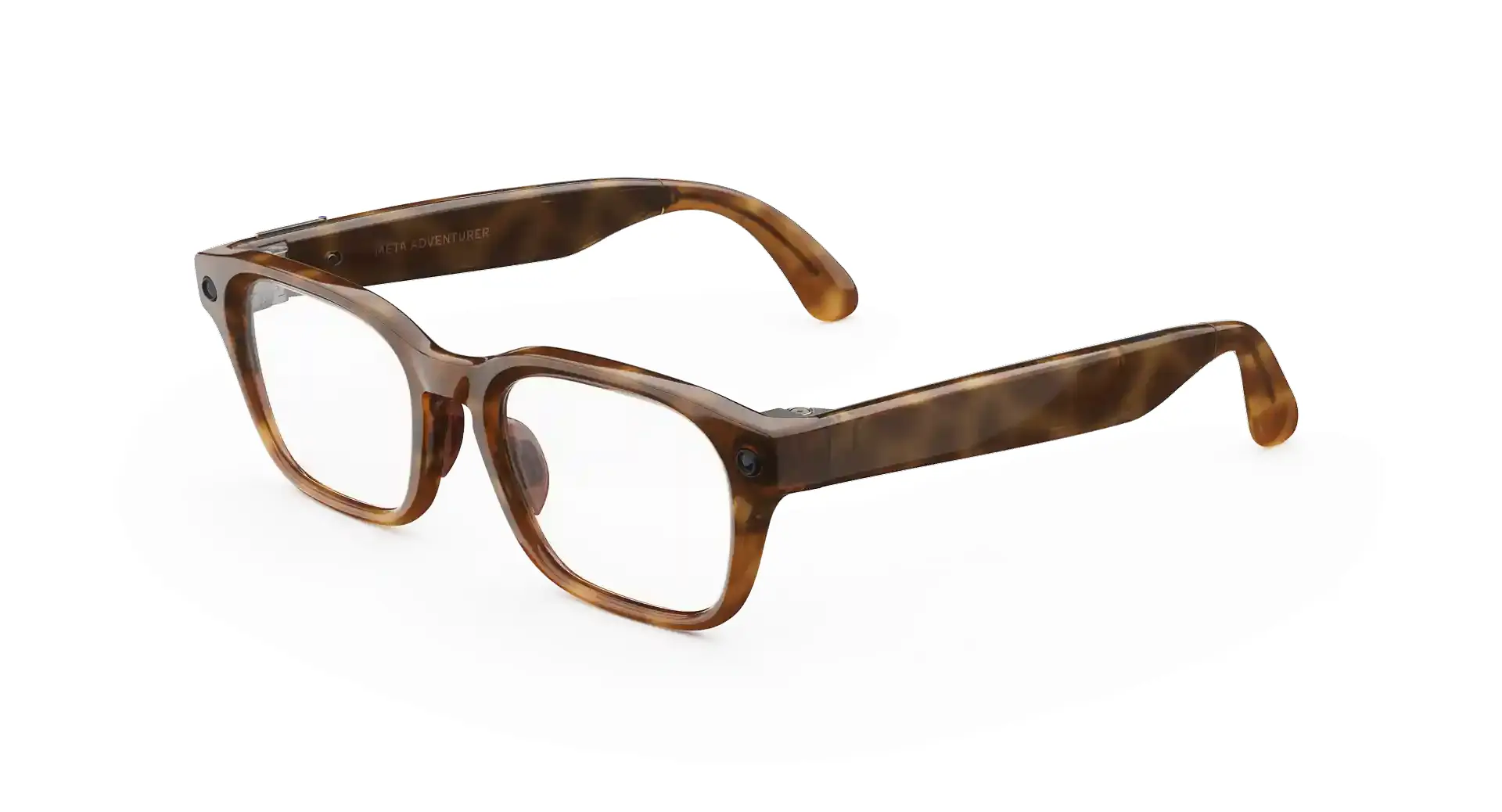
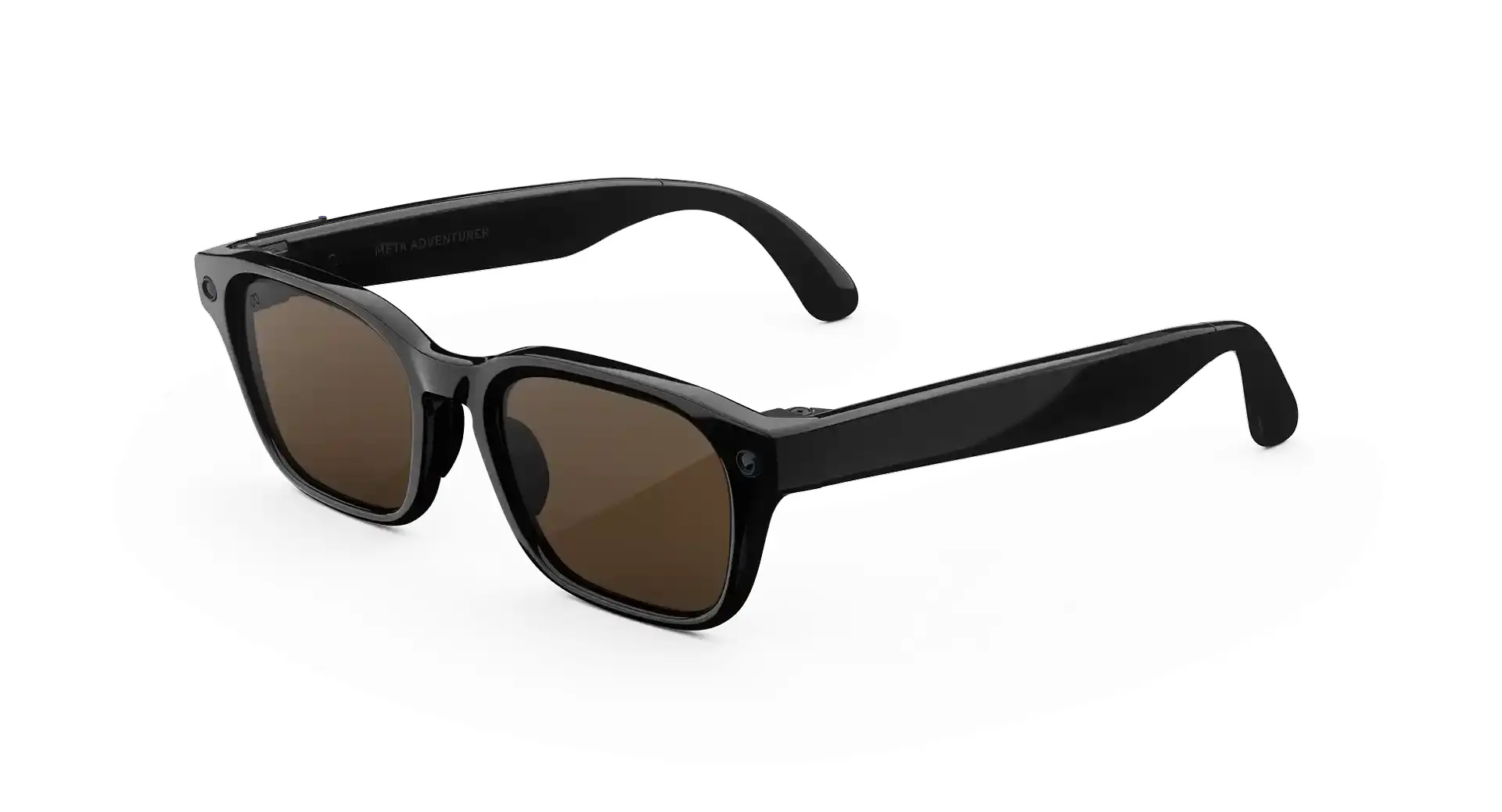
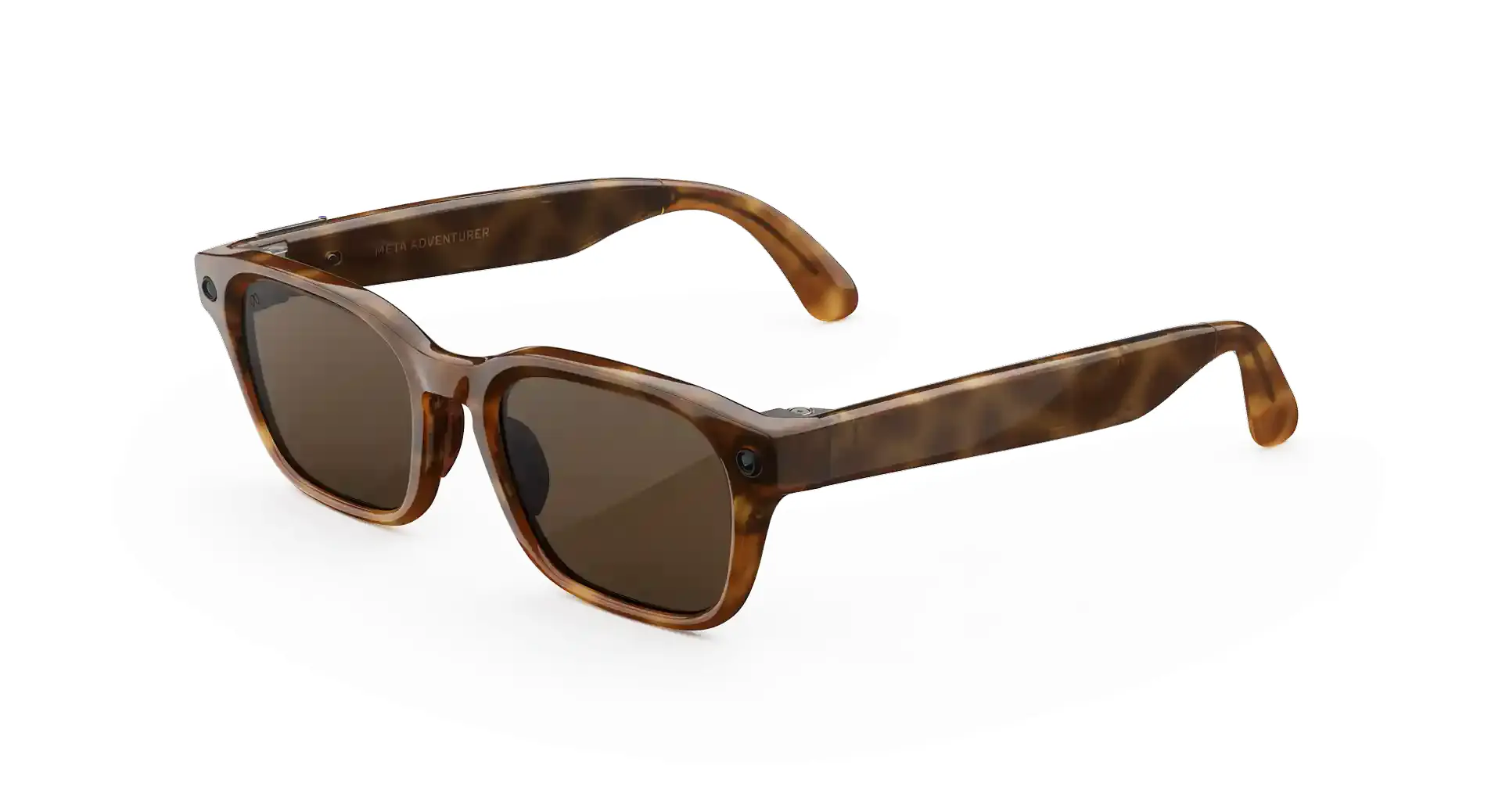
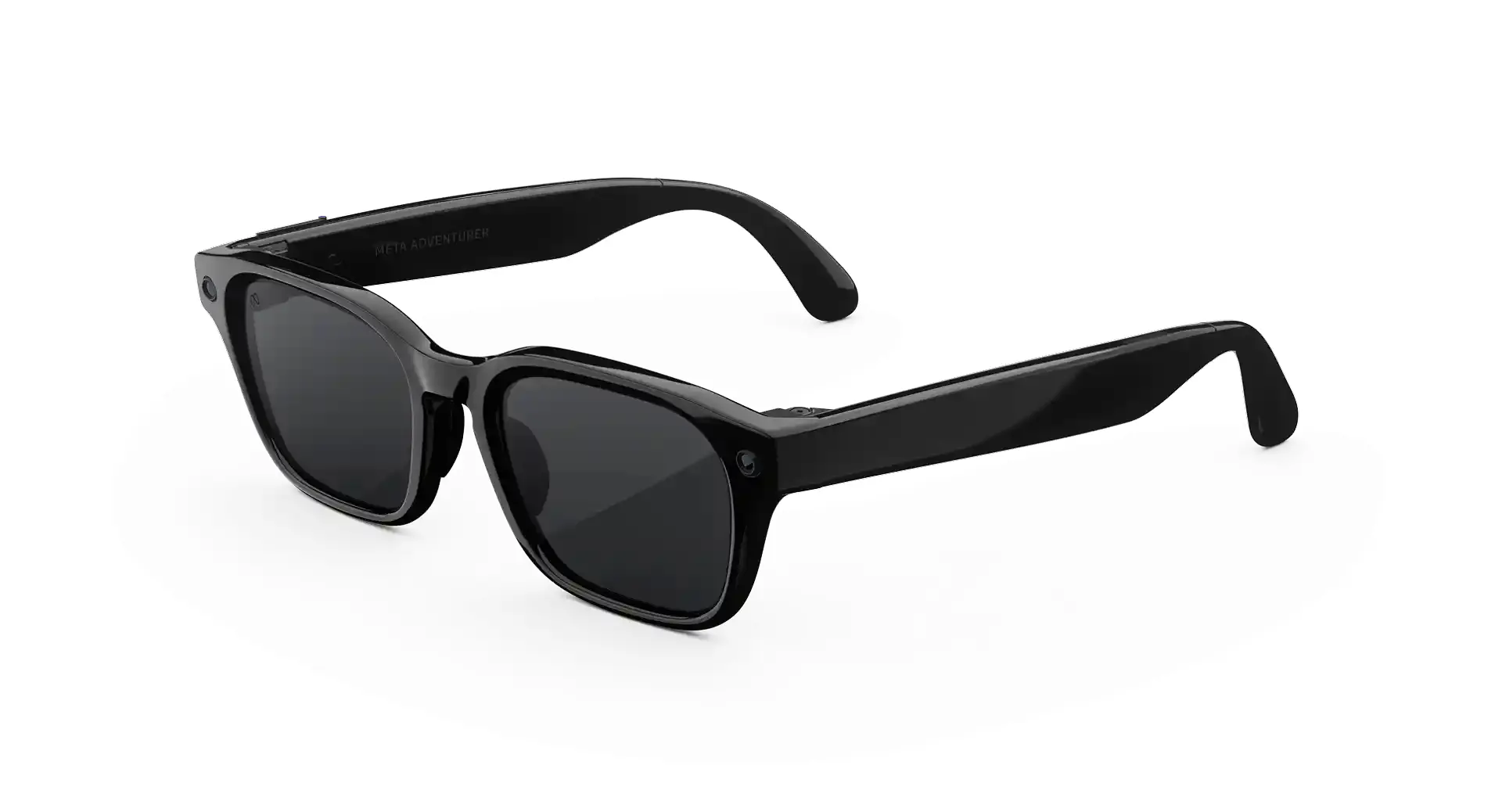
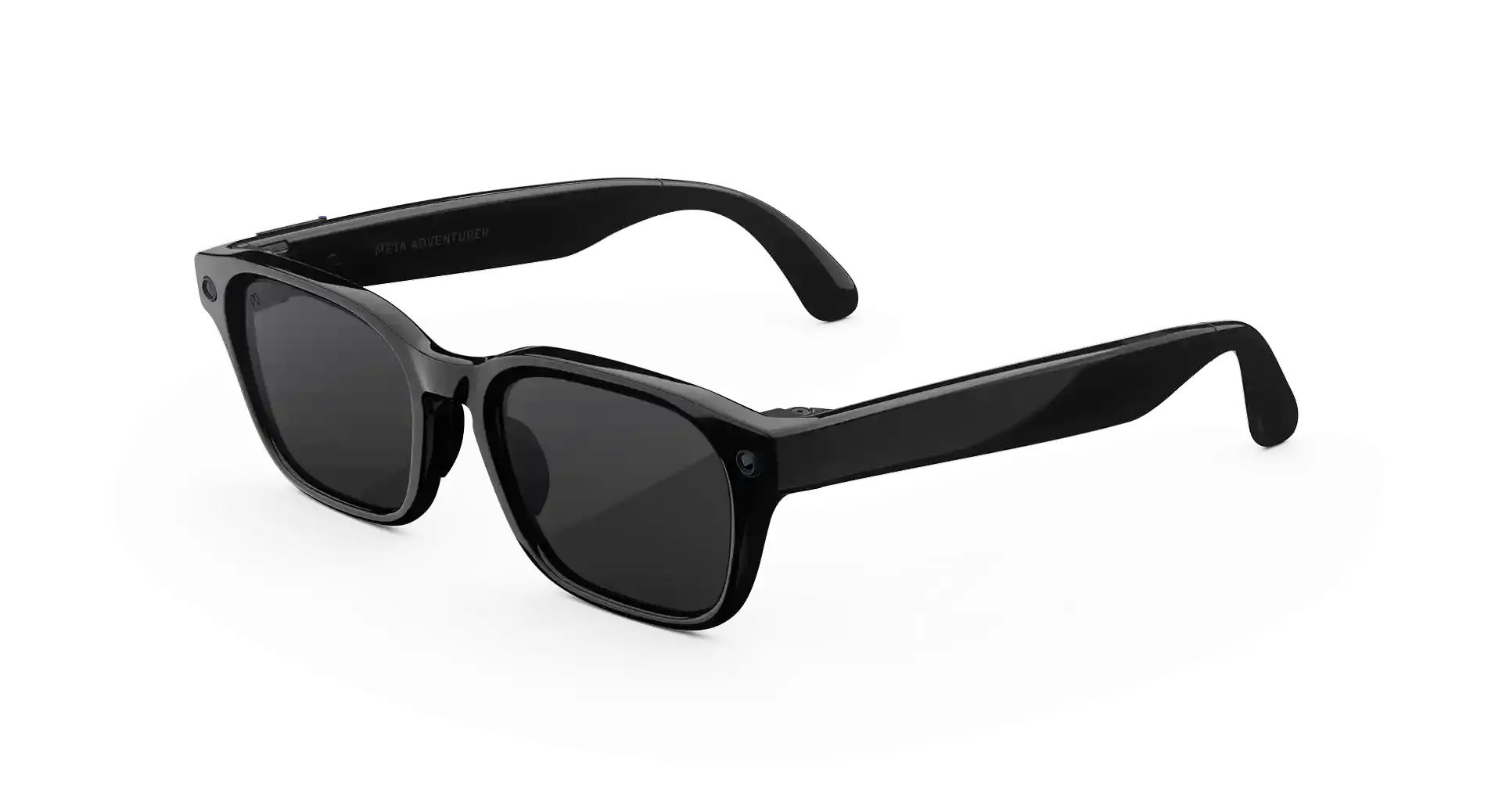
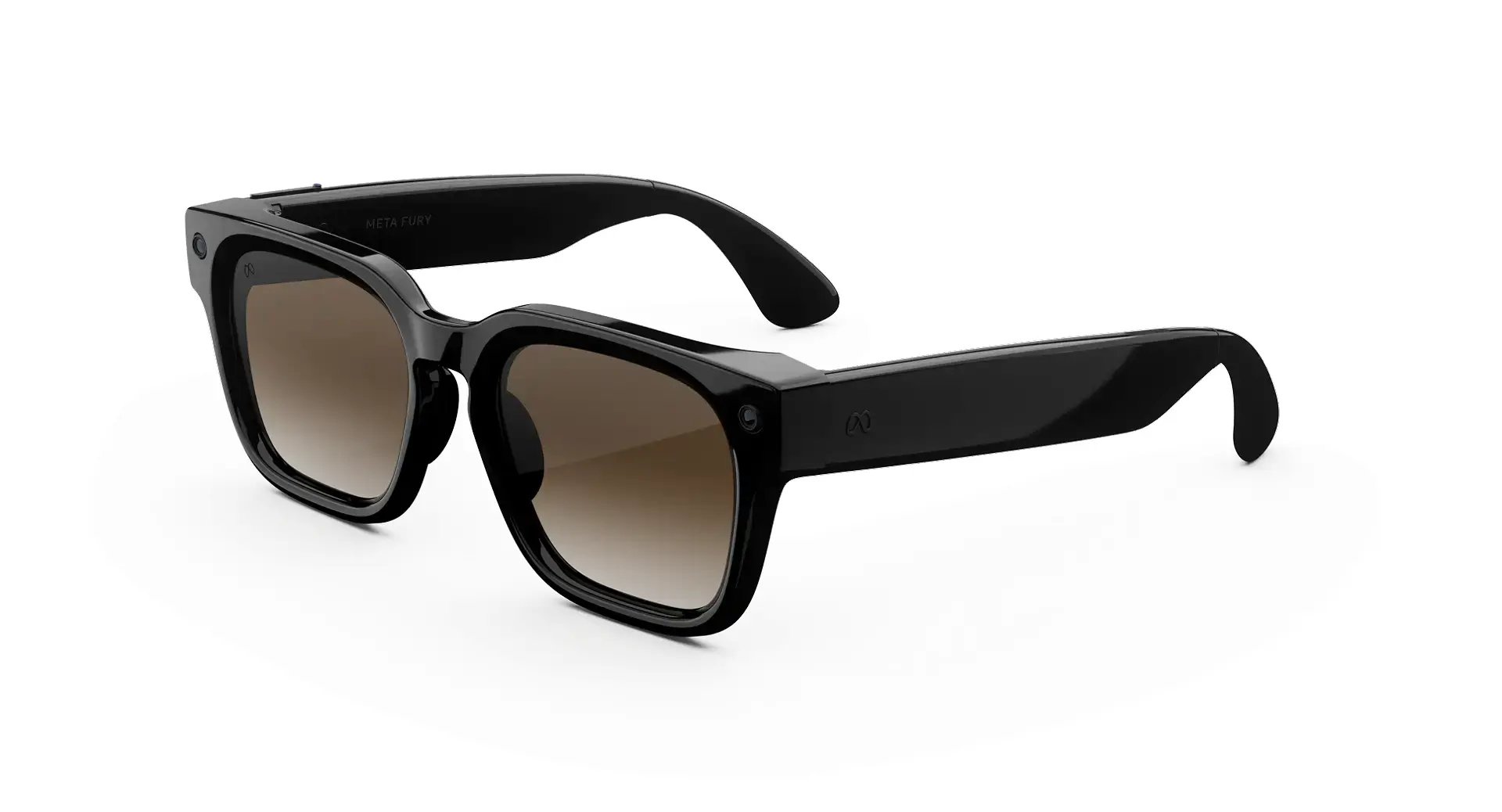
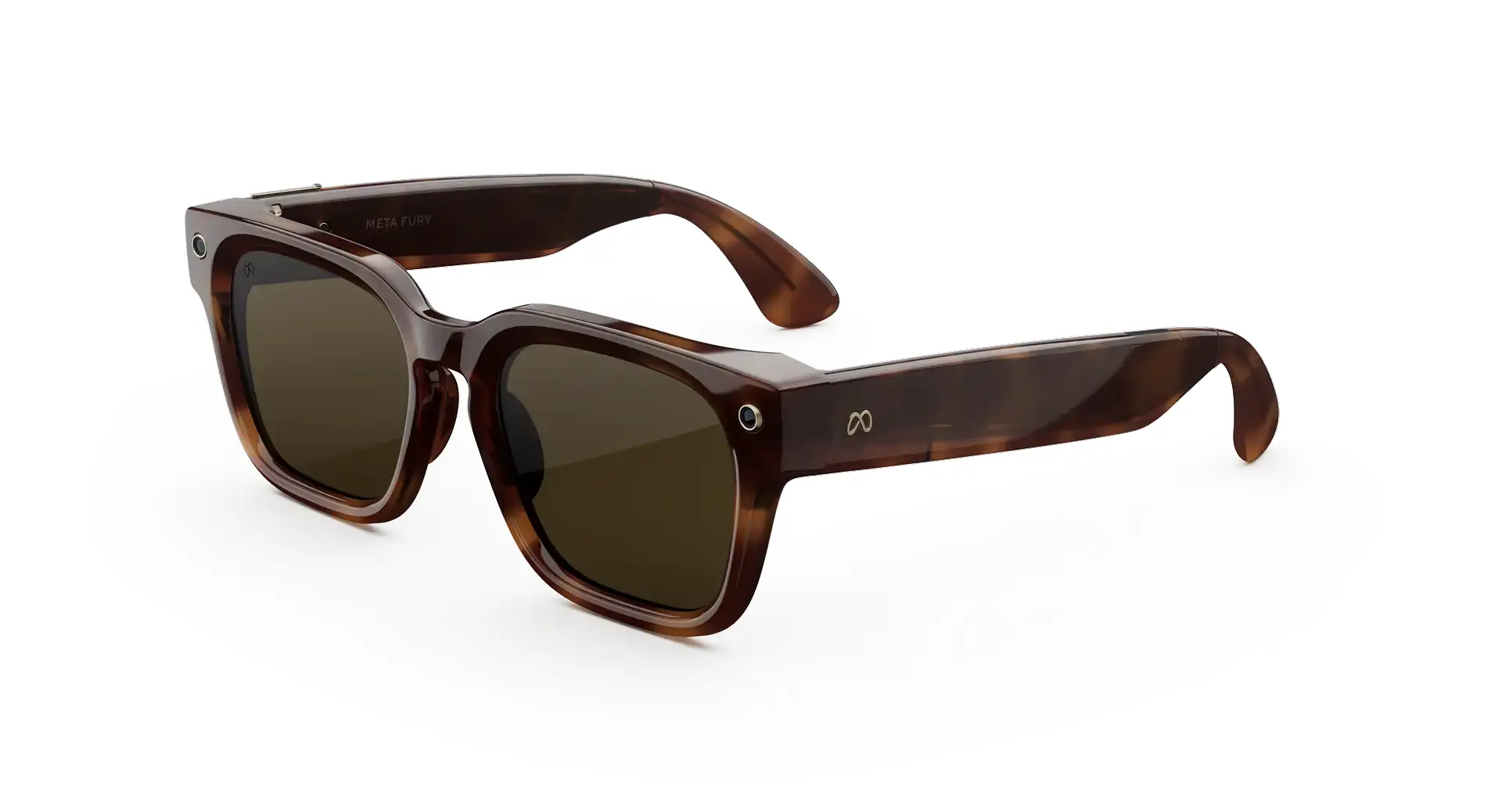
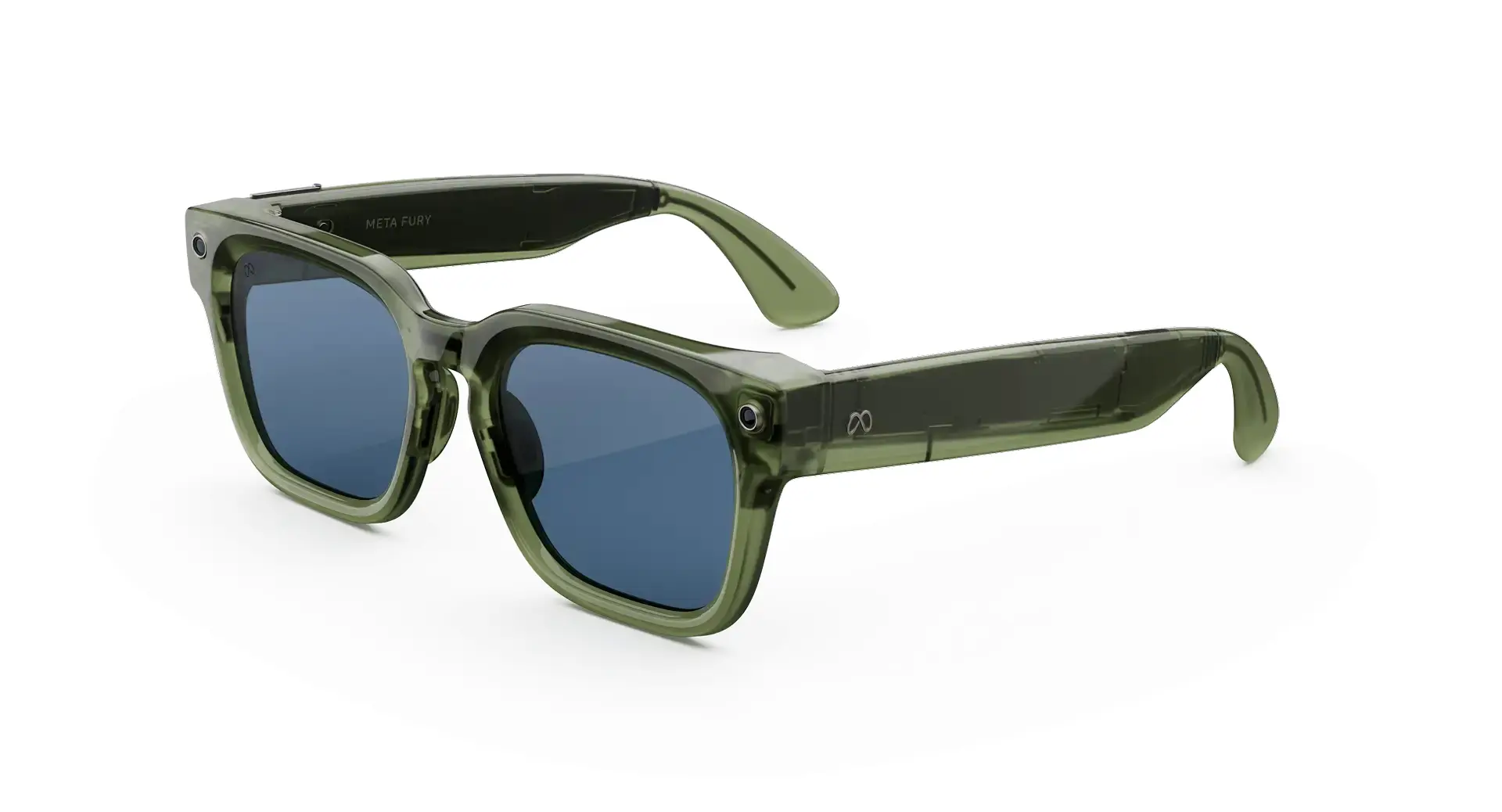
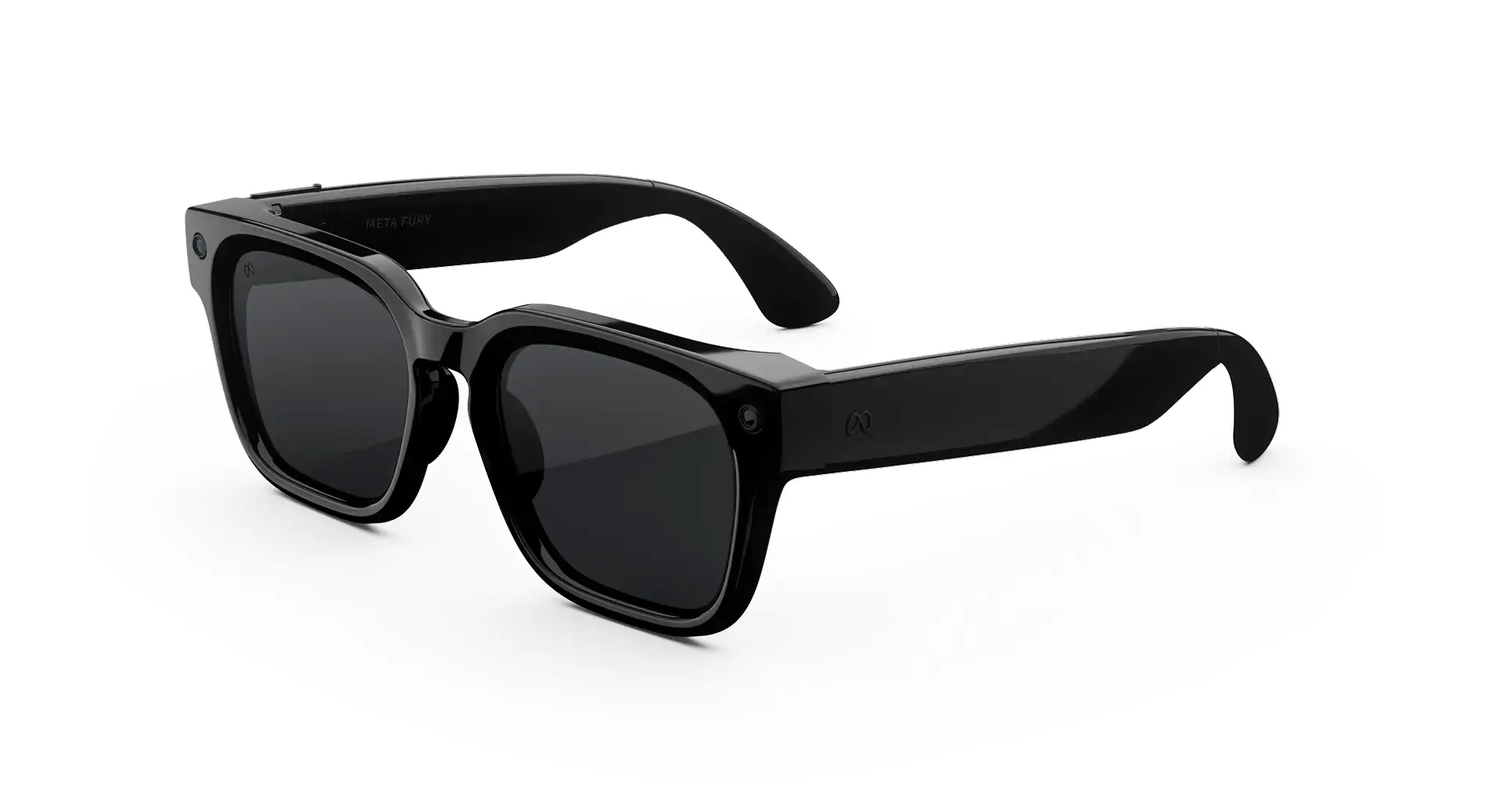
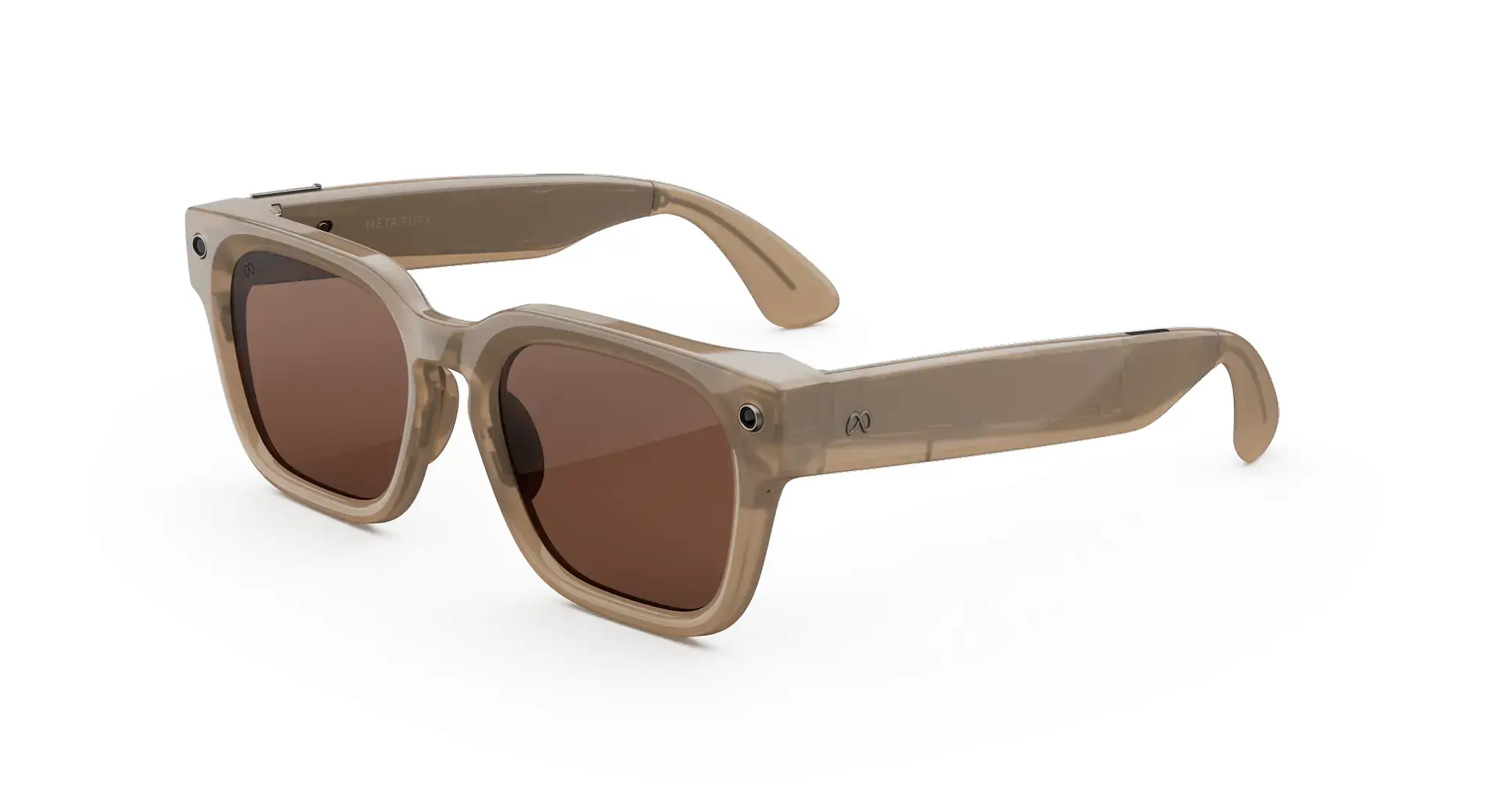
The new "Meta Glasses"—offered in two distinct styles, the Adventurer and the Fury—represent the next logical step in this evolution. While they lack the iconic Ray-Ban logo, they are manufactured through the same partnership with EssilorLuxottica, ensuring that the build quality and optical standards remain at an industry-leading level. With a starting price of $300, these devices undercut the traditional Ray-Ban Meta range by roughly $80, effectively lowering the barrier to entry for consumers who prioritize functionality over brand heritage.
Technical Parity: No Compromises
Despite the lower price tag, the internal architecture of the new Meta Glasses remains identical to the premium Ray-Ban Meta Gen 2 models. Users benefit from:
- Imaging Capabilities: 3K video recording, matching the high-fidelity output expected by modern content creators.
- Hardware Internals: The same robust chipset, internal storage, and audio drivers found in the more expensive variants.
- Advanced Ergonomics: The integration of "overextension" hinges, a feature recently introduced in the Ray-Ban Meta Optics Styles, providing a more flexible and comfortable fit for a wider range of face shapes.
Chronology of the Meta Wearable Roadmap
The release of these glasses is not an isolated event but rather the culmination of a multi-year development cycle aimed at dominating the "head-worn" compute space.
- 2021: Meta releases its first-generation smart glasses, focusing on proving the concept of hands-free capture and social connectivity.
- 2023: The launch of the Ray-Ban Meta Gen 2 glasses sets a new benchmark, introducing superior AI integration and vastly improved battery life.
- Mid-2026: Meta solidifies its commitment to the ecosystem by acquiring a 3% stake in EssilorLuxottica, valued at approximately $3 billion. This move effectively vertically integrates Meta’s software expertise with the world’s leading eyewear manufacturing capabilities.
- June 2026: The official launch of the "Meta Glasses" (Adventurer and Fury) alongside the celebrity-partnered "Starfire" collection and a new universal Charging Stand.
Supporting Data and Design Specifications
Meta has meticulously segmented its offerings to ensure that every demographic—from the minimalist to the trendsetter—finds a design that resonates.
The Adventurer vs. The Fury
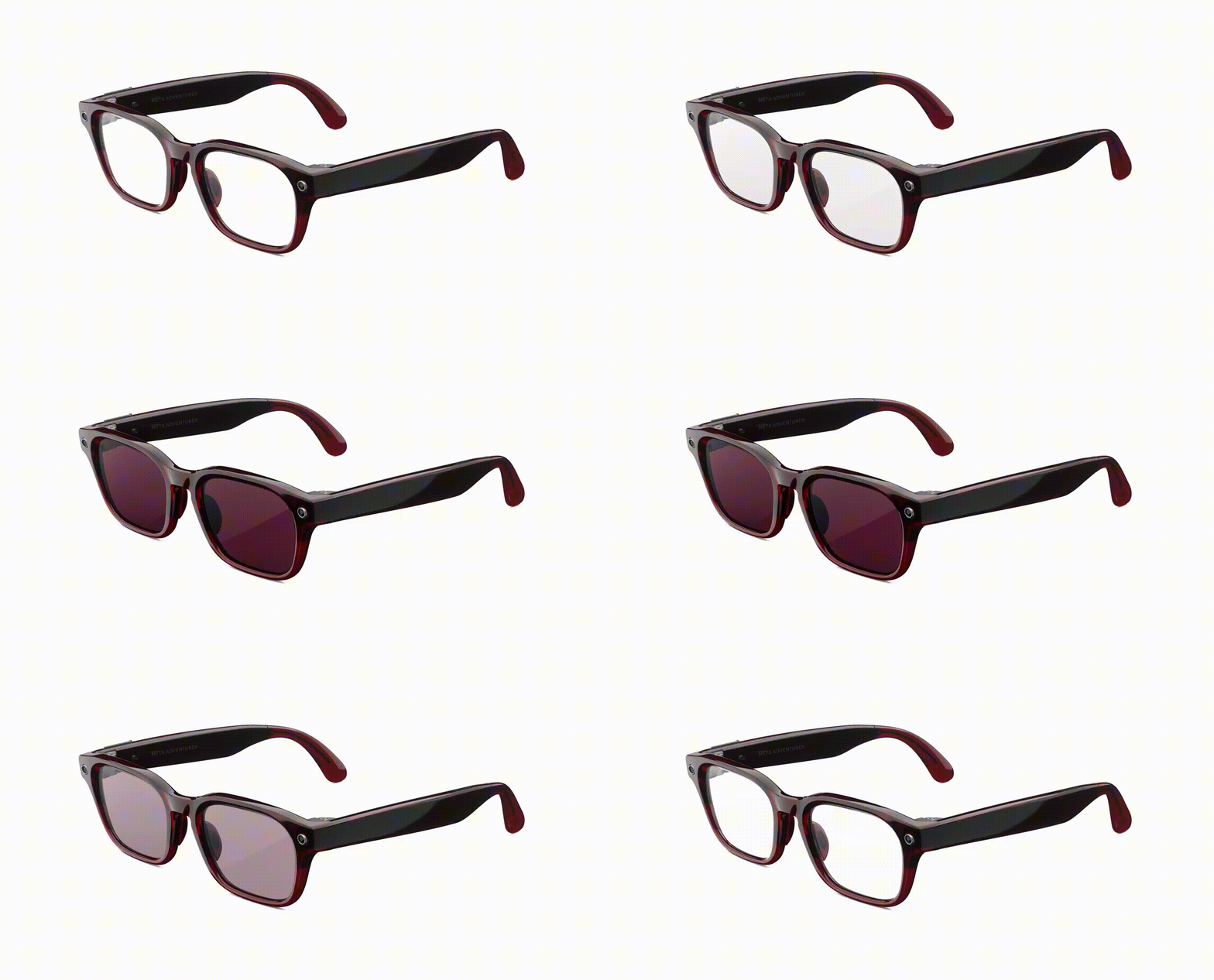
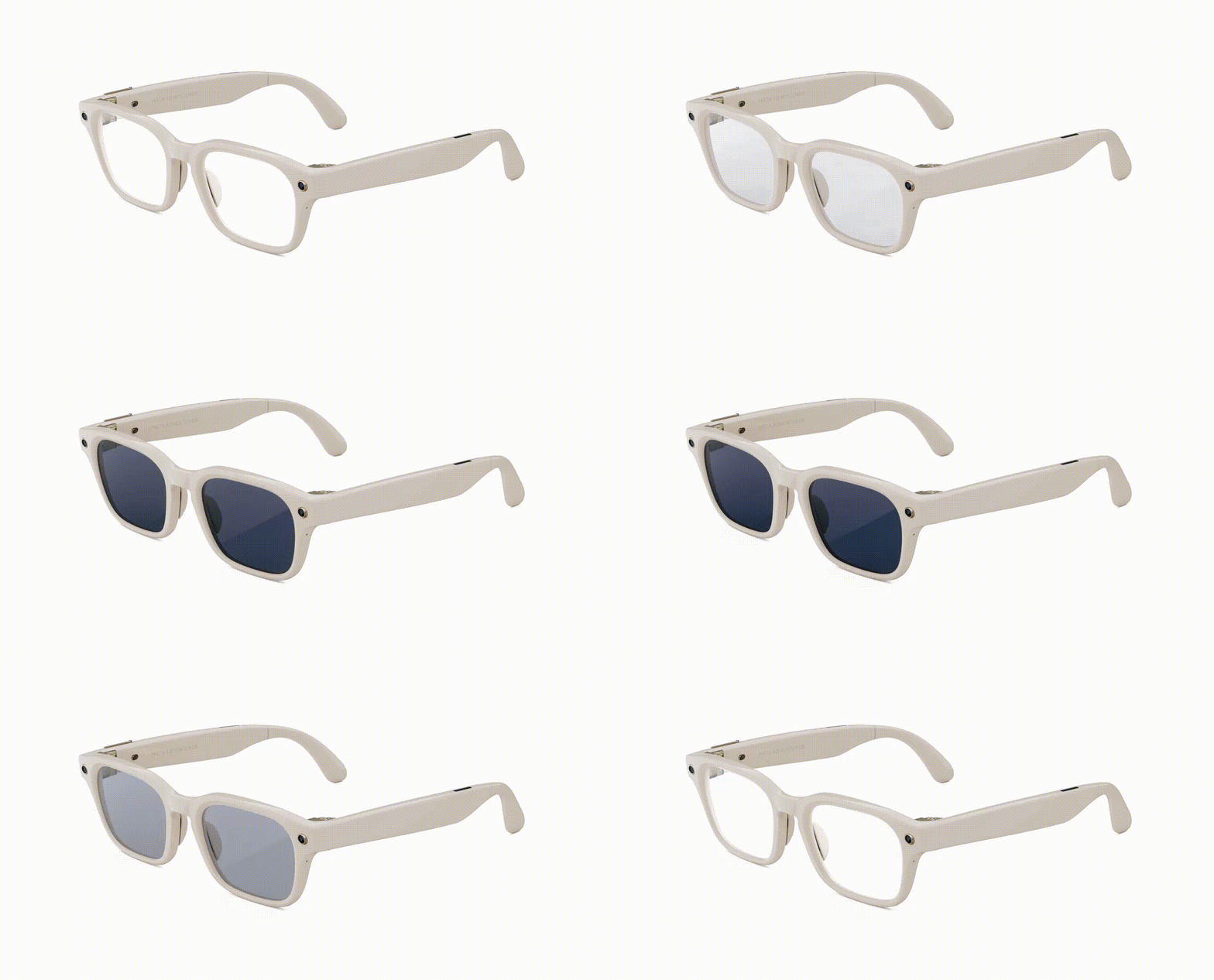
The Adventurer is designed for the classicist. Its rectangular frame is available in eight versatile colorways, ranging from traditional "Classic Black" to more experimental "Merlot" and "Linen" finishes with transition lenses. The Fury, by contrast, features a taller, more pronounced square profile. Available in seven color options, the Fury is intended for users who prefer a bolder, more fashion-forward silhouette.
The Portability Advantage: The Folding Case
A standout feature of the new Meta Glasses range is the inclusion of a compact, flat-folding charging case. In our testing of the Meta Ray-Ban Display, we noted that the folding mechanism is a game-changer for portability. Unlike bulkier, rigid cases that require a dedicated bag, this case easily slips into a standard jeans pocket or a jacket inner pocket. This design choice addresses a major pain point for users who wear their glasses throughout the day but need a quick, discreet way to store them and top up the battery.
Official Responses and Strategic Partnerships
Meta’s decision to continue working with EssilorLuxottica is a cornerstone of their ongoing success. By maintaining this relationship, Meta avoids the manufacturing pitfalls that have plagued other tech giants attempting to enter the eyewear market.
Furthermore, the introduction of the "Starfire" glasses, designed in collaboration with Kylie Jenner, demonstrates Meta’s willingness to leverage influencer marketing to reach Gen Z consumers. The Starfire design includes specific functional touches, such as a gemstone embedded in the lens and specialized metal nose pads, specifically engineered to prevent the glasses from absorbing makeup—a thoughtful detail that highlights the company’s commitment to user-centric design.
"We are building an ecosystem where technology fades into the background," a spokesperson for the development team noted during the launch. "The goal is not to wear a computer on your face, but to wear a pair of glasses that happens to be powered by world-class intelligence."
Broader Market Implications
The launch of these products has significant implications for the future of wearable tech, particularly in the context of competition from companies like Google and their upcoming partnerships with brands like Gentle Monster.
Pricing Pressure on Competitors
By setting a $300 price point for the new Meta Glasses—and keeping older models available at even lower entry prices—Meta is effectively creating a "price floor" that makes it difficult for competitors to enter the market without sacrificing either quality or profitability.
The Ecosystem Moat
Beyond the glasses themselves, Meta is building an "accessory moat." The new $60 stainless steel Charging Stand is a testament to this. By selling a high-quality, bedside-ready charging solution that supports most of their smart eyewear lineup, Meta is increasing the "stickiness" of their hardware. If a user owns a charging stand, they are statistically more likely to purchase their next pair of smart glasses from Meta rather than a competitor whose device might not be compatible.
The Future of Smart Eyewear
The rapid iteration of these products suggests that Meta is no longer treating these devices as experimental "lab" projects. Instead, they are being treated as core consumer electronics. The transition from "Ray-Ban Meta" to a broader "Meta Glasses" brand indicates that Meta is preparing to diversify its aesthetic offerings further.
As the technology continues to advance—with improvements in battery life (now reaching full charge in under an hour) and video quality—the utility of these glasses increases. The integration of Meta AI, combined with the comfortable, stylish designs of the Adventurer and Fury, suggests that we are approaching a tipping point where smart glasses could replace traditional eyewear for a significant portion of the population.
Conclusion
Meta’s latest expansion is a masterclass in market diversification. By decoupling their tech from the high-end Ray-Ban brand, they have opened the door for broader adoption without diluting their existing premium segment. With the combination of superior hardware, a rapidly expanding aesthetic range, and a growing ecosystem of accessories, Meta is positioning itself to be the definitive leader in the smart eyewear space for the foreseeable future. For the average consumer, the choice has never been simpler: if you want high-tech, stylish, and increasingly affordable eyewear, the "Meta Glasses" are currently setting the pace for the entire industry.

