

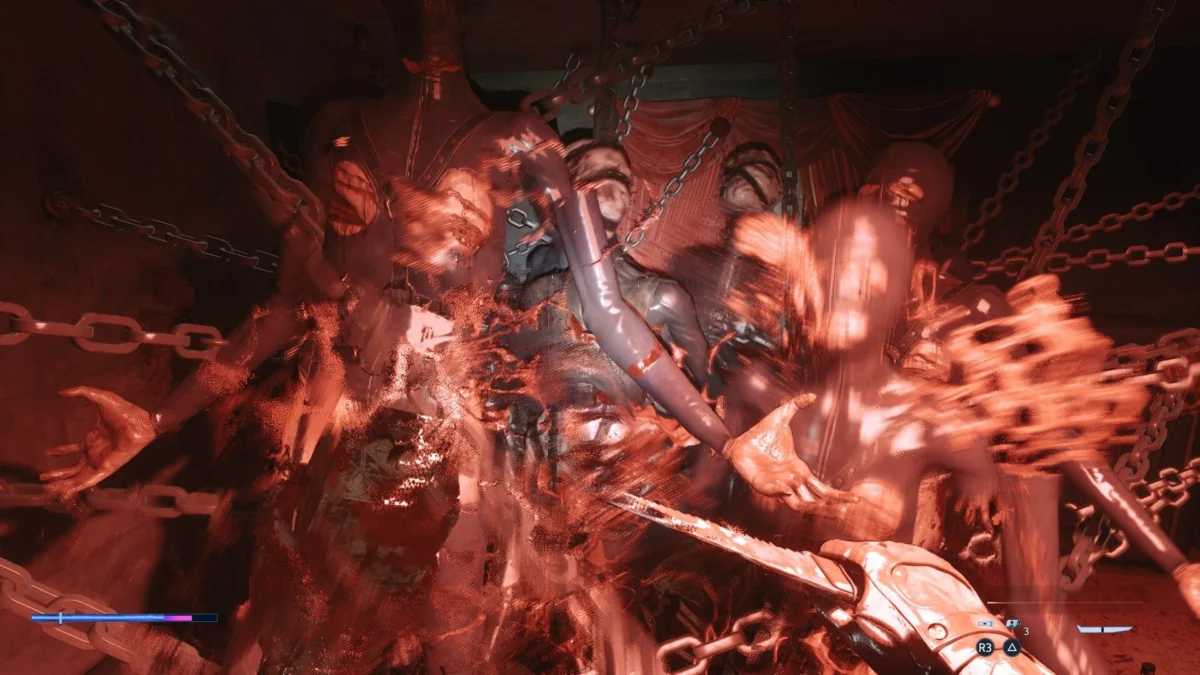
The horror genre has experienced a golden renaissance over the past several years, driven by clever remakes, psychological masterclasses, and innovative mechanics that redefine how players interact with fear. Into this crowded and high-stakes arena steps Saber Interactive with Clive Barker’s Hellraiser: Revival. Released on October 8, 2026, for $40 / £35, this single-player action-horror title attempts to capture the uniquely macabre, flesh-tearing, and dimension-bending aesthetic of Clive Barker’s legendary intellectual property.
Running on modern hardware and available on PC via Steam—with Steam Deck compatibility—the game promises an unholy descent into pain and pleasure. Yet, as reviews roll in, Hellraiser: Revival finds itself trapped between the brilliant body horror of its source material and the frustratingly rigid design choices of a bygone era. While it offers brief moments of nostalgic reverence and clever puzzle-solving, it ultimately stumbles in execution, failing to innovate in a genre currently dominated by titans like Resident Evil 4, Alan Wake 2, and The Last of Us.
Chronology of a Descent: From Cult Hideouts to Unrealized Fights
To understand where Clive Barker’s Hellraiser: Revival stumbles, one must look closely at how the campaign unfolds. The game sets its tone early, plunging players into dark, oppressive environments filled with visceral body horror, cultists, and grotesque monstrosities.

The Baseline Experience and Early Impressions
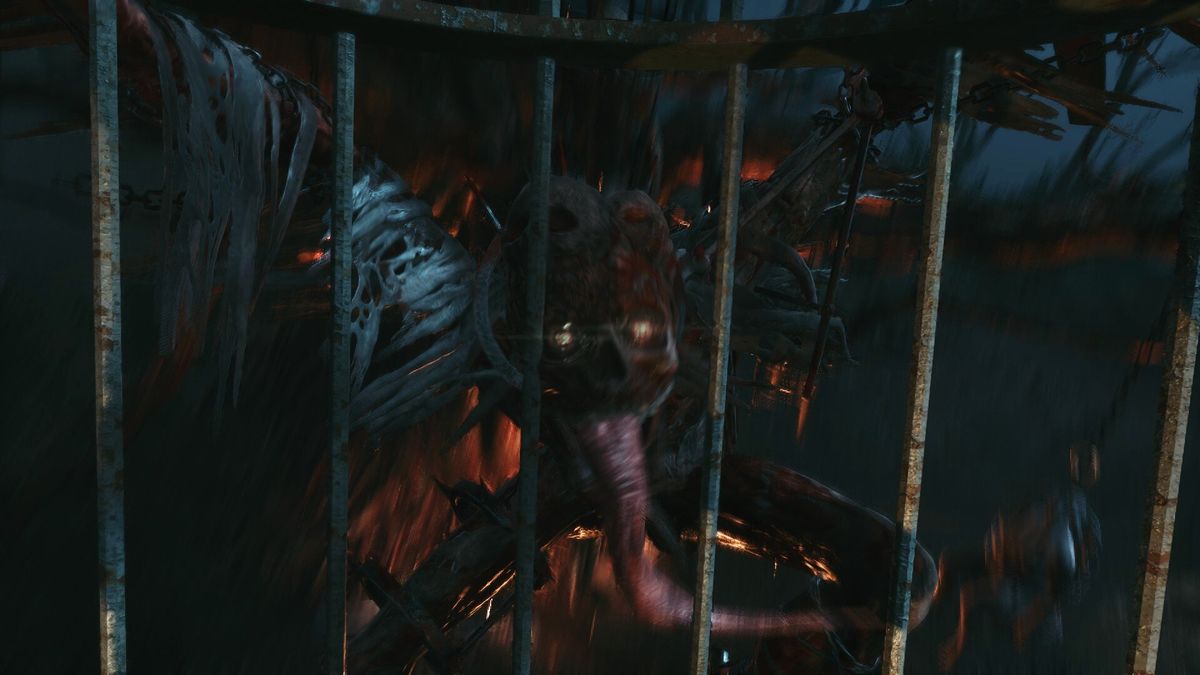
Played on its standard setting to establish a fair baseline, the game immediately introduces players to its frantic pacing. Early encounters showcase an impressive enemy design philosophy. For instance, players are quickly introduced to "Charlotte"—a terrifying, de-fleshed creature with metal stakes fused into her arms and legs. The creature’s speed is staggering; regardless of how fast the player runs or where they attempt to hide, Charlotte is invariably positioned precisely where she needs to be to deliver a brutal, impaling strike.
While the aesthetic presentation of these creatures is undeniably striking, the underlying mechanical loop quickly sours. Players are funneled through identical set pieces repeatedly, stripping away the organic tension that great survival horror relies upon.
The Illusory Stakes of Action Set Pieces
A major pain point in the game’s chronology arises during scripted encounters where player agency is systematically undermined. During the climax of the chase through the cult’s headquarters and the surrounding woods, players find themselves cornered by Charlotte in a secluded clearing.
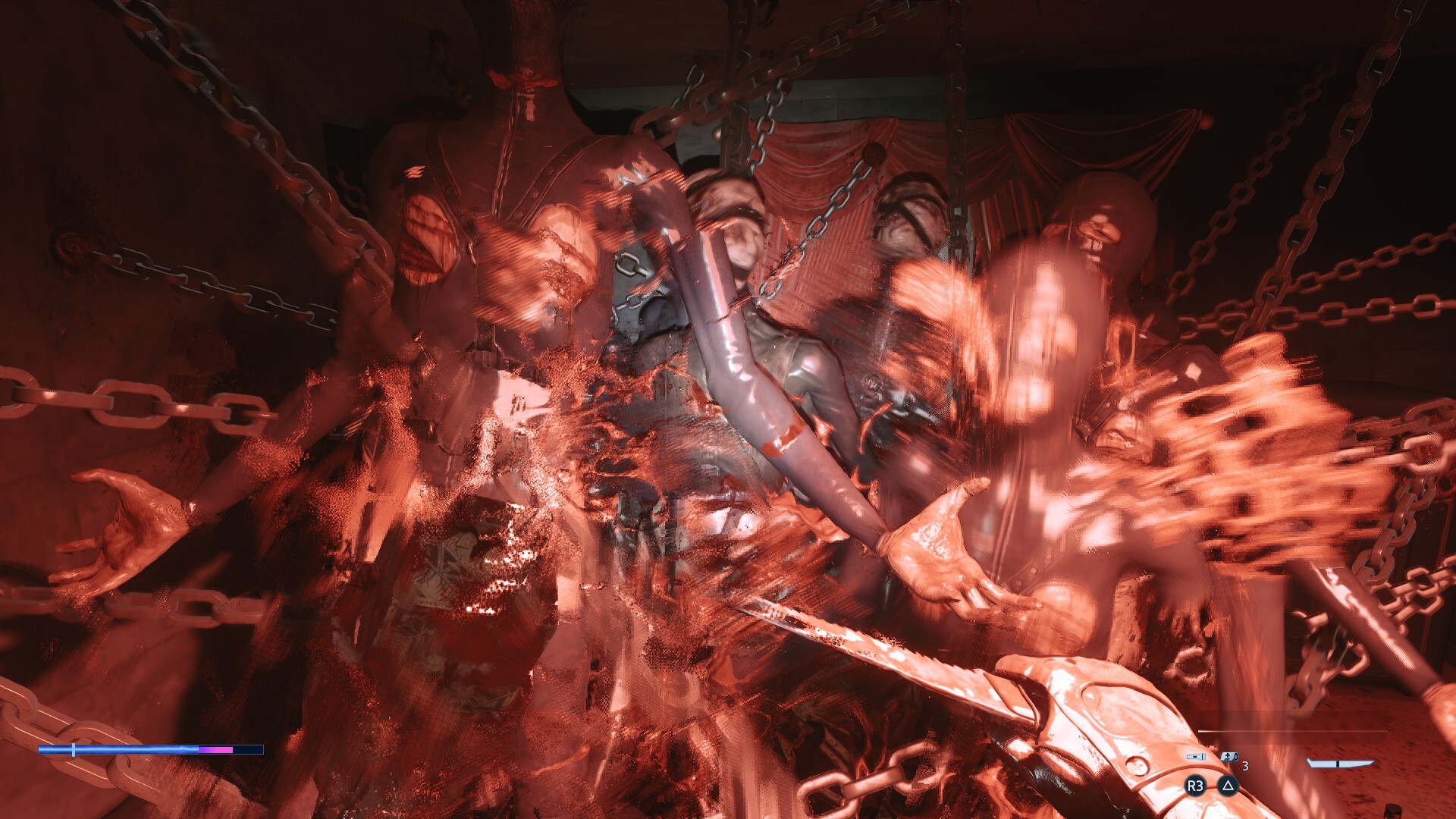
Expending every available resource—diligently hoarded ammo, scarce healing items, and executing desperate slides and dodges—yields zero results. The monster simply refuses to perish. Only after every resource is completely depleted does a cinematic trigger, revealing the bitter truth: the player was never meant to win this encounter.
This illusion of choice plagues multiple segments throughout the campaign. Later in the game, players encounter a sequence heavily reminiscent of a lower-tier Call of Duty zombies mode. Tasked with hastily nailing wooden planks over windows to keep out a horde of brain-eaters, the player exhausts their remaining stock of ammunition. Eventually, a massive wave floods the small cabin, trapping the protagonist in a corner before another scripted cinematic forces a floorboard collapse. When a game forces a predetermined outcome despite optimal player performance, the resulting lack of consequence makes one wonder why the sequence wasn’t simply rendered as a passive cinematic entirely.
Supporting Data, Mechanics, and Technical Overview
For players evaluating whether to invest their time and money into Saber Interactive’s latest offering, a breakdown of the game’s core specifications and gameplay mechanics reveals a mixed bag of technical competency and design missteps.
Technical and Release Specifications
- Developer: Saber Interactive
- Publisher: Saber Interactive
- Release Date: October 8, 2026
- Price: $40 / £35
- Platforms: PC (Steam), Steam Deck (Playable)
- Multiplayer: None (Purely single-player)
- Review Rig Hardware: RTX 3070, AMD Ryzen 5 5600G, 16GB RAM
Combat and Arsenal Mechanics
When the game transitions from scripted set pieces to standard combat, the mechanical depth remains shallow. Standard foes react unpredictably and unsatisfyingly to player attacks. Throwing a saw blade at an enemy’s head might randomly detach their torso from their legs, only for the lower half to continue crawling, or for the zombie to fake its death before lunging at the player’s ankles. Armored foes offer little tactical engagement; defeating them requires repetitive strikes with a blunt object, turning what should be an epic confrontation into a tedious chore.
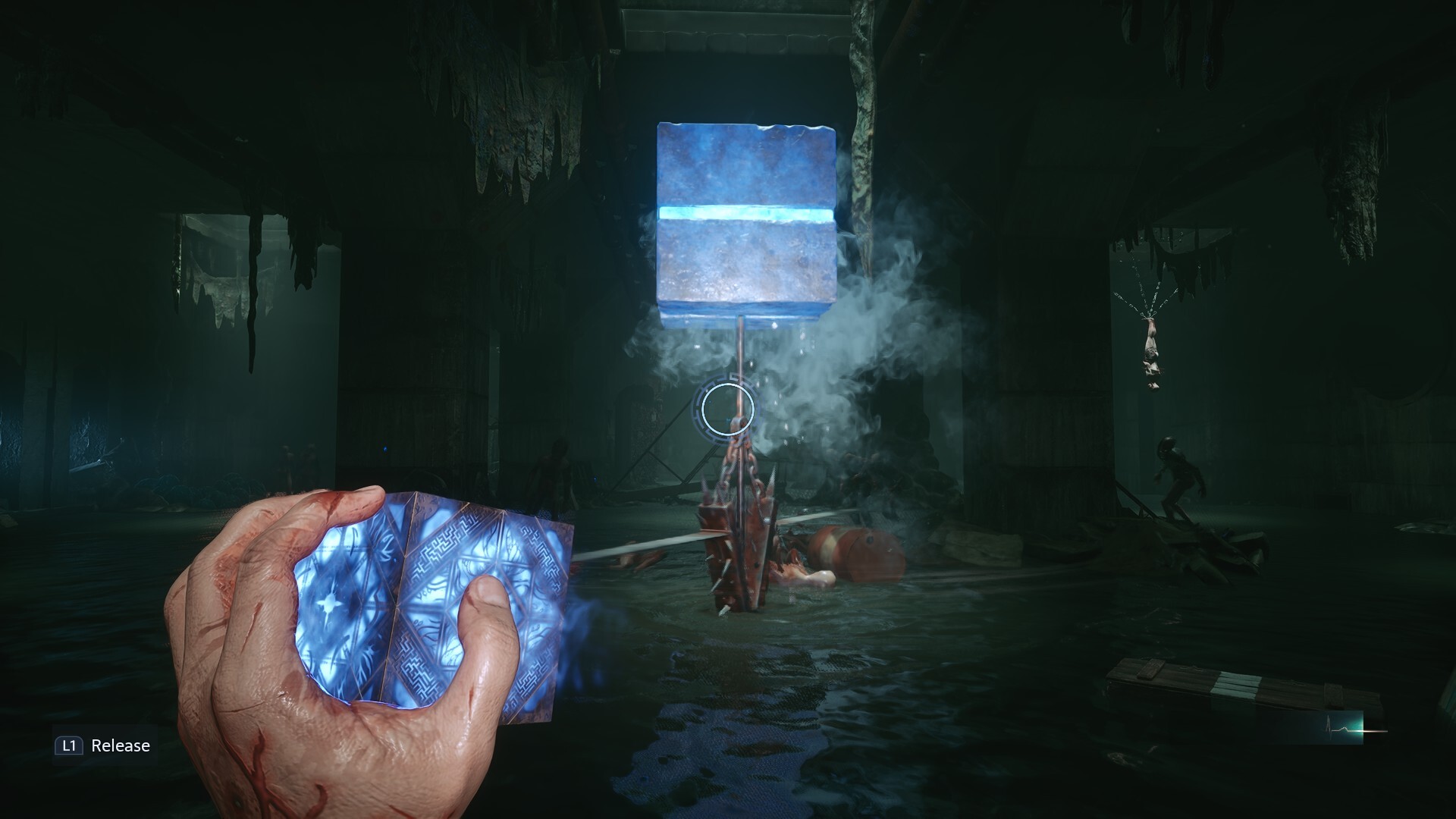
Traditional firearms—pistols, shotguns, and assault rifles—shoulder the vast majority of combat scenarios. This comes at the expense of the game’s most mechanically interesting tool: the Genesis Configuration box. Bestowing the user with limited telekinesis, the box allows players to manipulate the environment during fights, hurling deadly, blue-highlighted objects like large nails or fire at opponents. While utilizing the Genesis Configuration is undeniably the most entertaining aspect of the combat loop, its integration is criminally underutilized in favor of standard gunplay.
Official Responses and Creative Direction
While Saber Interactive has not released a formal post-launch statement addressing structural criticisms, the design choices embedded within Hellraiser: Revival speak volumes about their creative direction. The studio clearly prioritized the visual fidelity of Barker’s universe, leaning heavily into extreme gore, visceral flesh mutations, and heavy BDSM-inspired motifs.
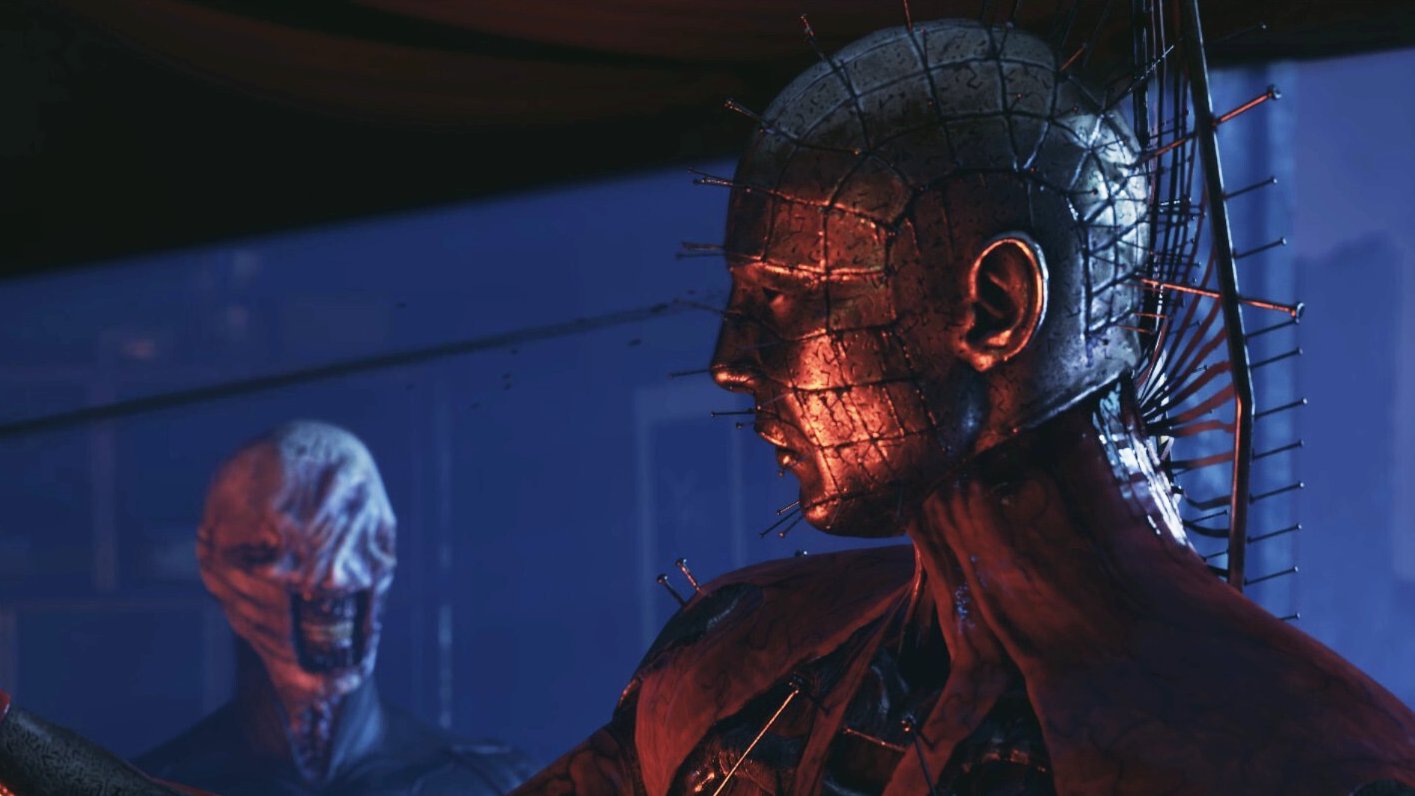
Ironically, the visual department is where the game achieves its highest praise. The major monsters are designed with such grotesque brilliance that players find themselves simultaneously horrified and mesmerized. The creature design captures the essence of the franchise’s iconic sadomasochistic demons, even if their behavioral programming leaves much to be desired.
Furthermore, the Cenobites themselves—including the extra-dimensional, sadistic Chatterer—suffer from a tonal miscalculation. Rather than acting as terrifying, unstoppable forces of nature, they often feel surprisingly docile within the Labyrinth. Players have reported literally running circles around the slow-moving Chatterer to solve complex puzzles, reducing legendary icons of terror into background fixtures that occasionally guide or trail the protagonist.
Implications for the Action-Horror Genre
The release of Clive Barker’s Hellraiser: Revival carries broader implications for licensed horror adaptations in the modern gaming landscape. It highlights a recurring industry pitfall: relying on nostalgic intellectual property and shock-value gore to carry an experience that lacks foundational mechanical innovation and pacing.
Wasted Potential in the Labyrinth
Perhaps the most poignant takeaway from critical evaluations is that the game’s best moments occur away from its forced action sequences. The puzzle-solving mechanics centered around the Genesis Configuration are intuitive, rewarding, and deeply satisfying. This has sparked widespread sentiment among players and reviewers alike that Hellraiser: Revival would have been a vastly superior experience had it entirely abandoned traditional action-shooter tropes in favor of a pure stealth-horror framework set strictly within the Labyrinth. Sneaking past intimidating Cenobites while manipulating spatial puzzles could have given the license the atmospheric justice it deserves.
Standing in the Shadow of Giants
When stacked against contemporary benchmarks of the genre—such as the tense resource management of Resident Evil 4, the psychological layering of Alan Wake 2, or the claustrophobic terror of Amnesia: The Bunker—Hellraiser: Revival’s shortcomings become glaringly apparent.
Ultimately, striking visuals, visceral gore, and edgy thematic elements are not enough to elevate a title into a genre staple. For die-hard fans of Clive Barker’s universe, Revival offers a brief, nostalgic trip down a blood-soaked memory lane. For everyone else, the current market offers far superior horror experiences that justify both time and financial investment elsewhere.

