

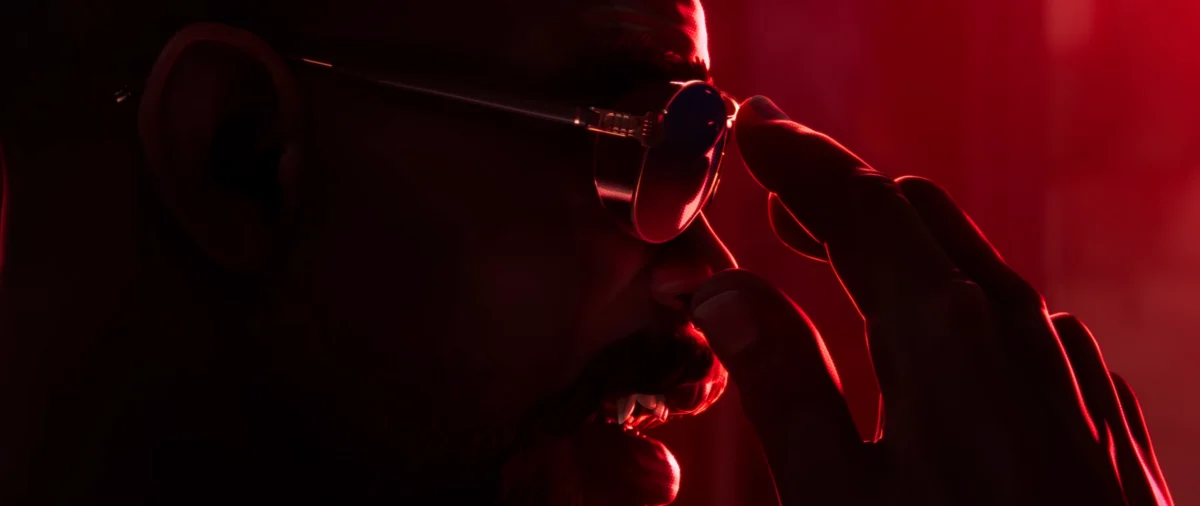
In the volatile landscape of the modern gaming industry, few companies have undergone as radical a transformation—or generated as much anxiety—as Microsoft’s gaming division. Following a series of high-profile studio closures, mass layoffs, and a strategic pivot that has left fans questioning the long-term stability of its internal development teams, one title has become a focal point of industry speculation: Marvel’s Blade.
Developed by Arkane Lyon, the studio behind the critically acclaimed Dishonored and Deathloop, Marvel’s Blade was the crown jewel of the 2023 Game Awards. However, in the months since its announcement, the deafening silence from the developer has led to widespread rumors of cancellation. Now, Bethesda Softworks head Todd Howard has stepped forward to provide much-needed clarity, offering a rare glimpse into the project’s health while navigating the shadow of Xbox’s ongoing corporate restructuring.
The Core Facts: A Glimmer of Hope
The uncertainty surrounding Arkane Lyon began shortly after the studio’s sister team, Arkane Austin, was shuttered by Microsoft in early 2024. With the industry reeling from the loss of the Prey and Redfall developer, fans grew increasingly concerned that Arkane Lyon might be next on the chopping block, especially given its prolonged absence from recent marketing events, including the high-profile Xbox Games Showcase.
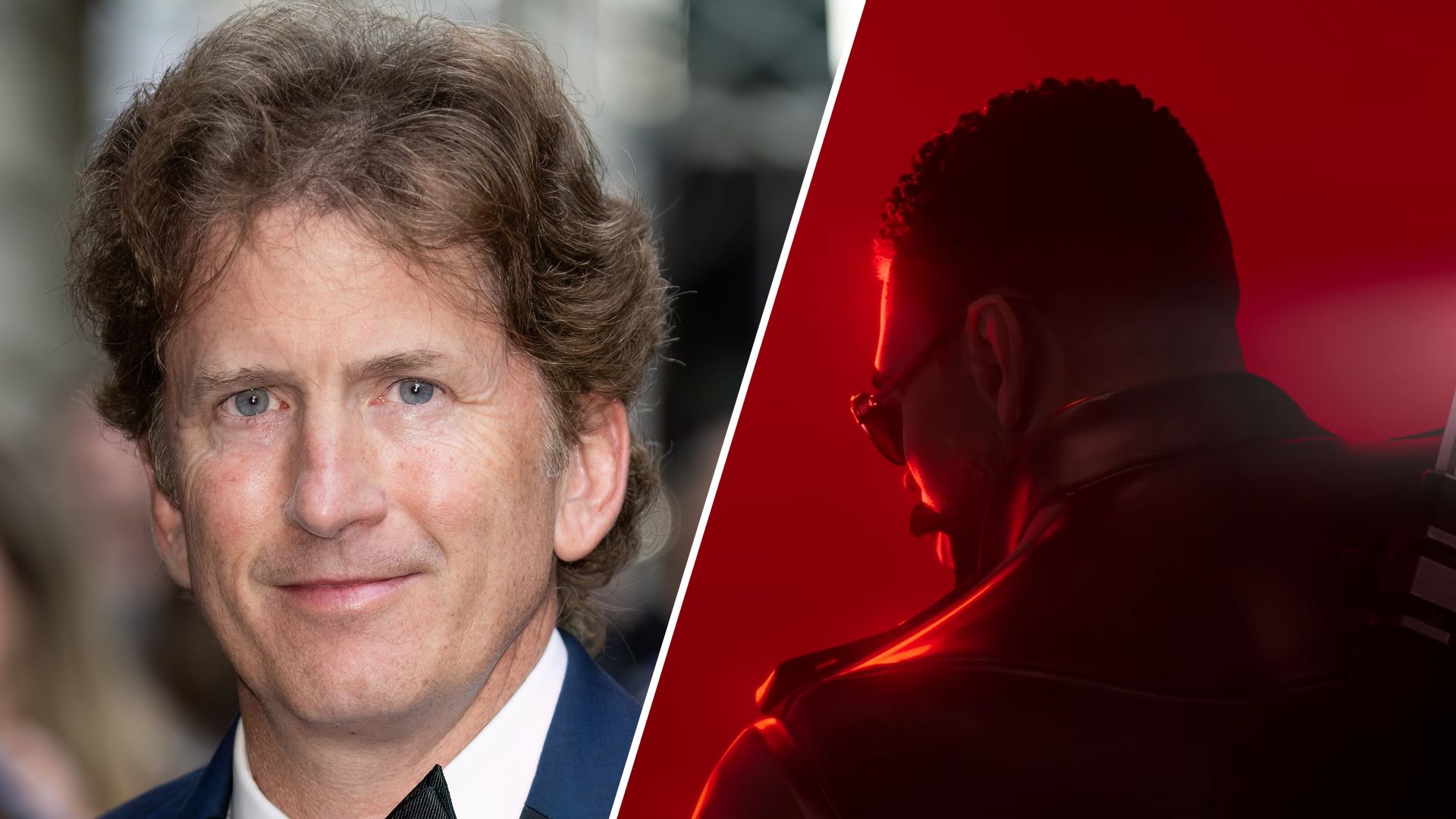
However, in a recent report by Entertainment Weekly regarding the 25th anniversary of Xbox and its expansion into Hollywood, Bethesda executive producer Todd Howard confirmed that Marvel’s Blade is not only alive but progressing well.
"I’m not at liberty to say when [we’ll see more]," Howard stated, following a site visit to the studio in late May. "But I saw some stuff just yesterday, and the folks at Arkane are doing a really, really great job."
This confirmation serves as a vital counter-narrative to the prevailing gloom surrounding Microsoft’s internal studios. It suggests that, at least for the moment, the "Daywalker" project remains a priority for the publisher, even as other segments of the Xbox ecosystem face severe contraction.
A Chronology of Uncertainty: From Celebration to Concern
To understand why Howard’s statement is being treated with such gravity, one must look at the timeline of events that led to the current climate of distrust.
- December 2023: Marvel’s Blade is officially unveiled at The Game Awards, marking a massive win for Xbox and Bethesda. The reveal trailer, showcasing a stylized, gritty version of Paris under the protection of the titular vampire hunter, was met with universal acclaim.
- February–April 2024: Reports begin to surface regarding widespread layoffs within the ZeniMax/Bethesda division. The gaming community begins to notice a "quiet period" from Arkane Lyon, which had previously been vocal about its creative process.
- May 2024: Microsoft officially announces the closure of Arkane Austin, Alpha Dog Games, and Tango Gameworks. The shockwave is immediate, as the industry mourns the loss of the teams behind Hi-Fi Rush and Dishonored.
- June 2024: The Xbox Games Showcase passes without a Blade update. Fears reach a fever pitch, with social media discourse heavily leaning toward the idea that the project was cancelled or moved to a "skeleton crew" status.
- Late June 2024: An Arkane Lyon artist publicly asks fans to "let the studio cook," signaling that development is active despite the lack of public marketing. This is followed shortly by Todd Howard’s public endorsement.
Supporting Data: The Reality of the Xbox "Portfolio Strategy"
The skepticism surrounding Howard’s words is not born of cynicism alone, but of recent history. Microsoft’s strategy for managing its massive portfolio of studios—bolstered by the acquisition of Activision Blizzard and ZeniMax—has been marked by a ruthless approach to efficiency.
Industry analysts point to the "Ninja Theory paradox" as a primary reason for the lingering doubt. Shortly before the release of Senua’s Saga: Hellblade II, reports indicated that Microsoft was already eyeing the studio for potential downsizing or closure, even as they pushed the game as a flagship title. The rationale, according to insiders, was that a successful launch and a high-profile, finished product would make the studio more attractive to potential buyers or future investors, should Microsoft choose to divest.
This "showcase-then-shutter" approach has left players wary of any project that lacks a firm release date. When Microsoft claims a project is "safe," many hear "safe for now," leading to a culture where even positive news is filtered through the lens of potential future layoffs.
The Human Element: "Let the Studio Cook"
Beyond the boardroom metrics and corporate press releases, there is the creative reality of game development. Arkane Lyon has built its reputation on immersive sims—games that offer players deep systemic freedom. The transition to a licensed property like Marvel’s Blade represents a significant shift for the team.
The sentiment expressed by an Arkane artist—to "let the studio cook"—speaks to the desire for creative autonomy. Developing a AAA Marvel game is an immense undertaking that requires years of iteration, world-building, and mechanical refinement. In an era of "crunch" and "live-service" mandates, the studio’s silence may not be an indicator of failure, but rather a sign that the team is focused on delivering a polished experience rather than a marketing-driven trailer.
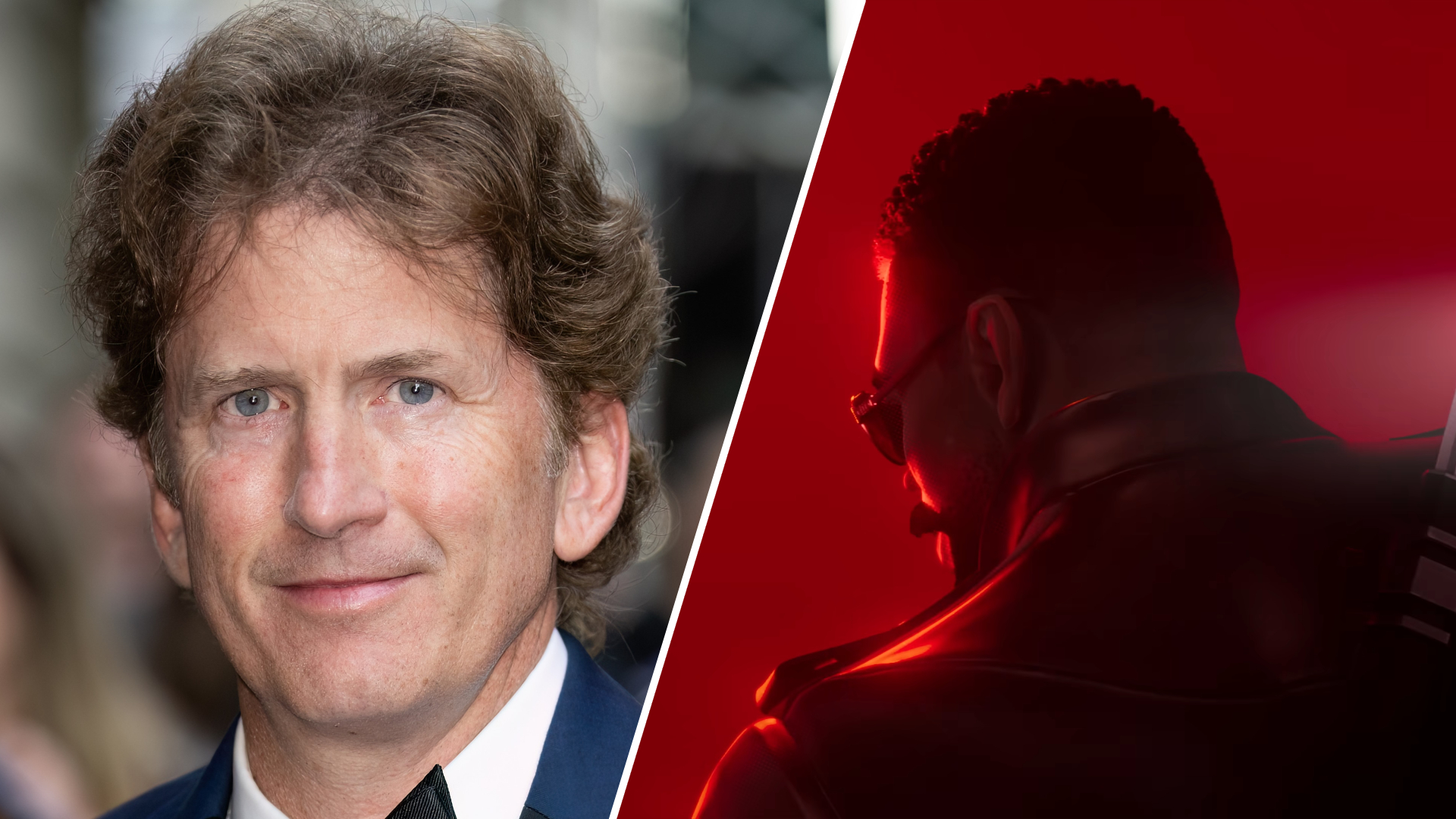
Todd Howard’s firsthand account of seeing "stuff" on May 21st provides a layer of professional legitimacy to this sentiment. It confirms that the project has reached a level of visual or mechanical maturity that allows for internal demos, which is a significant milestone in any major title’s development cycle.
Implications for the Future of Xbox
The implications of Marvel’s Blade succeeding—or failing—are profound for the future of the Xbox brand. If the project is released and achieves the critical success Arkane is known for, it could serve as the cornerstone for a new era of high-quality, single-player titles under the Xbox banner. It would prove that the company can nurture creative talent without forcing them into a mold of "game-as-a-service" monetization.
Conversely, if Blade is subjected to further delays or if the studio is caught in a future round of "operational restructuring," it would likely signal the end of the traditional Arkane-style game within the Microsoft ecosystem. For many fans, Blade is the "canary in the coal mine." Its success is seen as a litmus test for whether Microsoft can effectively manage its legacy studios while respecting their unique creative identities.
Conclusion: A Cautious Optimism
Todd Howard’s assurance that the team at Arkane Lyon is doing a "really, really great job" is, at this juncture, the best-case scenario. It provides a definitive "yes" to the question of the game’s existence. However, in an industry where the word of an executive is often contingent upon quarterly earnings and shifting corporate mandates, the public remains understandably cautious.
For now, the most productive path for the gaming community is to take the advice offered by those inside the studio: to wait, to watch, and to allow the developers the space they need to create. Marvel’s Blade remains a project of immense potential, and if the work being done behind closed doors is as promising as Howard suggests, the wait may ultimately prove worthwhile. Until then, the industry will continue to watch, waiting for the day that the "Daywalker" finally emerges from the shadows of development.

