

The global live entertainment landscape is undergoing a tectonic shift. Live Nation Entertainment, the juggernaut that operates the world’s largest ticketing and concert promotion infrastructure, has officially signaled its intent to colonize the creator economy. With the launch of Creator Nation, a new venture backed by the corporate titan, the lines between traditional celebrity management and digital-native content creation are being blurred more aggressively than ever before.
This new entity, which is poised to provide financial, logistical, and operational support to digital content creators, brands, and management firms, marks a significant pivot for Live Nation. As the company faces mounting antitrust scrutiny and legal battles, this move serves as both a strategic diversification of its revenue streams and an attempt to capture a demographic that has, until now, largely operated outside the traditional gatekeepers of the concert industry.
The Genesis of Creator Nation: Industry Veterans at the Helm
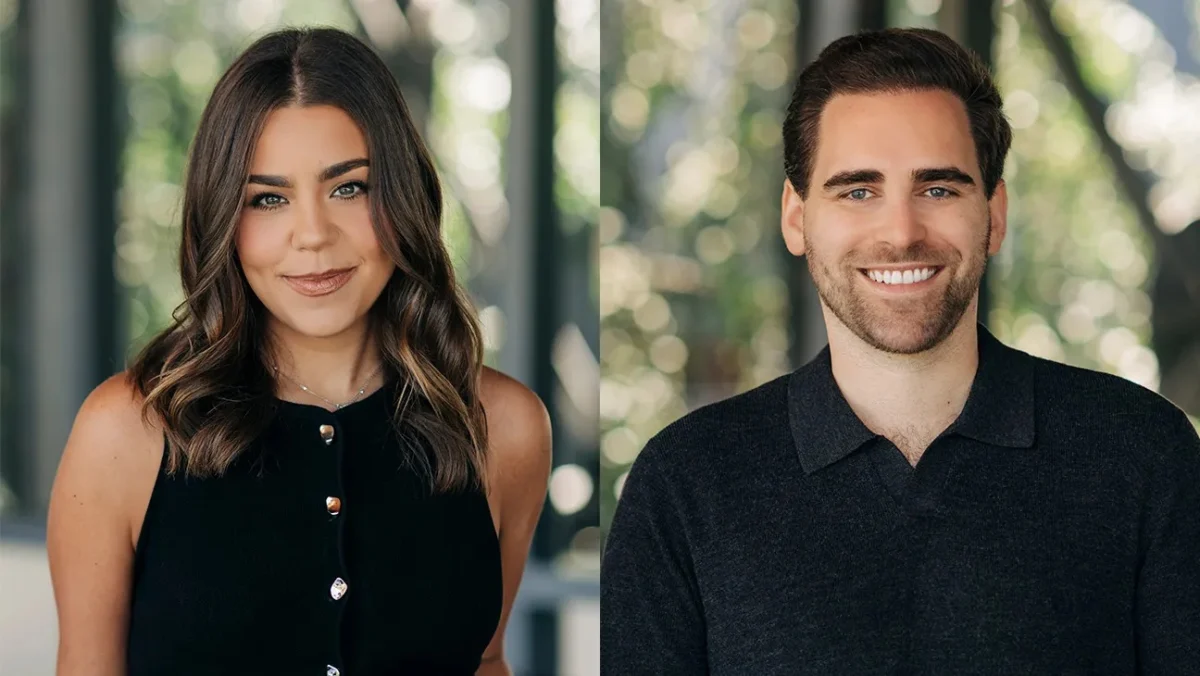
Creator Nation is not being built by outsiders, but by a powerhouse couple deeply embedded in the evolution of talent management. The venture is spearheaded by co-founders Alexis and Scott Fisher, two executives whose individual resumes read like a history of modern influencer management.
Alexis Fisher, who founded the influencer and music artist management firm Timeline in 2015—a company later acquired by Live Nation in 2024—brings a wealth of experience in brand strategy and artist development. Her counterpart, Scott Fisher, established the renowned talent firm Select Management Group in 2010. Following its acquisition by Propagate in 2025, Scott brings a decade and a half of expertise in navigating the intersection of traditional media and the burgeoning digital talent space.
The Fishers’ rationale for launching the firm is rooted in a critique of the current infrastructure available to creators. "We both started in the space in the prehistoric days of the creator world, and we obviously had no resources when we were building our first management companies," Scott Fisher noted in an interview with The Hollywood Reporter. "So we looked to what we could create to support managers and creators that didn’t exist right now."
Chronology: From Digital Platforms to Global Stages
To understand the weight of this announcement, one must look at the rapid maturation of the creator economy over the last decade.
- 2010–2015: The "Prehistoric" Era. Scott Fisher founds Select Management Group, focusing on the early wave of YouTubers. Alexis Fisher establishes Timeline, identifying the burgeoning potential for music artists to utilize social media as a primary distribution channel.
- 2016–2020: The Creator Boom. Digital talent begins to command audiences rivaling traditional television stars. Live events, such as VidCon and creator-led tours, begin to test the scalability of digital followings in physical spaces.
- 2021–2023: The Institutionalization Phase. Venture capital floods the creator economy. Platforms like TikTok, YouTube, and Instagram refine monetization tools, pushing creators toward "entrepreneurship" rather than mere content production.
- 2024: Live Nation acquires Timeline, signaling an institutional appetite for the creator sector.
- 2025: Propagate acquires Select Management Group, further consolidating independent talent management under corporate umbrellas.
- 2026–Present: The Launch of Creator Nation. Live Nation moves beyond mere talent acquisition to building an entire infrastructure layer designed to convert digital engagement into physical ticket sales.
The "Restaurant Menu" Model: Flexibility as a Strategy
One of the most innovative aspects of Creator Nation’s business model is its refusal to mandate exclusivity. Unlike traditional record labels or legacy talent agencies that often require creators to sign away a significant percentage of their total revenue, Creator Nation is adopting a service-oriented approach.
Alexis Fisher describes the company’s offerings as akin to a "restaurant menu." Creators, brands, and other management firms can select specific services—such as event production, brand partnership negotiation, or logistics management—on an à la carte basis.
"We don’t have to exclusively manage talent in order to help them build a live experience," Alexis explained. "We don’t have to exclusively work with them on brand partnerships in order for management companies to tap into those resources."
This flexibility is a direct response to the fragmented nature of the creator economy, where talent is often represented by multiple boutique agencies, PR firms, and digital managers. By positioning itself as a "plug-and-play" infrastructure provider, Creator Nation aims to become an indispensable utility for the industry at large, rather than just another competing agency.
Supporting Data: Why Live Events Matter
The core philosophy driving the Fishers is that the "rented attention" afforded by social media algorithms is inherently unstable. To build a generational business, a creator must transition from being a digital personality to a brand that exists in the physical world.
Data consistently shows that live experiences generate significantly higher engagement and revenue per user than digital impressions. A "like" or "share" on a video is ephemeral, but a ticket purchase creates a lifelong fan. As Scott Fisher noted, the objective is to turn "passive viewers into fans that will show up, buy something, and actually support them."
This shift to live events is also a logical move for Live Nation. The company controls a vast, unrivaled portfolio of venues, from intimate clubs to stadium-sized amphitheaters. By aligning the needs of digital creators with the availability of these venues, Live Nation can fill gaps in their tour schedules, maximize seat occupancy, and tap into new, younger audiences who might not be interested in traditional concert tours but will pay a premium to meet their favorite digital personalities.
Official Responses and Strategic Vision
Live Nation’s leadership has been vocal about the importance of this venture. In a statement, Michael Rapino, President and CEO of Live Nation, highlighted that creators are evolving into "broader entertainment businesses."
"Creators are increasingly building careers that look a lot like broader entertainment businesses, with opportunities across content, live, brands and commerce," Rapino stated. "Scott and Alexis understand how to help talent build those businesses for the long term, and we see a lot of opportunity to support that growth."
The partnership provides Creator Nation with the logistical muscle of a multinational corporation. Whether it is securing insurance, managing global touring logistics, or navigating the complexities of international ticketing, the backing of Live Nation provides a level of operational security that independent creator agencies simply cannot match.
Implications: The Legal Cloud and the Monopoly Question
Despite the optimism surrounding the launch, Creator Nation enters the market under a dark, legal cloud. Live Nation’s parent company, Ticketmaster, is currently embroiled in some of the most significant antitrust litigation in the history of the entertainment industry.
In April 2026, a jury reached a verdict declaring that Live Nation and Ticketmaster have maintained an illegal monopoly in the live events sector. The findings suggest that the company’s dominance constrains competition and artificially inflates prices for consumers. Furthermore, the Federal Trade Commission (FTC) is currently pursuing a separate lawsuit against the company, alleging that it enables predatory scalping practices and utilizes deceptive pricing models that obscure the true cost of tickets until the final stages of the checkout process.
These legal battles raise a critical question for creators: Will the reputation of the parent company impact the success of the venture?
For many creators, the primary goal is access to the audience and the ability to scale their brand. However, the optics of partnering with a company currently labeled a "monopoly" by the courts could pose a reputational risk. If Creator Nation is viewed as an extension of an exclusionary system, it may face pushback from a creator class that prides itself on authenticity and direct-to-fan connection.
Conclusion: A New Era for the Creator Economy
The launch of Creator Nation is a watershed moment for the entertainment industry. It signifies the end of the "wild west" phase of the creator economy and the beginning of its institutionalization.
By integrating digital talent into the massive machinery of the world’s largest concert promoter, the Fishers are betting that the future of fame lies not in the feed, but in the arena. If they succeed, they will have effectively bridged the gap between the digital and the traditional. If they fail, or if the legal troubles of their parent company create too much friction, the project could serve as a cautionary tale about the dangers of scaling digital intimacy within a corporate framework.
Ultimately, the success of Creator Nation will be measured not by how many creators it signs, but by whether it can prove that it adds value to the fan experience—or if it is merely another attempt to commodify the attention of a generation that has grown up being told they could build their own stage. As it stands, the industry is watching closely to see if the promise of "long-term growth" can survive the scrutiny of the courtroom and the skepticism of the digital natives themselves.

