

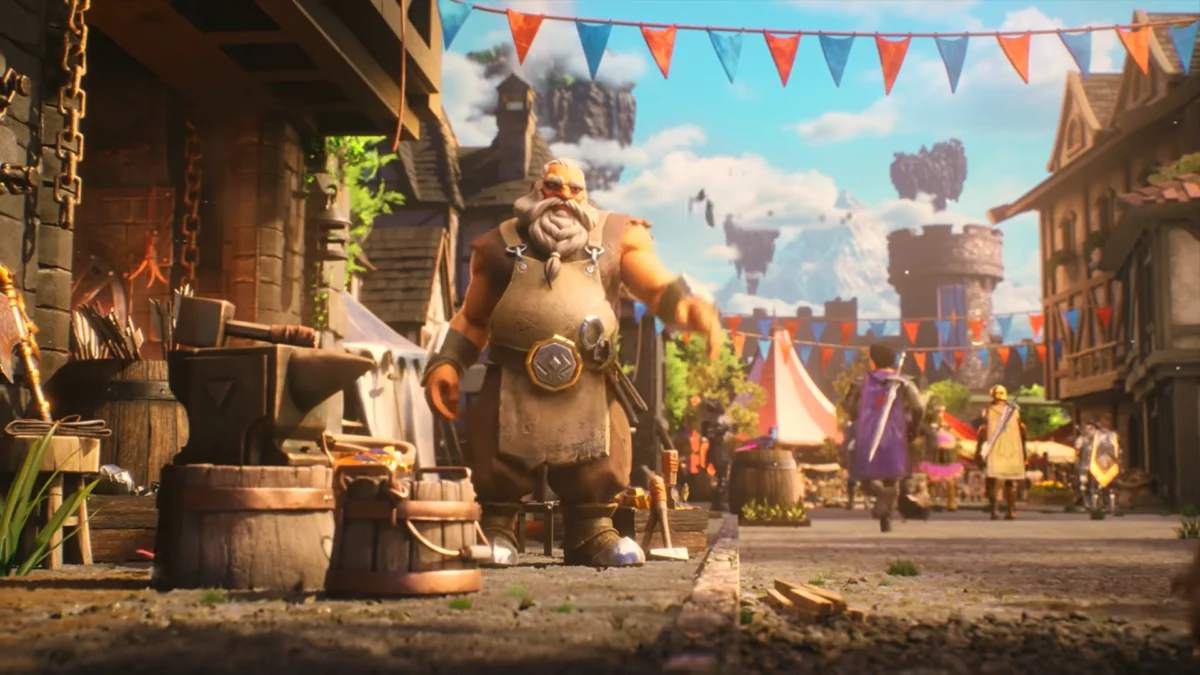
BIRMINGHAM — Developer Jagex has officially pulled back the curtain on its most ambitious project in over a decade. During the keynote presentation at RuneFest Birmingham this weekend, the studio announced an entirely new MMORPG set within the expansive fantasy universe of RuneScape. Operating under the working title "RS4," the project represents the fourth generation of the foundational franchise.
While the studio was quick to emphasize that "RS4" is merely a placeholder moniker and not the title the game will launch with, the designation accurately reflects its status as the fourth major MMO pillar in the company’s quarter-century history. The announcement was accompanied by a brief teaser trailer, signaling the official kickoff of a multi-year development cycle designed to involve the player base earlier and more intimately than ever before.
Unlike its predecessors, which relied heavily on proprietary engine technology, RS4 is being developed using Epic Games’ industry-standard Unreal Engine. This technological leap promises to modernize the visual fidelity and systemic capabilities of the RuneScape universe, offering players a distinctly contemporary entry point into the long-standing fantasy franchise.
Chronology of the Franchise: From Browser Roots to Next-Gen Ambitions
To understand the magnitude of the RS4 announcement, one must look at the historical trajectory of Jagex and its flagship property. RuneScape’s evolution over the last twenty-five years provides crucial context for this fourth iteration:
- 2001 (RuneScape Classic): Brothers Andrew and Ian Gower launch a rudimentary, Java-based browser MMORPG from their parents’ home in the UK. Featuring simple 2D graphics and text-driven gameplay, it quickly captures a passionate global audience.
- 2004 (RuneScape 2): Jagex transitions the game to a 3D engine, introducing major gameplay overviews, a reworked combat system, and a completely refreshed interface. This version forms the mechanical baseline of what millions remember as classic RuneScape.
- 2013 (Old School RuneScape): Following significant structural changes and the controversial introduction of the Evolution of Combat (EoC) system in RuneScape 3, Jagex launches Old School RuneScape (OSRS) based on a 2007 backup of the game. OSRS goes on to eclipse the modern version in concurrent players and becomes a juggernaut in the esports and mobile gaming spaces.
- 2012–Present (RuneScape / RS3): Modern RuneScape continues to receive graphical overhauls, microtransactions, and narrative-driven updates, evolving into a distinct theme-park style MMORPG.
- Recent Years (Spin-offs and Dragonwilds): Jagex experiments with adjacent genres and spin-off titles, including survival-focused experiences like RuneScape Dragonwilds.
- 2024 and Beyond (The RS4 Reveal): At RuneFest Birmingham, Jagex formally announces RS4, built on Unreal Engine, slated for a release later in the decade.
Supporting Data and Setting Details: Venturing into Ashenfall
While gameplay footage remains strictly under wraps, Jagex has shared key logistical and narrative details regarding where and when RS4 takes place.
The new MMORPG is set in Gielinor during the Sixth Age, specifically taking place years after the events of RuneScape Dragonwilds. Players will begin their journey in a brand-new region known as Ashenfall. According to studio communications, Ashenfall is intended to serve as a narrative launchpad rather than an isolated zone.
"Our ambition is for this adventure to grow far beyond Ashenfall over time, moving into places you know and love, as well as opening up new places and stories across Gielinor," the studio outlined in an official companion blog post.
From a technical perspective, transitioning to Unreal Engine marks a watershed moment for Jagex. For over two decades, the developer’s engineers have relied on custom, proprietary software—most notably RuneTek—to power their worlds. Shifting to Unreal Engine grants the studio immediate access to modern rendering pipelines, advanced lighting models, and robust cross-platform capabilities, which will be essential for meeting contemporary player expectations for visual and technical performance in the MMORPG market.
Official Responses and Developer Philosophy
Jagex leadership preemptively addressed several critical concerns during the RuneFest reveal, particularly regarding how RS4 will affect the company’s existing ecosystem of games.
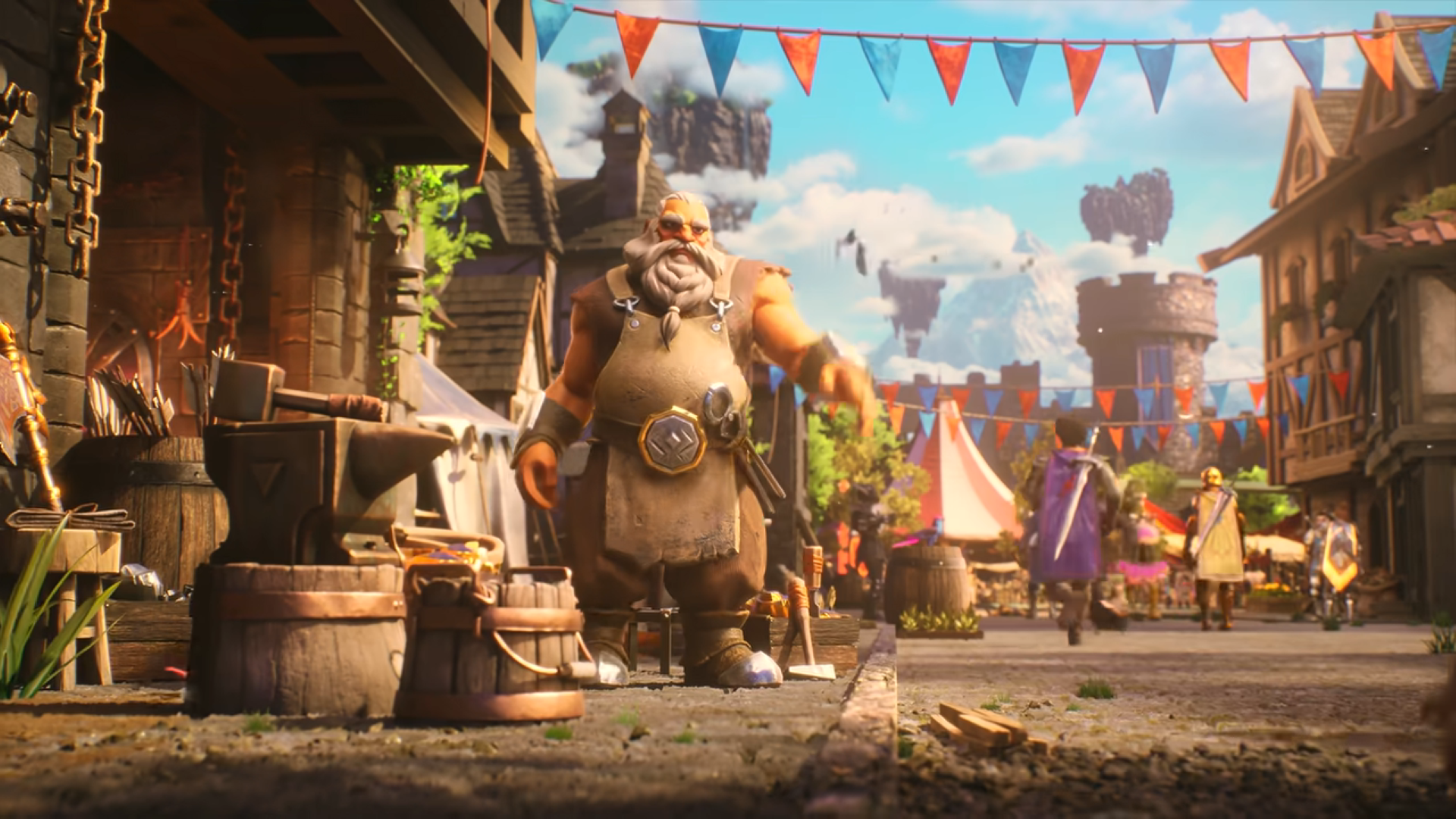
With multiple active titles bearing the RuneScape name, community anxiety regarding resource reallocation is a natural concern. Studio representatives were firm in their assertion that RS4 is not a replacement for Old School RuneScape, modern RuneScape (RS3), or Dragonwilds. Each of these titles will maintain its own dedicated development teams, separate content roadmaps, and ongoing financial investment from Jagex’s parent companies.
Furthermore, Jagex emphasized a "co-creation" philosophy for RS4. Because the game is "still a few years away" from a commercial launch, the decision to announce the project so early was deliberate.
"For 25 years, RuneScape has been shaped by its players," Jagex stated. "We’ve learned that our games are at their best when we build with you, not just for you. So we want to do that from the beginning, and that means bringing you into the development journey earlier than you might expect—sharing ideas, testing things, listening, and learning as we go."
This transparent approach mirrors the community-driven polling model that propelled Old School RuneScape to historic success, suggesting that Jagex intends to lean heavily on player feedback to steer the mechanical and narrative identity of RS4 during its long production cycle.
Implications for the MMORPG Market and the RuneScape Ecosystem
The announcement of RS4 carries significant weight for both Jagex as a corporate entity and the broader MMORPG landscape.
1. Diversification Without Cannibalization
By maintaining concurrent support for Old School RuneScape, RS3, Dragonwilds, and now RS4, Jagex is adopting a portfolio strategy. Instead of forcing its player base to migrate to a singular "sequel" (a trap that has historically fractured communities, such as the initial launch of RuneScape 3), Jagex is offering distinct flavors of its universe. OSRS caters to nostalgia and old-school mechanics; RS3 caters to modern theme-park progression; Dragonwilds covers survival mechanics; and RS4 is positioned to capture players looking for next-generation audiovisual fidelity within the Gielinor lore.
2. Modernizing the Brand for a New Generation
While RuneScape commands fierce brand loyalty, its visual style—even in its updated iterations—can present a barrier to entry for younger generations accustomed to high-fidelity Unreal Engine or Unity titles. RS4 gives Jagex a clean slate to court a demographic that may have bounced off the isometric or dated aesthetic of legacy RuneScape games.
3. The Long-Term Viability of Jagex
Following multiple changes in corporate ownership—most recently the acquisition of Jagex by CVC Capital Partners—the studio is under pressure to demonstrate scalable growth. Launching a fourth generation MMO demonstrates long-term corporate confidence in the RuneScape intellectual property, signaling that Jagex views its flagship universe not as a legacy product to be maintained, but as an active, expanding franchise capable of sustaining multi-million-dollar development over the next decade.
As development on RS4 ramps up, Jagex has promised more frequent developer diaries, community testing phases, and insight into Ashenfall as the studio charts the next twenty-five years of the RuneScape legacy.

