

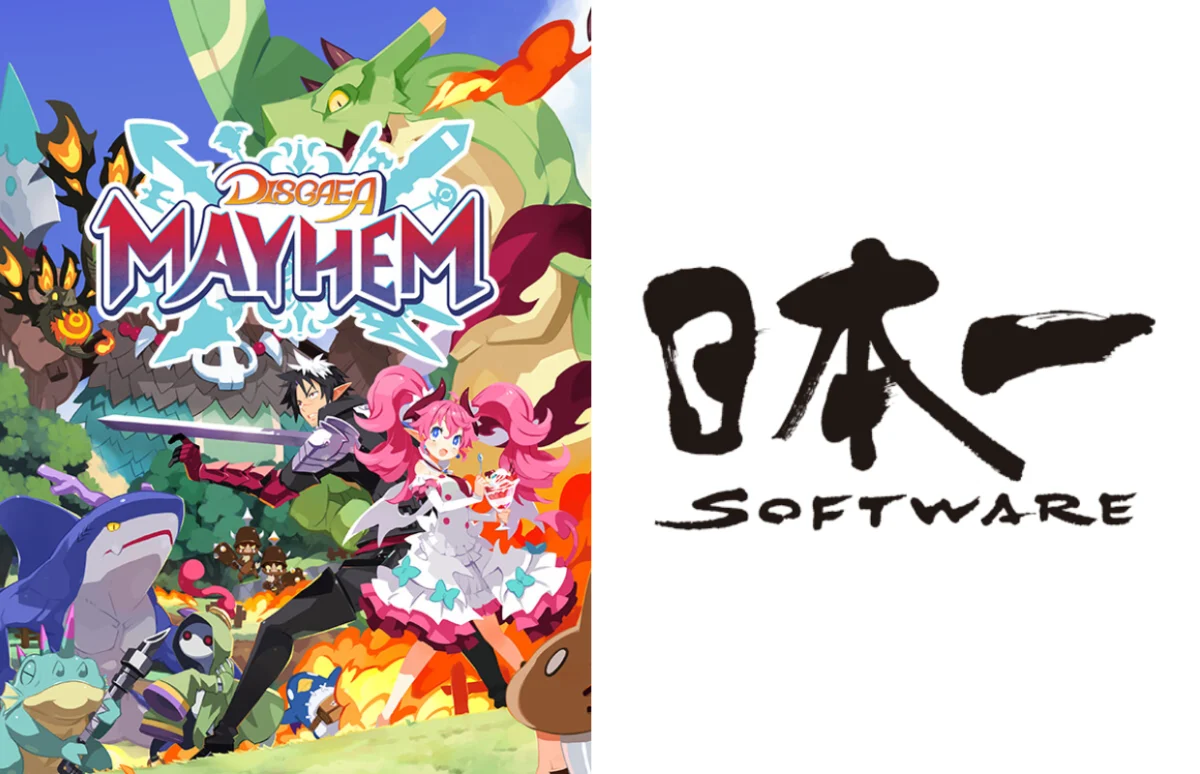
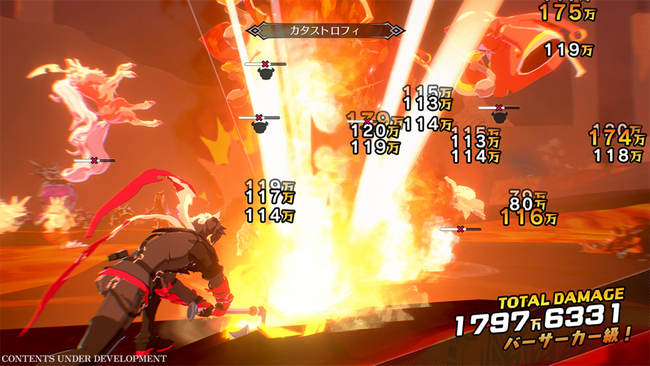
The Disgaea series has long been defined by its grid-based tactical combat, absurd level caps, and a narrative flair that leans heavily into anime-inspired chaos. However, Nippon Ichi Software (NIS) is set to shatter those expectations with the upcoming launch of Disgaea Mayhem. This ambitious action RPG spin-off, arriving in the West on July 23, marks a significant pivot for the franchise, transitioning from the methodical pace of strategy-RPGs to the high-octane intensity of real-time combat.
Available on PlayStation 5, Nintendo Switch, the upcoming Nintendo Switch 2, and PC via Steam, Disgaea Mayhem is positioned as a gateway for newcomers while maintaining the deep, stat-heavy DNA that veterans have come to expect. With a demo already live across all platforms, the global anticipation is palpable. Ahead of the game’s Western release, we sat down with the Disgaea Mayhem Development Team (DMDT) to peel back the curtain on this departure from tradition.
The Genesis of Chaos: A New Direction for NIS
For years, the cadence of the Disgaea series was strictly tied to mainline tactical releases and ports. The prospect of an action RPG spin-off seemed like a distant dream, if not an impossibility. When asked what prompted this change in strategy, the development team revealed that the project was born from a place of pure creative desire.
"We’ve long had the desire to play Disgaea as an action RPG—to let loose a Demon Fist Big Bang on a horde of monsters," the team explained. Interestingly, the concept did not begin as a Disgaea project at all. The team was initially tasked with developing an unrelated RPG, but the opportunity to realize their vision for an action-oriented Netherworld proved too enticing to ignore. They pivoted, pitched the idea, and transformed the project into the Disgaea title we see today.
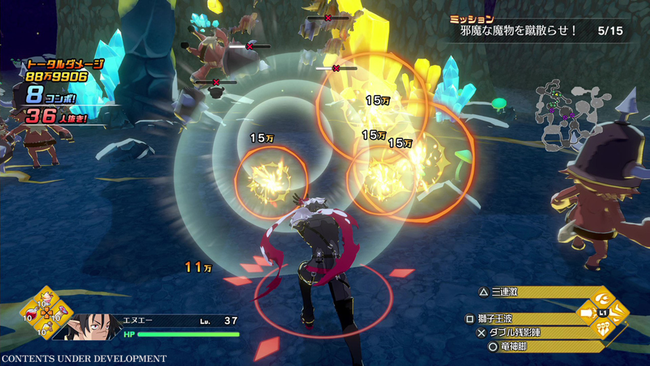
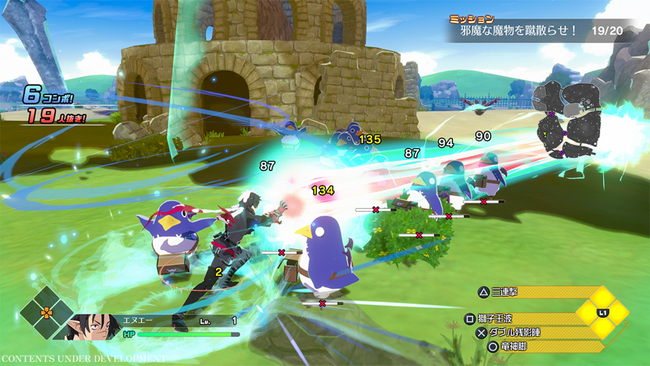
This transition from strategy to action brings with it a unique set of challenges. When asked about the "Musou-style" feel of the combat, the developers were refreshingly candid. "Given our limited experience with developing action RPGs, we concluded that it was better to follow the established rules of the genre for the foundational action elements," they noted. They observed that in modern game design, systems often converge toward similar structures not because of imitation, but because they represent the most rational, efficient way to build a responsive, satisfying experience.
Branding and Global Reach: Why "Mayhem"?
In the Japanese market, the game launched without the Disgaea moniker, utilizing the word "Kyouran" (which translates loosely to "frenzy" or "mayhem"). The decision to brand the title as Disgaea Mayhem for the West was a calculated move to balance marketability with brand recognition.
The goal is twofold: first, to attract players who have never touched an NIS title before; second, to ensure that existing fans feel the game respects the franchise’s legacy. By avoiding the numbered entry format, NIS hopes to lower the barrier to entry, preventing the "preconceptions" that often follow a long-running series. "It’s our hope that the title doesn’t create preconceptions, but rather communicates its appeal as a new game," the team stated.
Despite the shift in genre, the team insists that the soul of the series remains intact. They have retained the series’ signature over-the-top stats, complex progression systems, and high-difficulty endgame challenges, ensuring that the "Disgaea feel" remains present even in a real-time environment.
The 3D Evolution and Artistic Refinement
The technical journey of the Disgaea series has been a slow climb since the transition to full 3D in Disgaea 6. The developers noted that the experience gained from Disgaea 6 and 7 has been instrumental in the polish found in Mayhem.
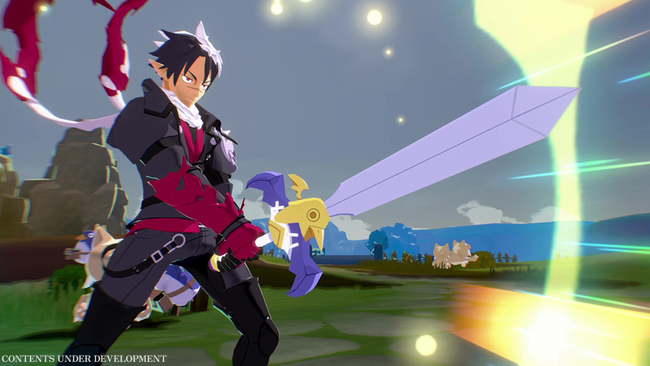
Perhaps most impressive is the reproduction of Takehito Harada’s iconic art style. In Mayhem, the team has pushed the fidelity of both characters and 3D environments to new heights. By applying the lessons learned from previous entries, the team has managed to capture the sharp, colorful aesthetic of the 2D sprites and successfully translate them into a vibrant, 3D action space.
Furthermore, the collaboration with legendary composer Tenpei Sato continues to be a cornerstone of the series’ identity. The team described Sato as an "incredibly passionate individual" who meticulously considers how his music will function within the specific context of the gameplay and promotional trailers.
Platform Strategies and the Future of the Brand
One of the most pressing questions for modern players is the fragmentation of releases across platforms. With Disgaea Mayhem launching simultaneously on PS5, Switch, Switch 2, and Steam, the developers are emphasizing accessibility. When asked if the lack of Xbox support or the locking of content to specific platforms hinders the brand, the team maintained a focus on broader reach.
"Our goal is always to bring our games to as many players as possible," they explained. While they currently have no plans for an Xbox version, they are actively listening to community feedback. This commitment to feedback is also evident in their approach to the Western launch. By waiting a few months after the Japanese debut, the team has been able to implement crucial bug fixes and optimizations, promising that the Western version will be the most polished iteration of the game to date.
Regarding the Steam Deck, the developers confirmed that the game will support 16:10 output, ensuring that handheld players have a seamless experience. However, they confirmed that there are no specific enhancements for the PS5 Pro, focusing instead on a stable, high-performance experience across all hardware.
Beyond the Credits: Replayability and Potential
A Disgaea game is rarely finished when the credits roll, and Mayhem is no exception. The team has built the game with the same "endless" mindset as their tactical predecessors, including deep character and item progression systems designed to keep players engaged for hundreds of hours.
Looking toward the future, the developers were asked what other genres they might explore under the Disgaea banner. Their response was telling: a dungeon-crawler. "We’ve had involvement in titles like Makai Kingdom, the Guided Fate series, and The Witch and the Hundred Knight series, but we’ve never made one under the Disgaea banner," the team mused. It is a genre that would arguably fit the complex, loot-heavy nature of the series perfectly.
If Disgaea Mayhem finds success, the team has clear goals for a potential sequel: expanding the playable roster and pushing the visual fidelity even further.
The Human Element: Life at NIS
To conclude our interview, we shifted from the technical to the personal—specifically, the team’s relationship with coffee. It was a lighthearted moment that highlighted the diverse personalities behind the development of such a chaotic game.
The answers were as varied as the classes in a Disgaea party. Some team members rely on "lethal amounts of sugar" to survive the crunch, while others, like team member "E," can only manage a cup of warm milk with a "touch of coffee" due to a low caffeine tolerance. One developer even noted a preference for the "Kahlúa & Milk" approach, proving that the Netherworld’s developers are as eclectic as the characters they create.
As the industry faces major shifts—such as Sony’s announced cessation of disc production by 2028—the feedback regarding physical media remains a hot topic. The Disgaea Mayhem team expressed their gratitude for the fans who have championed their physical releases over the years, promising to take that feedback into consideration for future planning.
Disgaea Mayhem represents a bold, necessary evolution for Nippon Ichi Software. By taking the systems that made the series a cult classic and applying them to the kinetic energy of an action RPG, the team is betting that the chaos of the Netherworld is universal—whether you’re playing on a grid or in real-time. Whether you are a veteran of the series or a newcomer curious about the hype, the journey begins on July 23.

