Science fiction has never been short of spellbinding openers. William Gibson’s Neuromancer conjures an entire cyberpunk world with its image of a sky “the color of television, tuned to a dead channel.” Ursula K. Le Guin uses just four words—“There was a wall”—to introduce one of the most profound socio-political ideas in The Dispossessed. Other legendary authors, like Frank Herbert with Dune and Dan Simmons with Hyperion, take a novelistic approach, dropping readers immediately into the strange preparations for a perilous journey across the stars.
While all of these sci-fi openings do something different, they share that unputdownable quality only the greatest writers can muster. Still, after decades of exploring speculative literature, no starting sentence feels more brutally poignant, accurate, and prophetic than Ray Bradbury’s opening line in Fahrenheit 451:
“It was a pleasure to burn.”
All he needed was six words. That is all Bradbury required to introduce one of the most famous dystopian novels ever written. The sentence is deceptively, almost comically straightforward, which makes its underlying horror all the more jarring.
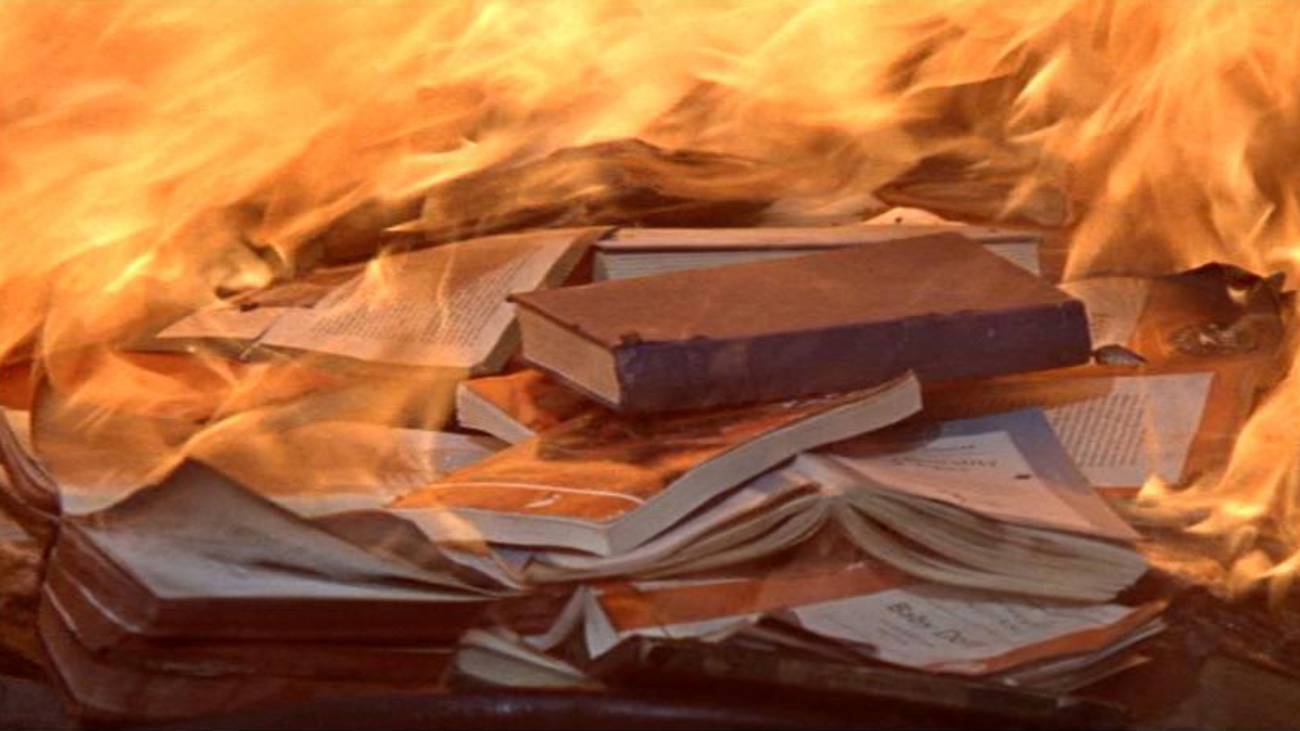
Bradbury does not begin by explaining why books are forbidden, nor does he immediately drop a massive infodump outlining the totalitarian regime that outlawed them. Instead, he places the reader directly inside the mind of Guy Montag, a fireman whose primary duty is not to put out fires, but to ignite them. In Montag’s world, books are illegal, contraband items that threaten public happiness, and burning them brings a visceral, mechanical thrill. The pleasure is not meant to be metaphorical; Montag genuinely enjoys watching pages curl, blacken, and erupt into bright, clean flames.
Chronology: The Evolution of a Literary Warning
To understand the weight of Bradbury’s opening, it is vital to trace the origins and trajectory of Fahrenheit 451 from its inception in the mid-20th century to its startling modern-day relevance.
1953: The Birth of a Dystopia
Published at the height of the Second Red Scare and the McCarthy era in the United States, Fahrenheit 451 arrived at a uniquely anxious moment in American cultural history. Bradbury was writing in the long, dark shadow of World War II, deeply disturbed by the systematic, state-sanctioned Nazi book-burnings in Europe. The rapid proliferation of household television sets also deeply concerned him.
However, despite initial assumptions that the book was a direct critique of government censorship, Bradbury repeatedly clarified that his vision went far deeper. He was not warning humanity that the government might ban books; he was warning that society might simply stop caring about them.
The Turning Point in the Narrative
In the novel, Montag’s unquestioning loyalty to his incendiary profession begins to fracture after a chance meeting with Clarisse McClellan, an eccentric, free-spirited teenage neighbor. Her sharp curiosity and love for nature expose the hollow, screen-obsessed nature of Montag’s world.
The fracture turns into a fissure when an elderly woman chooses to burn alive inside her own home alongside her illegal book collection rather than surrender her library. Horrified and shaken, Montag secretly pockets a stolen book, desperate to understand the power of the words he has spent his life reducing to ash. Hunted by his own fire captain, Beatty, and pursued by a relentless, arachnid Mechanical Hound, Montag flees the city. He ultimately finds refuge among an underground network of exiled scholars who memorize entire works of literature word-for-word, acting as living human libraries to preserve human thought for a world teetering on the edge of self-destruction.
Supporting Data: Are We Burning Books Without Striking a Match?
Bradbury insisted throughout his life that he was merely reflecting the anxieties of his own era rather than clairvoyantly predicting the future. Yet, the data tracking modern reading habits and media consumption proves that his fictional anxieties have materialized in terrifying ways.
The Decline of Reading
According to empirical data collected by the National Endowment for the Arts (NEA), just 48.5% of U.S. adults reported reading a book of any kind in 2022, a notable drop from 54.6% in 2012. Fiction reading fell even more precipitously, plunging from 45.2% to an all-time low of 37.6% over that same ten-year window.
Furthering this cultural contraction, a comprehensive analysis of two decades of American Time Use Survey data reveals that the share of Americans reading for pleasure on an average day plummeted from 28% in 2004 to just 16% in 2023. We are not being forced into town squares to throw novels into massive pyres; instead, we are quietly, voluntarily letting literature wither away from our daily routines.
The Rise of Screen Addiction
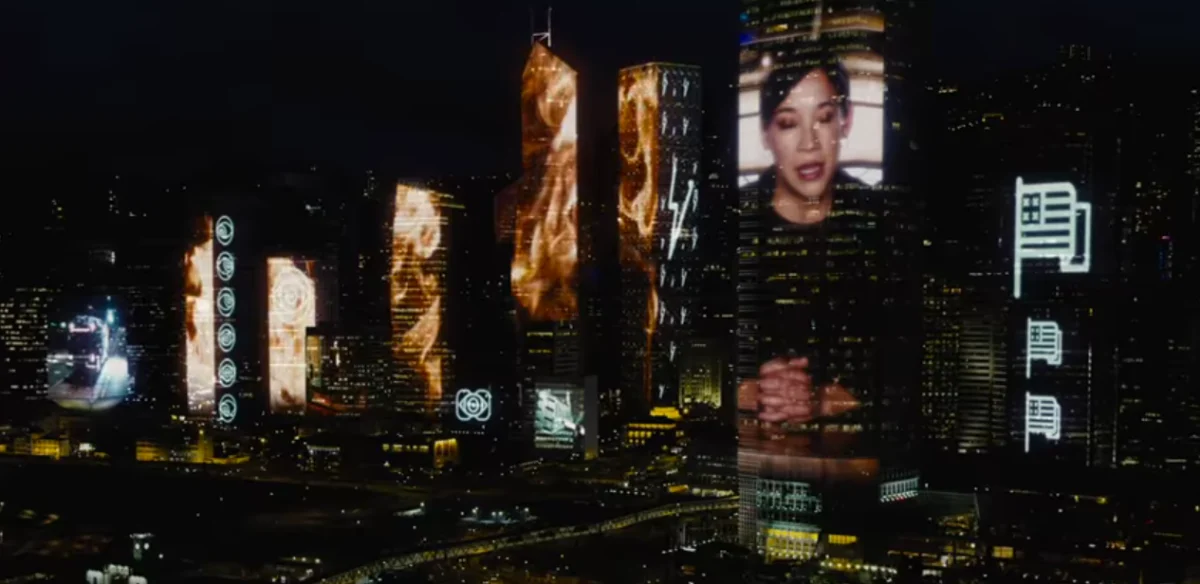
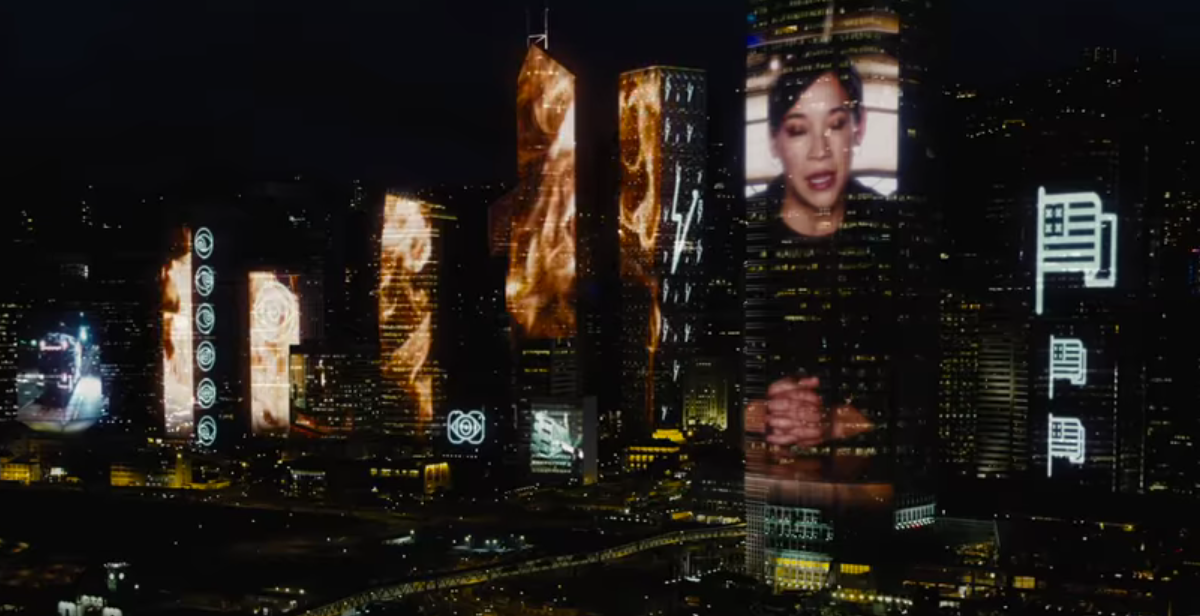
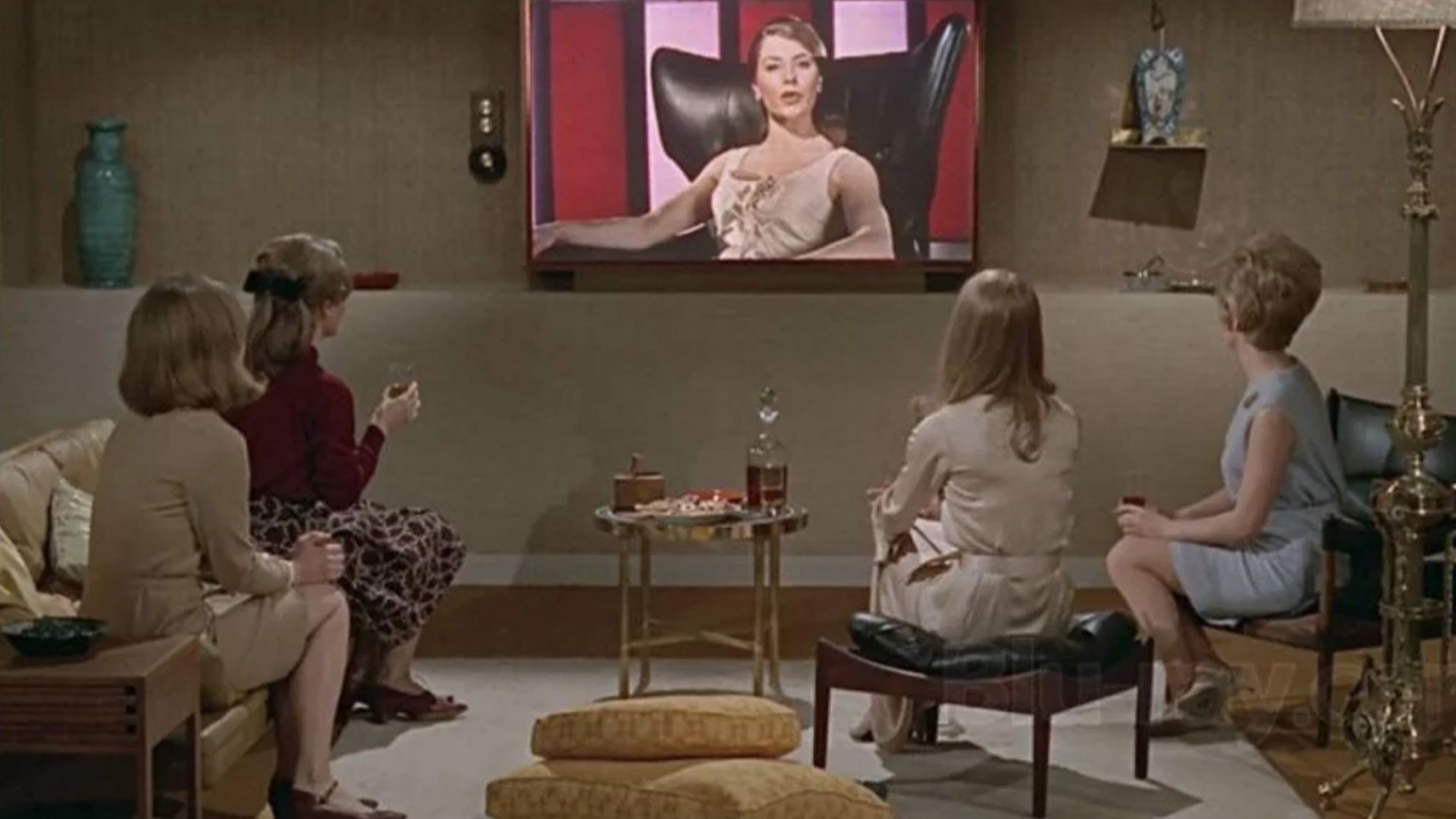
While print reading habits dwindle, digital screen time has metastasized to fill the void. According to DataReportal’s 2024 Global Overview Report, American adults now spend an astounding average of over seven hours a day staring at digital displays. This means that citizens of the modern world willingly surrender more than 40% of their waking lives to glowing pixels, algorithmic feeds, and bite-sized video snippets—precisely the kind of fast-paced, superficial entertainment Bradbury envisioned in his interactive "parlor walls."
Official Responses and Modern Tech Parallels
Bradbury’s precognition extends far beyond simple television addiction. The mechanical realities of 21st-century technology have brought his metaphors uncomfortably close to literal truth.
In recent years, high-profile legal filings and investigative reporting have uncovered how artificial intelligence developers acquire massive troves of copyrighted literature to train large language models. A prominent example reported by The Washington Post revealed how companies like Anthropic acquired massive collections of physical print books, physically severed their bindings to scan every single page, and subsequently discarded or destroyed the paper remains.
While legal battles over copyright, fair use, and intellectual property wind their way through federal courts, the visual imagery is hauntingly reminiscent of Fahrenheit 451: human knowledge systematically acquired, rapidly processed for utility, and discarded.
“It was a pleasure to burn.”
Tech developers may not carry flamethrowers or wear official fireman helmets stamped with the phoenix symbol, but the underlying motivation remains remarkably similar—the frictionless extraction of convenience and engagement, at the total expense of deep, reflective human thought.
Implications: The Chilling Weight of a Prophecy
More than seven decades after its publication, Ray Bradbury’s opening line still rings out with a chilling, prophetic weight.
Bradbury understood a fundamental truth about human nature long before the advent of social media algorithms or generative AI: tyranny does not always arrive with jackboots and matches. Often, it arrives wrapped in entertainment, comfort, and the seductive promise of a life free from intellectual friction.
By framing his dystopia around a protagonist who actually enjoyed the destruction of ideas, Bradbury diagnosed a darker human impulse—the temptation to flatten nuance, discard history, and simplify our worldview until nothing is left to challenge us. As modern society continues to trade deep reading for endless scrolling, those six simple words remain an urgent warning from the past, reminding us of what happens when we stop seeing human thought as something worth preserving.