

SANTA CLARA, CA – [Date of Publication] – Intel, a global leader in semiconductor manufacturing, has officially confirmed substantial price increases for a range of its consumer and server central processing units (CPUs). The company attributes these adjustments to a confluence of market dynamics, escalating supply chain costs, and robust demand for its advanced silicon. While enthusiasts building high-performance desktop PCs will see price bumps of $30 to $50 on select models, enterprise and data center clients face significantly steeper hikes, potentially running into hundreds, if not thousands, of dollars per unit for their mission-critical processors.
This move by Intel mirrors a broader trend within the semiconductor industry, where several major suppliers have recently adjusted their pricing strategies to reflect the inflationary pressures of a complex global supply chain and an insatiable demand that often outstrips current production capacities. The ramifications of these price adjustments are expected to ripple across various sectors, from individual consumers contemplating PC upgrades to large corporations managing vast data center infrastructures.
Chronology of Price Revisions
The confirmation from Intel on Friday follows earlier observations and reports detailing quiet increases in the company’s Recommended Customer Prices (RCPs) for specific product lines. The timing and selective nature of these increases suggest a strategic response to market conditions rather than a blanket adjustment.
Desktop Processor Revisions: Focus on Core Ultra 200-series Plus
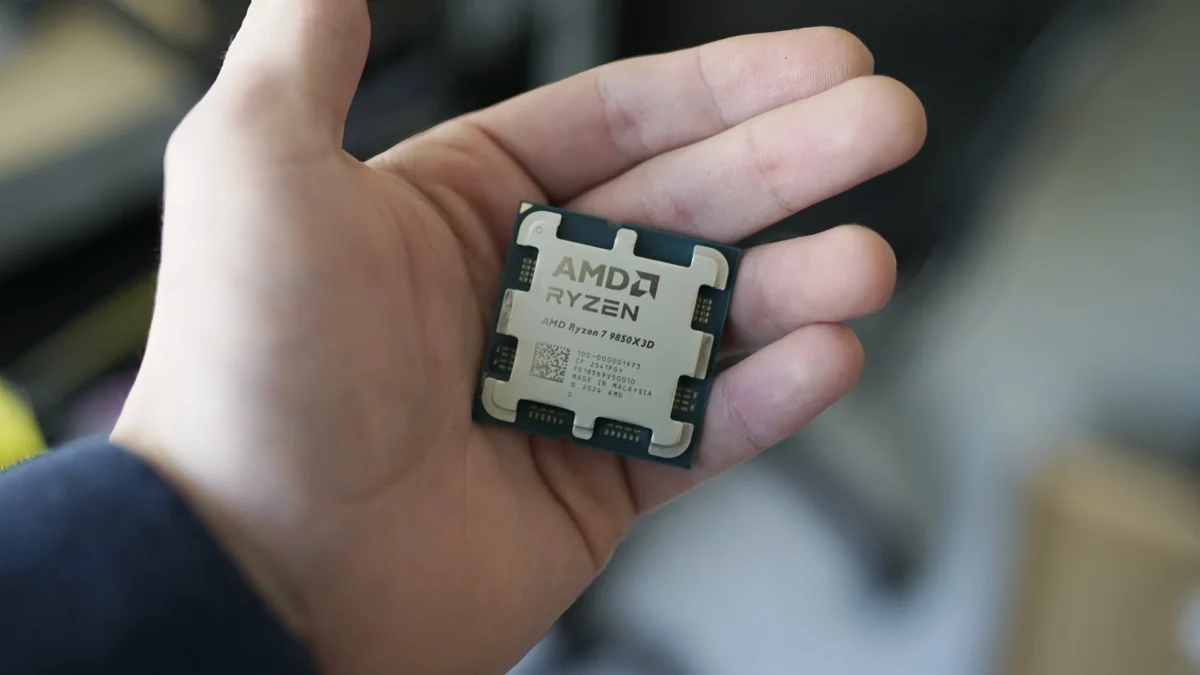
Earlier this week, it came to light that Intel had discreetly escalated the RCPs for its newly introduced Core Ultra 200-series Plus desktop processors. These chips, which belong to the advanced Arrow Lake family, represent Intel’s latest offerings for the enthusiast desktop segment. Specifically, the Core Ultra 7 270K Plus and the Core Ultra 5 250K Plus saw their recommended prices climb by $30 to $50, depending on the particular model. This marks a notable shift for products that have only recently entered the market.
It is crucial to note that these "Plus" variants of the Core Ultra 200-series processors are manufactured by TSMC, Intel’s primary foundry partner for these specific lines. This external fabrication could potentially contribute to rising production costs, though Intel’s internal messaging points to broader market dynamics.
Intriguingly, not all processors within the Core Ultra 200-series have been subjected to these upward revisions. For instance, the flagship Core Ultra 9 285K retains its launch RCP of $599 from Q2 2024. Similarly, the more entry-level Arrow Lake desktop processor, the Core Ultra 5 225, currently holds an RCP range of $183 to $236, which is marginally lower than its initial launch RCP of $241. This selective application of price increases on specific SKUs within the desktop lineup strongly suggests that the company is responding to concentrated demand for particular, highly sought-after models, rather than a uniform increase in underlying production costs across the entire family. This strategy allows Intel to maximize revenue from products where consumer willingness to pay has proven to be robust.
The Server CPU Landscape: Massive Jumps for Xeon Processors
The impact of Intel’s price adjustments is far more pronounced in the data center segment, where Xeon processors are the backbone of enterprise computing, cloud services, and artificial intelligence workloads. Here, the price hikes are described as "massive," with increases potentially reaching hundreds, if not thousands, of dollars per unit.
The situation for the latest Xeon 6 ‘Granite Rapids’ CPUs is particularly complex. While some higher-end models currently list at prices lower than their initial launch RCPs in 2024, they are now "noticeably more expensive" compared to recommended prices set in early 2025. Furthermore, when juxtaposed against actual retail prices observed in mid-2025 (which often saw significant discounts), the current RCPs can appear "twofold higher." This volatility underscores the dynamic nature of enterprise-level pricing, which is heavily influenced by volume discounts, long-term contracts, and competitive pressures.
Perhaps the most surprising development in the server segment is the re-evaluation of older generation chips. Select Xeon 8000-series ‘Emerald Rapids’ processors, which were released in late 2023, now carry higher RCPs than they did at their initial launch. This unexpected increase for an older product line further supports the argument that sustained, strong demand, coupled with potentially limited supply for certain configurations, is a primary driver behind Intel’s pricing strategy, rather than purely new production costs.
The following table, originally compiled by Tom’s Hardware, illustrates some of these significant changes for Intel’s Xeon Performance Core Processors:
| Model | New RCP | 2025 RCP | Launch RCP | Cores/Threads | Base/Boost (GHz) | TDP | L3 Cache (MB) | cTDP (W) |
|---|---|---|---|---|---|---|---|---|
| Xeon 6980P (GNR) | $13,955 | $12,460 | $17,800 | 128 / 256 | 2.0 / 3.9 | 500W | 504 | – |
| Xeon 6979P (GNR) | ? | $11,025 | $15,750 | 120 / 240 | 2.1 / 3.9 | 500W | 504 | – |
| Xeon 6978P (GNR) | $12,348 | $11,025 | – | 120 / 240 | 2.1 / 3.9 | 500W | 504 | 400-500 |
| Xeon 6972P (GNR) | $11,446 | $10,220 | $11,805 | 96 / 192 | 2.4 / 3.9 | 500W | 480 | – |
| Xeon 6962P (GNR) | $11,116 | $9,925 | – | 72 / 144 | 2.7 / 3.9 | 500W | 432 | – |
| Xeon 6952P (GNR) | $10,209 | $9,115 | $11,400 | 96 / 192 | 2.1 / 3.9 | 400W | 480 | ? |
| Xeon 6960P (GNR) | $10,780 | $9,625 | $13,750 | 72 / 144 | 2.7 / 3.9 | 500W | 432 | – |
| Intel Xeon 8592+ (EMR) | $12,992 | $11,600 | $11,600 | 64 / 128 | 1.9 / 3.9 | 350W | 320 | – |
| Intel Xeon 8580 (EMR) | $11,995 | ? | $10,710 | 60/120 | 2.0/4.0 | 350W | 300 | – |
Note: ‘GNR’ refers to Granite Rapids, ‘EMR’ refers to Emerald Rapids. RCPs are Recommended Customer Prices.
Supporting Data and Market Analysis
Intel’s rationale for these price increases rests on a trifecta of factors: "market dynamics, rising supply chain costs, and strong demand." A deeper dive into these elements reveals a nuanced strategic posture from the chip giant.
Global Semiconductor Landscape and Supply Chain Pressures
The semiconductor industry has been grappling with unprecedented challenges over the past few years. The COVID-19 pandemic triggered widespread supply chain disruptions, exacerbating existing manufacturing bottlenecks. While some of the acute shortages have eased, underlying costs associated with materials, logistics, and skilled labor have remained elevated. The production of advanced processors, whether internally by Intel or through partners like TSMC, relies on a complex global network of specialized suppliers for everything from raw silicon wafers to highly refined chemicals and intricate manufacturing equipment. Any inflationary pressure or scarcity in these upstream segments can inevitably translate into higher end-product costs.
However, the selective nature of Intel’s price hikes suggests that "rising supply chain costs" are not the sole, or even primary, determinant across the board. If inflationary pressures were uniform, one would expect a more consistent increase across product families, including those that have remained stable or even seen slight reductions.
Demand-Driven Strategy: Capitalizing on Market Strength
The more compelling explanation, particularly for the desktop CPU adjustments, appears to be robust demand for specific SKUs. As the article points out, the desktop Core Ultra 200-series Plus processors that saw price increases are those likely to be popular among enthusiasts who are often willing to pay a premium for cutting-edge performance. By raising prices on these "unexpectedly attractive" products, Intel is effectively capitalizing on observed market willingness to pay above previous recommended prices. This is a classic economic strategy: when demand outstrips supply (or perceived supply), and consumers demonstrate inelasticity to price changes within a certain range, companies can increase prices to optimize revenue and profit margins.
For the data center segment, the narrative is even clearer. Intel has consistently stated for several quarters that demand for its Xeon processors "exceeds supply." In a market where high-performance computing, artificial intelligence, and cloud expansion are driving unprecedented demand for server-grade silicon, Intel finds itself in a strong negotiating position. The ability to raise prices, even on older ‘Emerald Rapids’ models, underscores the critical role these processors play in global digital infrastructure and the limited alternatives available to large-scale buyers in the short term. Unlike consumer products where a $50 increase might deter some buyers, a $500 or even $5,000 increase on a server CPU, when integrated into a multi-million dollar data center build, represents a smaller percentage of the overall project cost and is often absorbed given the necessity of the hardware.
Intel’s Internal Manufacturing and Cost Arguments
A significant point of analysis arises when considering Intel’s assertion of rising costs for Xeon processors. All Intel Xeon processors, unlike some of the Core Ultra desktop chips, are produced internally within Intel’s own fabs. This means Intel cannot directly attribute cost increases to foundry partners like TSMC for these specific products. While Intel sources raw materials from various partners, the argument that factors like "overpriced photoresist" could "significantly affect RCPs of CPUs that sell for thousands of dollars" is viewed with skepticism by analysts. The proportional impact of such raw material cost increases on a multi-thousand-dollar end product is typically marginal.
This reinforces the interpretation that the server price hikes are predominantly driven by a strategic decision to monetize high demand and perceived scarcity, rather than a direct pass-through of specific, granular increases in manufacturing costs. In essence, Intel is leveraging its market position and the critical nature of its Xeon products to capture additional value.
Official Responses
An Intel spokesperson provided a concise statement to Tom’s Hardware, confirming the company’s position:
"The recent pricing updates reflect current market dynamics, including rising supply chain costs and strong demand for our Intel Core Ultra 200S Plus processors. These updates are in line with recent price increases for other Intel product families based on similar factors."
This official response largely aligns with the general justifications provided by companies facing similar market conditions. However, as discussed, the selective nature of the price increases, particularly in the desktop segment, suggests a more nuanced strategy centered on demand elasticity for specific, high-performance SKUs rather than a universal cost adjustment. For server CPUs, the narrative of "strong demand" is undeniably a key driver, allowing Intel to recalibrate pricing to better reflect the intrinsic value and scarcity of these essential components.
Broader Implications and Future Outlook
The confirmed price increases from Intel carry significant implications for various stakeholders across the technology ecosystem.
For Consumers and PC Enthusiasts
For the segment of consumers and PC enthusiasts looking to build or upgrade their systems with the latest Intel Core Ultra 200-series Plus processors, the $30-$50 increase might be a minor deterrent. However, for those already investing hundreds or thousands in a high-end build, this marginal increase might be absorbed. The concern arises if these RCP increases translate into even higher retail prices due to distributor and retailer markups. This could potentially push some budget-conscious buyers towards older generation Intel CPUs, or prompt them to consider rival offerings from AMD, which competes vigorously in the enthusiast segment. The perceived value proposition of Intel’s new chips will be under closer scrutiny, especially if performance gains do not proportionally justify the higher cost.
For Businesses and Data Centers
The impact on enterprise clients and data center operators is far more substantial. Server CPUs are foundational to cloud computing, big data analytics, AI development, and corporate IT infrastructure. Increases of hundreds or thousands of dollars per chip, when multiplied across thousands of servers in a data center, can add millions to capital expenditure budgets. This could force companies to re-evaluate their hardware refresh cycles, potentially delaying upgrades or exploring alternative architectures, such as ARM-based server solutions, which are gaining traction.
A critical caveat remains for the data center market: actual transaction prices often differ significantly from published RCPs. Volume discounts, strategic partnerships, and long-term contracts mean that large enterprise customers rarely pay the full list price. Therefore, while RCPs have increased, the true impact on Intel’s Average Selling Prices (ASPs) and the bottom line for its major customers will depend on ongoing negotiations and market dynamics. However, even if negotiated prices are lower than RCPs, an upward shift in the baseline RCP inherently provides Intel with greater leverage in these negotiations.
For Intel’s Competitive Landscape
These price hikes signal Intel’s confidence in its product lineup and its market position, particularly in the face of intense competition from AMD in both consumer and server markets, and emerging threats from ARM-based solutions in the data center. By raising prices, Intel aims to improve its profit margins, which have been a point of focus for investors as the company invests heavily in new fabs and process technologies.
However, this strategy also carries risks. Over-pricing could erode market share if competitors offer more compelling performance-per-dollar. AMD, in particular, has been aggressively expanding its market presence with its Ryzen and EPYC processor lines. Intel’s move could inadvertently create opportunities for AMD to capture market share, especially if AMD opts to maintain or even strategically lower its prices in response. The success of Intel’s strategy will ultimately be measured by its ability to maintain sales volumes at higher price points and to continue delivering performance leadership that justifies the premium.
Broader Industry Ripple Effects
Intel’s pricing decisions, given its dominant position in many segments, can have ripple effects across the entire technology industry. Higher CPU costs could contribute to increased prices for finished goods like laptops, desktop PCs, and servers from OEMs. This could fuel broader tech hardware inflation, impacting purchasing decisions for businesses and consumers alike, and potentially slowing down technology adoption or refresh cycles in certain sectors.
The move also highlights the ongoing tension between supply and demand in the high-tech sector. As foundational technologies become more complex and expensive to produce, and as demand for processing power continues its exponential growth trajectory, such price adjustments may become a more common feature of the market.
In conclusion, Intel’s confirmed price increases reflect a calculated strategy to leverage strong market demand and mitigate rising operational costs. While the immediate impact will be felt by consumers and enterprises, the long-term ramifications will depend on Intel’s ability to sustain its competitive edge and the market’s willingness to absorb these new price points in an increasingly competitive and dynamic semiconductor landscape. The coming quarters will be critical in assessing how these strategic adjustments reshape the CPU market.
Anton Shilov is a contributing writer at Tom’s Hardware. Over the past couple of decades, he has covered everything from CPUs and GPUs to supercomputers and from modern process technologies and latest fab tools to high-tech industry trends.

