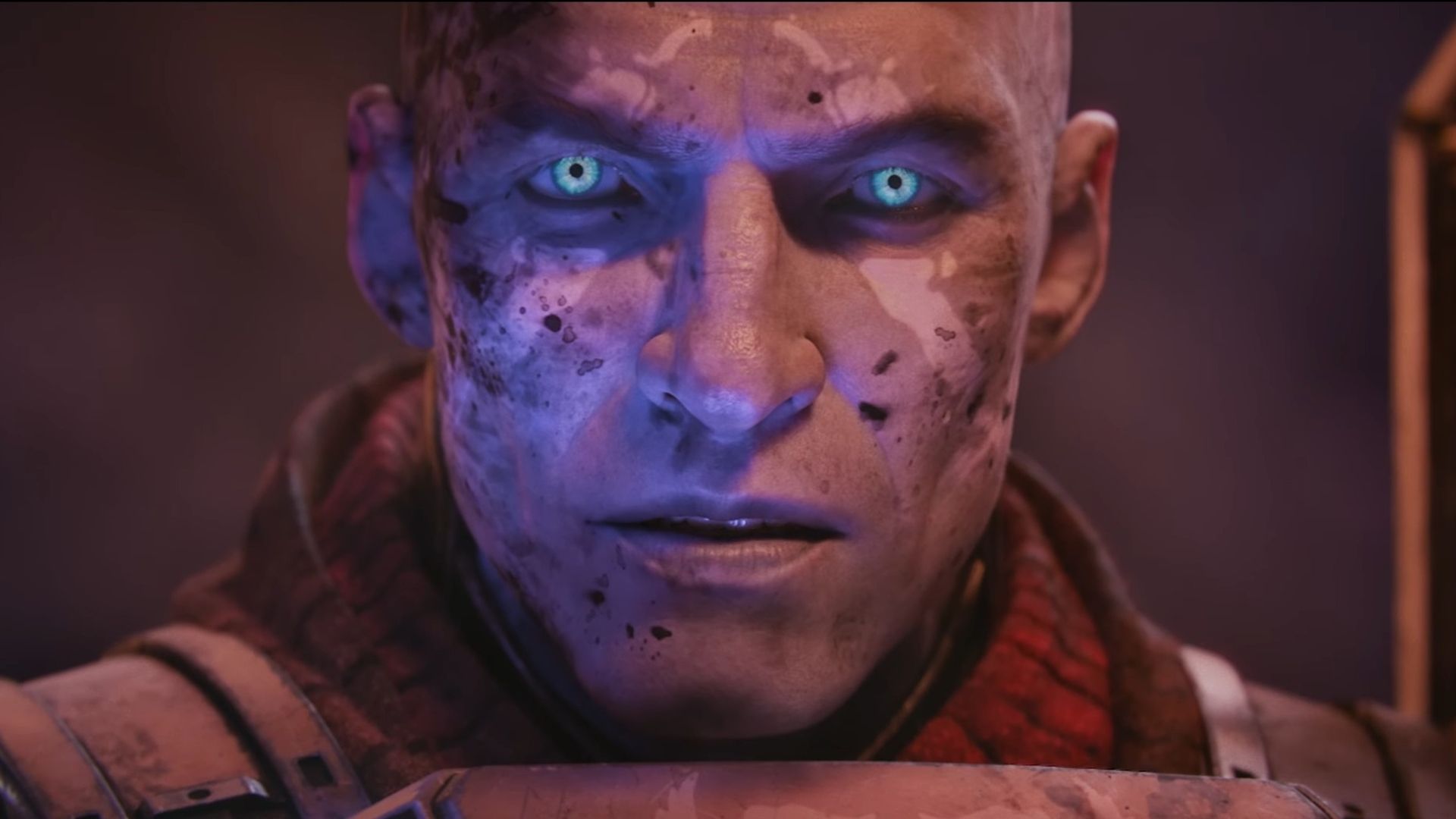
BELLEVUE, WA — To call the state of the global interactive entertainment industry "turbulent" in July 2026 would be a profound understatement. Following a half-decade of aggressive consolidation, skyrocketing production budgets, and shifting consumer habits, the industry has entered a period of what analysts are calling "The Great Correction." However, even within this bleak macro-environment, the situation at Bungie—the legendary developer behind Halo, Destiny, and the recently launched Marathon—has reached a critical inflection point.
The studio, once the crown jewel of Sony Interactive Entertainment’s live-service strategy, is currently operating with a fraction of its former workforce. As the developer attempts to manage the "post-mortem" phase of Destiny 2 while simultaneously salvaging the commercial prospects of Marathon, a recent delay of a minor maintenance patch has laid bare the internal devastation caused by recent mass layoffs.
Main Facts: A Studio in Survival Mode
The immediate crisis centers on a delayed update for Destiny 2. While patch delays are common in game development, the reasoning provided by Bungie offers a rare, unfiltered look at the human cost of corporate restructuring. Shortly after a massive wave of layoffs decimated "most" of the Destiny development team and a significant portion of the Marathon crew, Bungie announced that a scheduled patch—intended to address lingering performance issues and bugs—would be indefinitely postponed.
The studio admitted via social media and community forums that the delay was not due to technical complexity alone, but because the individuals responsible for the fixes were no longer employed by the company. This admission has sent shockwaves through a community already reeling from the news that Destiny 2 ended active development in June 2026.
Despite the end of active content production, Destiny 2 remains a paradox: it experienced a massive surge in player population last month as fans flocked to the servers for a final farewell, yet the infrastructure supporting those players is now being managed by a "skeleton crew." This team is reportedly struggling to maintain a cadence of updates that matches the studio’s historical standards.
Chronology: The Road to the 2026 Implosion
The current state of Bungie is the result of a multi-year trajectory that saw the studio transition from a fiercely independent entity to a specialized pillar of Sony’s ecosystem, only to falter under the weight of its own ambitions.
2022-2024: The Sony Era Begins: Following Sony’s $3.6 billion acquisition of Bungie, the studio was positioned as the primary consultant for Sony’s massive push into live-service gaming. However, internal friction and the underperformance of Destiny 2: Lightfall began to strain the relationship.
2025: The Final Shape and Marathon’s Shadow: The release of The Final Shape expansion was a critical triumph, providing a narrative conclusion to the ten-year "Light and Darkness Saga." However, internally, resources were being diverted heavily toward Marathon, a sci-fi extraction shooter intended to be the studio’s next billion-dollar franchise.
Early 2026: The Marathon Dilemma:Marathon launched to critical acclaim, praised for its avant-garde art direction and tight gunplay. However, in an oversaturated market, it failed to reach the commercial heights necessary to offset the declining revenue from Destiny 2.
June 2026: The Sunset of the Traveler: Bungie officially announced the end of active development for Destiny 2. While the servers would remain online, the "live" aspect of the game—seasonal content, new expansions, and regular balance passes—would cease after one final ceremonial update.
July 2026: The Evisceration: Citing a failure to meet internal and Sony-mandated financial expectations, Bungie underwent a "massive" downsizing. This included the departure of veteran leads and the majority of the staff responsible for maintaining the Destiny engine.
Supporting Data: Financial Shortfalls and Player Paradoxes
The data underlying Bungie’s current predicament paints a picture of a studio caught between its past and an uncertain future.
The Marathon Metric:
While Sony has not released specific sales figures, internal leaks suggest Marathon missed its Year 1 revenue targets by nearly 40%. Despite a "Very Positive" rating on digital storefronts, the game’s player retention plummeted three months after launch, a casualty of the "extraction shooter fatigue" that has claimed several high-profile titles in the mid-2020s.
The Destiny 2 Surge:
Ironically, the announcement of Destiny 2’s end-of-life triggered a "nostalgia boom." In June 2026, concurrent player counts reached levels not seen since the launch of The Witch Queen in 2022. This surge placed unexpected stress on the game’s aging backend, leading to the very performance issues and bugs that the now-delayed patch was intended to fix.
Personnel Loss:
Industry analysts estimate that Bungie’s headcount has been reduced by more than 60% since its peak in 2023. The loss is particularly acute in the Quality Assurance (QA) and Engineering departments, where the specialized knowledge required to navigate the infamously complex "Tiger" engine (the proprietary tech behind Destiny) has largely walked out the door.
Official Responses: A Plea for Grace
The communication from Bungie over the past week has been uncharacteristically somber, moving away from the polished PR "ViDocs" of the past toward a more desperate tone of transparency.
On the official Destiny 2 Team Twitter (now X) account, the studio was blunt: "We will provide more information when we can regarding the patch delay. We ask for your patience as we navigate these changes."
The response on Reddit was more revealing. Addressing a community thread where players expressed skepticism—one user noted a "suspicion that this will be one of those ‘delays’ that last forever"—the official Bungie representative clarified the situation:
"Not a forever delay. We will get this out when possible. A handful of fixes in this delayed patch were from impacted team members. When this ships, please show love to the team, past and present."
This request to "show love" to both current and former staff is a stark departure from typical corporate messaging. It highlights a studio culture that is grieving its own losses while trying to serve a frustrated consumer base. In a separate thread regarding PC performance degradation, the same account was even more cautious, requesting videos and examples of bugs while adding the sobering disclaimer: "While we can’t promise a fix, we’ll see what we can do."
Implications: The End of the "Forever Game"?
The crisis at Bungie is a microcosm of a broader malaise within the AAA games industry. The "implosion" mentioned by the lead developer of Cyberpunk 2 reflects a reality where even the most prestigious studios are no longer safe from the volatility of the live-service model.
1. The Fragility of Live-Service Infrastructure
Bungie’s inability to ship a maintenance patch because the authors of the code were laid off highlights a major risk in modern game development: "knowledge silos." When a studio loses the "tribal knowledge" of how its proprietary systems work, the software becomes a "black box" that is nearly impossible to maintain. For Destiny 2 players, this suggests that the game they love may slowly degrade into an unplayable state, not because of a lack of interest, but because of a lack of technical capacity.
2. Sony’s Shifting Strategy
Sony’s acquisition of Bungie was predicated on the idea that Bungie could teach PlayStation Studios how to build sustainable, long-term revenue engines. With Bungie now in a state of managed decline, Sony’s broader live-service ambitions appear to be in jeopardy. The "slaughtering" of projects mentioned by industry insiders suggests that the era of the "forever game" may be giving way to a return to more contained, manageable experiences.
3. The Human Cost of "Expectations"
The admission that Destiny 2 "fell short of expectations" despite being one of the most successful MMOs in history points to an unsustainable cycle of required growth. For the developers who spent a decade building the world of the Traveler, the reward has been a sudden exit, leaving their unfinished work to a skeleton crew that must now apologize for their absence.
As July 2026 draws to a close, the "Vanguard" of the games industry appears to be standing on crumbling ground. Whether Bungie can stabilize Marathon and provide a dignified sunset for Destiny 2 remains to be seen. For now, the "love" requested by the studio is the only currency they have left to offer a community that has followed them through the stars for over ten years.
Related Coverage:
Analysis: Why Marathon’s Critical Success Failed to Translate to Revenue.
The Great Correction: 15,000 Industry Layoffs in the First Half of 2026.
Opinion: Why ‘Destiny 2’s’ Post-Mortem Surge Proves Players Aren’t Ready to Say Goodbye.