

Main Facts: The Psychology and Utility of Steam’s Wishlist Ecosystem
For the modern PC gamer, the digital storefront is more than just a marketplace—it is a living archive, a personal roadmap, and a psychological safety net. Chief among the tools facilitating this relationship is Steam’s wishlist feature. Originally designed as a simple shopping cart alternative or a notification system for sales, the wishlist has evolved into an essential organizational utility. Gamers use it to anchor themselves to projects with open-ended, shifting, or protracted development cycles.
Titles that spend years in early access, or those announced half a decade before a tentative release window, risk fading from public consciousness in a hyper-saturated market. The wishlist acts as an external memory bank. It ensures that ambitious indie endeavors, systemic survival sims, and passion projects do not get buried under the avalanche of annual releases.
While blockbuster franchises like Dawn of War 4 or major fantasy role-playing sequels like Divinity dominate headlines and instantly capture mainstream attention, the true power of the wishlist lies in curation. Hardcore enthusiasts often utilize the feature to track niche genres—first-person shooters, deckbuilders, tactical command games, and complex simulation titles—where development timelines are notoriously fluid. By pinning these distant horizons to a profile, players create a tailored timeline of future interactive entertainment.
Chronology: The Evolution of Game Tracking and Long-Haul Development
To understand why features like the Steam wishlist have become so vital, one must examine how the relationship between game developers and consumers has transformed over the past two decades.
The Era of Print and Premature Hype (Late 1990s – Early 2000s)
In the era of physical media, game tracking was a passive experience. Players relied on monthly print magazines to catch blurry screenshots and brief updates about games that might be a year or two away from store shelves. Delays were common, but communication was sparse. If a game vanished from the pages of a magazine, consumers often had no way of knowing if it was canceled or merely keeping its head down.
The Digital Storefront Revolution (Mid-2000s – 2010s)
With the rise of digital distribution platforms like Steam, the paradigm shifted. Valve introduced the wishlist feature not as a monumental industry-shaping tool, but as a basic utility for users to flag items of interest. However, as independent development surged and crowdfunding platforms like Kickstarter popularized the concept of funding games years before release, the wishlist took on a new significance. It transitioned from a personal bookmark to a critical metric of market viability.
The Open-Ended Development Age (Present Day)
Today, games routinely spend three, five, or even ten years in active development, transitioning through pre-alpha phases, closed betas, public early access, and iterative updates. Projects like Anvil Empires—a massive cooperative medieval survival strategy game—exemplify this modern reality. They are built iteratively alongside their communities, meaning a release date is often an abstract concept rather than a concrete calendar entry. In this landscape, the wishlist is no longer just about waiting for a game to launch; it is about tracking a game’s evolution in real-time.
Supporting Data: The Anatomy of Player Preferences and Genre Tracking
Statistics surrounding digital storefront engagement reveal that wishlists are among the most powerful drivers of eventual sales and community retention on PC. Developers treat wishlist counts as the ultimate pre-launch key performance indicator (KPI), often delaying release announcements or marketing pushes until a critical mass of wishlist additions is achieved.
However, player behavior varies wildly depending on genre preferences:
- The Blockbuster Anomaly: High-profile sequels and established intellectual properties (IPs) secure massive spikes in wishlists immediately following cinematic trailer drops at events like Summer Game Fest or The Game Awards. However, these numbers often plateau until a concrete release date or playable demo is introduced.
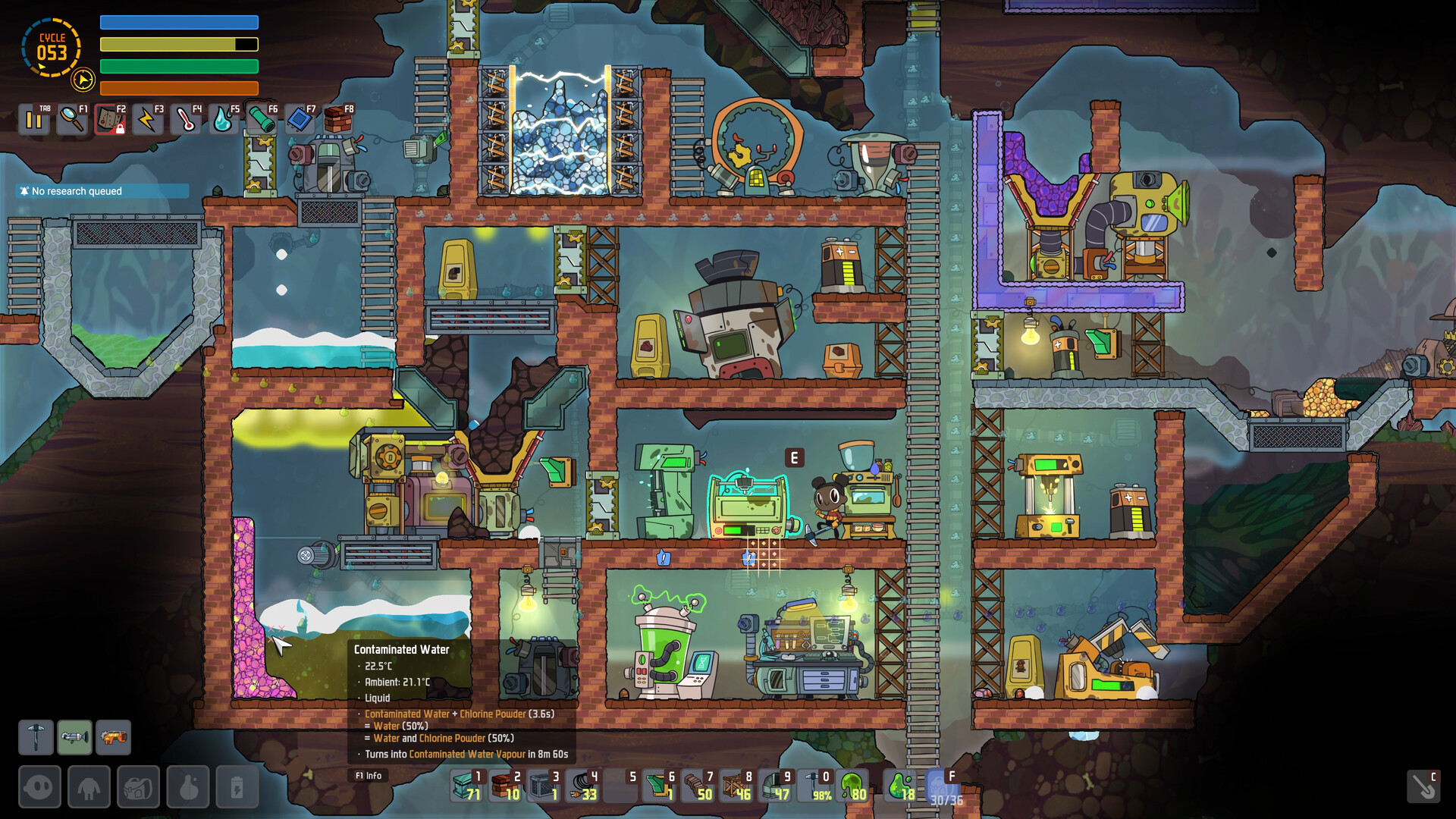
- The Systemic and Simulation Niche: Games that rely on complex mechanics—such as simulated gas, liquid, and thermal dynamics seen in titles like Oxygen Not Included or spiritual successors like Away Team—tend to attract a deeply dedicated, albeit smaller, core audience. These players wishlist projects early in development, tracking developer blogs, patch notes, and roadmap updates meticulously over the years.
- Tactical and Strategy Sectors: Strategy and tactics enthusiasts are among the most prolific users of wishlisting features. Because these games require deep mechanical iteration, balancing, and community playtesting, players use wishlists to patiently monitor titles through years of closed playtests before jumping in at version 1.0 or entering early access.
Official Perspectives: Industry Insiders on the Art of Waiting
The relationship between developers, digital platforms, and patient consumers is a frequent topic of discussion among industry veterans.
Industry analysts point out that the wishlist has fundamentally changed how studios forecast risk. A healthy wishlist metric gives independent developers the financial and psychological confidence to continue building systemic, long-haul projects without rushing an unfinished product to market. It proves that an audience is willing to wait for depth over speed.
From a curatorial and editorial standpoint, veteran critics and industry leaders emphasize the personal nature of these digital queues. For instance, long-time games journalists and editors—such as Evan Lahti, who has spent decades covering the evolution of first-person shooters and competitive PC titles—often note that their personal wishlists serve as reflections of their formative gaming memories. Whether it is the frantic LAN-party roots of Quake 2 or the calculated tension of modern tactical shooters like Hunt: Showdown and Rainbow Six Siege, what a player chooses to wishlist is inextricably tied to their history with the medium.
Developers often express gratitude for this patient segment of the community. In an industry dominated by rapid trend-chasing and short attention spans, the player who silently wishlists a complex multiplayer science sim or an open-ended medieval strategy game represents the bedrock of sustainable game development.
Implications: What Long-Term Wishlisting Means for the Future of PC Gaming
The reliance on wishlists as a tool for managing open-ended development carries profound implications for the future of the games industry.
1. Shift Toward Iterative Transparency
As consumers increasingly park their interest in games years before completion, developers are forced to become more transparent. The days of locking a game away for five years of radio silence are fading. Studios must maintain engagement through devlogs, playtests, and community feedback loops to keep those wishlist numbers active and prevent prospective players from losing interest.
2. Empowering Niche and Complex Genres
The wishlist ecosystem shields complex, systemic genres from extinction. Without a way for players to passively track a game over a long period, niche genres—like deep tactical command games, hardcore physics simulators, and complex deckbuilders—would struggle to survive the marketing noise generated by multi-million-dollar AAA cinematic blockbusters. Wishlists allow slow-burn projects to find their audience organically.
3. Redefining "Release Day"
For many PC gamers, release day is no longer the beginning of their journey with a title; it is merely a milestone in a relationship that started years prior via a wishlist notification. By allowing players to curate their digital horizons, platforms like Steam have transformed anticipation into an active, participatory hobby—one where the wait itself becomes part of the gaming experience.

