

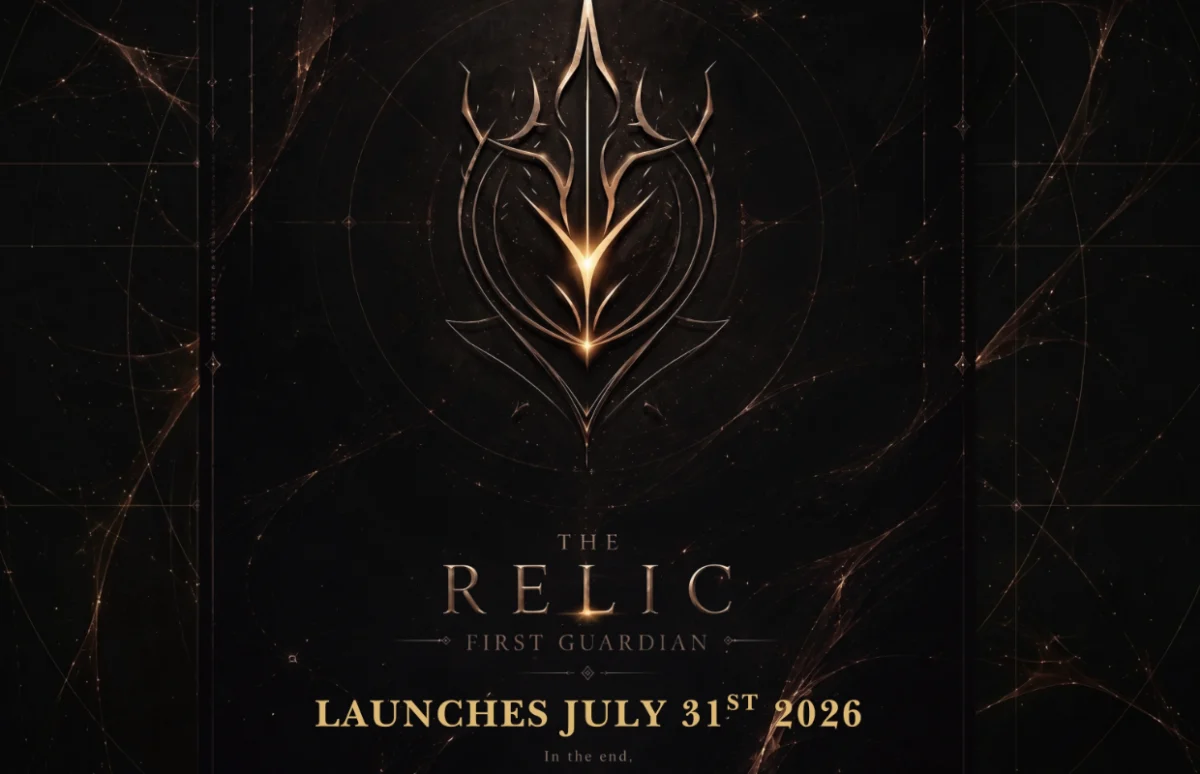
The landscape of dark fantasy action-RPGs is set to receive a bold new contender. Publisher Perp Games and South Korean developer Project Cloud Games have officially confirmed that their highly anticipated title, The Relic: First Guardian, will make its grand debut on July 31, 2024. As players prepare to delve into the plagued world of Arsiltus, the announcement marks a significant milestone for the indie studio, promising a unique spin on the soulslike genre that prioritizes player agency and fluid, non-traditional combat mechanics.
The Main Facts: A Global Launch Roadmap
The rollout for The Relic: First Guardian is structured as a phased global release. The primary launch window opens on July 31, 2024, at which point the title will be available digitally for PlayStation 5 and PC via Steam. This initial launch serves as the flagship release for Project Cloud Games, targeting the core audience of hardcore action enthusiasts.
However, the distribution strategy extends well beyond the initial summer launch. Developers have confirmed that the game will arrive on Xbox platforms and the highly anticipated Nintendo Switch 2 later in the summer, though specific dates for these platforms remain pending. Furthermore, for those who prefer physical media, Perp Games has scheduled a retail release for the PlayStation 5 version on September 4, 2024. This physical edition is expected to be a key item for collectors, ensuring that the game has a tangible presence in the console market.
Chronology: From Concept to Combat
The journey of The Relic: First Guardian has been one of steady progression. Project Cloud Games, a studio rooted in South Korea, has spent the last few years crafting an experience that challenges the conventions of the soulslike subgenre—a category often defined by rigid stamina management and punishing, resource-heavy combat.
By choosing to break away from the "stamina-gated attack" model, the studio has signaled an intent to redefine the "feel" of action RPGs. The development timeline has been marked by a focus on high-fidelity combat feedback and the creation of a distinct, folklore-inspired aesthetic. The announcement of the release date is the culmination of this development cycle, moving the project from the "announcement and trailer" phase into the final stretch of optimization and release preparation.
Supporting Data: Mechanics That Redefine the Genre
To understand why The Relic: First Guardian is generating significant buzz, one must look at the mechanical pillars supporting its gameplay. The developers have emphasized four primary areas of innovation:
1. The Combat Philosophy: Freedom over Restriction
Perhaps the most striking departure from genre norms is the game’s handling of combat resources. In most soulslikes, every action—from swinging a sword to dodging a blow—depletes a stamina bar. The Relic: First Guardian separates these systems. Stamina is reserved exclusively for defensive maneuvers and evasion, while offensive attacks are not gated by resource depletion. Skills function on cooldown timers, allowing players to weave abilities into their attack rotations without the constant fear of running out of energy. This creates a rhythm that feels closer to a high-octane character action game than a traditional methodical crawl.
2. The Arsenal: Customization and Mastery
The game features over 70 "brutals"—the title’s term for its formidable boss encounters. To overcome these, players have access to five distinct weapon types, each designed to be deeply customizable. Blades, battle axes, and staves serve as the foundation, but the true depth lies in the twelve exclusive skill trees. By imbuing weapons with specific abilities, players can cultivate a unique playstyle, effectively allowing for the creation of custom classes that suit their specific tactical preferences.
3. Progression Through "Relics"
In a departure from traditional "level-up" systems based on experience points, The Relic: First Guardian utilizes a system centered around "Relics." These items represent the memories of the world and act as the primary means of growth. There are over 70 unique passive effects that these Relics can provide. By equipping these items, players can fundamentally alter their combat tempo, change how skills behave, or focus on specific weapon proficiencies. This system shifts the focus from grinding levels to "meaningful in-world experiences," where character power is tied directly to the artifacts discovered during exploration.
4. A Narrative Steeped in Mythology
The lore of The Relic: First Guardian is heavily influenced by Asian mythology and folklore. The game tasks players with saving the once-peaceful land of Arsiltus from a spreading blight. The narrative is designed to be as personal as the combat, focusing on themes of love, tragedy, and the nature of heroism. Each player’s journey is framed as an individual tale within the larger, lore-rich context of the world.
Official Responses: The Vision of Project Cloud Games
In their official press release, the team at Project Cloud Games expressed a clear intent to move the genre forward. "First Guardians are called to ready their weapons and fight against the blight plaguing the once peaceful Arsiltus," the studio noted. The sentiment is one of urgency and invitation, urging players to embrace the "spine-shattering" and "skin-slicing" arsenal at their disposal.
Perp Games, acting as the publishing partner, has been instrumental in ensuring the game’s visibility. By facilitating the retail release and coordinating the multi-platform rollout, they are positioning the title to capture both the digital-first PC audience and the traditional console market. The collaboration highlights the growing importance of indie-publisher partnerships in bringing high-concept, niche-interest titles to a global stage.
Implications: A New Standard for Soulslikes?
The release of The Relic: First Guardian carries significant implications for the gaming industry. As the "soulslike" label becomes increasingly broad, developers are finding that simple imitation is no longer enough to satisfy the market. Players are seeking mechanical depth that respects their time while maintaining the high difficulty ceiling the genre is known for.
By removing the restrictive stamina-per-attack model, Project Cloud Games is testing the waters for a new sub-genre of "Action-Soulslikes." If successful, this could spark a trend where developers prioritize "combat flow" over the "punishment-heavy" design that has dominated the last decade. Furthermore, the reliance on a "Relic-based" progression system—rather than standard stats—could set a precedent for how narrative and growth can be more tightly intertwined in future RPGs.
Finally, the inclusion of the Nintendo Switch 2 in the release roadmap is a noteworthy signal. As the industry watches for the successor to the current Switch, the commitment from indie studios to support this hardware at launch—or shortly thereafter—suggests a strong level of confidence in the platform’s performance capabilities for demanding titles like this one.
Conclusion
As July 31 approaches, the industry’s eyes will be on The Relic: First Guardian. With its ambitious blend of traditional soulslike difficulty and modernized, fluid combat, it promises to be a title that is as challenging as it is customizable. Whether you are a fan of high-stakes boss battles or a seeker of deep, lore-heavy RPG experiences, the blight of Arsiltus is one that many will soon be rushing to purge. With a robust post-launch plan and a clear vision for its gameplay loop, Project Cloud Games has positioned itself to be a significant voice in the 2024 indie landscape. The question remains: when the dust settles on the battlefields of Arsiltus, will The Relic be remembered as a pioneer of the next generation of action games? We will find out this summer.

