

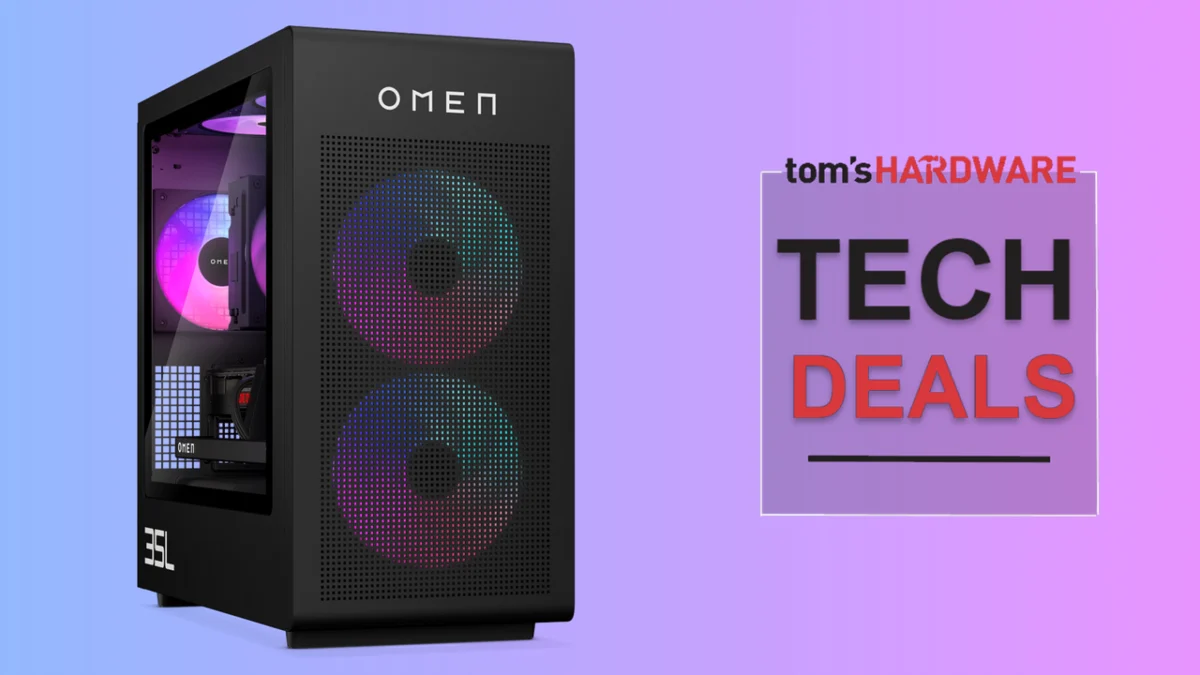
[City, State] – [Date] – In an era where the escalating demand for artificial intelligence (AI) has sent the prices of crucial PC components soaring, the acquisition of a pre-built gaming desktop has emerged as an increasingly sagacious financial decision for enthusiasts. This market dynamic is vividly underscored by a remarkable offer from HP, featuring its high-performance Omen 35L gaming PC. Currently available at an astonishing price of $2,499.99, this machine represents a significant $1,100 reduction from its original list price, making it an exceptionally compelling option for serious gamers seeking uncompromised 4K performance.
The deal, accessible directly through HP’s official website, bundles a suite of top-tier hardware: an AMD Ryzen 7 9800X3D processor, an Nvidia GeForce RTX 5080 graphics card, a generous 32GB of DDR5 RAM, and a capacious 2TB NVMe solid-state drive. This configuration positions the Omen 35L not merely as a gaming PC, but as a future-proof investment, delivering immense power and efficiency at a cost that would be nearly impossible to replicate through individual component purchases in the current market climate.
Main Facts: Unpacking the HP Omen 35L Deal
The core appeal of this HP Omen 35L configuration lies in its exceptional value proposition, especially when juxtaposed against the backdrop of an inflating PC hardware market. The confluence of a potent CPU, a cutting-edge GPU, and ample high-speed memory and storage makes this a formidable contender for any demanding gaming scenario, including immersive 4K experiences.
Key Specifications Overview:
- Processor: AMD Ryzen 7 9800X3D (8 cores, 16 threads, Zen 5 architecture, up to 5.2 GHz boost clock, 3D V-Cache technology)
- Graphics Card: Nvidia GeForce RTX 5080 (10,752 CUDA cores, 16GB GDDR7 VRAM, DLSS 4 support)
- RAM: 32GB DDR5 (Dual-channel, 6,000 MT/s)
- Storage: 2TB NVMe Gen 4 SSD
- Cooling: 240mm All-in-One (AIO) Liquid Cooler
- Connectivity: Wi-Fi 7, Bluetooth 5.4, 2.5G Ethernet
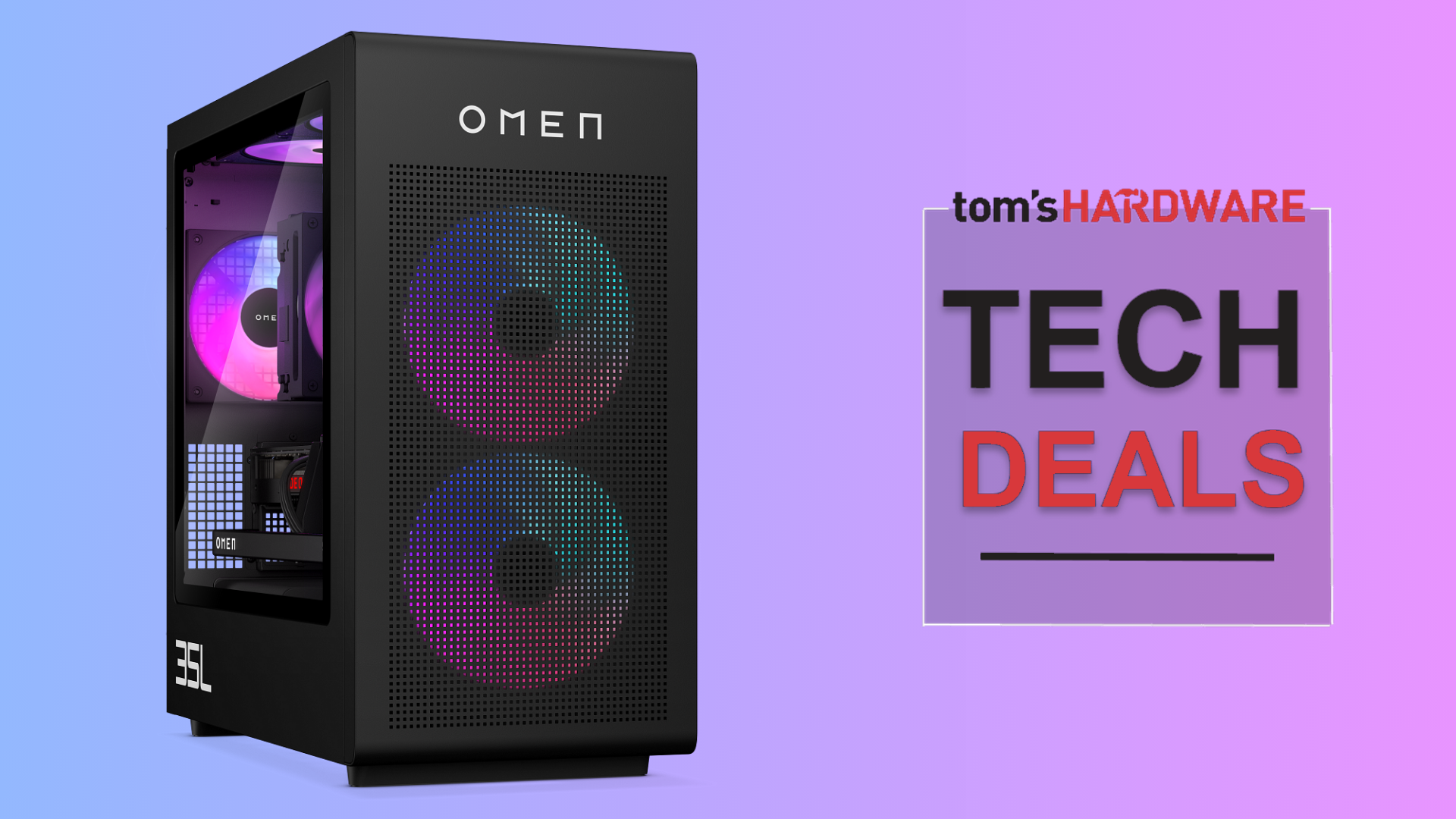
- Design: Understated black chassis, minimizing excessive RGB lighting for a refined aesthetic.
- Price: $2,499.99 (after a $1,100 discount from list price)
This isn’t merely an aggregation of components; it’s a meticulously balanced system designed to extract maximum performance from its hardware. The pairing of AMD’s gaming-optimized CPU with Nvidia’s second-most powerful next-generation GPU ensures that bottlenecks are minimized, allowing for fluid gameplay and robust multitasking capabilities. The considerable discount transforms this premium offering into an accessible luxury, challenging the traditional cost-effectiveness of custom-built systems.
Chronology: The Shifting Sands of PC Component Economics
The current attractiveness of pre-built systems like the HP Omen 35L is not an isolated phenomenon but rather a culmination of several market forces that have reshaped the PC hardware landscape over the past few years.
Evolution of Pre-built PCs and Market Dynamics:
Historically, building a PC from individual components was often lauded as the superior choice, offering greater customization, better value, and a deeper understanding of the system. However, this paradigm began to shift dramatically. The cryptocurrency mining boom of the mid-to-late 2010s first introduced significant volatility and scarcity to the GPU market. This was followed by the global pandemic, which disrupted supply chains, inflated shipping costs, and simultaneously surged demand for personal computing devices as remote work and entertainment became central to daily life. These factors collectively pushed component prices, particularly for graphics cards, to unprecedented highs, making pre-built systems, which benefit from bulk purchasing and OEM agreements, comparatively more appealing.
The Rise of AI and Its Impact on Component Prices:
The most recent and perhaps most profound shift has been the explosion of interest and investment in artificial intelligence. The computational demands of training large language models (LLMs) and other AI applications are immense, requiring vast quantities of high-performance GPUs, high-bandwidth memory (HBM), and high-speed storage. Companies like Nvidia, whose GPUs are central to both gaming and AI, have seen an exponential increase in demand from data centers and AI research institutions. This industrial demand has created a profound ripple effect on the consumer market. GPUs that were once primarily destined for gaming PCs are now heavily allocated to AI servers, driving up prices and limiting availability for consumers. Similarly, high-speed RAM and NVMe SSDs, crucial for rapid data processing in AI, have experienced price hikes. This "AI boom" has made the idea of sourcing individual parts for a top-tier gaming rig an increasingly expensive and often frustrating endeavor for the average consumer.
HP Omen Series: A Legacy of Gaming Performance:
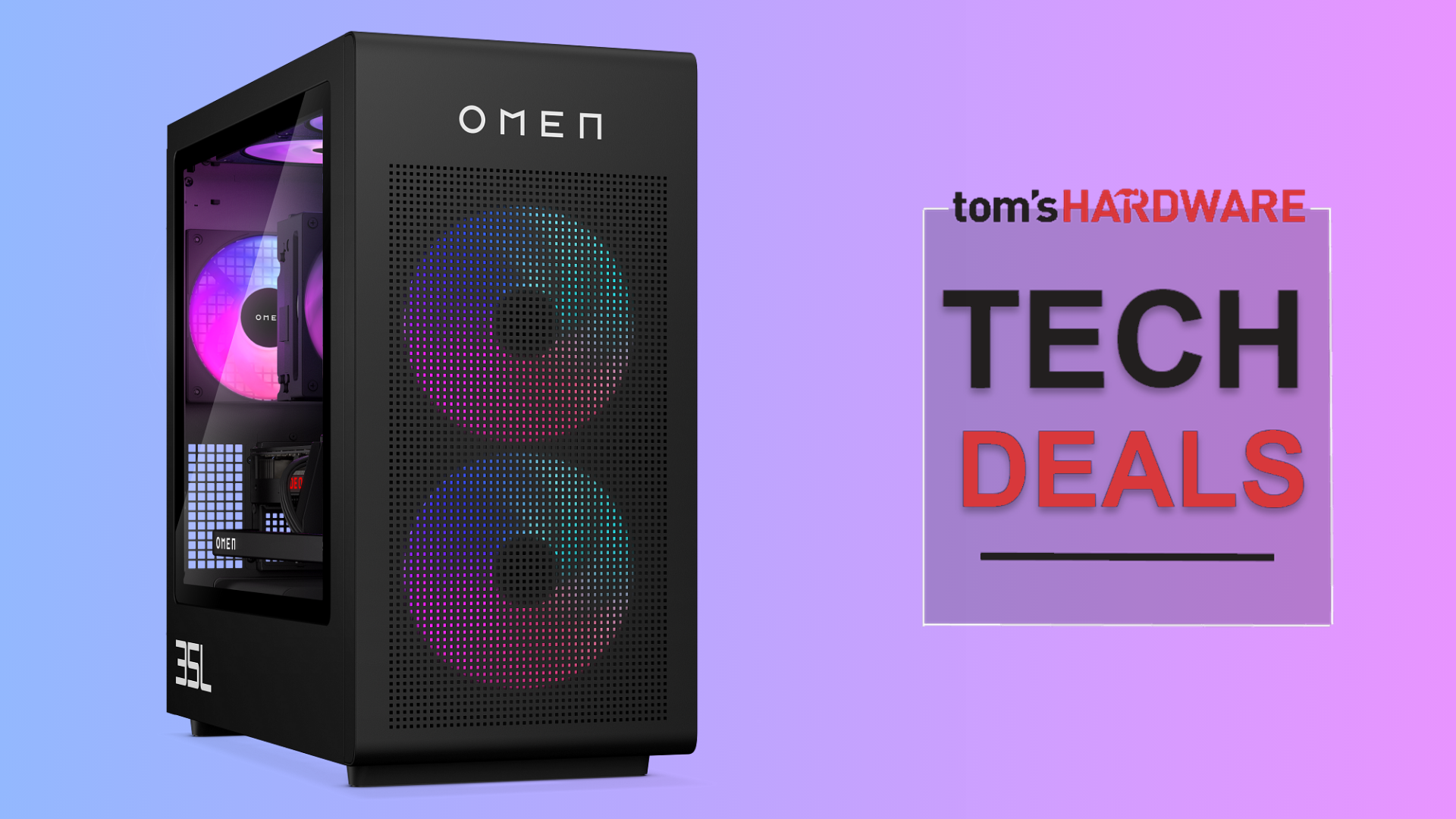
Against this backdrop, HP’s Omen series has consistently aimed to provide a streamlined, high-performance gaming experience. Launched to compete in the burgeoning enthusiast market, the Omen brand has evolved to offer sleek designs, robust cooling solutions, and a balance of powerful components. The Omen 35L, in particular, represents a refined iteration, moving away from some of the more aggressive "gamer" aesthetics towards a more mature and understated design, while retaining the raw power expected by its target audience. This current deal on the 35L is not just a seasonal promotion; it reflects HP’s strategic response to market conditions, leveraging its manufacturing and supply chain advantages to offer competitive pricing where individual component sourcing falls short.
Supporting Data: A Deep Dive into Performance
The strength of the HP Omen 35L configuration lies in the synergy of its carefully selected components, each a leader in its class, contributing to an exceptional gaming and computing experience.
Deep Dive into the AMD Ryzen 7 9800X3D Processor:
The AMD Ryzen 7 9800X3D is a cornerstone of this system’s gaming prowess. Built on AMD’s cutting-edge Zen 5 architecture, this 8-core, 16-thread processor boasts a formidable boost clock speed of up to 5.2 GHz. What truly sets the X3D series apart, however, is AMD’s innovative 3D V-Cache technology. This revolutionary approach involves stacking an additional layer of L3 cache directly on top of the CPU die. For games, which often involve numerous small, repetitive data accesses, having an exceptionally large L3 cache (the 9800X3D benefits from this significantly) means the CPU can access critical game data much faster, without needing to fall back on slower system RAM. This dramatically reduces memory latency, leading to higher and more stable frame rates, especially in CPU-intensive games or scenarios where high refresh rates are desired.
Until very recently, the X3D chips were widely regarded as the absolute best gaming CPUs in the world, often outperforming chips with higher clock speeds due due to this architectural advantage. The 9800X3D continues this legacy, securing a top spot in most CPU benchmarks for gaming performance. Furthermore, unlike some earlier 3D V-cache chips, the 9800X3D is fully unlocked, offering enthusiasts the flexibility to experiment with overclocking for even marginal gains, though its stock performance is already exceptional. This combination of raw core power, advanced architecture, and proprietary cache technology makes it an ideal pairing for a high-end graphics card like the RTX 5080, ensuring that the CPU never becomes a bottleneck for the GPU’s potential.
Unpacking the Nvidia GeForce RTX 5080 Graphics Card:
Complementing the powerful CPU is the Nvidia GeForce RTX 5080, a titan among graphics cards. As the second-highest tier in Nvidia’s latest generation of GPUs, it features an impressive 10,752 CUDA cores and 16GB of ultra-fast GDDR7 VRAM. This specification sheet translates directly into raw graphical horsepower, making the RTX 5080 an undisputed champion for high-resolution gaming.
For 4K gaming, the RTX 5080 is designed to deliver consistently high frame rates, even in the most graphically demanding titles. Games like Cyberpunk 2077 with full ray tracing, Alan Wake 2, or Starfield at their maximum visual settings will run smoothly, providing an immersive and visually stunning experience. The 16GB of GDDR7 VRAM is crucial for handling the immense texture data and complex rendering environments prevalent in modern 4K gaming, ensuring there are no VRAM-related performance compromises.
Beyond raw power, the RTX 5080 leverages Nvidia’s latest advancements in AI-powered graphics. It supports DLSS 4 (Deep Learning Super Sampling), which uses AI to render frames at a lower resolution and then intelligently upscale them to a higher resolution with minimal visual fidelity loss. DLSS 4 also incorporates advanced frame generation techniques, effectively creating additional frames through AI interpolation, significantly boosting frame rates in compatible titles. This technology not only allows gamers to push graphics presets to their absolute maximum without performance penalties but also acts as a critical future-proofing mechanism, extending the card’s viability for years to come as game graphics continue to evolve. Its robust ray tracing capabilities further enhance realism, bringing dynamic lighting, reflections, and shadows to life in supported games.
The Importance of Supporting Components:
The HP Omen 35L doesn’t cut corners on its supporting hardware, ensuring a balanced and premium overall system experience.
- 32GB DDR5 RAM (6000 MT/s, Dual-Channel): In modern gaming and multitasking, 32GB of RAM has become the sweet spot, providing ample headroom for games, streaming, and background applications. DDR5 offers significant speed and bandwidth improvements over DDR4, contributing to overall system responsiveness. Crucially, the Omen 35L includes this RAM in a dual-channel configuration (two 16GB modules). This is vital as dual-channel memory doubles the data transfer rate between the RAM and the CPU, maximizing bandwidth and preventing potential bottlenecks that single-channel configurations can introduce – a practice HP has sometimes been criticized for in the past.
- 2TB Gen 4 SSD: A 2TB NVMe Gen 4 SSD provides lightning-fast load times for the operating system, applications, and particularly large modern game files. The Gen 4 interface ensures significantly higher read/write speeds compared to older SATA SSDs or even Gen 3 NVMe drives. With game sizes continually increasing, 2TB offers a comfortable amount of space, reducing the need for immediate upgrades.
- Connectivity: The inclusion of Wi-Fi 7 and Bluetooth 5.4 ensures cutting-edge wireless connectivity. Wi-Fi 7 offers lower latency and higher speeds, which are critical for competitive online gaming, while Bluetooth 5.4 provides robust and efficient connections for a wide array of peripherals. The 2.5 Gigabit Ethernet port offers a wired alternative for maximum stability and speed, essential for serious online gamers and content creators.
- Cooling (240mm AIO Liquid Cooler): High-performance components generate significant heat. A 240mm All-in-One (AIO) liquid cooler is an excellent choice for the Ryzen 7 9800X3D, ensuring that the CPU remains within optimal thermal limits even under heavy load or during extended gaming sessions. Efficient cooling is paramount for maintaining boost clock speeds and overall system stability, protecting the investment in powerful hardware.
Official Responses: HP’s Strategic Positioning
While specific statements from HP regarding this particular promotion are not typically released to the general press for individual deals, the pricing strategy aligns perfectly with HP’s broader objectives for its Omen brand and its competitive stance in the gaming PC market.
HP’s Strategy in the Gaming Market:
HP’s Omen brand is positioned as a premium, performance-oriented line designed to capture a significant share of the lucrative gaming PC market. This market is characterized by discerning consumers who prioritize raw power, reliable performance, and often, a degree of aesthetic appeal. Deals like the one on the Omen 35L demonstrate HP’s ability to leverage its economies of scale and direct-to-consumer sales channels to offer highly competitive pricing. By securing components in bulk and streamlining its manufacturing processes, HP can absorb some of the component cost inflation that affects individual builders, passing on value to the end-user. This strategy allows HP to remain competitive against other major pre-built manufacturers such as Dell Alienware, ASUS ROG, MSI, and even smaller boutique builders.
Industry analysts often observe that major OEMs like HP utilize aggressive pricing on specific configurations to stimulate demand, clear inventory, or strategically gain market share during periods of high component volatility. This specific deal, with its $1,100 discount, indicates a strong commitment to making high-end gaming accessible and highlights HP’s confidence in the Omen 35L’s ability to deliver a premium experience. It also serves to differentiate HP in a crowded market by offering immediate, tangible value that is difficult for competitors, especially custom builders, to match without significant compromise.
Implications: A Win for Gamers, a Shift for the Market
The availability of a system like the HP Omen 35L at such a competitive price has multifaceted implications for both consumers and the broader PC hardware market.
For the Consumer: Unprecedented Value and Future-Proofing:
For the average gamer, this deal is nothing short of a boon. It provides an immediate pathway to top-tier 4K gaming performance without the daunting task of component sourcing, assembly, or the inflated costs associated with buying parts separately. The Omen 35L, with its balanced and powerful specifications, offers significant future-proofing. The AMD Ryzen 7 9800X3D and Nvidia RTX 5080, combined with 32GB of DDR5 RAM and a fast 2TB SSD, ensure that the system will comfortably handle new game releases and demanding applications for many years to come. The inclusion of modern connectivity standards like Wi-Fi 7 and 2.5G Ethernet further adds to its longevity. For many, the peace of mind that comes with a professionally assembled and warrantied system from a reputable brand like HP also adds considerable value. This deal democratizes access to what was previously a significantly more expensive tier of gaming performance.
For the PC Market: Redefining Value Propositions:
Such aggressive pricing by a major OEM has broader implications for the PC hardware market. It underscores the ongoing shift where pre-built systems are increasingly becoming the more economical and convenient choice for high-end gaming, especially given the current component pricing dynamics influenced by AI demand. This trend might pressure component manufacturers to re-evaluate their pricing strategies for the consumer market, or it could solidify the position of pre-built manufacturers as the primary avenue for consumers to acquire high-performance systems. The success of deals like this could also encourage other OEMs to offer similar competitive bundles, potentially leading to a healthier market for consumers in the long run.
Future Outlook and Urgency:
The current market conditions, characterized by the insatiable demand for components driven by the AI boom, suggest that the prices of individual parts are unlikely to recede significantly in the near future. This makes the HP Omen 35L deal a potentially fleeting opportunity. As the article states, "This might be the best price you’ll find for a spec this good for some time." Deals of this magnitude, especially on systems featuring newly released or highly sought-after components, tend to sell out rapidly. Consumers contemplating a high-end gaming PC upgrade would be well-advised to consider this offer with a sense of urgency, as the confluence of top-tier specs and an aggressive discount is a rare alignment in the current volatile market. The HP Omen 35L stands as a testament to strategic OEM pricing, offering a powerful beacon of value in an otherwise inflationary landscape.

