


LOS ANGELES — In the modern video game industry, the image of the sprawling, high-rise California studio packed with hundreds of specialized developers has long been treated as the gold standard. However, according to Saber Interactive Chief Creative Officer Tim Willits, that traditional model is not only obsolete—it is financially ruinous.
Speaking in a wide-ranging interview during Gamescom, Willits dropped a bombshell regarding the company’s operational footprint: Saber Interactive has entirely phased out game development in North America. Aside from maintaining a streamlined publishing presence in the region, the company has decentralized its creative engines, relying instead on a vast, interconnected network of international subsidiaries.
Willits’ bold admissions arrive at a time of deep introspection and turmoil for the global gaming sector. As western studios grapple with unprecedented waves of layoffs, soaring hardware costs, and ballooning development cycles, Saber’s lean, globally distributed approach offers a glaring contrast to the status quo of North American triple-A development.
Main Facts: Decoupling from North America
The core revelation from Willits’ interview is simple yet disruptive: geography is no longer a prerequisite for game development excellence.
- The Exodus from North America: Saber Interactive has officially shuttered or shifted all domestic game production pipelines. North American operations are now strictly confined to publishing and administrative oversight.
- Global Talent Footprint: Development duties have been successfully distributed across a diverse array of international territories, including Serbia, Armenia, Georgia, Spain, Portugal, Sweden, Argentina, and Australia.
- Financial Efficiency vs. Bloated Budgets: Highlighting the success of Warhammer 40,000: Space Marine 2, Willits contrasted Saber’s frugality with the runaway costs of competing major releases, noting that Space Marine 2 was produced at a fraction of typical triple-A costs while dramatically outperforming rivals in sales.
- Diagnosis of Industry Ills: Willits attributes the ongoing wave of studio closures and layoffs not just to economic headwinds, but to structural flaws inherent in western development, specifically corporate overspecialization and staggering monthly burn rates.
Chronology: How Saber’s Global Pivot Evolved
While the public acknowledgment of Saber’s North American exit came during Gamescom, this strategic pivot has been years in the making, reflecting a broader evolution in how mid-to-large-scale publishers manage risk and overhead.
The Foundation of Decentralization (Pre-2020)
Long before the current industry-wide contraction, Saber Interactive—founded in 2001 by Matthew Karch and Andrey Iones
—embraced a distributed studio model. Rather than concentrating talent in high-cost hubs like Los Angeles, San Francisco, or Austin, the company quietly established engineering and art hubs in Eastern Europe and beyond. This allowed them to scale development teams up and down efficiently without facing the crushing real estate and salary overheads native to major US tech corridors.
The Embracer Group Era and Independence (2020–2024)
Saber’s structural agility was tested and proven during its tenure under the Embracer Group, which acquired Saber in 2020. Even as massive corporate acquisitions led to heavy standardization across other subsidiaries, Saber retained its nimble, borderless operational philosophy. Earlier in 2024, Saber successfully navigated a high-profile multi-hundred-million-dollar buyout from Embracer, emerging as an independent entity better positioned to double down on its cost-effective development model.
The Space Marine 2 Phenomenon (Late 2024)
The ultimate validation of Saber’s approach materialized with the release of Warhammer 40,000: Space Marine 2. Developed across a dispersed network of international studios, the game became an immediate critical and commercial juggernaut, shipping millions of copies and proving that a project does not require a $200-million budget or a centralized California campus to achieve triple-A production values.
The Gamescom Revelations (2025)
At Gamescom, Willits codified what industry insiders had long suspected. By formally stating that Saber has "no real development in North America anymore," he drew a definitive line in the sand, challenging the traditional western development paradigm and sparking widespread debate across the games media landscape.
Supporting Data: The Math of Silicon Valley vs. Global Studios
To understand why Saber has abandoned North American development, one must examine the raw economics of modern game production. During his remarks, Willits laid bare the sobering financial realities that American studios face every single month.
+-------------------------------------------------------------------+
|               MONTHLY BURN RATE COMPARISON (ESTIMATED)            |
+-------------------------------------------------------------------+
| Large North American Studio : $2,000,000+ per month               |
| Saber's Entire *SnowRunner* Budget: $6,000,000 total              |
+-------------------------------------------------------------------+
"The problem is stuff like this: big North American development studios, they run about $2 million+ in burn rate a month. A month," Willits explained.
To put that figure into perspective, Willits pointed to SnowRunner, a vehicular simulation game that has generated hundreds of millions of dollars in revenue for the company. The entire development cost of SnowRunner was a modest $6 million.
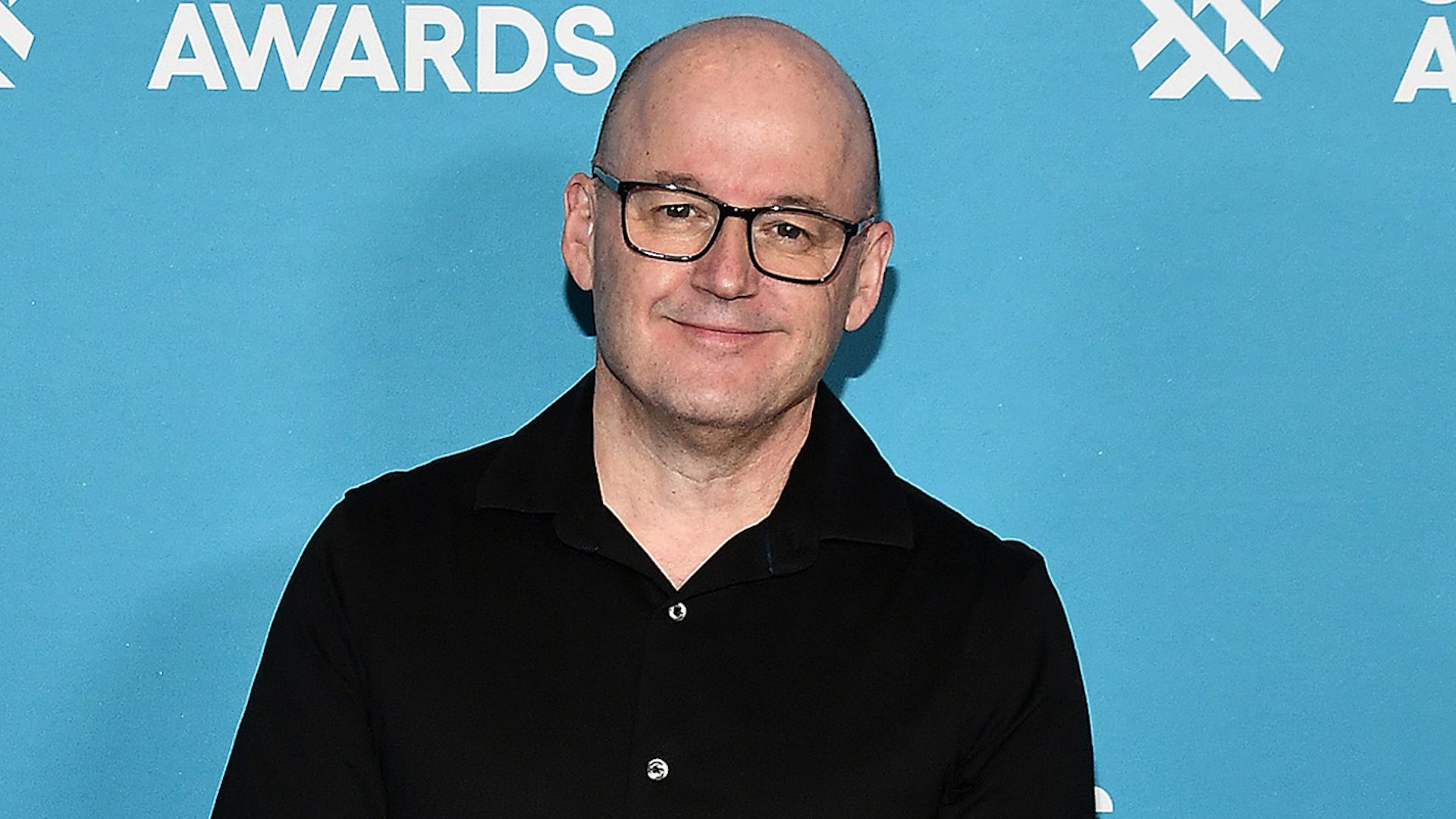
"That’s literally three months of development time in California," Willits noted. When scaling that out to a standard five-year triple-A development cycle (60 months), base salaries alone rack up a staggering $120 million before marketing, licensing, and engine costs are even factored into the equation.
By leveraging international talent markets—where cost-of-living adjustments allow for competitive, fair local wages without the astronomical overhead of US coastal tech hubs—Saber effectively lowers its financial exposure. This financial breathing room allows the studio to greenlight ambitious projects without gambling the entire company’s future on a single monolithic release.
Official Responses and Industry Reactions
Willits’ comments have sent ripples through the gaming community, triggering intense discussions among developers, analysts, and fans alike.
Embracing Global Talent
In his Gamescom interview, Willits firmly rejected the geographical snobbery that often plagues executive suites in North America and Western Europe.
"We are not afraid of any territories," Willits asserted. "Some publishers are afraid to work in territories they don’t understand, but we’re like, let’s go, let’s find some people that are talented, let’s give them what they need, and let’s make awesomeness. You don’t need to be in California to be a brilliant programmer or artist or animator."
The "Overspecialization" Crisis
Willits’ critique extends beyond mere geography. In separate conversations, he has pointed the finger at studio culture, identifying "overspecialization" as a primary driver behind the persistent wave of industry layoffs. When studios bloat to hundreds of employees assigned to hyper-specific, narrow tasks on a single project over many years, the organization loses its agility. If that single project underperforms, the entire studio faces catastrophic downsizing.
Public and Media Speculation
The industry response has been multifaceted. While financial analysts have praised Saber’s fiscal discipline—especially in an era where investors are increasingly risk-averse—labor advocates and western developers have raised complex questions regarding the ethics and long-term implications of aggressive offshoring.
Furthermore, Willits’ unsubstantiated swipe at the efficiency of rival projects—contrasting Space Marine 2’s lean budget with unnamed North American blockbusters—sparked a frenzy of speculation across forums and social media, with commentators attempting to guess which major US-developed titles he was referencing.
Implications: The Future of Western Game Development
Saber Interactive’s pivot away from North American development is more than a corporate restructuring story; it serves as a harbinger of structural changes rippling across the interactive entertainment landscape.
1. The Unsustainability of the Traditional Triple-A Model
For over a decade, development budgets for blockbuster games have spiraled out of control. Games that cost $50 million to make in the Xbox 360 era now routinely demand budgets exceeding $250 million. As hardware costs rise and consumer spending habits shift, the traditional North American studio model—burdened by high salaries, expensive office spaces, and bloated headcounts—is hitting a brick wall. Saber’s success proves that alternative, decentralized production pipelines can deliver comparable or superior commercial results.
2. A Shift in Global Talent Dynamics
As major western publishers witness the financial viability of Saber’s model, an accelerating brain drain from traditional tech hubs like Los Angeles, Seattle, and Austin is likely. Talented developers across Eastern Europe, South America, and Asia will see increased investment and validation from western companies willing to look beyond domestic borders.
3. Agility Over Monoliths
Saber’s strategy highlights the value of operational flexibility. By maintaining smaller, specialized teams distributed globally rather than one massive monolith, publishers can pivot quickly, manage risk effectively, and weather market downturns without resorting to the devastating, mass-casualty layoffs that have defined the industry over the past few years.
Ultimately, Tim Willits and Saber Interactive have thrown down a gauntlet to the traditional games industry. As economic pressures mount, the question facing every major executive in California and New York is no longer if they can cut costs, but whether they can adapt to a borderless future before the traditional model collapses entirely beneath its own weight.

