

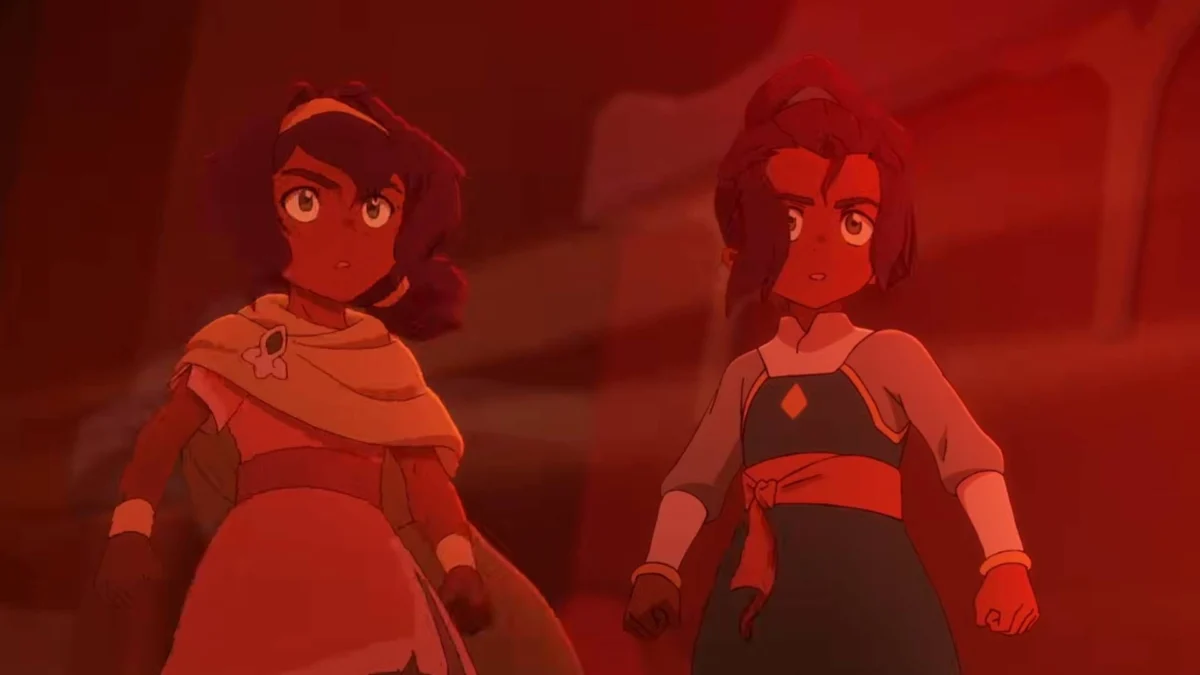
ENTERTAINMENT TELEVISION | October 2024 | By the Entertainment Desk
Main Facts
The landscape of modern streaming is fraught with shifting paradigms, but few franchises command the passionate, critical, and hyper-engaged fanbase quite like the Avatar universe. When Paramount Plus originally announced the rollout plan for the highly anticipated animated series Avatar: Seven Havens, it inadvertently triggered a wave of panic across online fandoms. Due to ambiguous and confusing language in initial press releases, viewers were led to believe that the entire 26-episode inaugural season—consisting of robust, 30-minute episodes—would be dumped onto the platform all at once in a traditional, rapid-fire binge-watch format.
For many followers of serialized storytelling, the prospect of a 26-episode mass release spelled doom for community engagement. Binge models, while popular for reality television and disposable comedies, have long been criticized by narrative purists for crushing online discourse, eliminating the communal water-cooler effect, and burning through years of creative labor in a single weekend.
Fortunately, a course correction arrived in September with a brand-new trailer that fundamentally altered expectations. Paramount Plus confirmed that Avatar: Seven Havens would split its massive debut season into two distinct "Books." Book 1, comprising 13 episodes, abandoned the all-at-once model in favor of a weekly-adjacent rollout: three-episode batches kicked off on October 9, culminating in a dramatic four-episode finale drop on October 30.
Set roughly 225 years after the events of The Legend of Korra and 300 years after Avatar: The Last Airbender, Seven Havens introduces audiences to an inverted status quo where airbenders are no longer celebrated as spiritual saviors, but feared and reviled as dangerous, destructive forces. By adopting a staggered release schedule, Paramount Plus not only preserved the pacing of this dark, complex narrative, but also revitalized the online community’s love for episodic speculation.
Chronology of Events
To understand how the release strategy for Avatar: Seven Havens became such a contentious and heavily debated topic, it is necessary to retrace the timeline of its rollout and promotional cycle:
- Initial Announcements and Confusion: Months prior to the premiere, early press releases from Paramount Plus hinted at the arrival of a 26-episode season. Vague wording suggested that the platform intended to unleash the entire block of half-hour episodes in a single binge-watch drop. The announcement immediately drew skepticism from veteran animation fans who feared the show’s complex world-building would be swallowed whole by internet culture and forgotten by the following Monday.
- The September Course Correction: Recognizing the growing anxiety within the fandom, Paramount Plus debuted a fresh trailer in September. This promotional drop did more than just showcase high-octane bending action and gorgeous animation; it officially clarified the distribution schedule. The studio announced that the 26-episode season would be divided into two halves, known as Books.
- October 9, 2024 — Book 1 Premiere: The first wave of Avatar: Seven Havens landed on Paramount Plus, delivering a three-episode batch that instantly hooked viewers. Rather than racing through the narrative, audiences were given enough breathing room to digest the intricate lore of a world that has radically transformed over three centuries.
- Mid-October — Sustained Momentum: As subsequent three-episode drops hit the platform, fan forums, X (formerly Twitter), and Reddit communities hummed with theories regarding the anti-airbender sentiment plaguing the new era’s society. The pacing allowed cliffhangers to linger, driving week-to-week anticipation.
- October 30, 2024 — Book 1 Finale: The first half of the season concluded with a four-episode mega-drop that tied together immediate narrative threads while leaving wider mysteries open for Book 2.
- Present Day: Avatar: Seven Havens is currently streaming in its entirety for Book 1 on Paramount Plus. While the exact release date for Book 2 remains under wraps, the industry is already looking at the strategic victory of the segmented release as a case study in audience retention.
Supporting Data & Context
The debate surrounding the release schedule of Avatar: Seven Havens taps into a broader, ongoing industry war over how television should be consumed. Data from various media research firms over the past five years consistently shows a diverging path in viewer satisfaction:
- The Binge Burnout: Studies indicate that while binge-dropping content drives massive initial subscriber spikes and temporary weekend viewership records, it drastically shortens a show’s cultural half-life. Series released all at once tend to dominate social media algorithms for roughly 72 hours before vanishing entirely from the public consciousness.
- The Power of the Weekly Hook: Conversely, weekly or batch-released serialized dramas foster long-tail engagement. Shows that require audiences to wait—even just a few days or a week between drops—generate sustained subscriber retention, higher merchandise sales, and deeper community-driven theories that keep word-of-mouth marketing alive.
- Episode Density: At precisely 30 minutes per episode, a 26-episode season represents 13 hours of continuous content—equivalent to nearly six feature films. Dropping that much narrative weight all at once denies viewers the cognitive space required to appreciate complex lore, character arcs, and world-building.
- The Lore of Seven Havens: The narrative stakes in Seven Havens are particularly heavy. By placing the timeline 225 years after Korra, creators are dealing with a post-industrial, culturally fractured society where the very nature of elemental bending has been warped by history. The shift in public perception toward airbenders requires careful, measured storytelling that a weekend binge format would have severely undermined.
Official Responses and Fan Reactions
The decision by Paramount Plus to alter its distribution strategy was met with overwhelming relief from the Avatar community. Social media platforms quickly became a sounding board for fans expressing gratitude that the studio listened to unspoken anxieties about the initial binge-watch rumors.
"If they went forward to drop all the episodes at once, it dead ass would’ve killed the show," wrote prominent fan and content creator @Odyxey_YT on X, capturing the blunt sentiment of a community terrified of seeing high-tier animation squandered by poor streaming logistics.
The three-to-four-episode batch model struck a unique chord with viewers, offering a middle ground between the agonizing wait of traditional one-episode-a-week network television and the hollow rush of a total binge dump.
"I think they did a good amount cause the cliffhangers have kept people guessing," noted user @zeopower6 on X. "Any less or more and I think storylines would have felt off."
However, not every corner of the fandom was entirely unified on the exact cadence of the batches. While the hybrid release worked well for Book 1, some viewers are already lobbying for adjustments ahead of the unannounced Book 2 premiere.
Weighing in on potential tweaks for future releases, fan @cloveranciel suggested a more conservative approach: "I think they’ve been releasing a bit too many a week and while it was fine for this season I think season 2 and onwards should shave that down to like 2 a week at most."
Paramount Plus has yet to comment on whether fan feedback regarding the batch size will influence the rollout of Book 2, but the network’s willingness to pivot from the initial all-at-once rumor demonstrates a rare corporate flexibility in tuning into audience sentiment.
Implications for the Future of Streaming Animation
The near-miss disaster of Avatar: Seven Havens serves as a critical warning and a blueprint for streaming platforms handling legacy intellectual properties. As networks increasingly rely on nostalgia and expansive fictional universes to anchor their subscription models, the mechanics of distribution are proving to be just as important as creative execution.
1. The Death of the Accidental Binge
For years, the default setting for streaming services was the Netflix-pioneered binge model. However, legacy media companies like Disney+, Paramount+, Max, and Amazon Prime Video are realizing that animation and complex sci-fi/fantasy epics thrive on anticipation. Shows like Arcane, Invincible, and now Avatar: Seven Havens prove that audiences want time to theorize, analyze, and discuss every narrative beat.
2. Protecting the Community Ecosystem
The health of an animated series relies heavily on its fandom—fan art, video essays, reaction channels, and lore breakdowns. When all episodes drop simultaneously, content creators and casual viewers alike are forced to race through the narrative to avoid spoilers, leaving little room for nuanced analysis. The batch-release model used for Seven Havens hits a sweet spot, providing immediate gratification while maintaining a prolonged cultural footprint.
3. Setting a Precedent for Book 2
As fans eagerly await news regarding the release date and structural cadence of Book 2, the ball is firmly in Paramount Plus’s court. Having successfully dodged a bullet by listening to the community regarding Book 1, the platform has established an expectation of transparency and adaptability.
Avatar: Seven Havens is currently streaming on Paramount Plus. For more deep dives into upcoming animated projects, reviews, and television industry analysis, stay tuned to our continuous coverage.

