

By: VR Industry Desk
Published: October 2026
Main Facts: The Rise of Enver and the Dominance of Fishy
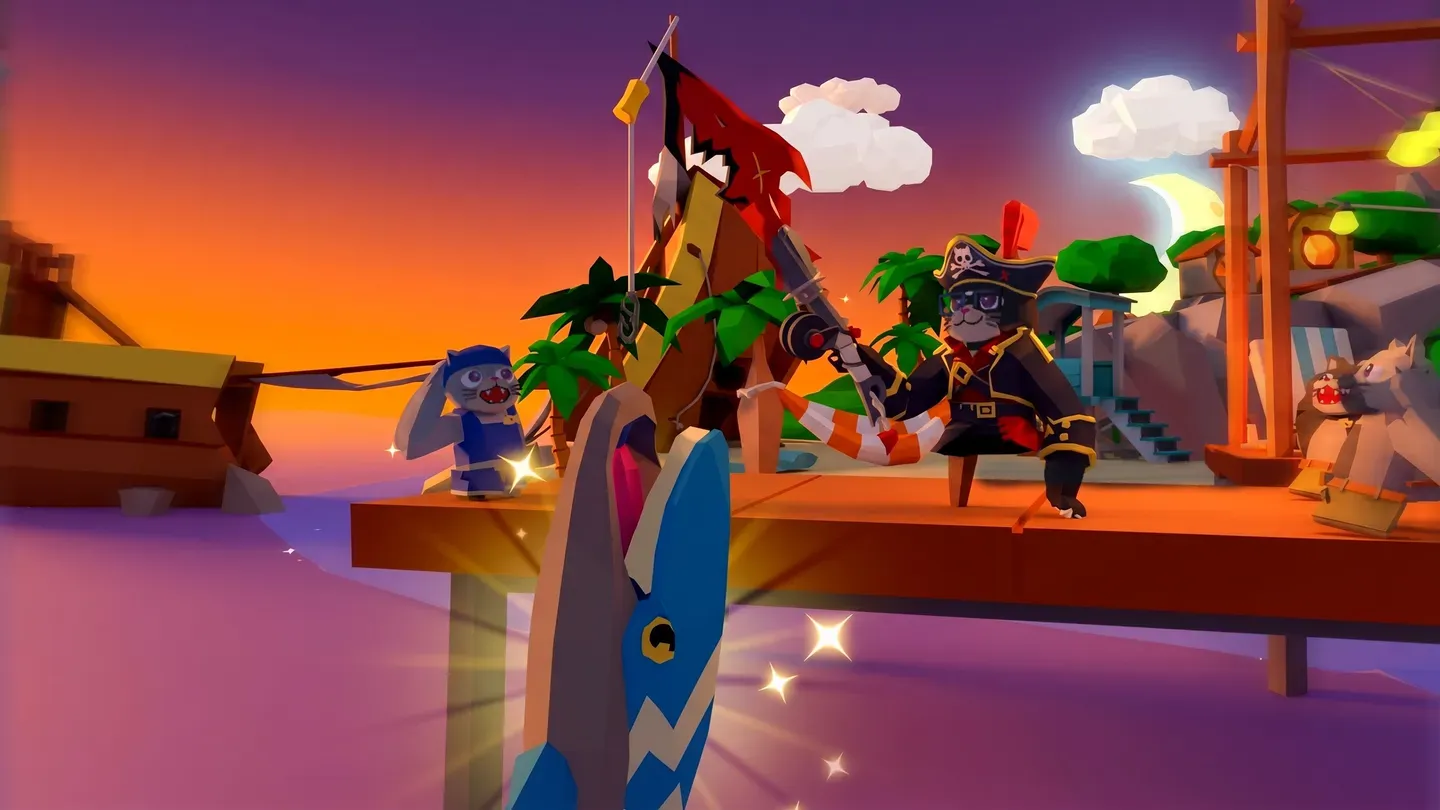
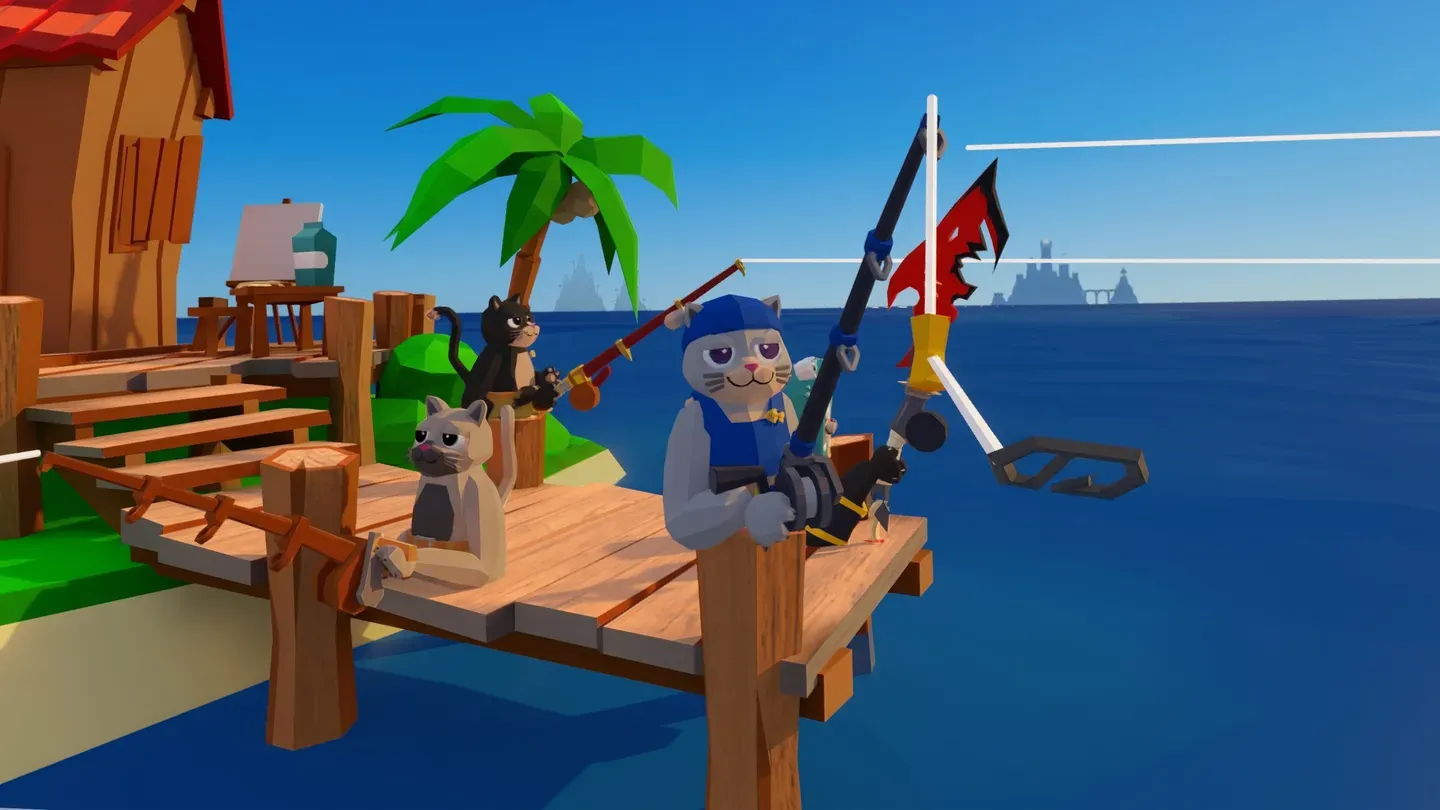
In the tightly locked and notoriously stagnant ecosystem of virtual reality marketplace charts, a new milestone has been established. It is an industry rarity for a freshly launched title to aggressively claw its way into the top ten best-selling lists on major VR platforms without the backing of a catastrophic, loss-leader discount sale. Yet, that is precisely what developer and publisher Enver has achieved with its latest release, Fishy.
Debuting officially on October 15, the massively multiplayer online (MMO) fishing experience has captured the attention—and disposable income—of the VR community. Fishy has successfully surged into the number ten spot on the Meta Horizon store’s weekly ‘Top Selling’ charts. In doing so, it achieved what many thought impossible: it displaced Wooster Games’ heavyweight juggernaut, Animal Company, bumping the social favorite down into the eleventh slot.
This localized upset is more than a fleeting moment of glory for a single indie project; it marks a watershed moment for its creator. With the early and aggressive commercial success of Fishy, Enver now commands an unprecedented three out of the ten slots on the Meta Quest top-selling leaderboard.
This triple-crown dominance includes:
- Fishy (The newly launched MMO fishing breakout hit)
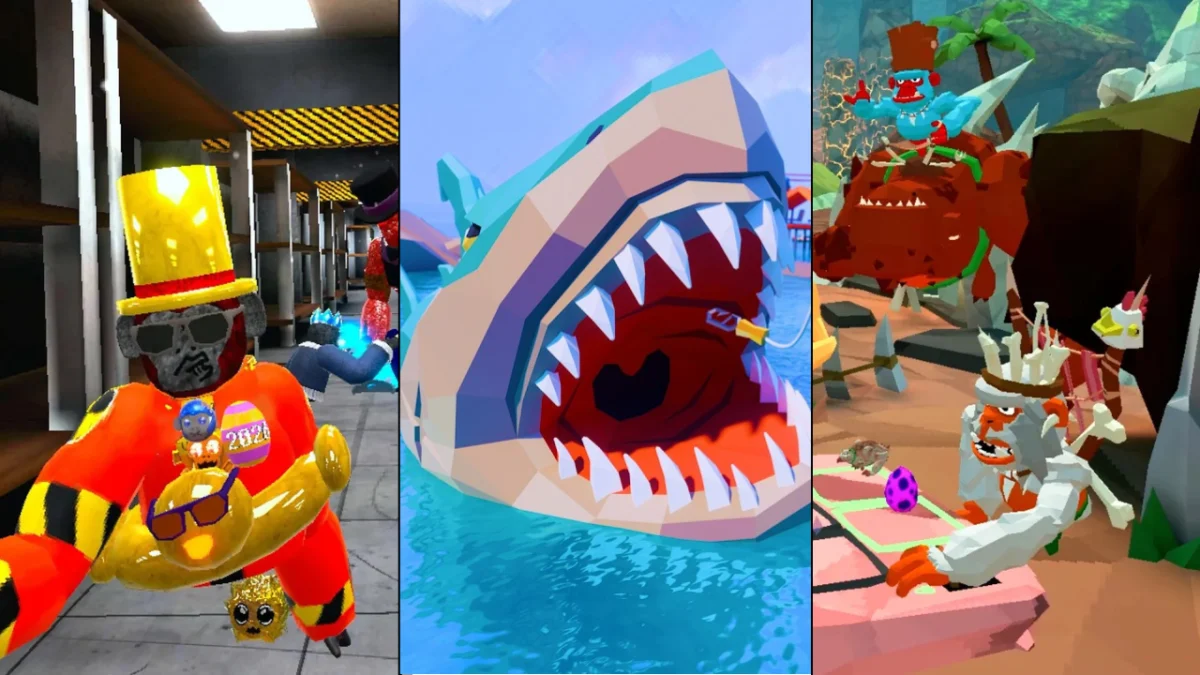
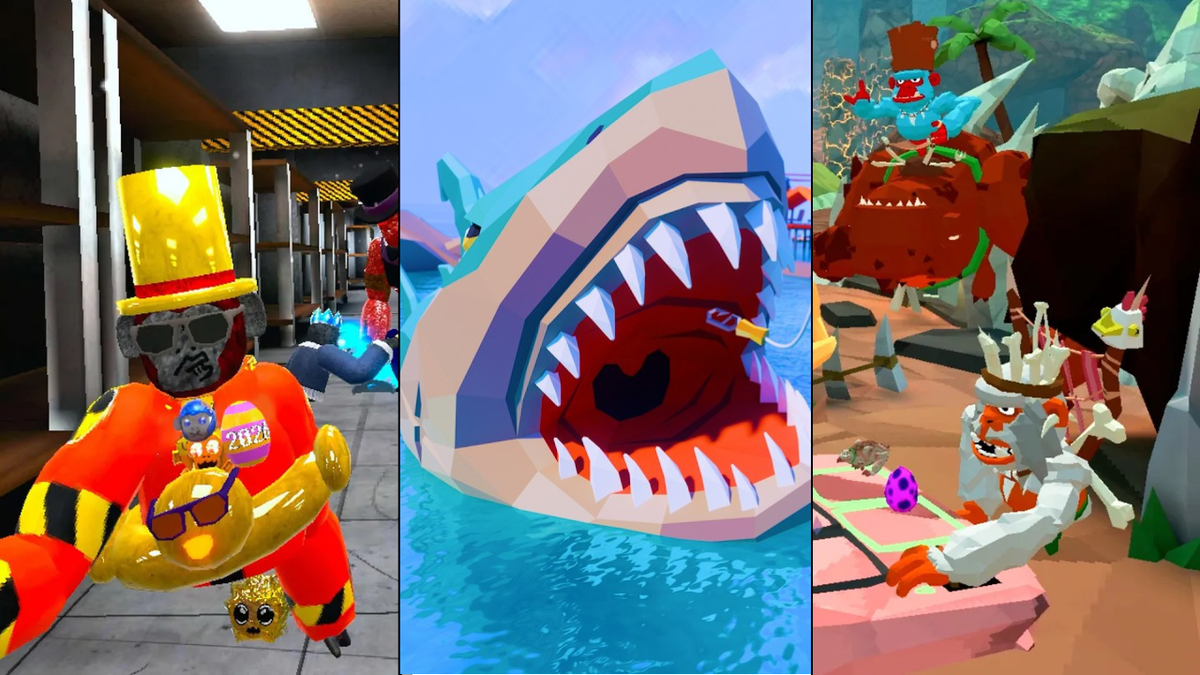
- Scary Baboon (Enver’s own enduring multiplayer viral hit)
- UG (ContinuumXR’s caveman sandbox, a title heavily funded and marketed through Enver’s strategic publishing arm)
The feat puts Enver into an elite pantheon of VR developers capable of cross-pollinating audience retention across multiple live-service projects simultaneously—a feat previously achieved only by industry veterans like Owlchemy Labs with Job Simulator and Vacation Simulator, and New Folder Games with I Am Cat and I Am Security.
Chronology: A Timeline of Platform Dominance and Industry Shifts
To understand the magnitude of Enver’s current market coup, one must look closely at the temporal context of VR storefront updates and historical chart movements.
The Weekly Rhythm of Storefront Checks
For data analysts and industry observers, tracking storefront movements is a ritualistic exercise in patience. Weekly checks on the Meta Horizon store, monthly reviews of the PlayStation Blog for PS VR2 downloads, and bi-weekly scans of the Valve Hardware Survey for PC VR trends usually yield static results.
Historically, digital storefront charts on standalone VR platforms change for only two reasons:
- Major platform-wide seasonal sales (such as the infamous summer 2024 Max Mustard 90% discount blitz).
- Blockbuster AAA or high-profile hybrid ports (such as Alien: Rogue Incursion surging to the top of the PlayStation VR2 charts earlier this year).
Organic, full-price climbing outside of these artificial catalysts is exceptionally rare.
Timeline of Enver’s Ascendancy and Key 2026 Milestones
- Early 2026: Enver and Trass Games (developer of top-ten fixture Yeeps) formalize a joint financial and publishing initiative to fund a new wave of social VR projects, building directly upon the financial windfall and foundational success of the caveman sandbox title, UG.
- September 2026: New Folder Games cements its cross-platform status as I Am Cat takes the crown as the number one downloaded game for the PlayStation VR2 for the month.
- October 1 to October 14, 2026: The Meta Horizon top-selling charts remain defensively locked, populated primarily by entrenched free-to-play titles and older live-service stalwarts. Concurrently, chaotic prison comedy sandbox Bad Inmate announces and pushes toward its early October release window.
- October 15, 2026: Fishy officially launches on the Meta Horizon store, immediately entering a high-velocity acquisition phase among standalone VR users.
- Late October 2026: Within days of release, Fishy breaches the top ten, unseating Animal Company, securing Enver’s third concurrent spot in the coveted leaderboard, and prompting a broader industry conversation about organic chart volatility.
Supporting Data: Navigating the Quest Store Ecosystem
An analysis of the current Meta Quest top-selling ecosystem reveals a stark dichotomy between free-to-play (F2P) monetization strategies and traditional premium software sales.
The Free-to-Play Landscape vs. Premium Consistency
The Quest store is frequently subjected to a weekly influx of low-barrier, free-to-play content—derisively termed "slop" by community critics. Yet, despite this high-volume noise, the top tier of the charts has proven stubbornly resilient.
At the apex of the current charts sits SigmonVR’s Hero x Hero, a free-to-play action-shooter that commands the number one overall slot. Aside from Hero x Hero and the newly arrived Fishy, the rest of the 2026 release slate is remarkably sparse on the overarching top-selling list.
Filtering the Data: Paid Charts and Bad Inmate
Because free-to-play titles artificially skew download-based metrics, industry analysts regularly filter out zero-dollar software to evaluate the health of the paid VR ecosystem. Much like the overall charts, the paid top ten rarely experiences tectonic shifts.
However, the launch of Bad Inmate—a chaotic, physics-driven prison break comedy sandbox—broke this stagnation. Released earlier in October, Bad Inmate successfully carved out a space in the paid top ten, debuting strongly at number five.
When placed alongside historical benchmarks—such as New Folder Games managing dual charting with I Am Cat and I Am Security, and Owlchemy Labs’ storied legacy—Enver’s current statistical footprint indicates a seismic shift in how indie publishers can sustain momentum across multiple concurrent titles.
Official Responses and Industry Perspectives
While direct corporate press releases regarding minor weekly chart movements are rare, the strategies employed by Enver and its publishing partners speak volumes about their operational ethos.
Speaking on previous joint-funding initiatives, leadership from both Enver and Trass Games emphasized a community-first approach to social virtual reality. By utilizing the profits generated by breakout titles like UG and Scary Baboon, the collective has actively insulated itself from traditional venture capital volatility. Instead, they rely on a self-sustaining ecosystem of player-driven social interaction and continuous content updates.
Independent developers within the ecosystem have privately noted that Fishy benefits from a rare blend of low-friction multiplayer mechanics and meme-worthy social loops—a formula that has increasingly become the holy grail for standalone VR platforms. By leaning heavily into cooperative, casual multiplayer dynamics rather than overly complex, high-fidelity single-player narratives, Enver has successfully captured the demographic that drives daily Quest active usage.
Implications: What Enver’s Triple Crown Means for the Future of VR Publishing
The sudden, organic rise of Fishy and Enver’s subsequent capture of three top-ten positions carry profound implications for the virtual reality industry at large.
1. The Death of the Single-Hit Wonder Model
Historically, indie VR development has been a high-risk gamble defined by the "single-hit wonder" phenomenon. A developer launches a successful title, struggles to sustain player retention once the novelty wears off, and faces immense financial pressure on their sophomore effort.
Enver’s portfolio approach—interlocking Scary Baboon, UG, and now Fishy—proves that cross-promotion and shared ecosystem branding can keep older titles relevant while funneling users into brand-new releases. When a user logs on to play ScaryBaboon, they are within the promotional pipeline for Fishy, creating an organic cross-pollination loop that traditional advertising budgets struggle to replicate.
2. The Resurgence of Social and Sandbox Mechanics
The dominance of Fishy, alongside titles like Animal Company and Yeeps, highlights a fundamental truth about modern standalone VR usage: hardware owners want shared social spaces, emergent physics sandboxes, and low-stress multiplayer gameplay. Traditional narrative-driven campaigns, while critically acclaimed, struggle to maintain the long-tail chart velocity of social sandboxes. Developers looking to crack the top ten without a 90% discount sale would do well to study Enver’s blueprint of community-centric multiplayer design.
3. A Blueprint for Indie Publisher Collectives
The collaborative financial models pioneered by Enver and Trass Games offer an alternative to traditional publishing gatekeepers. By pooling resources to fund multiple indie projects concurrently, these small studios are effectively acting as micro-publishers capable of weathering the unpredictable storms of digital storefront algorithms.
As the VR landscape marches deeper into hardware iterations, platforms like the Meta Horizon store and PlayStation VR2 will continue to grapple with discoverability issues. However, if Enver’s trajectory is any indication, publishers who master the art of community retention, cross-platform ecosystem building, and organic multiplayer loops will dictate the shape of virtual reality commerce for years to come.

