

Despite a rocky launch marred by server instability, Diablo 4’s latest content drop—the "Season of Hell’s Legacy"—has already sparked a community-wide scavenger hunt. While Blizzard Entertainment officially billed the season as a celebratory tribute to the franchise’s 30th anniversary, the player base has quickly realized that the developer hid far more under the surface than the patch notes suggested.
By integrating classic Diablo 2 mechanics into the modern Diablo 4 engine, Blizzard has shifted the seasonal meta from a "solved" experience to one defined by exploration and communal discovery.
The Nostalgia Offensive: Revisiting the Prime Evils
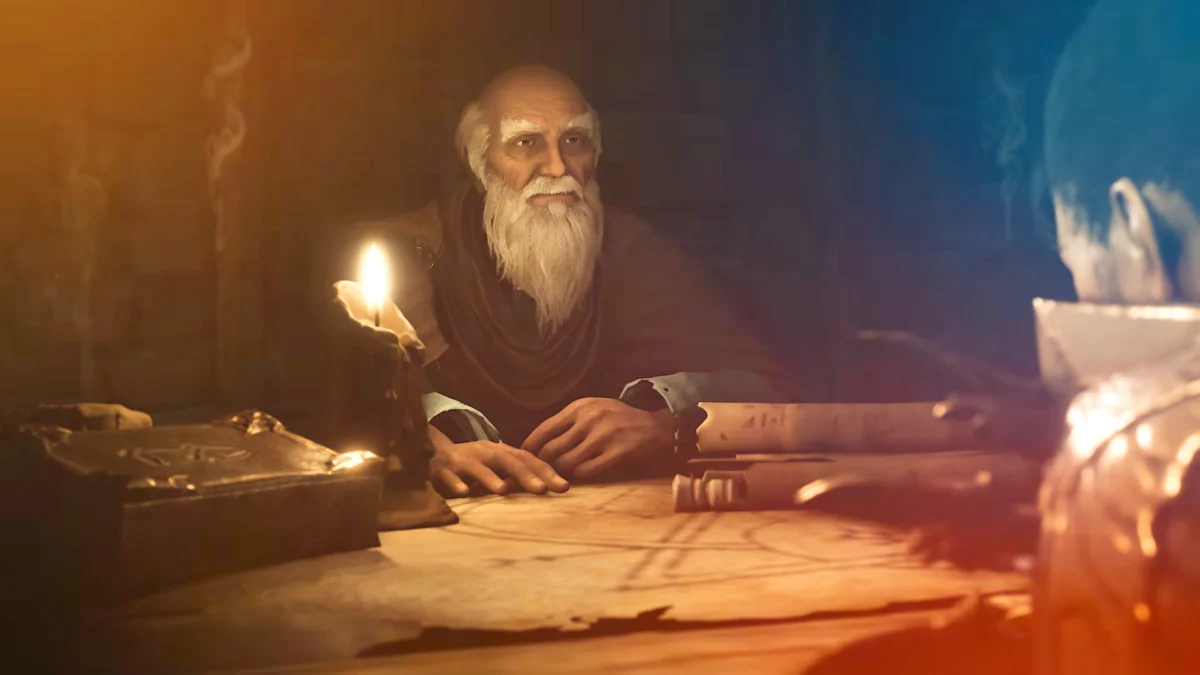
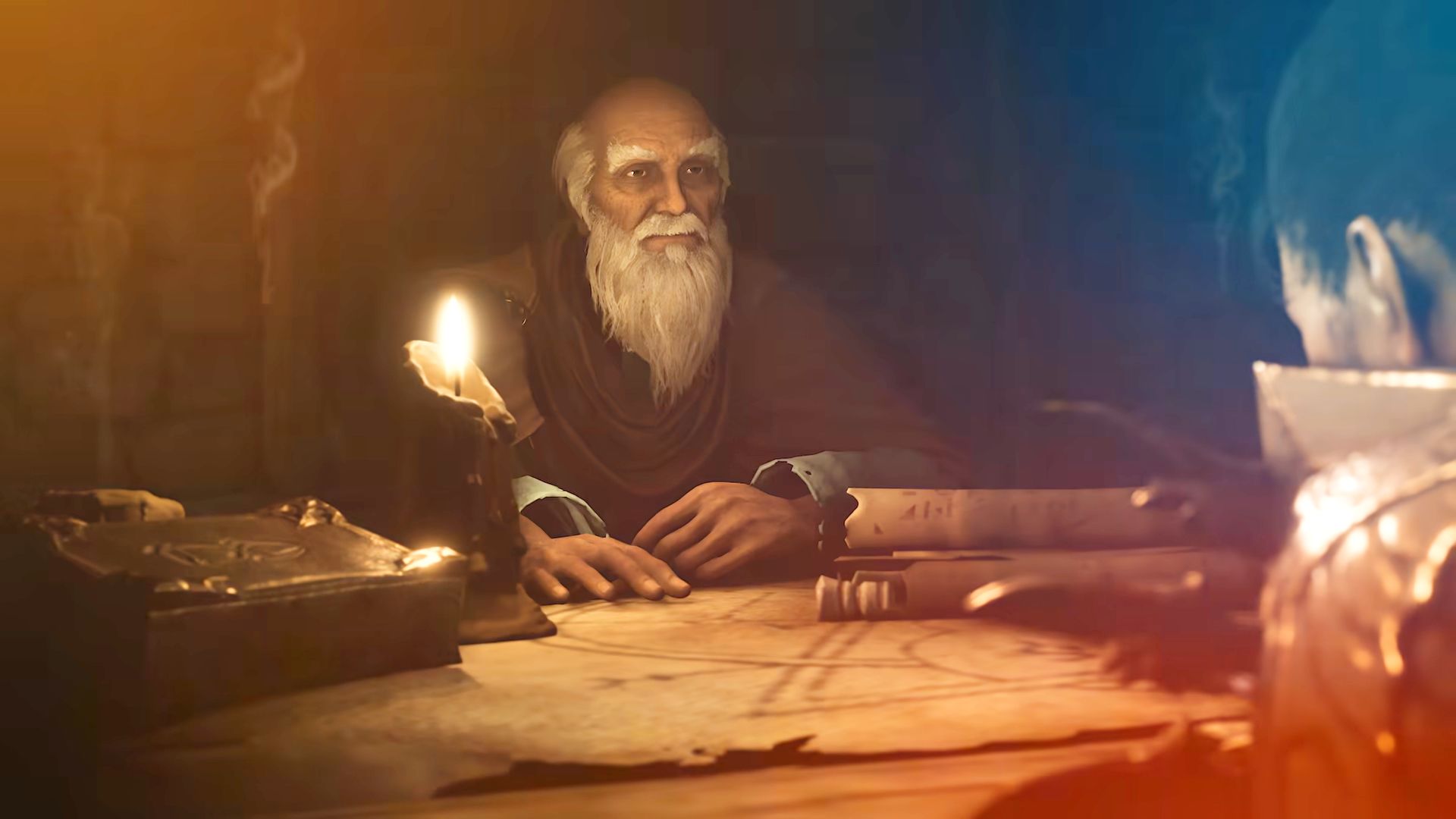
The "Season of Hell’s Legacy" was marketed primarily on its sentimental value. As the series marks three decades of dungeon-crawling, Blizzard has brought back the faces that defined the dark fantasy genre in the late 90s and early 2000s. The seasonal narrative features an ethereal return of Deckard Cain, appearing to the player in a dream-like state, and pits adventurers against updated, high-fidelity versions of the Prime Evils: Diablo, Baal, and Mephisto.
Each of these encounters has been meticulously reworked, not just in terms of visual fidelity, but in mechanical complexity. They utilize reimagined versions of their classic attack patterns, demanding that players adapt their modern Diablo 4 builds to counter the specific threats that terrorized Sanctuary years ago. However, beneath this polished veneer of nostalgia, players discovered a much deeper mechanical overhaul involving the game’s itemization systems.
Chronology of a Discovery: From Login Queues to Rune Secrets
The discovery of the season’s "hidden" content began almost immediately following the server stabilization. As players fought through the initial connection bottlenecks, the community began to probe the limits of the new Rune system.
The Breakthrough
The catalyst for this discovery was the Twitch streamer Dioxide, who managed to bypass the initial server congestion. While experimenting with the new Runes—items traditionally used for passive gear enhancements—Dioxide stumbled upon a peculiar interaction at the Horadric Cube.
By combining two specific Runes with a low-quality chestpiece, the interface displayed a cryptic "???" prompt instead of a standard recipe. When the transmute button was pressed, the output was the "Stealth" chestpiece—a legendary item iconic to Diablo 2.
The Community Scramble
Following the broadcast, the community went into a frenzy. Theories began circulating across Reddit, Discord, and community forums. Players began testing various combinations of Runes and base items, confirming that Blizzard had silently introduced a crafting system that mirrors the classic Rune Word logic from the franchise’s past.
The Whimsyshire Hint
The discovery process hasn’t stopped at Rune Words. A recent trailer released by Blizzard contained a fleeting, ominous glimpse of a teddy bear, which eagle-eyed fans immediately identified as a precursor to Diablo 3’s "Whimsyshire" level. As of this writing, the community is actively searching for the key components to unlock this hidden realm, mirroring the intensive, collaborative research that historically defined the search for the legendary "Secret Cow Level."
Supporting Data: Why Rune Words Matter
In Diablo 2, Rune Words were the backbone of character progression. The ability to craft specific items by socketing runes in a particular order defined the end-game experience.
In Diablo 4, the implementation of the "Stealth" armor provides a fascinating look at how Blizzard is attempting to modernize these classic systems:
- The Recipe: The creation of the Stealth armor requires the exact Rune sequence utilized in the original Diablo 2 recipes.
- Itemization Shift: While the raw statistics have been rebalanced to suit the power curve of Diablo 4, the item remains significantly more potent than standard Unique items. It carries two additional stat lines compared to its contemporaries, making it a "must-have" for early-to-mid-game efficiency.
- The Meta Impact: This change has fundamentally altered how players view "junk" items. Low-quality base items, previously considered vendor trash, are now being hoarded as potential crafting components, signaling a massive shift in the seasonal economy.
Official Responses and Developer Philosophy
Blizzard has been remarkably quiet regarding the specifics of these hidden mechanics. This silence is intentional, aligning with the developer’s recent strategic pivot regarding how information is disseminated to the player base.
Since the launch of the Lord of Hatred expansion, the development team has shifted toward a "discovery-first" philosophy. Rather than outlining every feature in the patch notes, Blizzard has begun leaving breadcrumbs for the community to find. This approach was pioneered during the search for the Diablo 4 "Cow Level," where the developers provided subtle clues through environmental storytelling and item descriptions rather than direct instructions.
By keeping the community in the dark, Blizzard is attempting to cultivate a sense of mystery that has been largely absent from the live-service era of gaming, where wikis and data miners typically strip away the veil of mystery within hours of a patch going live.
Implications: The Future of Seasonal Content
The introduction of these hidden, community-driven secrets has profound implications for the future of Diablo 4.
Solving the "Solved" Game Problem
For years, the critique of modern ARPGs has been that they feel "solved" before the season even begins. Players follow pre-written guides, optimize their paths to 100, and farm the same items in the same dungeons. By hiding recipes and secret areas, Blizzard is forcing the community to interact with the game in an organic, non-linear way.
Strengthening Community Bonds
These secrets act as a social lubricant for the player base. When a secret is found, it is shared, verified, and debated across platforms. This fosters a collaborative environment where players are incentivized to share their findings rather than hoard them, effectively turning the game into a massive, global puzzle.
A Return to Mystery
There is a specific, intangible quality to the mystery of the original Diablo titles that Blizzard is clearly attempting to recapture. Whether it is the cryptic nature of the Horadric Cube or the obscure requirements for hidden levels, this design philosophy respects the player’s intelligence and curiosity.
If Blizzard continues this trajectory, future seasons may move away from being simple "content updates" and toward being "events" that require the collective brainpower of the entire Diablo community to fully unravel.
Conclusion: The Path Ahead
As the "Season of Hell’s Legacy" continues, the excitement surrounding these secrets serves as a testament to the enduring appeal of the Diablo franchise. Blizzard has successfully managed to bridge the gap between modern, polished gameplay and the old-school, enigmatic design that made the series a legend in the first place.
For now, the players remain in the hunt. Whether it is uncovering the next tier of Rune Word recipes or finally finding the path to the rainbow-soaked horrors of Whimsyshire, the Diablo 4 community is more engaged than it has been in months. In a market saturated with predictable content drops, Blizzard’s choice to prioritize the "unknown" is not just a clever marketing ploy—it is a reminder that the best gaming experiences are often the ones that require us to look a little closer at the shadows.
As we look toward the remainder of the season, one thing is certain: the true power of the Horadric Cube, and the secrets hidden within the legacy of the Prime Evils, are only just beginning to surface. Players are advised to keep their eyes peeled, their runes organized, and their curiosity piqued. The gates of Hell are wide open, and for the first time in a long time, we don’t exactly know what we’ll find on the other side.

