

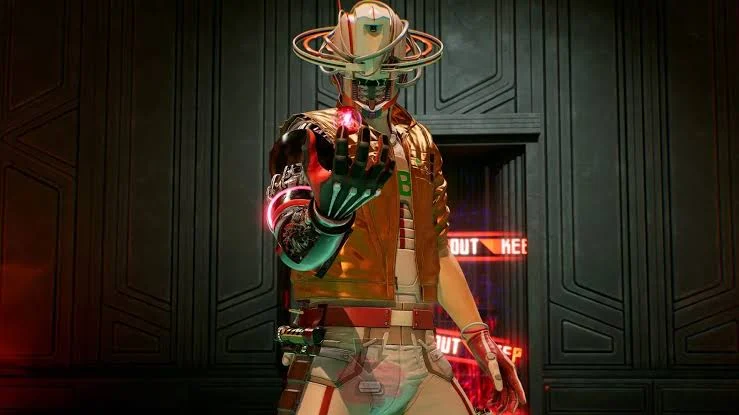
In a significant move that has sent ripples through the gaming industry, Grasshopper Manufacture—the cult-favorite studio helmed by the legendary visionary Goichi "Suda51" Suda—has officially announced its separation from NetEase Games. After three years under the umbrella of the Chinese tech giant, the Tokyo-based developer is reclaiming its independence, marking a pivotal transition in the studio’s 26-year history.
The decision, confirmed through an official press release, follows the release of the studio’s latest title, Romeo is a Dead Man. This move effectively pivots the company back to its roots as an autonomous entity, free to pursue its signature “punk” approach to game design without the strategic oversight of a massive conglomerate.
The Chronology of Independence
To understand the weight of this departure, one must look at the studio’s complex corporate lineage. Founded in 1998 by Suda51, Grasshopper Manufacture quickly established itself as a beacon of unconventional, stylistically daring game development.
- 1998–2013: The Independent Era: Grasshopper spent its formative years building its brand as an indie darling, producing titles that defied convention, including Killer7 and the early No More Heroes entries.
- 2013: The GungHo Acquisition: In a bid to scale its operations, the studio was acquired by GungHo Online Entertainment, best known for the massive success of Puzzle & Dragons. This era saw the studio continue its output under a larger corporate banner.
- 2021: The NetEase Acquisition: Eight years later, in a move designed to bolster their international development footprint, NetEase Games acquired Grasshopper Manufacture from GungHo for an undisclosed sum. This period provided the studio with substantial resources and the stability to expand its team.
- 2024: Reclaiming Autonomy: Following the release of Romeo is a Dead Man, Suda51 and his team reached an amicable agreement with NetEase to spin off, citing a desire for greater creative agility and a more diverse range of publishing options.
A Vision for the Future: Why Now?
The catalyst for this split appears to be a mix of creative necessity and newfound confidence. Suda51, in his statement regarding the separation, emphasized that the process of developing and releasing Romeo is a Dead Man provided the studio with the clarity to re-evaluate its identity.
"We found a strong desire to deliver titles in an even wider variety of styles to video game lovers everywhere," Suda wrote. This desire for stylistic range is a hallmark of the studio, which has always prided itself on refusing to be pigeonholed into a specific genre. By moving forward independently, Grasshopper Manufacture is effectively choosing creative flexibility over the structural support of a major publisher.
Furthermore, Suda noted that the studio has significantly bolstered its "self-publishing know-how" during its tenure with NetEase. In the modern gaming landscape, the ability to self-publish is a powerful asset, allowing developers to retain full control over marketing, community management, and distribution.
Supporting Data: The Grasshopper Pedigree
Grasshopper Manufacture is not merely a studio; it is a brand defined by the "Suda51" auteur signature. Throughout its existence, the studio has been characterized by its idiosyncratic storytelling, cel-shaded aesthetics, and subversive themes.
- Key Titles:
- Killer7 (2005): A surrealist, psychological action game that remains a touchstone for artistic expression in interactive media.
- No More Heroes Series: A violent, irreverent, and deeply meta-commentary on the nature of pop culture and video game fandom.
- Shadows of the Damned (2011): A collaboration with industry legends Shinji Mikami and Akira Yamaoka that cemented the studio’s penchant for "gonzo" horror-action.
- The "NO GAME NO LIFE" Philosophy: The studio’s unofficial motto, often cited by Suda, reflects a commitment to prioritizing the "gaming experience" over standardized corporate metrics. It is this philosophy that the team intends to carry forward into their next phase of independence.
Official Responses and Corporate Diplomacy
The dissolution of the partnership appears to be remarkably harmonious. Unlike many high-profile studio exits that are marred by layoffs or legal disputes, the communication from both Grasshopper Manufacture and NetEase Games is underscored by mutual respect.
Suda51 stated: "This decision was reached after thorough discussions with NetEase Games, and with their generous cooperation. We continue to cherish the amazing relationship our companies have built, and look forward to further collaboration when the opportunity arises."
NetEase, which has been aggressively acquiring and partnering with international studios to compete with global leaders like Tencent, has not indicated any animosity regarding the split. Instead, the move suggests a maturation of the relationship where NetEase provided the resources necessary for Grasshopper to modernize its operations, while Grasshopper now feels prepared to take those refined processes into a more agile, independent workflow.
Implications for the Industry
The return of Grasshopper Manufacture to independent status is a fascinating case study in the current climate of the gaming industry, which has been defined by a cycle of massive acquisitions followed by significant restructurings.
1. The "Indie-AAA" Hybrid
Grasshopper occupies a rare space: they possess the pedigree and technical maturity of a mid-sized studio but maintain the heart and creative risks of an indie developer. Their successful exit from a parent company may serve as a blueprint for other studios currently under major publishers who feel stifled by corporate mandates.
2. The Shift in Publishing Power
With the rise of digital storefronts (Steam, Epic, Nintendo eShop, etc.), the necessity of a massive publisher to handle distribution is diminishing. By honing their self-publishing skills, Grasshopper is positioning itself to capture a higher percentage of revenue and maintain tighter control over their intellectual properties—a crucial move for a studio that relies on building a cult-like fan base.
3. Future Creative Directions
Fans of the studio can likely expect a return to the experimental, high-risk projects that defined the early 2000s. Without the pressure to meet the specific revenue targets or thematic requirements of a global parent company, Suda51 is free to pursue smaller, more niche projects or significantly bolder, more "dangerous" titles that might not fit the portfolio of a major corporation.
4. Market Perception
The "independence" label carries significant weight in the gaming community. It signals authenticity. For a creator like Suda51, whose brand is built on a rebellious, punk-rock ethos, being "independent" is not just a business classification—it is a marketing strategy that resonates deeply with his core audience.
Conclusion: The Punk Spirit Prevails
As Grasshopper Manufacture begins its latest iteration, the industry will be watching closely. In an era of consolidation, where individual studio identities are often swallowed by the gargantuan machines of their parent companies, Grasshopper’s departure is a defiant act of preservation.
The studio has managed to leverage the support of a global titan to modernize its infrastructure, and now, it is choosing to walk away at the height of its administrative confidence. Whether this move leads to a new No More Heroes installment or a completely new, unhinged intellectual property, one thing is clear: the "NO GAME NO LIFE" spirit remains intact. For the fans of Suda51 and the unique, erratic, and utterly unforgettable games that come out of his Tokyo office, the future looks exactly as it should—unpredictable and entirely their own.

