


In a move that underscores the insatiable appetite Hollywood has for established intellectual property (IP), Atari—the legendary pioneer of the video game industry—has entered into a sweeping partnership with Universal Pictures and the production powerhouse Entertainment 360. The agreement, which was first reported by Deadline, grants Universal the rights to adapt ten of Atari’s most iconic, albeit abstract, gaming titles into feature-length, big-budget action-adventure films.
For many, the news is a trip down memory lane, evoking images of the Atari 2600 and the golden age of the arcade. However, for industry analysts and film critics alike, the deal raises a fundamental question: Can the minimalist, high-concept gameplay of the late 1970s and early 1980s be successfully translated into the narrative-driven, blockbuster cinema of the 21st century?
The Strategic Shift: Atari’s Rebirth
Under the leadership of chairman and CEO Wade Rosen, Atari has spent the last few years undergoing a radical transformation. Once a company struggling to find its identity in a post-modern gaming landscape—at one point famously flirting with controversial trends like NFTs and volatile cryptocurrency—Atari has pivoted toward its roots.
The company has invested heavily in the preservation of its back catalogue, acquiring esteemed studios like Nightdive and Digital Eclipse. These acquisitions have allowed Atari to treat its history with the reverence of a museum curator while simultaneously updating its classics for modern hardware. By moving away from the "zombie company" label it once earned, Atari is now positioning itself as a legitimate media powerhouse.
"For more than five decades, Atari has created games and worlds that have remained part of popular culture long after their original release," said Rosen in a statement. "We are excited to work with Universal and Entertainment 360 to bring the spirit of our iconic brand and games to a new medium."
A History of Failed Adaptations
The path from console to cinema is littered with the corpses of high-profile failures. Historically, the "video game movie" curse has been difficult to break, though recent successes like The Super Mario Bros. Movie and The Last of Us series have proven that audiences are willing to embrace gaming adaptations if they are handled with care.
However, the history of Atari-specific film projects is less promising. This is not the first time the company has attempted to break into the film industry. In 2009, Universal Pictures acquired the rights to an Asteroids film, a project that eventually drifted into development hell. Similarly, in 2016, announcements were made regarding potential adaptations of Centipede and Missile Command by Emmett/Furla/Oasis. Those projects, like the Asteroids venture before them, failed to materialize.
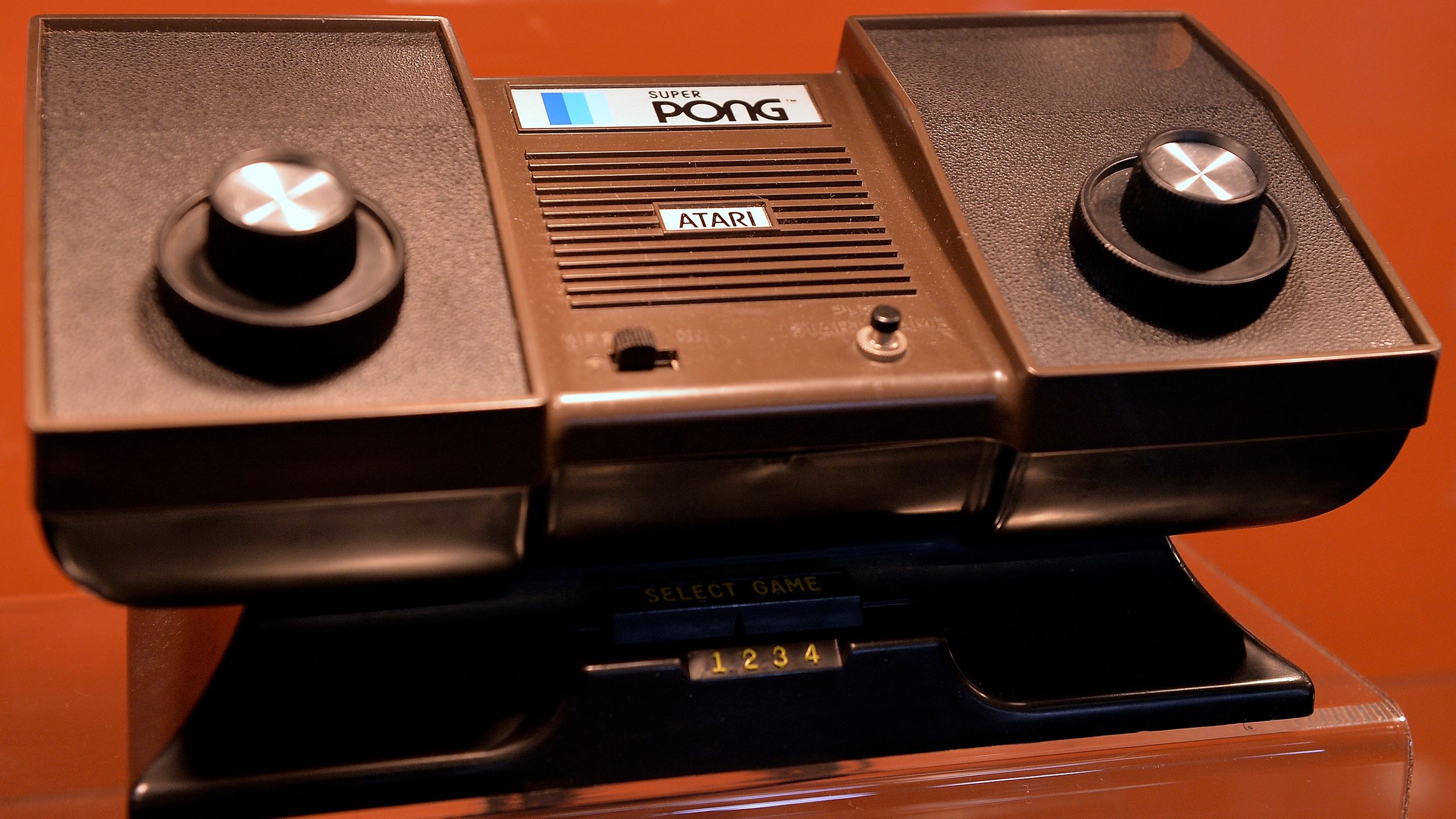
The current deal with Universal and Entertainment 360 differs in its scope and institutional backing. By securing a ten-title deal, the partners are likely looking to create a cinematic universe—or at the very least, a brand-aligned slate of films—that leverages the nostalgia of a generation that grew up with the Atari 2600.
The Narrative Challenge: From Gameplay to Script
The primary hurdle facing the writers of these films—including Carl Hampe and Matt Reilly—is the lack of traditional narrative in early Atari games. Titles like Breakout, Pong, or Centipede are defined by mechanics rather than story. They are abstract experiences: a paddle hitting a ball, or a gun turret defending a city from falling nukes.
"The best Atari games dropped you into a world and let your imagination do the rest," explained Guymon Casady of Entertainment 360. "Matt Reilly and I grew up playing Atari 2600 games and have remained fans ever since. [Hampe and Reilly] saw an opportunity to take that same spirit and build an original, large-scale adventure around it."
This approach suggests that the studio is not looking for direct adaptations of the screen-based gameplay, but rather "high-concept" action films that use the titles and aesthetic motifs of the games as a springboard for original storytelling. It is a strategy akin to the Battleship film, which took a tabletop guessing game and expanded it into a massive, sci-fi military spectacle. While Battleship was not a critical darling, it eventually found its footing, demonstrating that even the most "unadaptable" games can be force-fitted into the Hollywood blockbuster mold.
Implications for the Gaming Industry
The decision to mine the Atari catalog for film content is a symptom of a broader trend in the entertainment industry: the reliance on "known quantities." In an era where original screenplays face a steep climb to secure funding, established brands—even those with no inherent story—provide a built-in marketing hook.
However, this strategy carries significant risks. If the films are perceived as cynical cash-grabs that bear no resemblance to the games they are named after, they risk alienating both the core gaming community and general audiences who might find the branding confusing.
Conversely, if successful, these films could provide a massive revitalization for the Atari brand, turning it from a legacy gaming company into a multi-platform media entity. The current leadership at Atari has shown a keen understanding of brand value; their recent work with Digital Eclipse on the Atari 50: The Anniversary Celebration proved that there is a deep, abiding love for the company’s history. If the film projects can capture even a fraction of the thoughtful design present in their recent software releases, the results could be genuinely surprising.
What to Expect Next
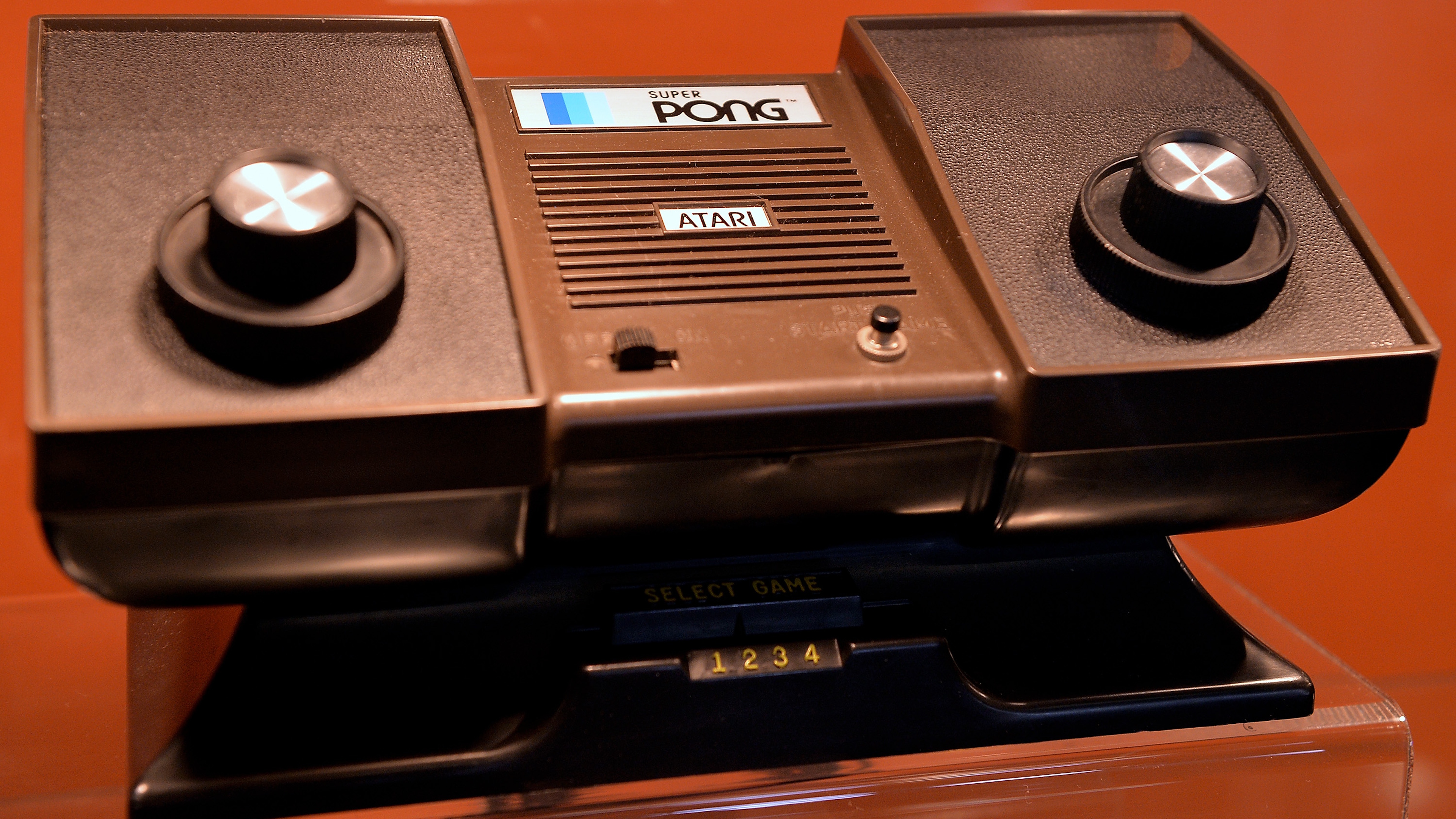
While the specific list of the ten titles remains under wraps, speculation has already begun. Asteroids, Missile Command, Centipede, and Breakout are the most likely candidates for the initial slate. The industry will be watching closely to see how the studio handles the creative direction.
Will they lean into the neon-soaked, 8-bit aesthetic of the 1980s, or will they modernize the concepts entirely? Will these films be standalone adventures, or are we looking at a interconnected franchise?
Universal Pictures has the resources to make these films look spectacular. With a stable of writers and producers now actively developing scripts, the coming months will likely reveal the tone and creative direction of the first project out of the gate.
Conclusion: A Gamble on Nostalgia
There is a fine line between a respectful homage and a hollow brand exercise. The history of gaming adaptations is filled with cautionary tales, but the landscape of cinema is changing. As the generation that grew up on Adventure and Yars’ Revenge moves into positions of creative influence in Hollywood, the barrier between the controller and the camera is thinning.
Whether this massive undertaking results in a new golden age for video game adaptations or a series of forgettable, high-budget artifacts remains to be seen. But one thing is clear: Atari is no longer content to sit on the sidelines of the digital entertainment industry. They are pushing "Start" on a new, high-stakes game—one where the rewards, and the risks, are far greater than a high score on a CRT screen.
For now, fans are left to wait, speculate, and hope that whatever emerges from this partnership honors the legacy of a company that, for many, was the very beginning of it all. Whether the final product is a triumph or a disaster, it will undoubtedly be a fascinating experiment in the power of nostalgia in the 21st century.

