

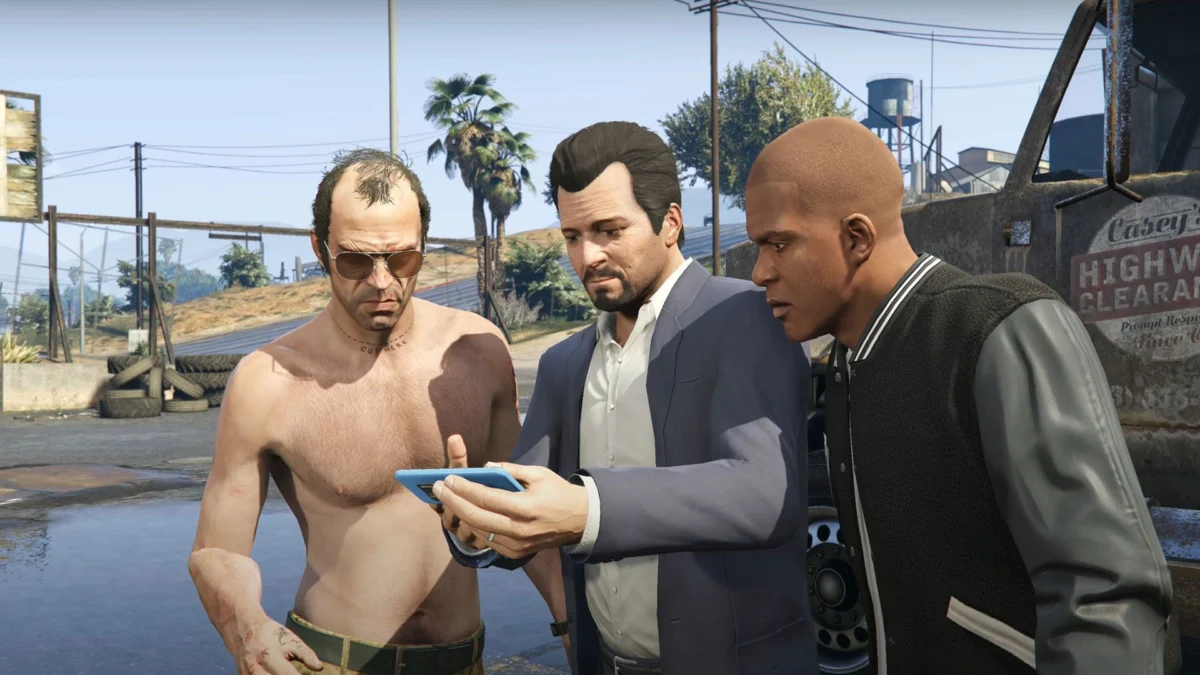
For over a decade, the relationship between Steven Ogg—the powerhouse actor behind the volatile, unforgettable Trevor Philips in Grand Theft Auto 5—and the franchise that made him a household name has been, at best, complicated. For years, fans observed a palpable distance between the actor and the game. Ogg frequently appeared to sidestep questions about the series, leading to persistent, if largely unfounded, rumors that he held a personal distaste for the character or the culture surrounding the game.
However, the narrative has shifted dramatically. In a series of recent, candid livestreams alongside his former co-star Ned Luke, who portrayed the weary protagonist Michael De Santa, Ogg has not only shed his defensive stance but has begun to openly express curiosity and even excitement for the upcoming Grand Theft Auto 6. This pivot marks a significant turning point in the actor’s public persona and offers a fascinating look at how the creative minds behind digital masterpieces process their work long after the cameras—and motion capture suits—have been packed away.
The Main Facts: A Change of Heart on Screen
The recent development surfaced during an episode of "The Final Mission," the ongoing livestream series hosted by Ned Luke. The show, which features the actors playing through the chaotic world of GTA 5 while reminiscing about their development experiences, has become a hotbed for fan discourse.
During their latest broadcast, Ogg surprised viewers by moving beyond his usual avoidance of future franchise installments. He actively engaged in a discussion about GTA 6, suggesting that he and Luke should collaborate on streaming the new title once it hits the market. "We should also do this with the new one, when the GTA 6 comes out," Ogg remarked, his tone shifting from dismissive to intrigued. "Because, obviously, it’s gonna be so different, and talking about the animation, and… it’d be kind of fun."
This is a stark departure from February 2025, a period defined by a flurry of public comments in which Ogg felt compelled to address the "hater" narrative. At that time, he explicitly denied harboring any malice toward the series or his iconic role, yet he maintained a firm boundary: he was not a gamer, and he had no intention of playing the sequel. Today, that boundary has softened into a collaborative curiosity, hinting that Ogg may finally be ready to embrace the legacy of the franchise he helped build.
Chronology: A 13-Year Journey of Detachment and Reconnection
To understand the significance of this moment, one must look at the timeline of Ogg’s involvement with the Grand Theft Auto universe.

- 2013–2015: The Peak of the Phenomenon. Upon the release of GTA 5, Ogg became an overnight sensation. His performance as Trevor was lauded for its unhinged authenticity. However, the intensity of the role seemed to create a professional distance. Ogg, an actor with a diverse theater and television background, was eager to avoid being typecast solely as a virtual criminal.
- 2016–2022: The "Silent" Years. As GTA Online continued to break industry records, Ogg’s involvement in franchise-related events became sporadic. He often seemed to treat the game as a distant professional memory, focusing instead on his roles in major television productions like The Walking Dead and Better Call Saul.
- 2023–2024: The Rising Tension. During this period, internet discourse grew toxic, with some fans accusing Ogg of "hating" the game. Ogg occasionally pushed back, clarifying that he simply did not play video games—a fact that was often misinterpreted by fans as an act of disrespect toward the source material.
- February 2025: The Firm Denial. A period of intense speculation saw Ogg explicitly state that he would not be participating in the GTA 6 hype cycle, citing his lack of personal interest in gaming as a hobby.
- Late 2025: The Turning Point. The recent "Final Mission" livestreams represent the current status quo: a thawing of relations where the actors are actively celebrating the history of their project while looking toward the future of Rockstar Games’ flagship series.
Supporting Data: The Power of Nostalgia and Co-Star Dynamics
The chemistry between Steven Ogg and Ned Luke serves as the primary catalyst for this change. It is clear that the collaborative nature of their current streaming project has provided a safe space for Ogg to process his connection to GTA 5.
Data from the livestreams suggests that fan engagement spikes significantly when the two actors discuss the technical evolution of the series. Ogg’s comments regarding the "animation" in GTA 6 reveal an actor’s appreciation for the medium’s progress. Having spent years in the motion capture booth, he understands the grueling nature of the performance capture process. His curiosity about how the GTA 6 actors are handling the workload is not just fan chatter; it is the professional interest of a peer.
Furthermore, the dynamic during their livestreams is revealing. In a particularly lighthearted exchange, Ogg probed Luke about whether he was "in touch" with Rockstar Games regarding the new title. Luke’s nervous laughter and deflective humor—"I can tell you, but then I’d have to kill you"—highlight the secretive culture that surrounds Rockstar’s development pipeline. This playful, "insider-versus-outsider" banter creates a narrative bridge that allows Ogg to participate in the excitement of GTA 6 without having to be an active part of the development cycle.
Official Responses and Industry Context
Rockstar Games has maintained its typical radio silence regarding the involvement of former voice actors in future projects. Historically, Rockstar prefers to utilize new talent for each installment to ensure the world feels fresh and distinct.
However, industry analysts suggest that the "Trevor-Michael" streaming series has inadvertently become one of the most effective marketing vehicles for the franchise. By keeping the legacy characters relevant, these actors are helping maintain the cultural cachet of the series. When Ogg expresses interest in the new title, it validates the anticipation felt by millions of players.
The industry at large has also taken note of the shift. The "13-year gap" between GTA 5 and GTA 6 is a point of concern for investors and fans alike. Recent statements from Take-Two Interactive and Rockstar have suggested that the infrastructure, tools, and talent pipeline established during the GTA 5 and Red Dead Redemption 2 era will allow them to produce content more efficiently moving forward. Ogg’s realization that the next game will be "so different" aligns with the company’s internal messaging regarding their technological leap.
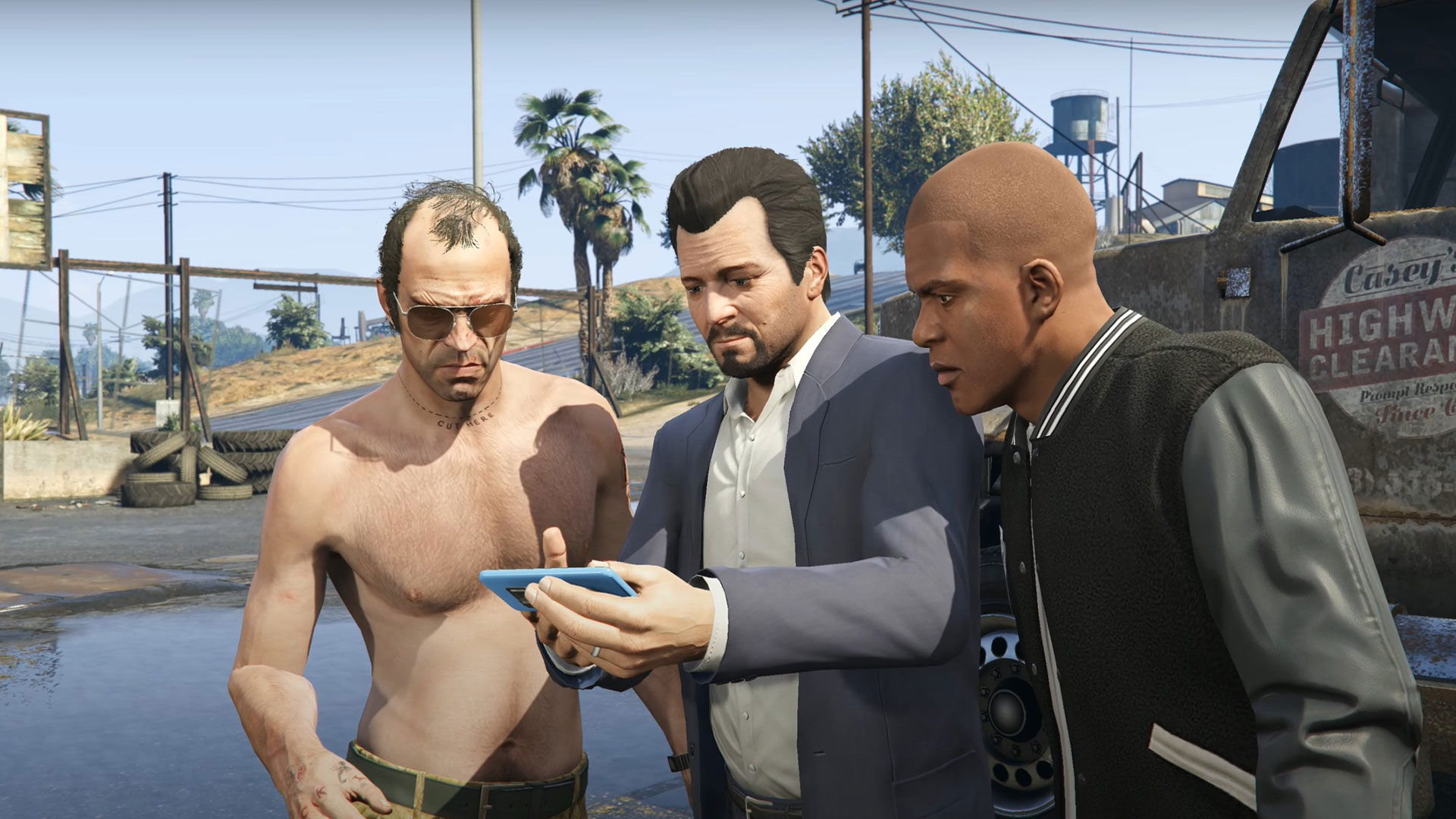
Implications: What This Means for the Future
The implications of Ogg’s change of heart are twofold.
First, for the Grand Theft Auto community, it serves as a "seal of approval." There is a subset of the fanbase that felt Ogg’s perceived detachment was a slight against the game. By embracing the upcoming release, he is effectively bridging the gap between the "old guard" and the new generation of players. It suggests a future where the actors behind these iconic roles act as custodians of the franchise’s history, rather than figures trying to distance themselves from it.
Second, for Ogg himself, this shift represents a maturation of his relationship with his own work. Actors often struggle to reconcile their personal identity with characters that have become global icons. By leaning into the humor and the absurdity of his role—and the franchise at large—Ogg is demonstrating a newfound comfort with his place in gaming history.
As the release date for GTA 6 approaches, the sight of Trevor and Michael (or at least, the men who brought them to life) discussing the game with genuine enthusiasm will likely become a recurring highlight for the community. Whether or not Ogg actually plays the game is becoming increasingly irrelevant; the fact that he is willing to be part of the conversation is, in itself, a victory for the fans and a testament to the enduring, gravitational pull of the Grand Theft Auto universe.
The story of Trevor Philips is far from over—not because the character will return, but because the man who gave him his voice has finally decided that the story is worth talking about.

