

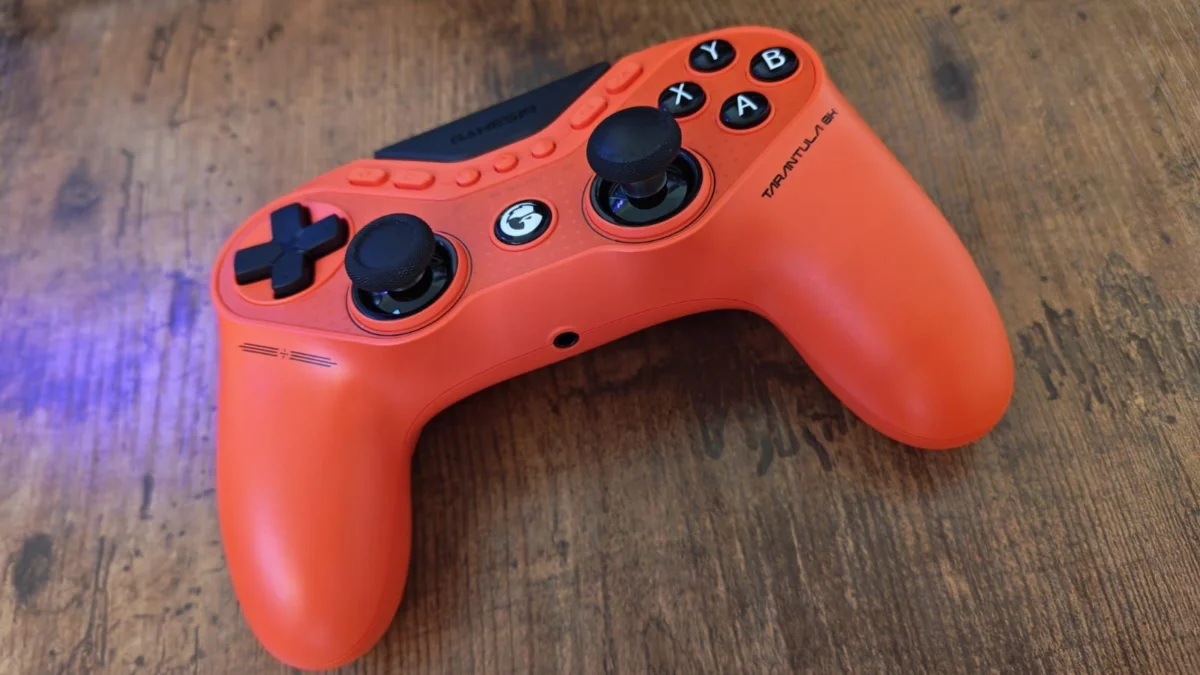
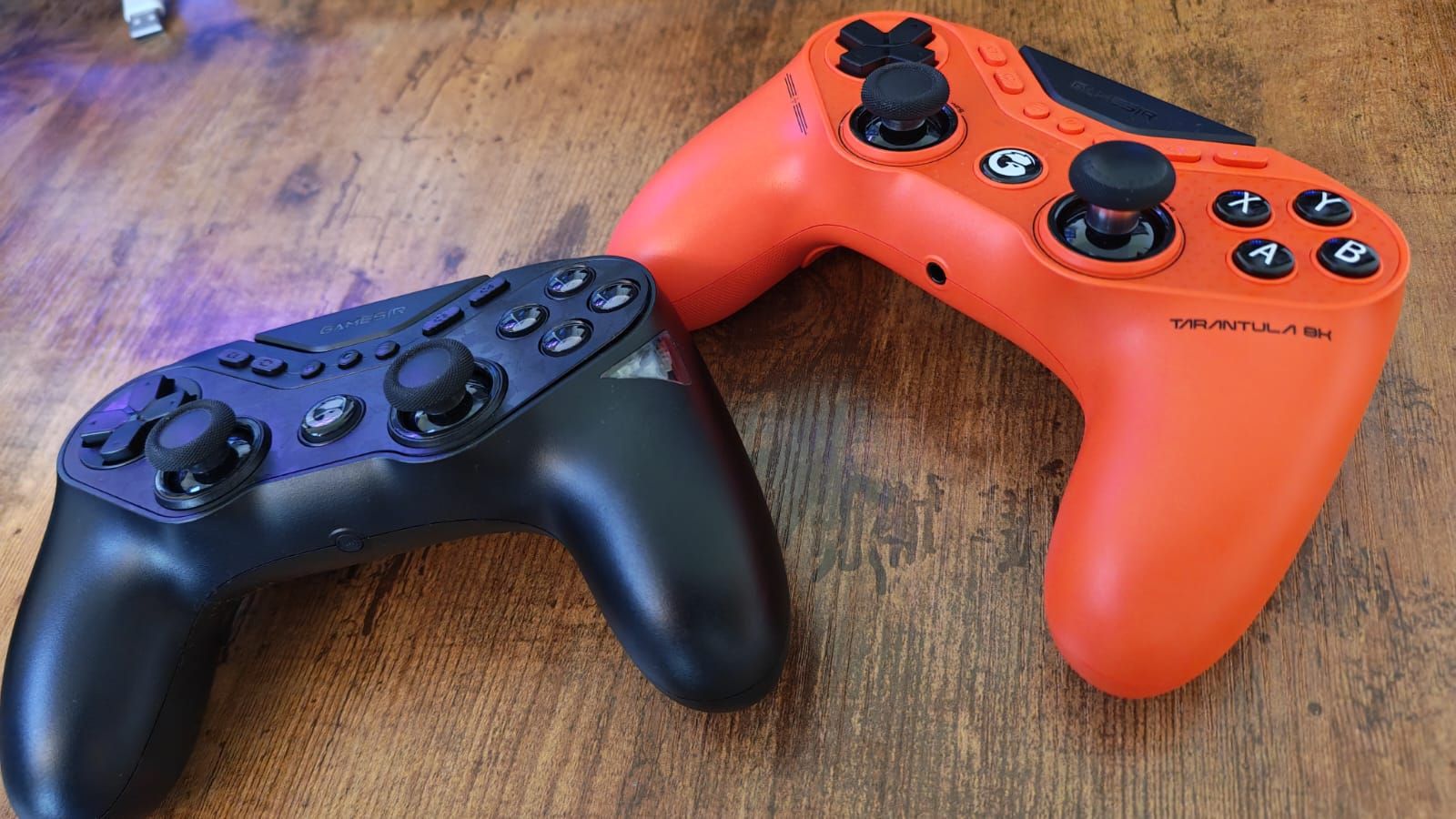
When GameSir initially pulled its beloved Tarantula Pro from the market, it left a noticeable void in the gaming accessory landscape. For a peripheral reviewer who encounters dozens of new gamepads every month, the original Tarantula Pro stood out. Borrowing heavily from the ergonomic blueprint of the classic PlayStation DualShock 4, it offered a comfortable, versatile, and symmetrical shape that felt like the ultimate "Pro" evolution of Sony’s legacy design.
Now, GameSir has resurrected the line with a brand-new lineup featuring advanced Gen 2 MagRes Tunnel Magnetoresistance (TMR) thumbsticks, clicky microswitches, two extra top shoulder buttons, and a blistering 8,000Hz polling rate. However, the iteration sent to test benches—the striking blood-orange PC model priced at £79.99 / $69.99—comes with a few unexpected design regressions. By dropping wireless connectivity and internal rumble motors in pursuit of an ultralight eSports frame, GameSir has crafted a hyper-specialized peripheral that leaves fans of the original wondering if this sequel went a step too far.
The Evolution of a Fan Favorite: Main Facts and Chronology
The journey of the Tarantula series has been a curious one. The first-generation Tarantula Pro captured the hearts of casual and hardcore gamers alike due to its organic, familiar feel and an included charging dock that made couch gaming effortless. Earlier this year, anticipation peaked when GameSir announced the return of the symmetrical TMR controller line as a multi-tier product range.
The strategy included three distinct variants:
- An officially licensed Xbox variant (White): Built with asymmetrical layouts tailored for Microsoft’s ecosystem.
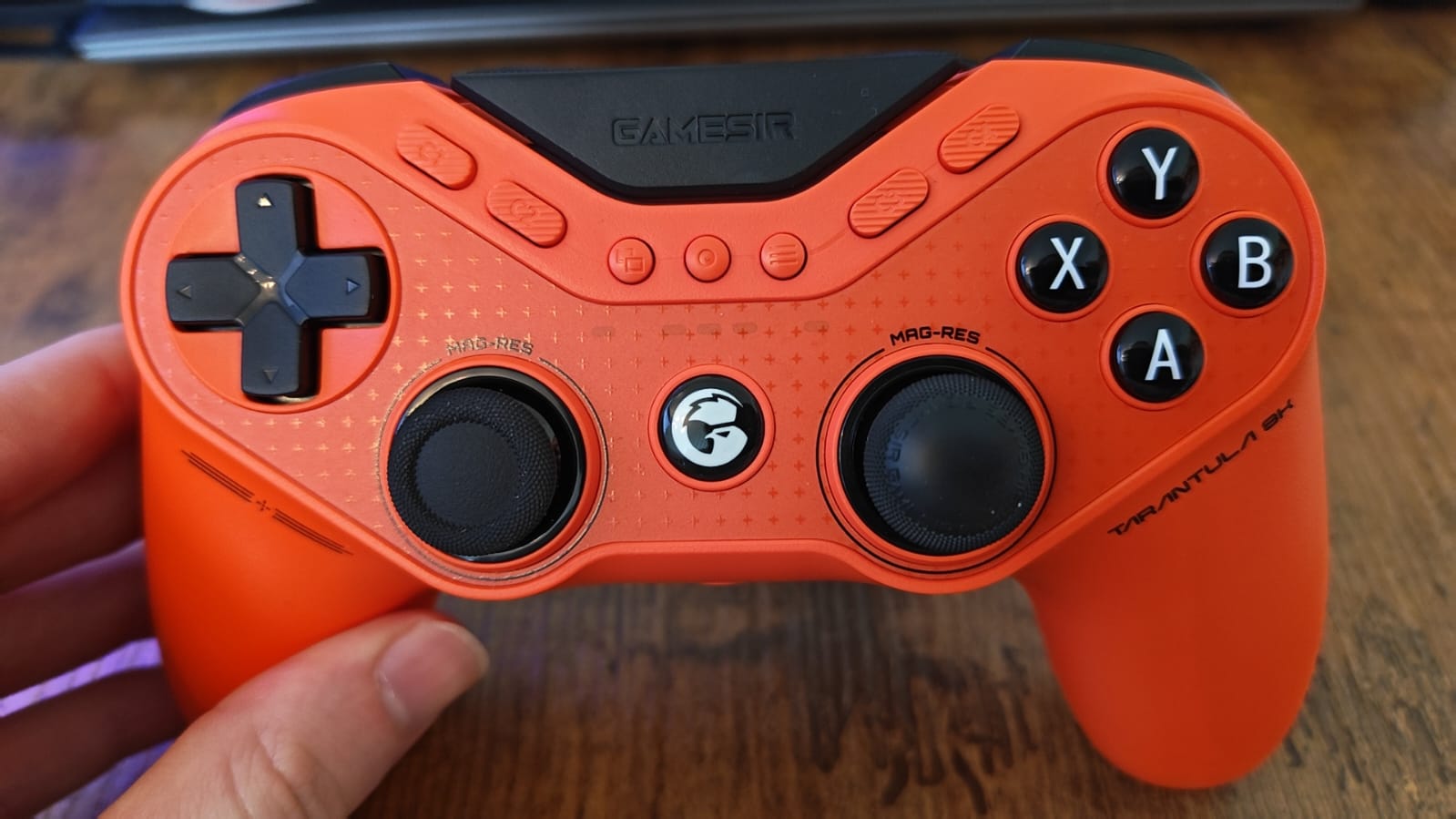
- The 8K PC Model (Blood Orange): A wired-only, ultra-responsive peripheral stripped of rumble motors to achieve a lightweight framework.
- The "Ultra" PC Model (Pending): A promised flagship version combining wireless connectivity, vibration feedback, and an 8K polling rate.
Unfortunately, while the Xbox and 8K PC models have successfully launched, the elusive "Ultra" version remains missing in action. For testers holding out for a direct, feature-complete wireless successor to the original Tarantula Pro, the currently available 8K PC edition forces an immediate compromise.
Design and Ergonomics: Familiar Comfort Meets Lightweight Compromises
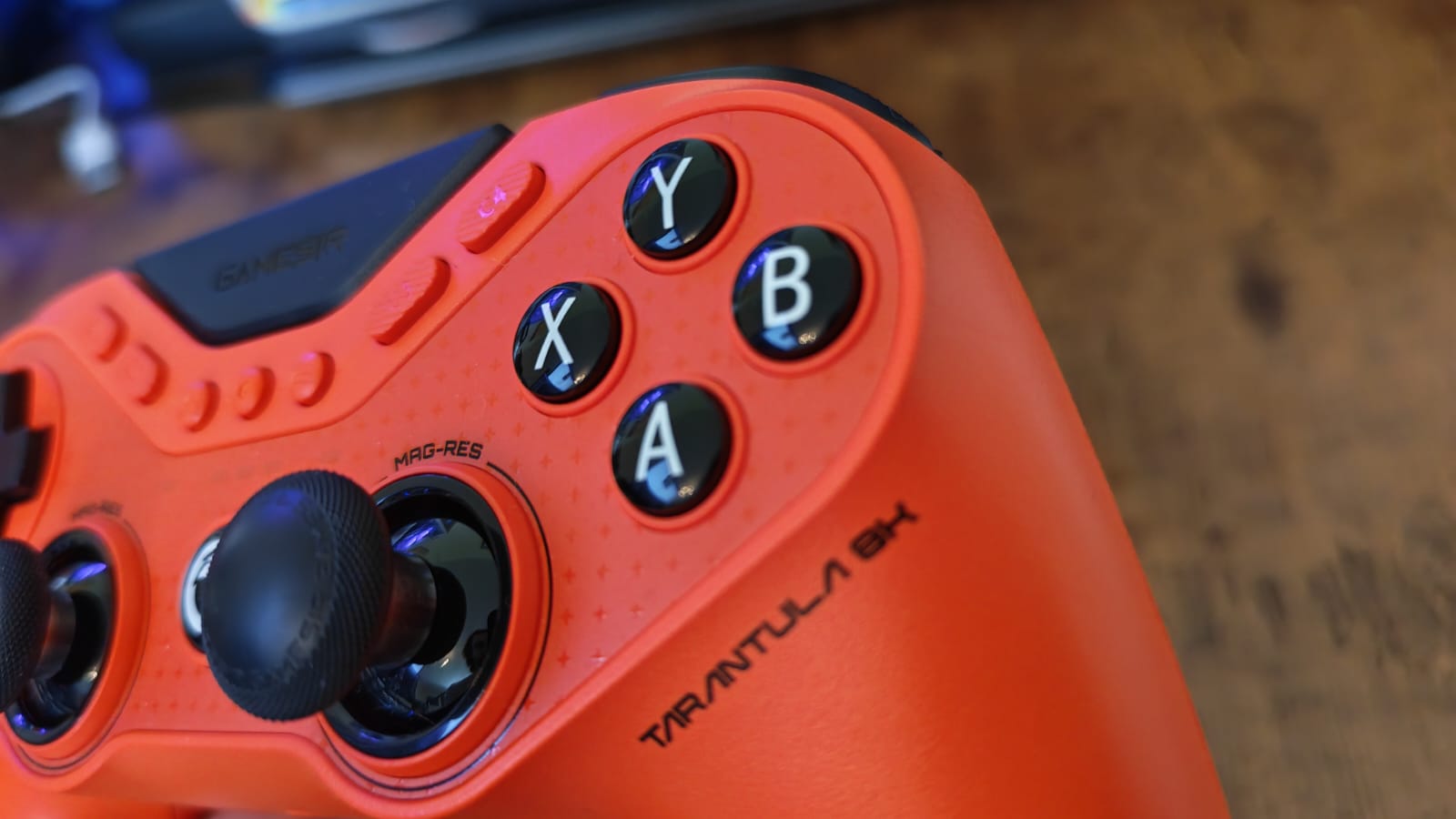
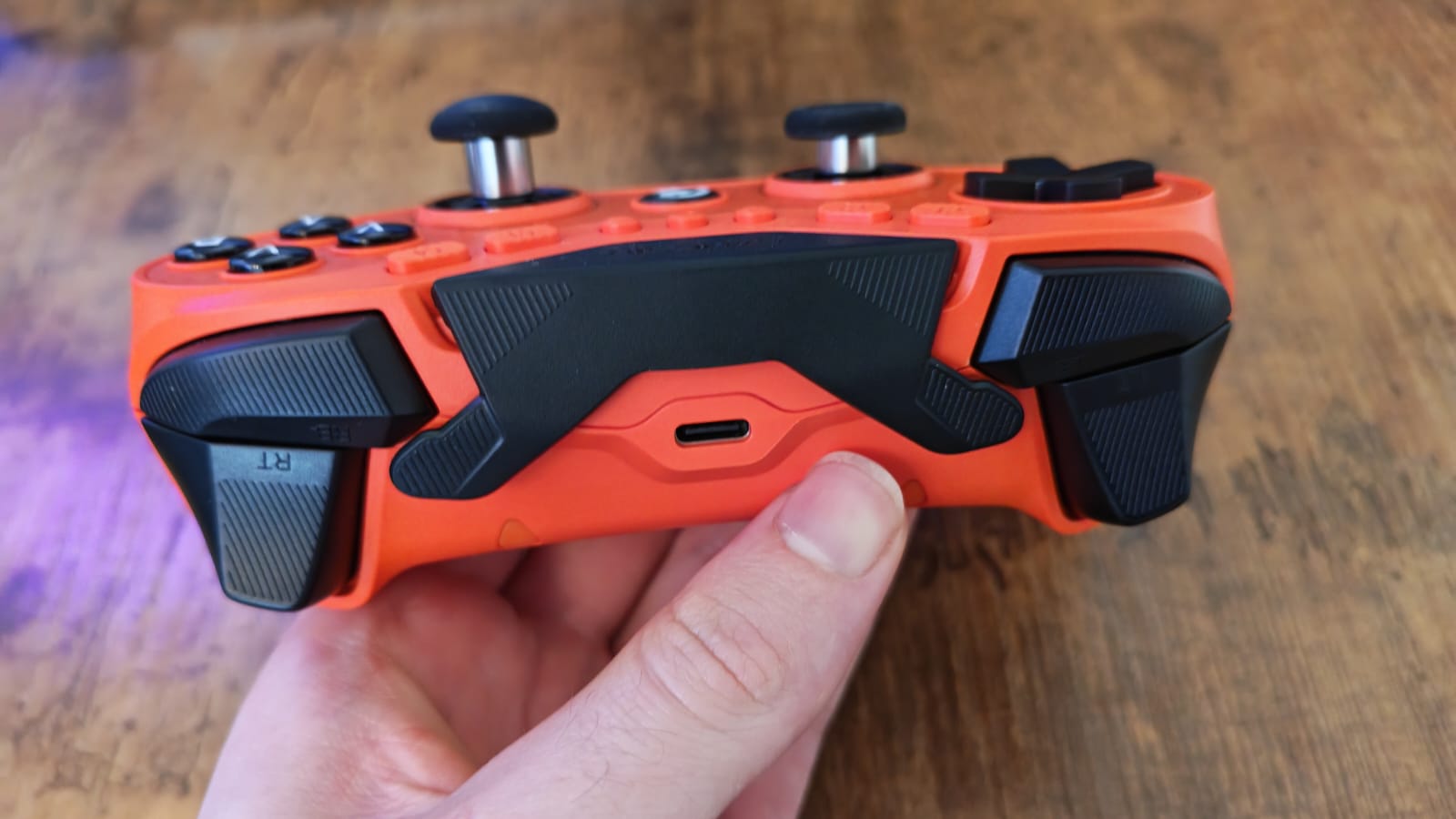
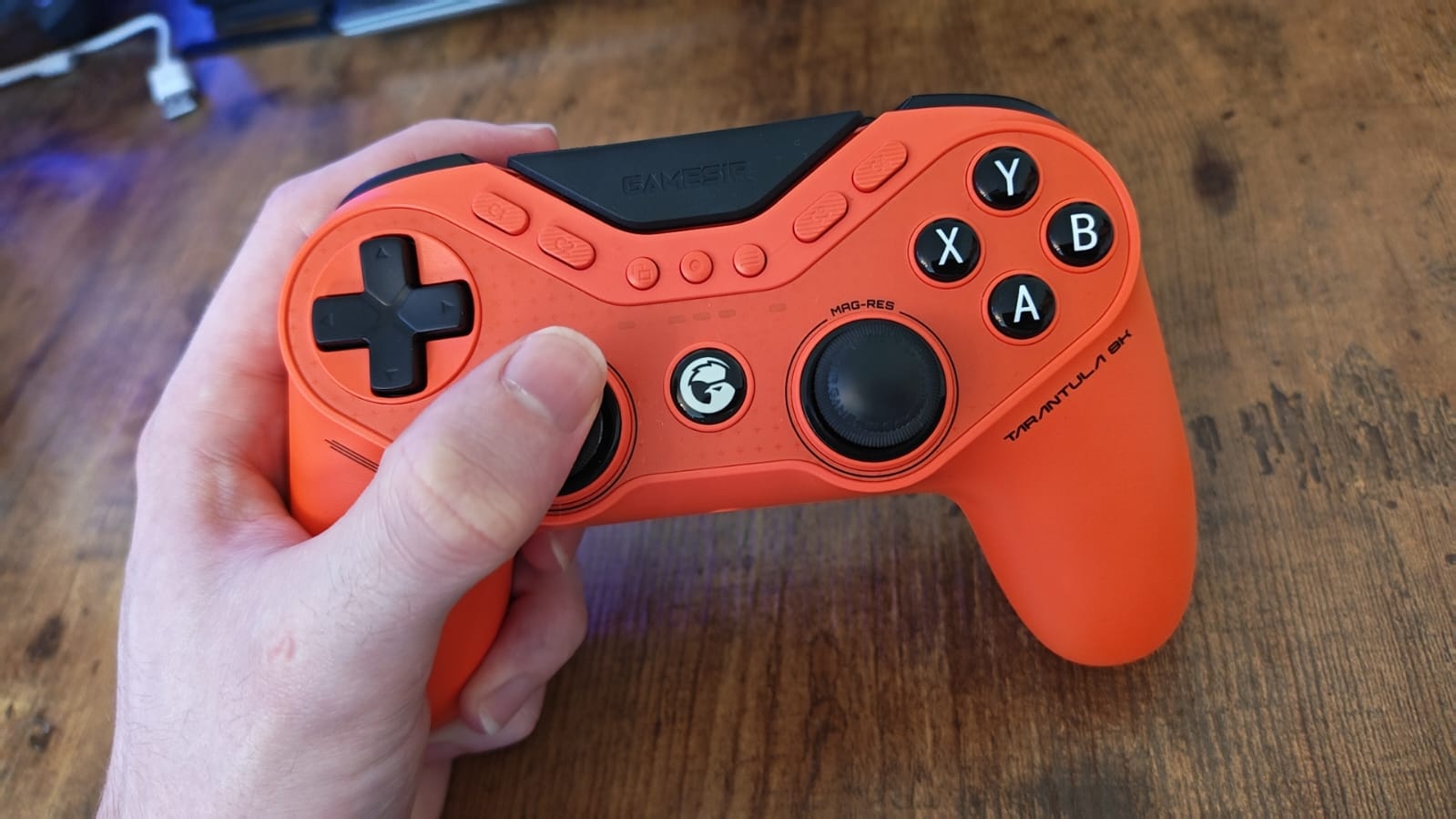
At first glance, the Tarantula 8K retains the much-loved DNA of its predecessor. It maintains the iconic cylindrical, slightly thickened grips reminiscent of the DualShock 4 era, complemented by a dotted texture that secures a firm grasp during intense play sessions. It also keeps the convenient 3.5mm headphone jack and physical locking switches for its back buttons.
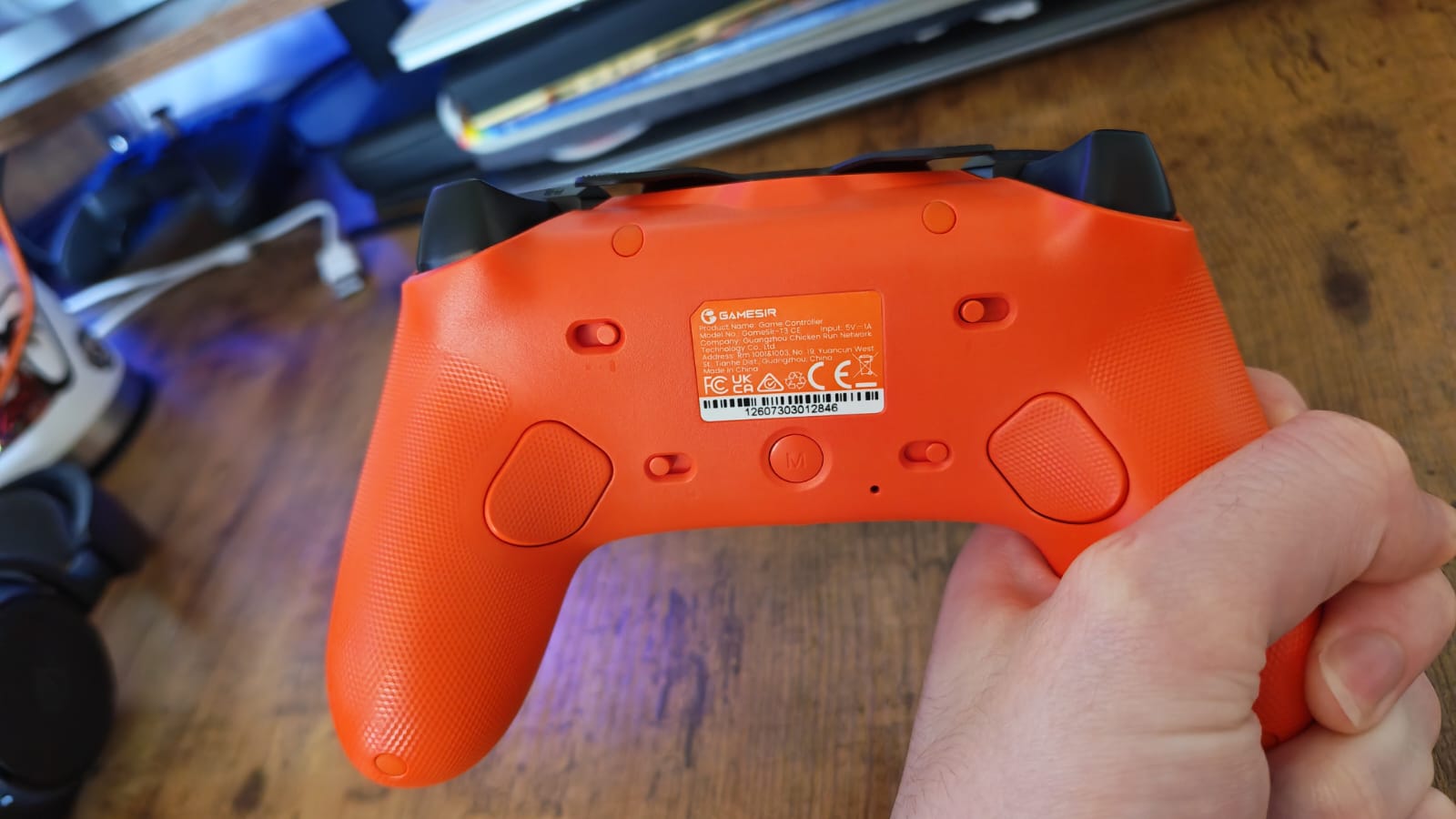
Yet, physical changes are immediately apparent upon lifting the device:
- Weight Reduction: Dropping from the original’s substantial ~270g build down to a feathery ~180g footprint, the Tarantula 8K feels noticeably hollow. While the structural build quality remains robust and durable—hallmarks of GameSir manufacturing—the lack of heft divests the controller of the premium, "substantial" weight expected in a pro-tier gamepad.
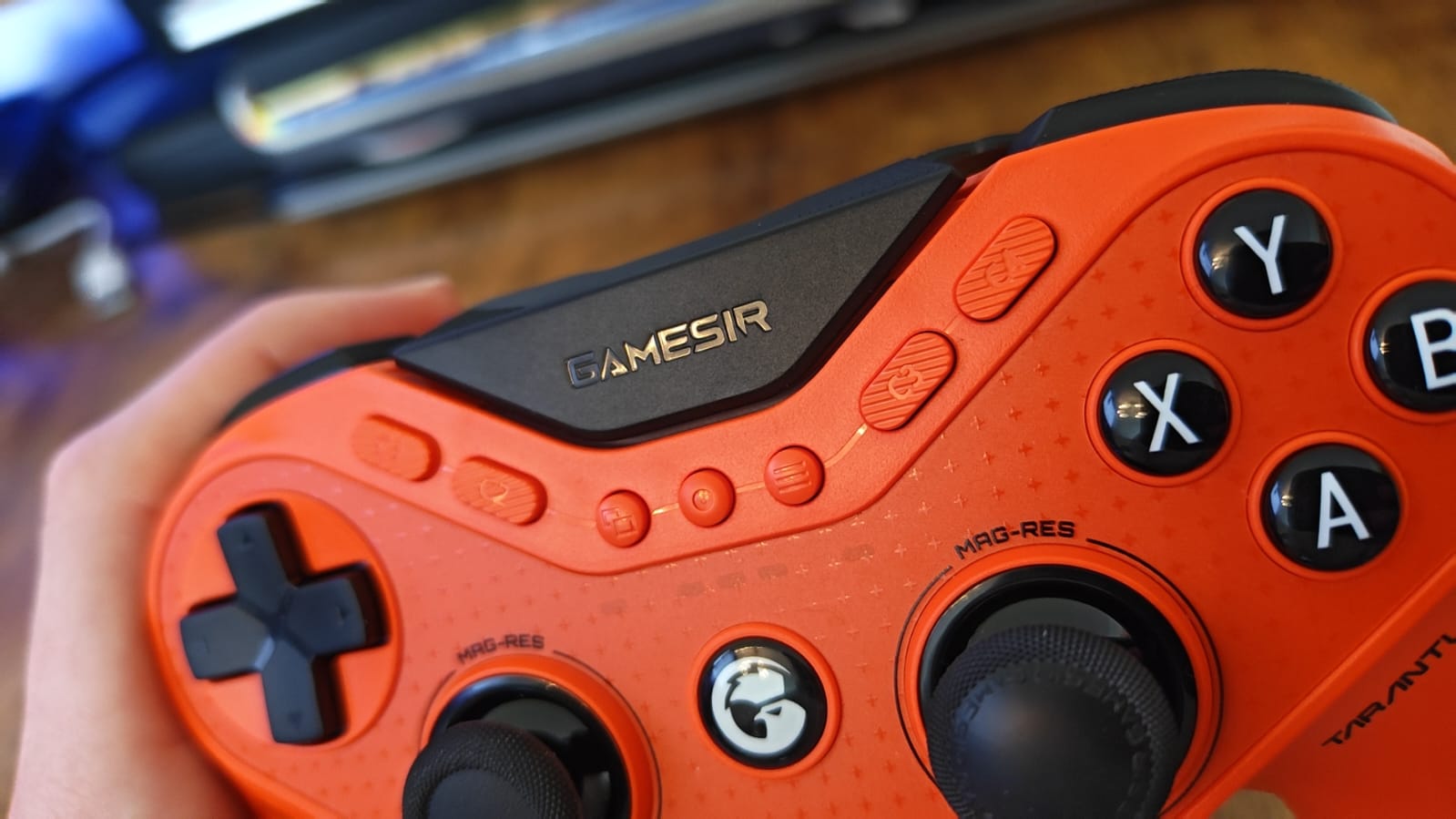
- Expanded Inputs: GameSir successfully answered calls for additional layout functionality by introducing two new top shoulder buttons. Operating as extensions flanking the central touchpad area, these bumpers offer a paddle-like click feel that maintains microswitch consistency across the upper deck.
- The Touchpad: The central touchpad returns, fully customizable via software to serve as an extra macro button.
Despite these clever additions, the absence of rumble motors fundamentally shifts the tactile feedback loop. For single-player immersion or atmospheric driving games, the lack of haptic feedback leaves a noticeable void.
Feature Set: Cutting-Edge TMR Sticks and the 8K Polling Debate
Under the hood, the Tarantula 8K introduces GameSir’s latest Gen 2 MagRes TMR thumbsticks, a notable step up from the first-generation modules found in older models like the Cyclone 2. These sticks offer exceptional drift resistance and precision, bolstered by swappable thumbstick caps (short and tall options included in the box) to accommodate different thumb sizes and play styles.
The Polling Rate Dilemma
The defining feature of the new PC model is its 8,000Hz polling rate, configurable through the GameSir Connect companion software (with steps at 250Hz, 1,000Hz, 4,000Hz, and 8,000Hz). While marketing materials highlight lightning-fast AimLab metrics and near-instantaneous input registration, real-world utility sparks debate:
- The Pro Argument: For competitive eSports athletes playing twitch-shooters at a desk, an 8K polling rate removes any possibility of hardware-induced input lag, rivaling top-tier mouse-and-keyboard setups.
- The Skeptic’s View: Many players find that a stable 1,000Hz polling rate already provides more than enough fidelity. Pushing polling rates to 8,000Hz can make sensitivities unruly if not carefully managed, offering diminishing returns for anyone outside the upper echelons of competitive gaming.
Furthermore, the decision to make the 8K model strictly wired-only eliminates the convenience of wireless play and renders the original model’s slick charging dock obsolete. A tethered cable trailing across a living room rug immediately limits its viability as a casual couch controller.
Performance in the Field: Precision vs. Sensory Feedback
Testing the Tarantula 8K across a diverse library of PC titles reveals a distinct dichotomy between raw mechanical precision and emotional immersion.
- First-Person Shooters (Hunt: Showdown, Battlefield): This is where the controller shines. Paired with the 8K polling rate, microscopic adjustments and flick-targeting feel exceptionally crisp. The mechanical microswitch face buttons and snappy D-pad act with authoritative precision.
- Racing and Sports (Forza Horizon, Tennis Elbow 4): Here, the hardware struggles due to its missing features. Cruising through virtual landscapes in Forza highlights the absence of rumble and haptic feedback. Without tactile cues telling a driver how aggressively tires are gripping or engines are straining, driving feels detached and clinical.
- Fast-Paced Action (Towerfall Ascension): Muscle memory and twitchy responsiveness are rewarded handsomely here. The snappy actuation matches high-skill ceiling gameplay beat-for-beat, though the lack of physical "crunch" in the chassis dampens the sensory satisfaction of critical moments.
Official Stances and Community Implications
GameSir’s design trajectory for the Tarantula 8K signals a decisive pivot toward the competitive eSports market. By catering to players who prioritize ultra-low latency, lightweight frames, and clicky microswitches over heavy rumble feedback and wireless flexibility, the manufacturer has split its user base.
Key Implications for Buyers:
- Target Audience Shift: This is no longer a general-use, all-genres gamepad. It is an elite, desk-bound tournament tool built for tactical shooters and competitive matches.
- The Waiting Game: Because GameSir previously teased a feature-complete "Ultra" PC model featuring wireless play, rumble motors, and 8K polling simultaneously, prospective buyers who loved the original Tarantula Pro are advised to exercise patience.
- Value Proposition: At £79.99 / $69.99, the pricing is aggressive compared to high-end competitors from Razer, but the compromises on rumble and wireless connectivity make it a hard sell for casual enthusiasts.
Verdict: Should You Buy the GameSir Tarantula 8K?
Ultimately, the GameSir Tarantula 8K is a victim of its own lineage. Evaluated purely as a wired eSports controller for competitive PC gamers who demand symmetrical thumbsticks and lightning-fast polling rates, it is a well-built, highly accurate piece of hardware.
However, for those looking for a true, direct successor to the versatile, comfortable, and feature-rich Tarantula Pro of yesteryear, this model feels like a lateral move at best and a downgrade at worst. If you prefer a lightweight, highly responsive, tethered competitive pad, the Tarantula 8K is worth a look. If you value wireless freedom, rumbling immersion, and casual couch comfort, you should hold out hope—and your cash—for the eventual arrival of the Ultra model.

