

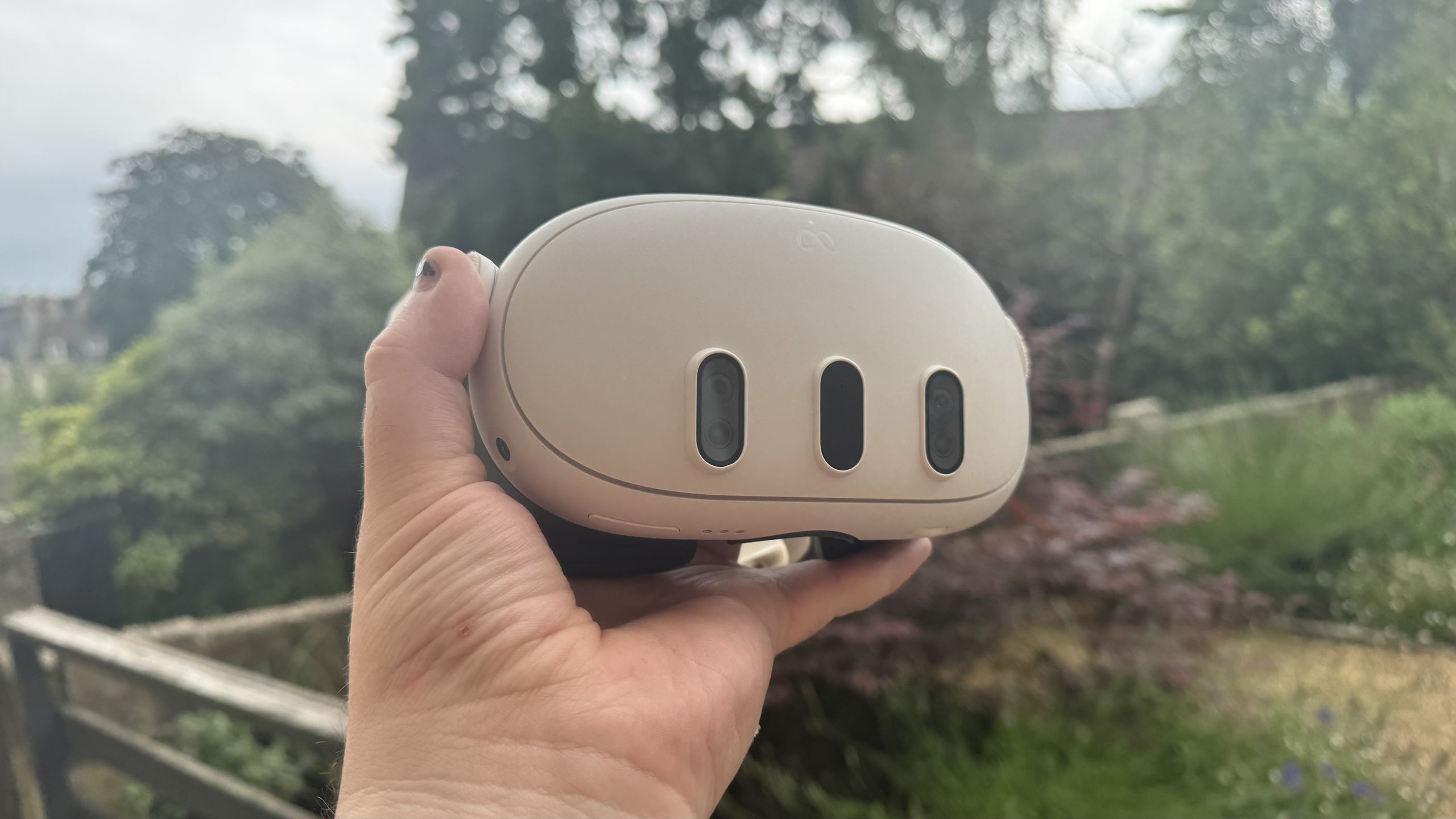
For many tech enthusiasts, the Meta Quest 3 represents the pinnacle of accessible consumer virtual reality. Yet, for hardware writer James Bentley, the device initially felt like a gateway to the "sunk cost fallacy." Like many who dipped their toes into the medium during the 2020 lockdowns, Bentley found that the novelty of VR eventually wore thin, leaving him with an expensive headset gathering dust.
However, a radical shift in 2026 transformed the headset from a dormant piece of hardware into a cornerstone of his daily wellness routine. By committing to a rigorous VR exercise experiment, Bentley discovered that the key to sustained health wasn’t a traditional gym membership, but rather the immersive, low-friction convenience of virtual reality.
The Chronology of an Experiment: From Skepticism to Sweat
The journey began with a simple question: Could a digital environment provide enough motivation to sustain a long-term fitness regimen? At the start of 2026, Bentley decided to treat his Meta Quest 3 not as a gaming console, but as a dedicated health tool.
- January 2026: The initiation phase. Bentley experimented with a variety of fitness applications, testing the waters of what VR had to offer. He quickly realized that the "paradox of choice" was a hurdle; instead of bouncing between dozens of apps, he opted for the convenience of a FitXR subscription.
- February – April 2026: The habit-building phase. During these months, the exercise became less of an experiment and more of a lifestyle. Bentley established a rule: he would close his daily "green ring" (the exercise metric on his fitness tracker) through VR sessions, regardless of his other physical activities.
- May – July 2026: The reality check. As the British summer heat peaked and environmental factors like hay fever increased, motivation dipped. However, because the VR setup existed within the air-conditioned, controlled environment of his home, he was able to maintain momentum where a traditional gym-goer might have quit due to the commute or external discomfort.
Supporting Data: Why VR Fitness Sticks
The success of Bentley’s experiment boils down to three primary psychological and physiological factors:
1. The Immersion Factor
VR creates a psychological bypass. In traditional exercise, the monotony of a treadmill or the intensity of a HIIT class can feel draining. In VR, the brain is distracted by the environment. Bentley notes, "I find VR’s immersiveness not only engaging, but I willingly pushed far beyond where I would in a normal exercise." By the time the user realizes they are exhausted, they have already surpassed their normal physical limits.
2. Eliminating the "Gym Trek"
The friction of going to a gym—packing a bag, commuting, navigating public social anxiety—is a major deterrent for many. VR removes these barriers. For someone with a busy schedule, being able to squeeze in a 15-minute high-intensity session during a lunch break makes the difference between a workout and a skipped day.
3. Tangible Results
The numbers speak for themselves. Since January, Bentley has reported a loss of approximately 35 pounds. While this is attributed to a holistic change in diet and lifestyle, the VR component acted as the "anchor" for his accountability. The fear of wasting his subscription fee and the visual progress tracked within the apps provided a consistent feedback loop that kept him coming back.
Official Responses and Industry Context
The landscape of VR gaming is shifting rapidly. While Meta has invested heavily in titles like Asgard’s Wrath and Batman: Arkham Shadow, there has been a notable pivot within the company’s internal structure. Recent reports indicate that Meta is closing three of its VR game development studios and laying off roughly 10% of its Reality Labs staff.
The corporate narrative is shifting away from the "Metaverse" as a social-gaming hub and toward AI-driven wearables and productivity tools. For fitness users, this is a double-edged sword. While the platform may move toward more "serious" health-tracking capabilities and AI-assisted coaching, the gaming-centric content that originally drew early adopters to the Quest ecosystem may see a decrease in production.

The Pros and Cons: A Realistic Assessment
For those considering following in Bentley’s footsteps, it is essential to weigh the trade-offs of the VR fitness lifestyle:
The Benefits:
- Convenience: No travel time, no commute, and no public scrutiny.
- Engagement: Gamification turns tedious movements into rewarding challenges.
- Customization: You can listen to your own podcasts or watch media while exercising in passthrough mode.
The Drawbacks:
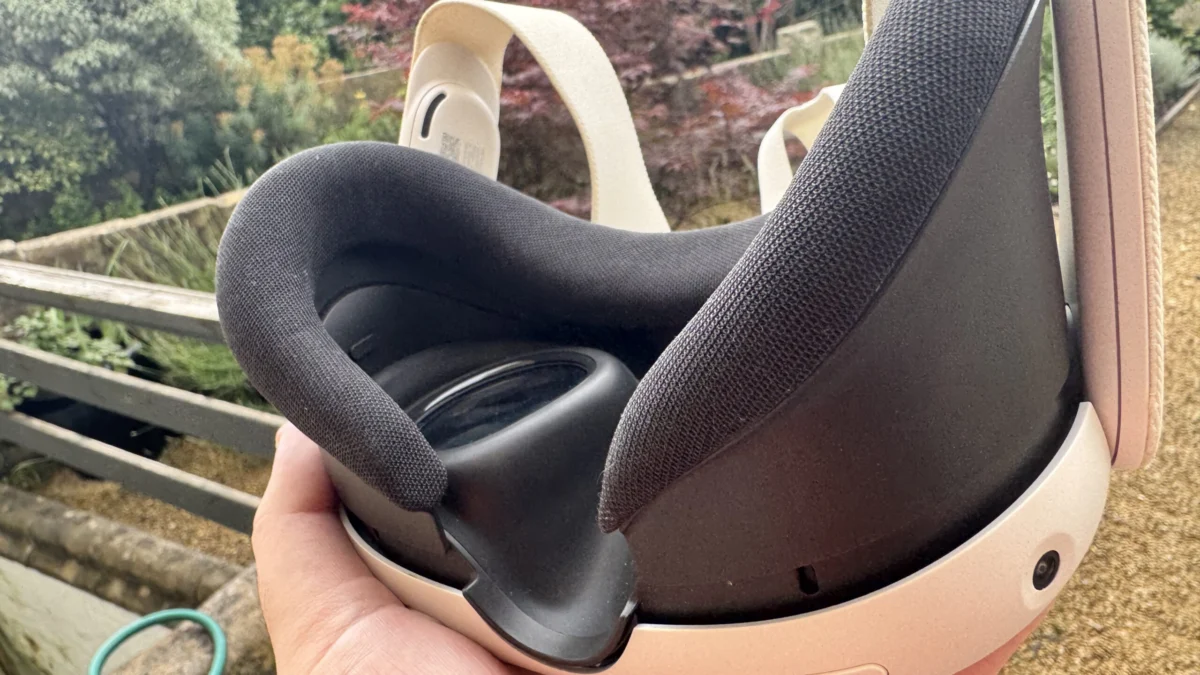
- The "Sweat Factor": Headsets are not inherently designed for heavy perspiration. Proper hygiene, such as frequent faceplate cleaning and utilizing spare, moisture-wicking replacements, is mandatory.
- Initial Costs: Beyond the high price of the hardware, users must factor in recurring subscription fees for fitness platforms like FitXR.
- Equipment Limitation: Unlike a commercial gym, a VR setup cannot provide the resistance training offered by free weights or complex machines.
Implications for the Future of Home Fitness
James Bentley’s experience highlights a growing trend: the democratization of fitness through technology. By removing the social anxiety associated with public exercise and the logistical nightmare of planning a gym trip, VR technology is helping people who might otherwise remain sedentary achieve their health goals.
The "dorky" nature of shadow-boxing in a living room while wearing a headset is, according to Bentley, a small price to pay for the physiological benefits. The core implication here is that for fitness to be sustainable, it must be enjoyable. If the "game" of the exercise is enough to get a user through a 30-minute HIIT session when they otherwise would have remained on the couch, then the technology has succeeded.
As the industry matures, the focus will likely shift from "VR as a gaming device" to "VR as a lifestyle peripheral." For individuals like Bentley, the value proposition is clear: the headset is no longer just an expensive toy; it is a personalized health coach that, despite the sweat and the subscription fees, has fundamentally altered his physical trajectory for the better. The experiment proves that while the hardware is just a tool, the real change happens in the commitment to show up—even if that means showing up in a virtual arena every single day.

