

By Gaming Industry Desk
Published: October 2024
Main Facts
PlayStation fans yearning for a cozy, community-driven simulation experience may soon have a dedicated title to call their own. According to exclusive industry reports, acclaimed developer Media Molecule—best known for its creativity-focused masterpieces such as LittleBigPlanet and Dreams—is currently at work on an unannounced, exclusive PlayStation game.
Citing internal sources, industry publication MP1st revealed that this mysterious project is heavily inspired by legendary cozy staples like Nintendo’s Animal Crossing and Natsume’s classic Harvest Moon (now known globally as Story of Seasons). The title, which remains untitled publicly, is projected to launch around 2027, though sources caution that development timelines are fluid and subject to change given the early nature of the project.
Unlike many modern multiplayer titles, the initial reports indicate that this upcoming social simulator will not launch as a Games-as-a-Service (GaaS) model. Instead, it is expected to prioritize a self-contained, wholesome gameplay loop. However, industry watchers note that this approach could evolve as production scales and long-term support plans are finalized by Sony Interactive Entertainment and Media Molecule.
While official confirmation from either Sony or Media Molecule is still pending, the prospect of the studio applying its signature charm and player-creation ethos to the cozy-game genre has immediately captured the attention of the global gaming community.
Chronology: From Creative Sandbox Pioneers to the Next Cozy Frontier
To understand the significance of Media Molecule’s rumored new direction, it is vital to trace the studio’s historical trajectory and how industry whispers surrounding this new project began to surface.
The Era of "Play, Create, Share" (2006–2020)
Founded in Guildford, United Kingdom, in 2006 by former Lionhead Studios developers Mark Healey, Alex Evans, Dave Smith, and Kareem Ettouney, Media Molecule quickly became one of PlayStation’s most innovative first-party studios. Their debut title, LittleBigPlanet (2008), revolutionized the platforming genre by introducing the mantra "Play, Create, Share." It empowered players to design their own levels, costumes, and games, setting a cultural milestone for user-generated content (UGC) on the PlayStation 3.
The studio continued this philosophy with LittleBigPlanet 2 (2011) and the touch-screen-focused Tearaway (2013) before embarking on their most ambitious technical feat to date: Dreams (2020). Dreams functioned less like a traditional game and more like a fully fledged digital creation engine, allowing players to build intricate 3D games, sculptures, music, and animations entirely within the PlayStation ecosystem.
The Shift and the Rumor Mill (2023–Present)
Following the winding down of active live-service updates for Dreams in late 2023, Media Molecule pivoted its internal resources toward unannounced projects. Speculation ran high regarding what the studio’s next creative venture would be.
Recently, insiders leaking information to MP1st shed light on this secretive undertaking. According to the leaks, the studio has shifted away from massive, open-ended creation engines like Dreams to focus on a more structured, narrative-light, and atmospheric social-simulation game. Sources pointed directly to the DNA of Animal Crossing and Harvest Moon as primary creative touchstones. While the project is reportedly slated for a 2027 release window, development remains in full swing, meaning that core systems, features, and release schedules could shift as milestones are met or revised.
Supporting Data & Conceptual Analysis: What to Expect from Media Molecule’s Simulation Venture
While concrete gameplay footage and plot details remain tightly under wraps, analysts and longtime fans can draw profound conclusions by examining the core mechanics of the titles that reportedly inspired the project: Animal Crossing and Harvest Moon.
The Cozy Gameplay Loop
Both Animal Crossing and Harvest Moon rely heavily on a low-stress, routine-based gameplay loop designed to offer relaxation rather than adrenaline-fueled combat.
- Daily Rhythms: Players typically begin their day in-game by checking the weather, tending to crops or flowers, and greeting local villagers.
- Resource Gathering: Foraging forms the backbone of the economy. Whether shaking trees for fruit, catching insects, fishing in rivers, or mining minerals, players continuously collect materials from their immediate environment.
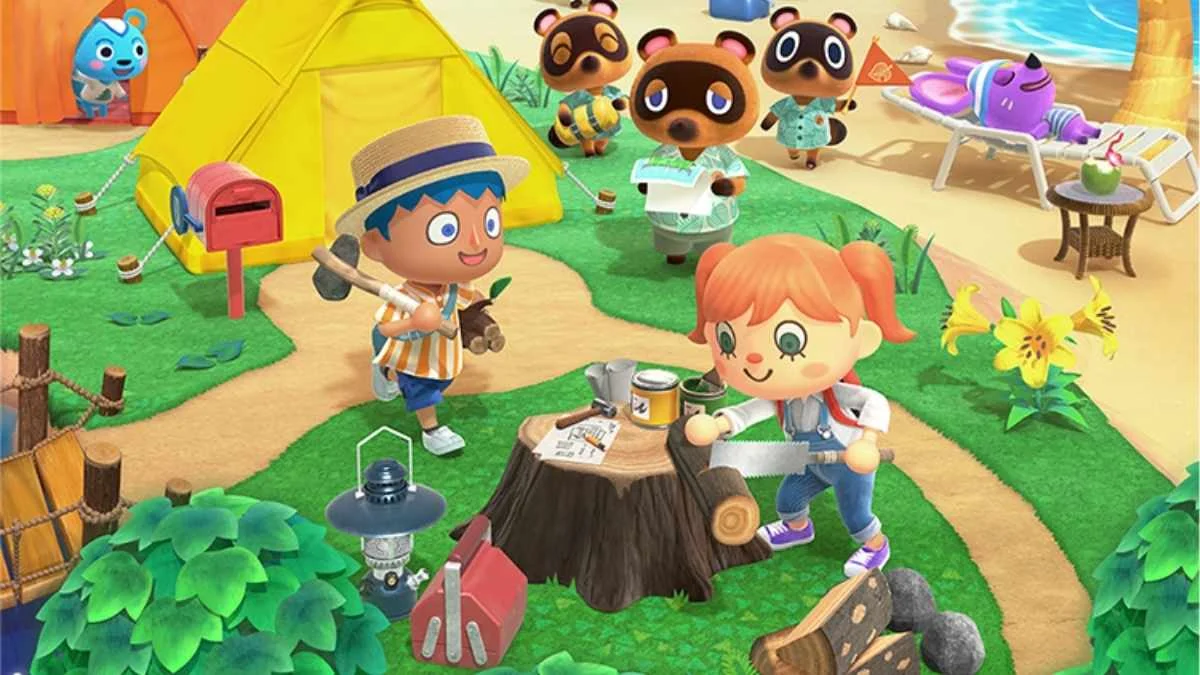
- Economic Progression: Upgrading personal living spaces is central to the motivation in these games. In Animal Crossing, players pay off mortgages to Tom Nook using "Bells," while Harvest Moon requires players to accumulate gold to expand their farmhouses, buy better tools, and upgrade livestock facilities.
The Social Fabric
Beyond economy and management, both franchises place immense emphasis on community. Interacting with non-player characters (NPCs) who possess distinct personalities, schedules, and preferences encourages players to build long-term digital relationships. Festivals, seasonal events, and village customization foster a deep sense of ownership and belonging.
The Media Molecule Difference
How will Media Molecule infuse its unique identity into this proven formula? Given the studio’s pedigree in artistic expression and user-generated customization, industry experts speculate that the upcoming PlayStation exclusive might feature unprecedented levels of aesthetic personalization. If Media Molecule integrates even a fraction of the intuitive building and design tools seen in LittleBigPlanet and Dreams, players could be given the power to design their own furniture, craft bespoke village layouts, and share custom items with friends in ways traditional cozy games have never attempted.
Furthermore, avoiding the GaaS model at launch suggests a curated, rich offline or co-operative experience that respects the player’s time, avoiding heavy-handed microtransactions or mandatory daily check-ins characteristic of modern live-service titles.
Official Responses and Industry Reactions
As of this writing, Sony Interactive Entertainment and Media Molecule have maintained a strict policy of silence regarding the leaked report. Neither confirmation nor denial has been issued through official PlayStation Blog channels, corporate earnings reports, or social media handles.
However, the industry reaction has been overwhelmingly vocal. On forums such as Reddit, ResetEra, and various social media platforms, PlayStation enthusiasts have expressed a mixture of excitement and cautious optimism.
- The PlayStation Ecosystem Gap: For years, industry analysts have pointed out a noticeable gap in the PlayStation first-party portfolio: while Nintendo boasts dominant first-party lifestyle franchises like Animal Crossing and Pokémon, and Microsoft fosters titles like Minecraft, PlayStation has historically leaned toward cinematic action-adventures (God of War, The Last of Us, Horizon). A dedicated, high-budget cozy social simulator from a premier studio like Media Molecule would diversify Sony’s software catalog, appealing to a broader, more casual demographic and families.
- Developer Resilience: Following the restructuring of Media Molecule and the conclusion of active support for Dreams, community members have been eager to see the studio return to form. Knowing that the talented artists and designers at Media Molecule are channeling their energy into a beloved, universally appealing genre has provided a massive morale boost to their dedicated fanbase.
Implications: What a PlayStation Cozy Game Means for the Industry
Should Media Molecule’s rumored project successfully materialize by 2027, the implications for the broader gaming landscape could be profound.
1. Broadening the PlayStation Audience
PlayStation has long been synonymous with high-fidelity, story-driven blockbuster experiences. While these franchises drive immense hardware sales, expanding into the cozy, casual, and social simulation space allows Sony to capture a different segment of gamers. A first-party game inspired by Animal Crossing could attract players who typically do not purchase action games, driving sales of the PlayStation 5 (and potentially future hardware iterations) to families and casual players.
2. Redefining the Cozy Genre
The "cozy game" genre has experienced an unprecedented renaissance over the past several years, driven by indie darlings like Stardew Valley, Animal Crossing: New Horizons, and Cozy Grove. However, few AAA or major first-party studios have dedicated top-tier resources to this specific genre. Media Molecule’s artistic flair and technical prowess could push the boundaries of what a social simulation game looks and feels like, raising the production standards for the entire genre.
3. The Live-Service Debate
The decision—reported by insiders—to forgo a Games-as-a-Service model at launch is particularly telling. In an era where publishers increasingly push for continuous monetization, subscription hooks, and endless online loops, a return to a focused, complete, and wholesome standalone experience could resonate deeply with consumers experiencing "live-service fatigue."
A Note of Caution
As with all industry leaks and insider reports, observers are advised to exercise patience and skepticism. Game development is an unpredictable endeavor; concepts pivot, scopes expand or contract, and release dates frequently shift. Until Media Molecule or Sony Interactive Entertainment officially pulls back the curtain with a formal reveal trailer, gameplay deep-dive, or press release, the exact nature of this project remains a tantalizing glimpse into the future of PlayStation’s creative output.
Nevertheless, if the rumors prove true, 2027 may mark the year PlayStation owners finally get their own definitive, beautifully crafted answer to Animal Crossing, courtesy of one of the industry’s most imaginative studios.

