

By Tech & Hardware Desk
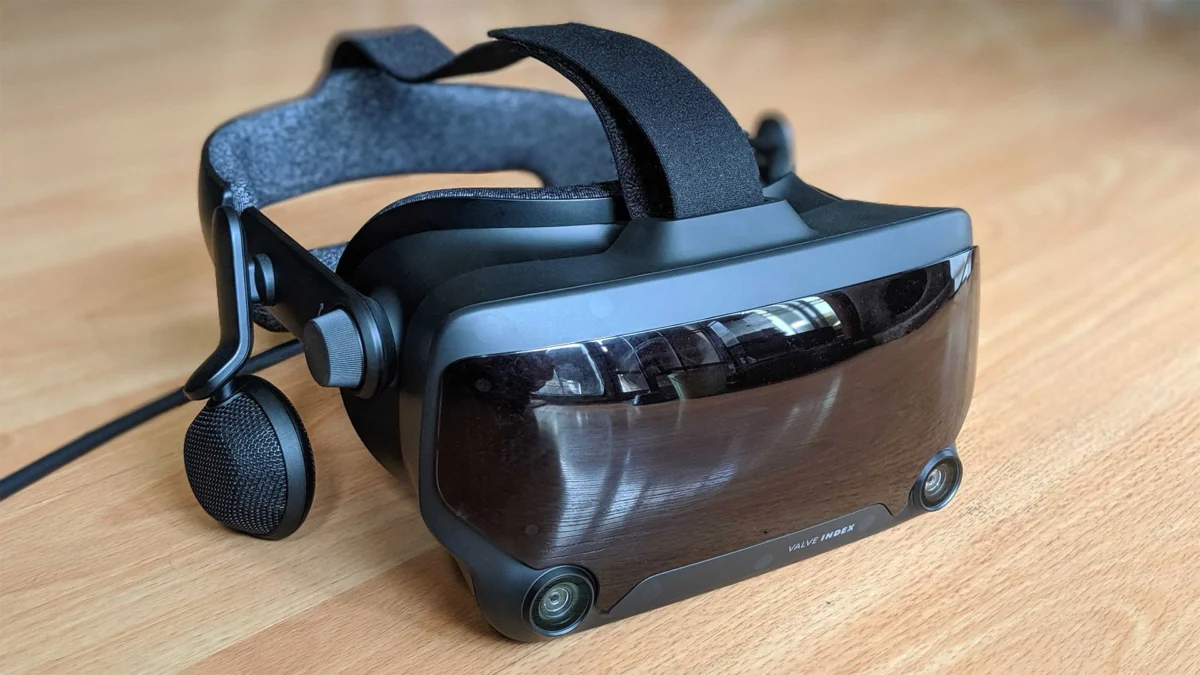
For over half a decade, the Valve Index stood as a towering titan in the landscape of PC-powered virtual reality. Launched in the spring of 2019, it offered enthusiasts an uncompromising, high-refresh-rate window into digital worlds, setting a gold standard for immersion, audio fidelity, and finger-tracking controllers. However, all eras must eventually draw to a close.
Following the successful market introduction of the next-generation Valve Steam Frame, Valve has officially confirmed that the original Valve Index is no longer in production. To clear out warehouse inventories, the company has slashed prices on remaining stock. For virtual reality loyalists, collectors, and tinkerers, this moment represents a final opportunity to secure a piece of PC gaming history—while supplies last.
Main Facts: The Clearance and What Remains Available
In an official Steam news announcement released today, Valve put to rest months of industry speculation by explicitly confirming the fate of its pioneer headset.
"Valve Index is no longer being produced," the company stated. "Remaining Index headsets, controllers, and accessories are still available at the new prices below while supplies last."
- The Headset: Originally launched as a standalone headset priced at $499, the remaining standalone units have been discounted by 20%, bringing the price down to $399.20.
- The Bundles: Notably, the famous complete bundle—which historically packaged the headset, the pioneering "Knuckles" controllers, and two SteamVR base stations for $999—is entirely gone. Valve has discontinued this bundled option, meaning no corresponding discount is available for a complete out-of-the-box kit.
- Accessories & Peripherals: Stock for supporting hardware is heavily fragmented. Left-controller replacements are currently listed at $119.20, while replacement tether cables are going for $103.20. Interestingly, right-controller replacements are notably absent from the storefront listings. Consumers seeking right-side controllers or base stations will likely need to look to the secondary market or alternative third-party sellers.
Because Valve has provided no concrete figures regarding the exact volume of units left in its warehouses, the "while supplies last" caveat carries heavy weight. Industry analysts expect remaining stock to vanish rapidly, particularly among hardware collectors and PC VR purists nostalgic for the Index’s unique ecosystem.
Chronology: From 2019 Flagship to Final Farewell
To understand the significance of the Index’s retirement, it helps to trace the timeline of Valve’s hardware ambitions and the shifting tides of the virtual reality market.
April 2019: The Genesis
When Valve first unveiled the Index, the PC virtual reality space was hungry for a high-end contender. Dominated by early-generation devices like the original HTC Vive and the Oculus Rift, the market lacked a headset that combined crystal-clear optics, expansive fields of view, off-ear spatial audio, and deeply ergonomic controllers. The Index delivered on all fronts. Upon its release, critical consensus immediately hailed it as the premier PC VR headset on the market, bridging the gap between consumer accessibility and enthusiast-grade performance.
Late 2023 – 2024: Whispers of Retirement
As years passed, the consumer VR landscape evolved aggressively. Standalone, untethered headsets popularized by Meta began dominating market share, rendering heavy cable tethering increasingly antiquated to mainstream audiences. Rumors regarding the Index’s impending sunset began to circulate. Valve designer Lawrence Yang hinted in interviews that manufacturing for the Index was winding down to make way for future hardware initiatives—most notably laying the groundwork for what would eventually become the Steam Frame.
Today: The Official Curtain Call
Valve’s announcement today transforms industry whispers into concrete reality. By offering final clearance discounts, Valve is cleanly severing its commercial ties with the 2019 hardware generation, officially passing the torch to its modern ecosystem.

Supporting Data & Market Context: The Technological Leap
When evaluating the Valve Index today, it is essential to contextualize the hardware within the rapid pace of technological innovation over the past five years.
| Feature / Metric | Valve Index (2019) | Modern VR Standards (e.g., Steam Frame) |
|---|---|---|
| Connectivity | Wired (Tethered via DisplayPort & USB 3.0) | Wireless / Hybrid untethered capabilities |
| Display Resolution | 1440 x 1600 per eye (LCD, 2880 x 1600 total) | Significantly higher pixel density / 4K per eye trends |
| Refresh Rate | 80Hz, 90Hz, 120Hz, experimental 144Hz | Optimized high-refresh micro-OLED / LCD panels |
| Tracking Technology | SteamVR Base Stations (Lighthouse external tracking) | Inside-out tracking (SLAM-based) |
| Launch Price | $999 (Full Kit) / $499 (Headset Only) | Varied next-generation pricing models |
The Tethered Paradigm
At launch, being physically tethered to a high-end gaming rig via a thick cable was considered an acceptable compromise for achieving fidelity that standalone mobile chips simply could not match. Even when the original Meta Quest (then Oculus Quest) popularized cord-free VR just months after the Index’s release, hardcore simulation enthusiasts—particularly those flying in Microsoft Flight Simulator or racing in iRacing—clung tightly to the Index for its sub-millimeter tracking precision and expansive field of view.
Over time, however, the convenience of wireless streaming, Pancake lenses, and high-resolution panels exposed the aging nature of the Index’s Fresnel lenses and LCD screen door effect. The transition to the Steam Frame signifies Valve’s own acknowledgment that the future of immersive gaming belongs to sleeker, more versatile form factors.
Official Responses and Industry Reactions
Valve’s communications have remained characteristically pragmatic. Rather than staging a dramatic farewell, the company has chosen a quiet, functional wind-down, prioritizing transparency for consumers looking to purchase replacement parts or grab a piece of legacy hardware.
Reaction across the broader PC gaming and VR development communities has been a mix of nostalgic reverence and forward-looking excitement.
- Enthusiast Communities: On platforms like Reddit and various VR forums, veteran users have praised the Index for its unmatched off-ear speakers—which many modern headsets still fail to emulate—and its revolutionary controllers, which allowed for individual finger-tracking long before it was commonplace.
- Hardware Analysts: Observers note that while the Index is bowing out, its legacy lives on through the SteamVR tracking ecosystem. The Lighthouse base stations and compatible peripherals established a robust standard that many high-end enterprise and enthusiast devices continue to leverage.
Implications: What the Index’s Exit Means for PC VR
The discontinuation of the Valve Index carries several important implications for the future of virtual reality on PC:
1. The End of an Era for External Lighthouse Tracking
For years, external base stations (Lighthouse tracking) were viewed as the pinnacle of spatial tracking accuracy, completely eliminating dead zones that plagued early inside-out camera systems. With the Index out of production and newer headsets largely pivoting toward inside-out tracking arrays, the consumer market for external room-scale base stations is effectively shrinking into a niche hobbyist category.
2. The Rise of the Steam Frame Ecosystem
Valve’s pivot toward the Steam Frame indicates a refined hardware strategy. By learning the lessons of the Index—its weight, its cabling constraints, and its high barrier to entry—Valve is positioning its new hardware to capture both legacy PC enthusiasts and players looking for a more streamlined, modern VR experience.
3. Collector Value and Long-Term Support
For current owners of the Index, the lack of complete replacement kits poses a long-term maintenance challenge. With right-side controllers entirely missing from the store and limited stocks of tethers and left controllers, Index owners will increasingly need to rely on the used market or DIY repairs to keep their rigs running. Conversely, pristine, unboxed Index headsets may well appreciate among tech historians and hardware collectors as iconic monuments of the first golden age of high-end PC VR.
As the remaining boxes empty out of Valve’s distribution centers, the Index secures its legacy not just as a piece of obsolete technology, but as the defiant benchmark that proved PC virtual reality could be a breathtaking, premium reality.

