

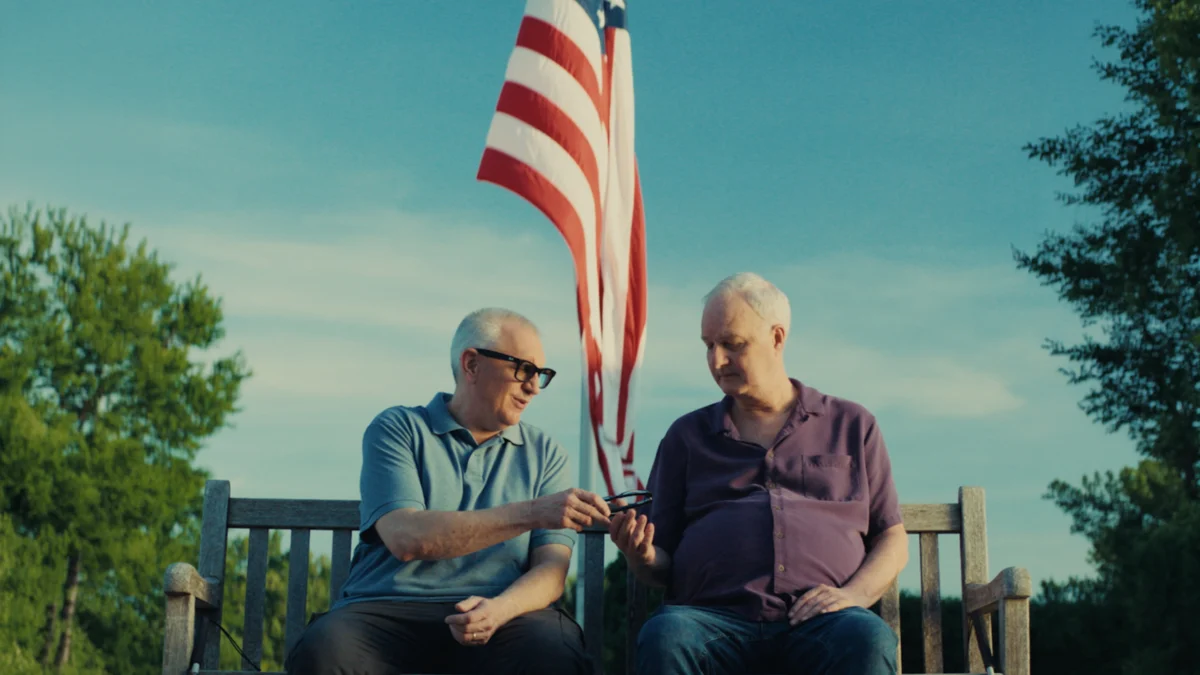
In a landmark initiative that bridges the gap between cutting-edge artificial intelligence and humanitarian aid, Meta has announced a sweeping program to provide free Ray-Ban Meta smart glasses to every legally blind United States veteran. With an estimated 130,000 individuals eligible, the program represents one of the most significant corporate commitments to accessibility technology in recent history. By leveraging the advanced multimodal capabilities of Meta AI, the tech giant aims to provide these veterans with a sophisticated toolset for spatial navigation, object identification, and text-to-speech assistance.
The Core Initiative: Restoring Independence Through Tech
The program is not merely a hardware donation; it is a comprehensive ecosystem of support designed to ensure that the technology is utilized effectively and safely. Meta has entered into a strategic partnership with the Blinded Veterans Association (BVA) and the non-profit organization TechSoup to facilitate the rollout.
The initiative centers on the Ray-Ban Meta smart glasses, which are equipped with high-definition cameras and integrated AI models. Through a "Detailed Responses" accessibility feature, the glasses can provide verbose, real-time descriptions of a user’s environment. Whether a veteran needs to read a piece of correspondence, navigate a grocery store aisle, or identify an object on their desk, the AI acts as a pair of digital eyes.
"These veterans sacrificed their sight in service to our country," Meta CTO Andrew Bosworth stated in a press release. "Giving them technology that can meaningfully navigate the world around them is a profound honor for us and underscores the importance of why we build."
Chronology: From Concept to National Rollout
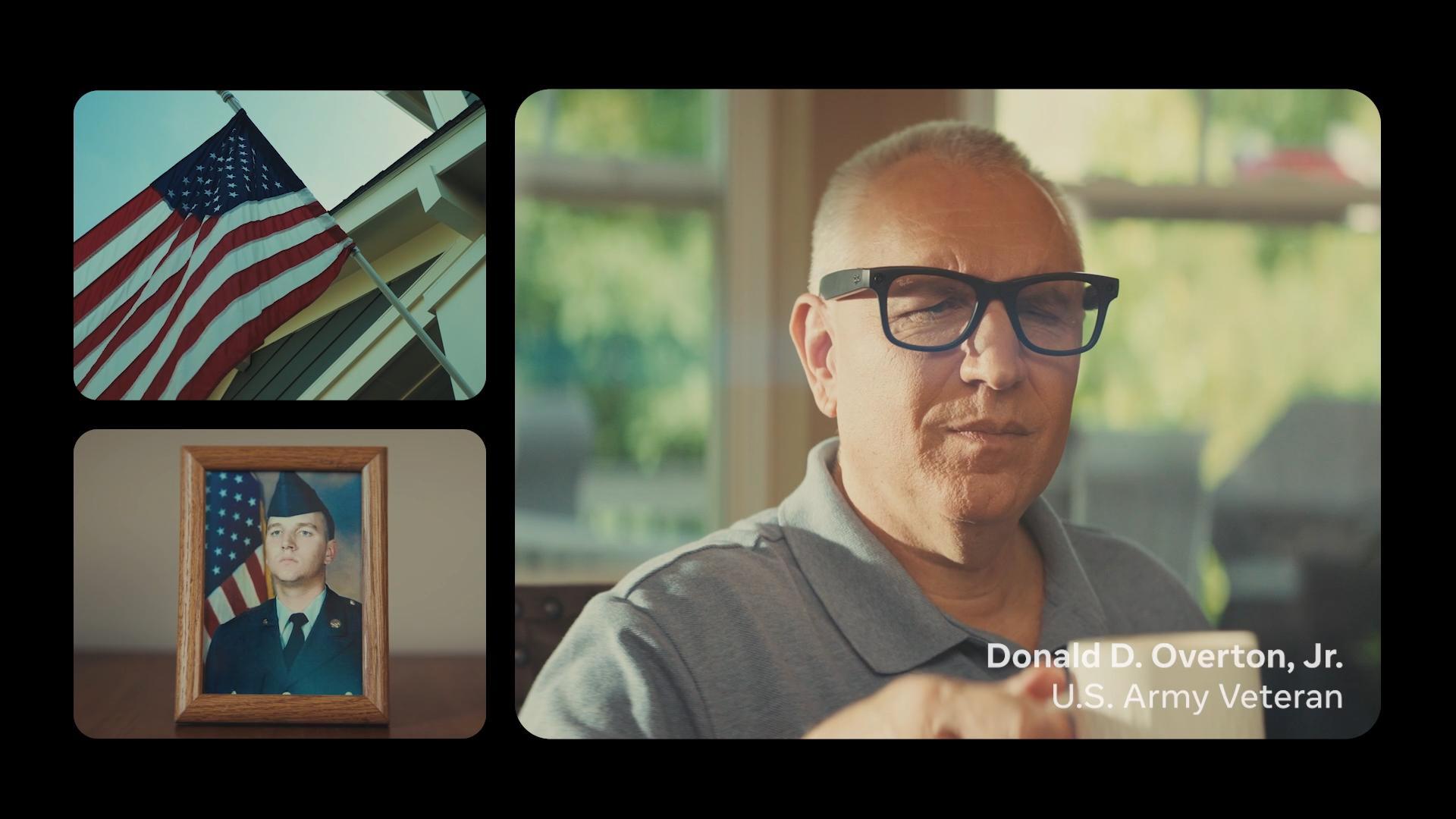
The genesis of this project traces back to the personal experiences of Don Overton, a US Army veteran who lost his eyesight during the Gulf War. Overton, who has been a vocal advocate for the integration of assistive technology for veterans, served as the primary champion for the donation program.
- Initial Testing Phase: Following the public release of Meta’s multimodal AI models, early adopters within the blind and low-vision community began experimenting with the glasses, noting that the combination of voice commands and image-processing AI could replace some traditional, less portable assistive devices.
- Advocacy and Partnership: Don Overton initiated discussions with Meta leadership, emphasizing that the barrier to entry for many veterans was not just the physical device, but the lack of formal training and technical support.
- Formalization of the Program: Meta, in collaboration with the BVA and TechSoup, developed a structured curriculum. This included the creation of standardized training guides and a schedule for nationwide, in-person workshops to ensure veterans feel comfortable and confident using the hardware.
- The Launch: The official portal (bva.org/glasses) was opened to eligible veterans, marking the start of a phased distribution process that aims to reach the 130,000-strong demographic over the coming months.
Supporting Data and Technical Infrastructure
To understand the significance of this donation, one must look at the technology underpinning the Ray-Ban Meta glasses. Unlike standard smart devices, these glasses utilize a multimodal AI architecture—often referred to in internal development as "Meta Muse"—that processes visual data captured by the frames.
How the Technology Functions
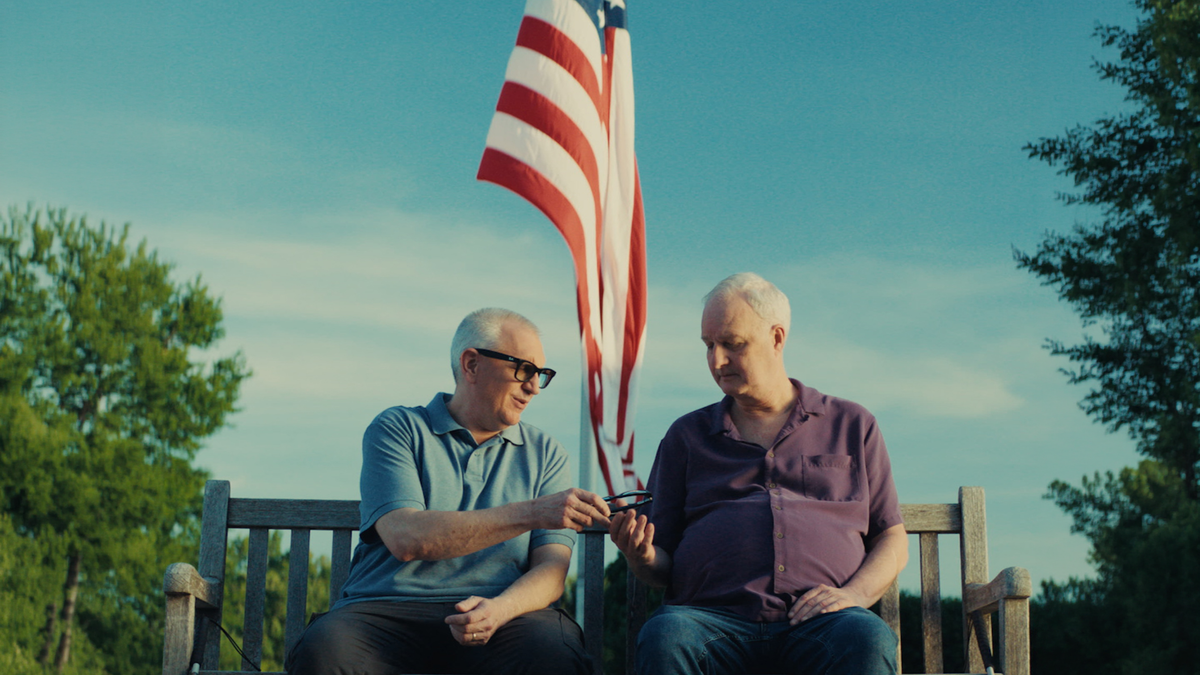
When a user asks, "What am I looking at?" or "Read this menu," the glasses trigger a snapshot. This image is sent to Meta’s cloud infrastructure, where it is analyzed by a Large Language Model (LLM) equipped with vision-processing capabilities. The result is returned to the user via the built-in speakers.
The "Detailed Responses" Protocol
Recognizing that standard AI responses are often too brief for someone with significant vision impairment, Meta released the "Detailed Responses" setting specifically for this demographic. This mode provides a much richer descriptive output. Instead of simply saying, "It’s a bottle," the AI might respond, "You are looking at a clear plastic water bottle on a wooden table, approximately six inches to your left."
Integration with Be My Eyes
Complementing the AI is a direct integration with the "Be My Eyes" service. This platform connects users with a global network of over 8 million volunteers. Through the glasses, a veteran can initiate a video call, allowing a human volunteer to see exactly what the veteran sees. This adds a layer of human empathy and critical judgment that AI currently lacks, particularly in complex or high-stakes social situations.
Official Responses and Stakeholder Perspectives
The reception of the program has been overwhelmingly positive within both the technology sector and the veteran community.
The Veteran Perspective
Don Overton, reflecting on his own experience with the device, noted that the impact goes beyond utility—it is about psychological autonomy. "Putting on these smart glasses gave me my independence back," Overton said. For many veterans, the ability to independently manage daily tasks reduces the reliance on caregivers, fostering a sense of dignity that is often compromised by vision loss.
The Corporate Stance
Meta’s leadership has framed this as a test of their mission to build "human-centric" technology. By providing these devices at no cost, the company is positioning its AI not just as a consumer entertainment tool, but as a critical infrastructure for disability advocacy. CTO Andrew Bosworth emphasized that the program underscores the company’s intent to focus its research and development on outcomes that have measurable, real-world impacts on human lives.
Non-Profit Partnerships
The Blinded Veterans Association has expressed that the success of this program hinges on the "hands-on training" component. The BVA is coordinating the logistics of in-person events across the country, recognizing that for an older demographic of veterans, the digital divide is a real concern. Through monthly webinars and local support groups, they intend to turn the glasses from a "piece of tech" into a "functional tool" for daily life.
Implications and Future Considerations
While the initiative is a landmark move, it also brings to the forefront the broader implications of AI in accessibility.
The Question of Reliability and Safety
Despite the technological breakthroughs, both Meta and industry experts advise caution. The LLM technology used in these glasses is inherently probabilistic, meaning it is prone to "hallucinations" or errors. Meta’s terms of service clearly state that the AI should not be relied upon for safety-critical tasks—such as determining if a street is safe to cross or identifying medication.
The training materials provided to veterans will explicitly emphasize these limitations. As Meta continues to iterate on its AI models, the accuracy will likely improve, but for now, the glasses are intended as an assistive aid rather than a replacement for traditional orientation and mobility training (such as the use of a white cane or guide dog).
Scaling the Impact
If successful, this program could set a precedent for other technology giants. The model of combining hardware donations with dedicated support and non-profit partnerships creates a blueprint for how large-scale social impact programs can be executed in the tech sector.
Moreover, the data collected from this program—anonymized, of course—could prove invaluable to Meta’s researchers. By understanding how the blind community interacts with AI, Meta can refine its models to be more descriptive, more intuitive, and more sensitive to the needs of users with varying levels of visual acuity.

Conclusion: A New Horizon for Accessibility
The provision of 130,000 pairs of AI-enabled glasses is more than a public relations victory; it is a genuine attempt to address the barriers faced by those who have given the most for their country. By combining the immediate, automated assistance of Meta AI with the empathetic, human-to-human support of the Be My Eyes network, the program offers a multi-layered approach to independence.
As the program rolls out, the tech world will be watching closely. If the initiative proves that AI can safely and effectively enhance the lives of the legally blind, it may well catalyze a broader movement to make high-end assistive technology a universal standard rather than a luxury. For the 130,000 veterans waiting to receive their devices, the future is not just clearer—it is more accessible, more navigable, and, most importantly, more independent.
Eligible US veterans are encouraged to visit bva.org/glasses to register and learn more about the training resources available in their region.

